Understanding Hose Pressure Ratings: A Complete Guide for Industrial Applications
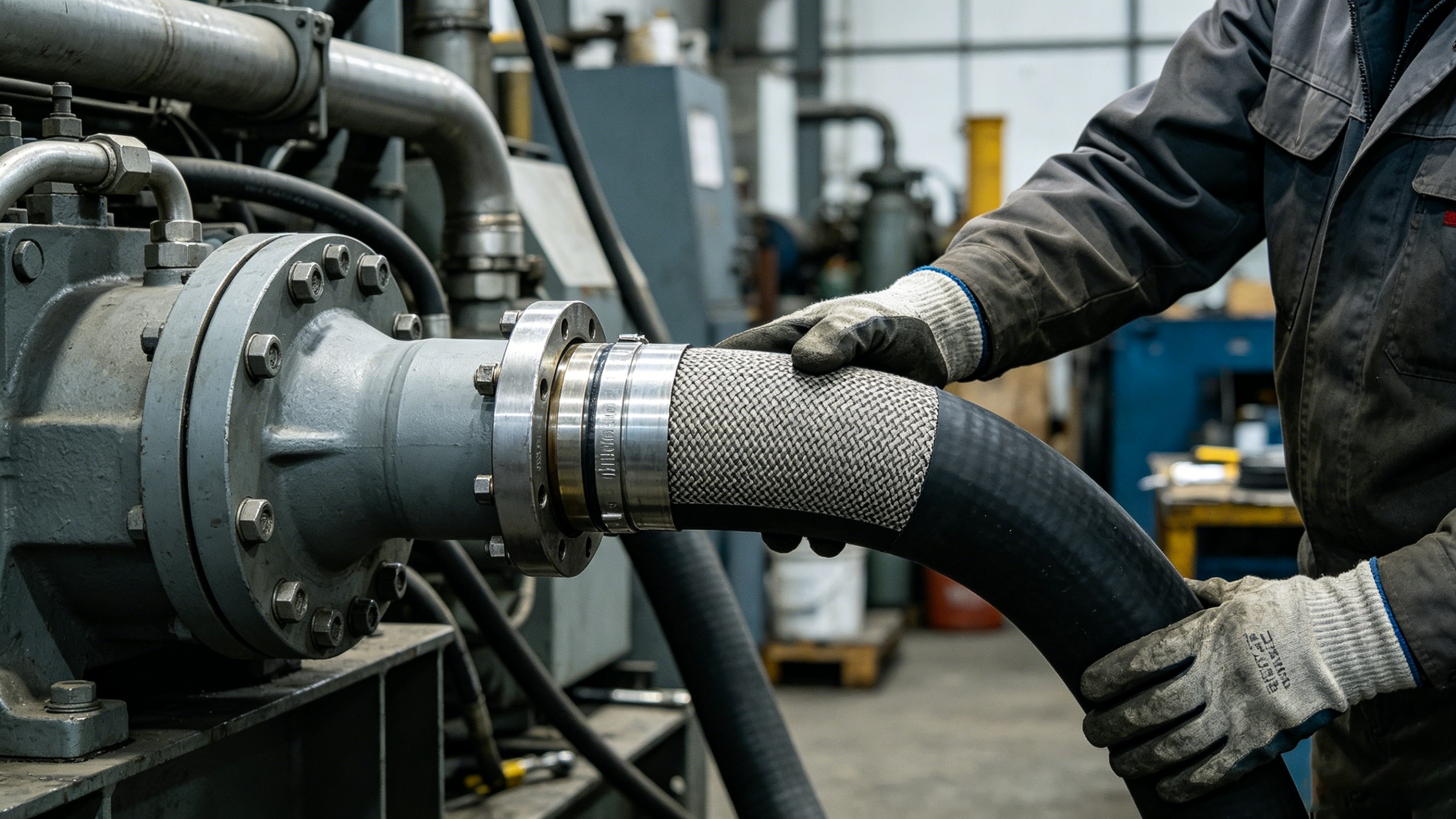
Pressure rating is one of the most important factors when selecting an industrial hose. Whether used in hydraulic systems, pneumatic equipment, chemical transfer, or industrial cleaning applications, the hose must be capable of safely handling the pressure generated during operation.
Choosing a hose with the wrong pressure rating can lead to leaks, equipment damage, production downtime, and serious safety risks. Understanding how pressure ratings work helps engineers, technicians, and buyers make informed decisions.
1.What Is a Hose Pressure Rating?
A hose pressure rating refers to the maximum pressure that a hose can safely withstand during normal operation. Manufacturers determine this rating through testing and engineering calculations.
The pressure rating serves as a guideline for selecting hoses that match the requirements of specific industrial systems. Exceeding the recommended working pressure can significantly reduce hose life and increase the risk of failure.
Always ensure that the hose pressure rating meets or exceeds the maximum operating pressure of the system.
2.Working Pressure vs Burst Pressure
Many buyers confuse working pressure with burst pressure, but they are not the same.
Working pressure is the maximum pressure the hose is designed to handle continuously during normal operation.
Burst pressure refers to the pressure level at which the hose will fail under testing conditions.
In most industrial hoses, burst pressure is several times higher than working pressure. This difference provides an important safety margin and helps ensure reliable performance during operation.
Understanding this distinction is essential when evaluating hose specifications.
3.Factors That Affect Pressure Performance
Several factors can influence a hose's pressure capability.
Temperature changes can reduce pressure resistance, especially in high-temperature environments. Hose aging, chemical exposure, and excessive bending can also affect performance over time.
The reinforcement structure plays a major role as well. Steel wire reinforced hoses generally offer higher pressure ratings than standard hoses, making them suitable for demanding hydraulic applications.
Regular inspection and proper maintenance help preserve pressure performance throughout the hose's service life.
4.Selecting the Right Pressure Rating
When choosing an industrial hose, buyers should consider both current operating conditions and potential future requirements.
Pressure spikes and sudden system surges can exceed normal operating levels. Therefore, selecting a hose with an adequate safety margin is highly recommended.
Consulting with an experienced hose manufacturer can help ensure proper product selection and long-term operational safety.
Conclusion
Understanding hose pressure ratings is essential for safe and efficient industrial operations. By considering working pressure, burst pressure, environmental conditions, and system requirements, businesses can select hoses that provide reliable long-term performance.
Shandong Danyu New Materials Technology Co., Ltd. manufactures hydraulic hoses, polyurethane hoses, reinforced hoses, nylon tubing, and customized industrial hose solutions. Contact us for professional guidance and OEM manufacturing support.