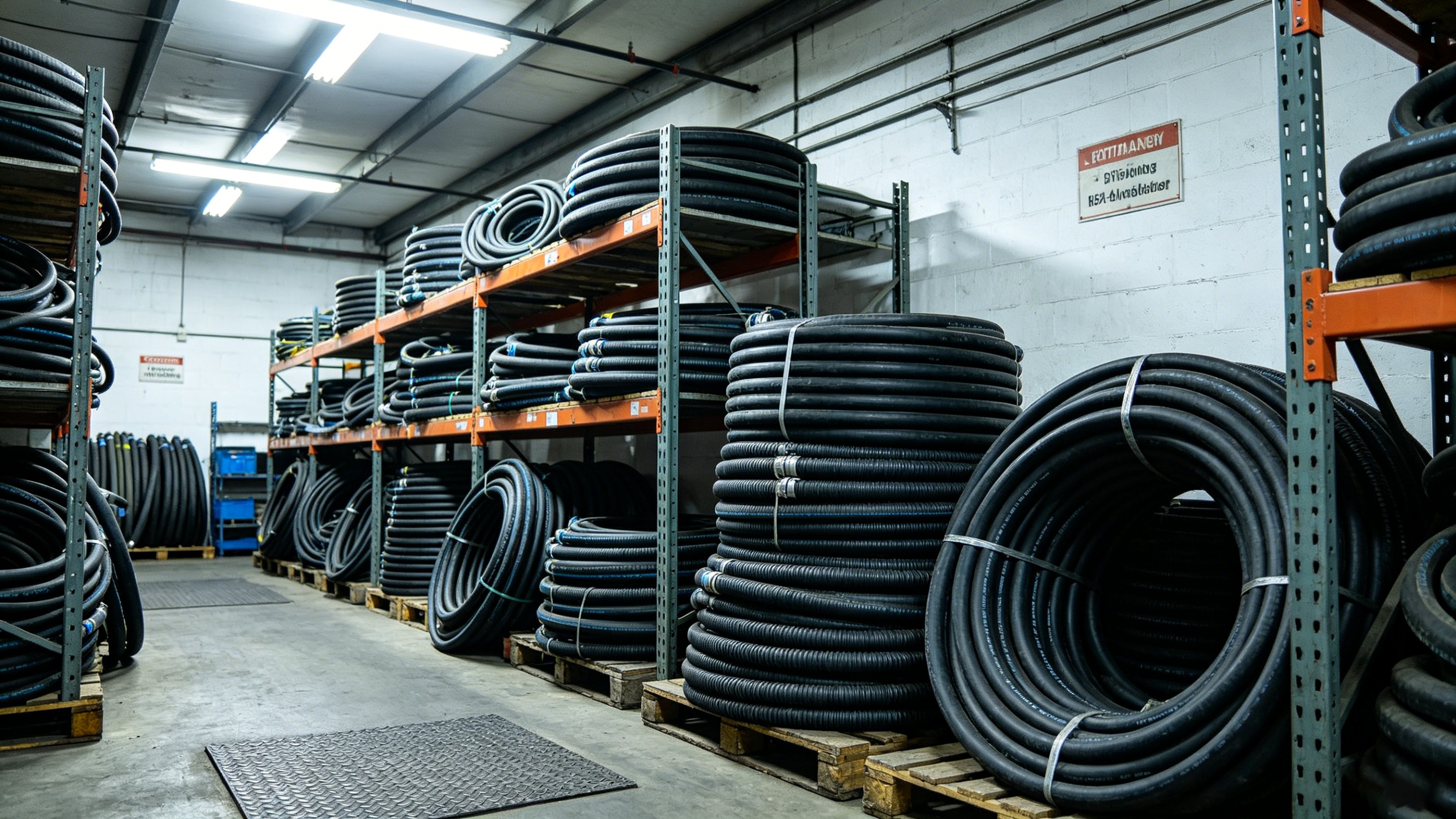
5 Installation and Maintenance Tips to Extend Industrial Hose Service Life
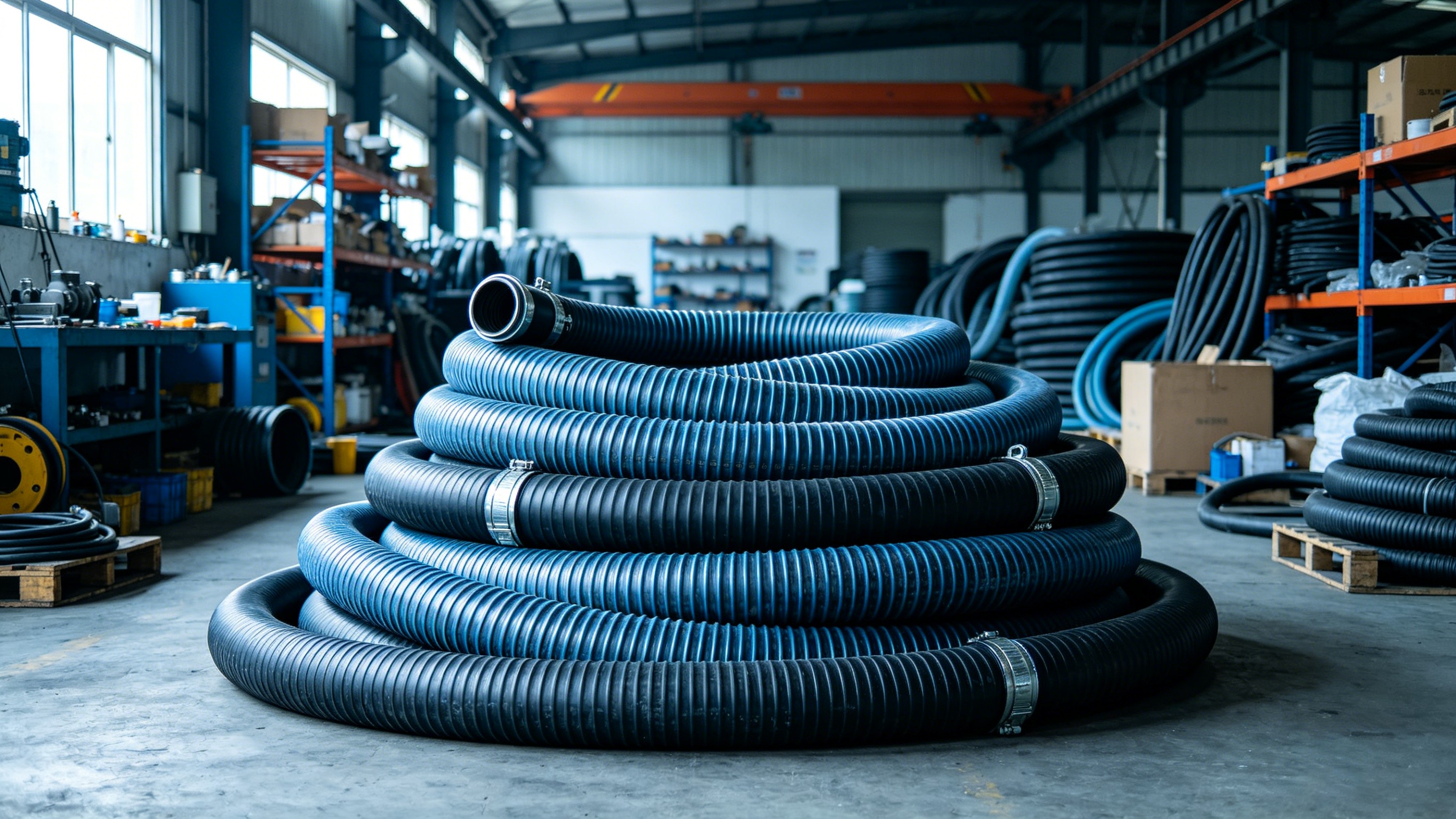
Although industrial hoses are considered consumables, many premature failures are not caused by quality issues, but by improper installation, insufficient maintenance, or mismatched working conditions. This is especially true for nylon resin high-pressure hoses, PU polyurethane hoses, ultra-high pressure cleaning hoses, and TPV rubber hoses. If installation and operation are not standardized, problems such as abrasion, bulging, oil leakage, loose fittings, and even hose bursts may occur.
As an industrial hose manufacturer, we have summarized five practical installation and maintenance tips to help customers reduce replacement frequency and improve system stability.
1. Avoid Twisting During Installation and Maintain a Natural Bend
One of the most common installation issues is hose twisting at the fitting. Even a few degrees of twist can significantly reduce hose service life.
During installation, adjust the fitting angle to match the pipeline routing instead of rotating the hose body to “force it into position.” For nylon resin high-pressure hoses and test hoses, pay special attention to the straight section near the fitting and avoid tight bending. The hose bend radius must not be smaller than the manufacturer’s recommended minimum bend radius; otherwise, the reinforcement layer will experience uneven stress, shortening service life.
2. Allow for Length Changes and Avoid Over-Tight Installation
Hose length changes under pressure. Under high pressure, the hose may elongate slightly; after depressurization, it may contract. If the hose is installed too tightly, both the hose and fittings will be subjected to additional stress during equipment operation or pressure changes.
The correct approach is to leave appropriate slack so the hose maintains a natural arc. For equipment with reciprocating motion or vibration, such as hydraulic robotic arms, cleaning hose reels, and movable woodworking dust collection arms, the movement range must be considered to prevent repeated stretching, compression, or friction.
3. Provide Proper Fixing and Abrasion Protection
Once the outer cover of a hose is worn, the reinforcement layer becomes vulnerable to moisture, oil, and mechanical impact, leading to premature failure.
Use suitable clamps, brackets, or guides during installation to prevent direct contact between the hose and sharp edges, moving parts, or high-temperature surfaces. For PU steel wire hoses and ultra-high pressure cleaning hoses that are frequently moved or contact the floor, wear-resistant sleeves, spring guards, or nylon protective covers can be added. However, even with protective sleeves, regular inspection of the hose body is still necessary to avoid hidden damage.
4. Control Working Pressure and Temperature to Avoid Overload
Hoses must be used within their rated pressure, temperature, and media compatibility ranges. Long-term overpressure, frequent pressure pulsation, or high-temperature environments will accelerate hose aging.
For hydraulic systems, ensure system pressure does not exceed the hose’s rated working pressure. For ultra-high pressure cleaning hoses, monitor the cleaner’s peak pressure and pulse frequency. For PU air ducts and profiled wall hoses, pay attention to negative pressure capacity and media temperature. If operating conditions approach the hose’s limits, choose a higher pressure rating or higher temperature-resistant model instead of forcing an unsuitable hose into service.
5. Establish Regular Inspection and Replacement Procedures
Hose failures often show early warning signs. It is recommended to establish a regular inspection routine, focusing on the following areas:
Check whether the outer cover shows cracks, hardening, bulging, or discoloration;
Inspect fittings for oil leakage, water leakage, or loosening;
Check whether the steel wire reinforcement is exposed, especially on PU steel wire hoses and high-pressure hoses;
Look for abnormal wear at bends, friction points, and clamp positions;
Confirm whether the hose is twisted, over-tightened, or interfering with other components.
For critical equipment, record the hose installation date, operating pressure, and replacement cycle. If bulging, exposed steel wire, fitting slippage, or obvious aging is found, stop operation and replace the hose immediately. Do not continue using it under pressure.
Conclusion
Hose service life depends not only on material quality, but also on proper installation and maintenance. Correct bend radius, reasonable fixing methods, stable pressure and temperature control, and regular inspection can significantly extend hose service life.
If you encounter issues such as rapid hose wear, fitting leakage, or hose bursts, feel free to provide details such as equipment type, pressure, media, temperature, and installation environment. We can assist with more precise selection and maintenance recommendations.