How to Choose the Right High-Pressure Hose for Hydraulic and Cleaning Equipment?
Introduction: Hose Selection Is More Than Just Price
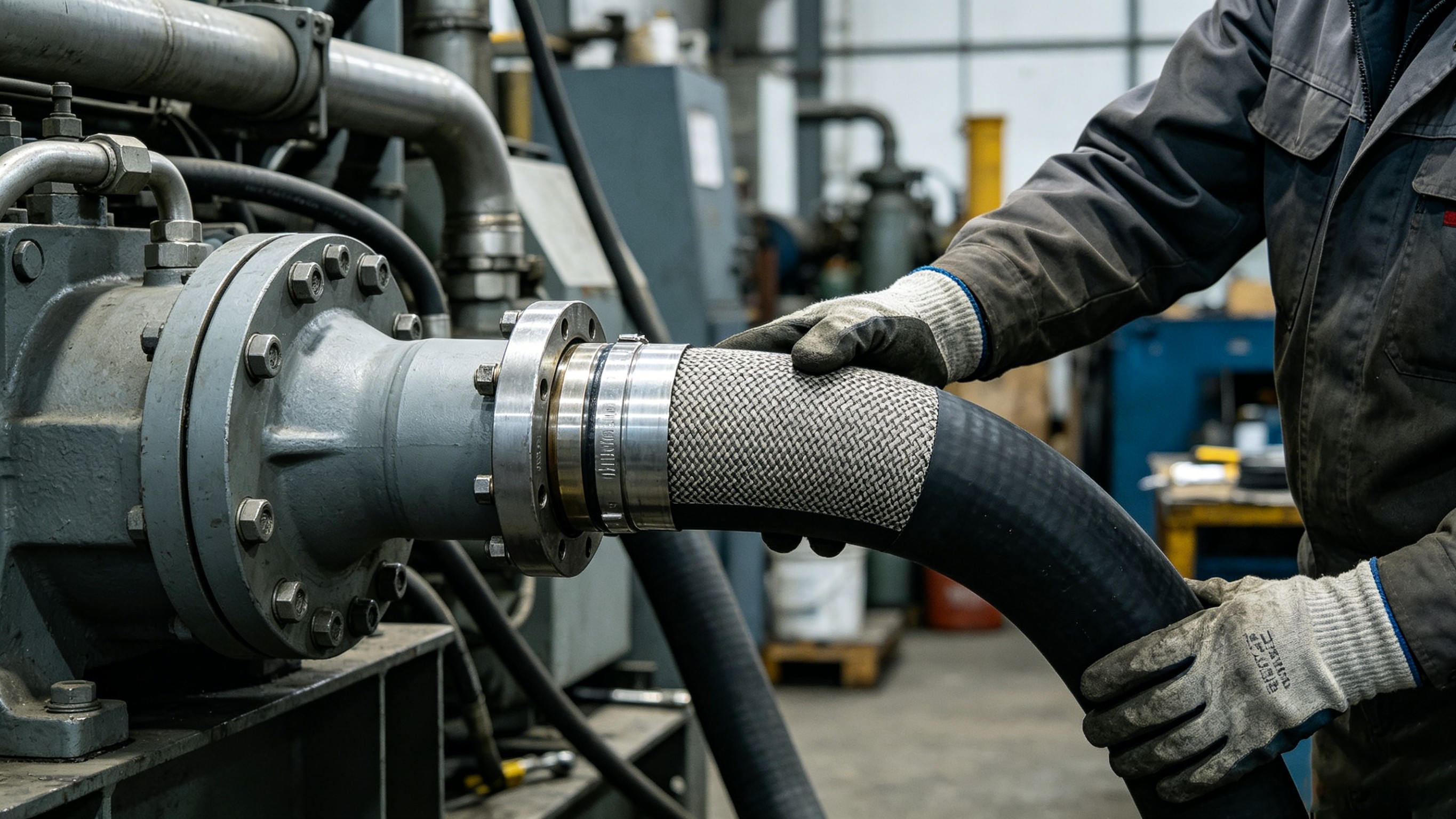
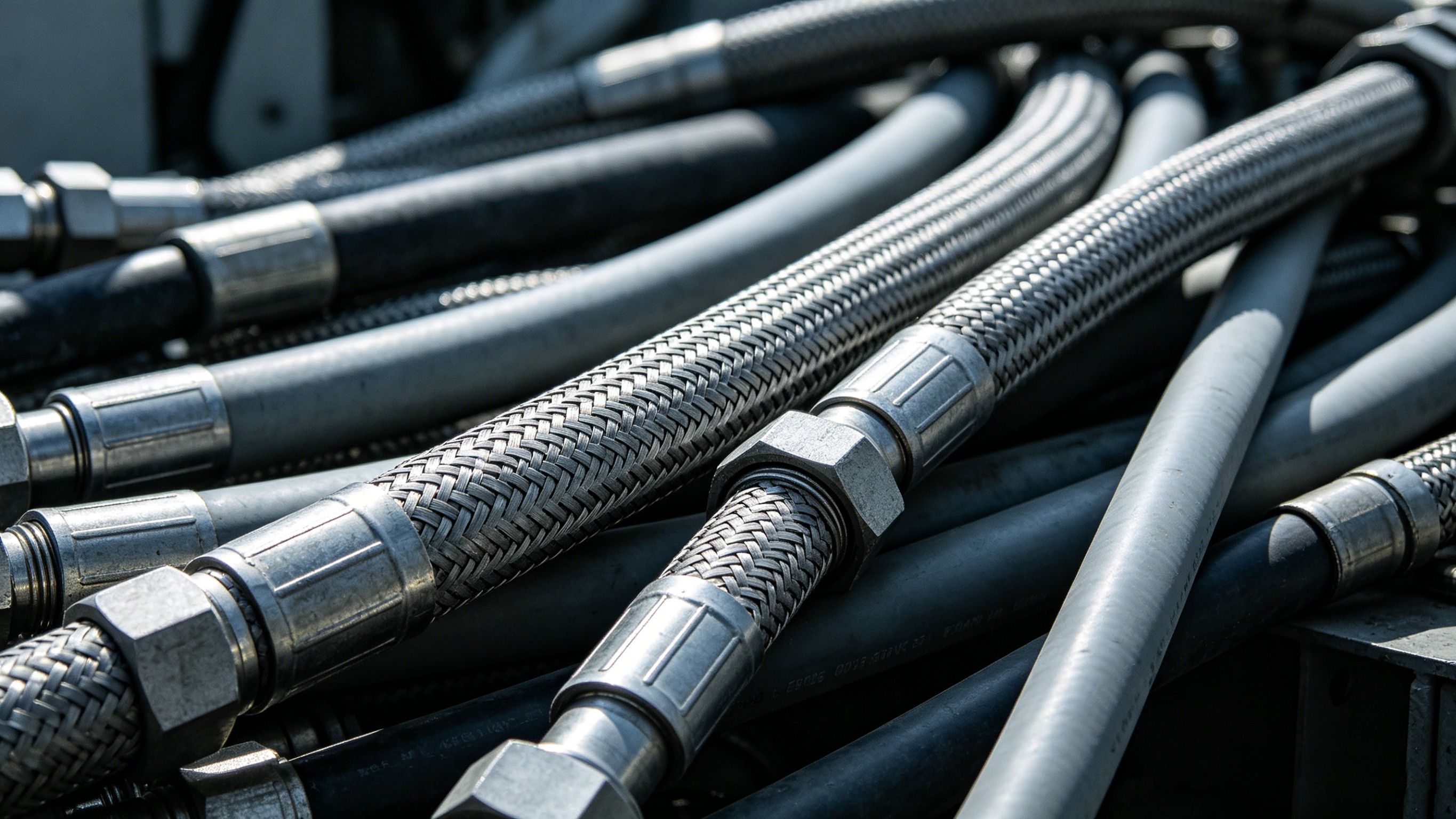
In industrial operations, hoses are often overlooked as consumables, yet they serve as the last line of defense for system safety. Choosing the wrong hose not only leads to frequent replacements and higher costs but can also cause dangerous burst failures. As a direct factory supplier, we have summarized three core dimensions to help you make the right choice.
1. Define Working Pressure and Pulse Life
This is the primary indicator for selection. For hydraulic equipment, you need to focus on the hose's rated working pressure and burst pressure.
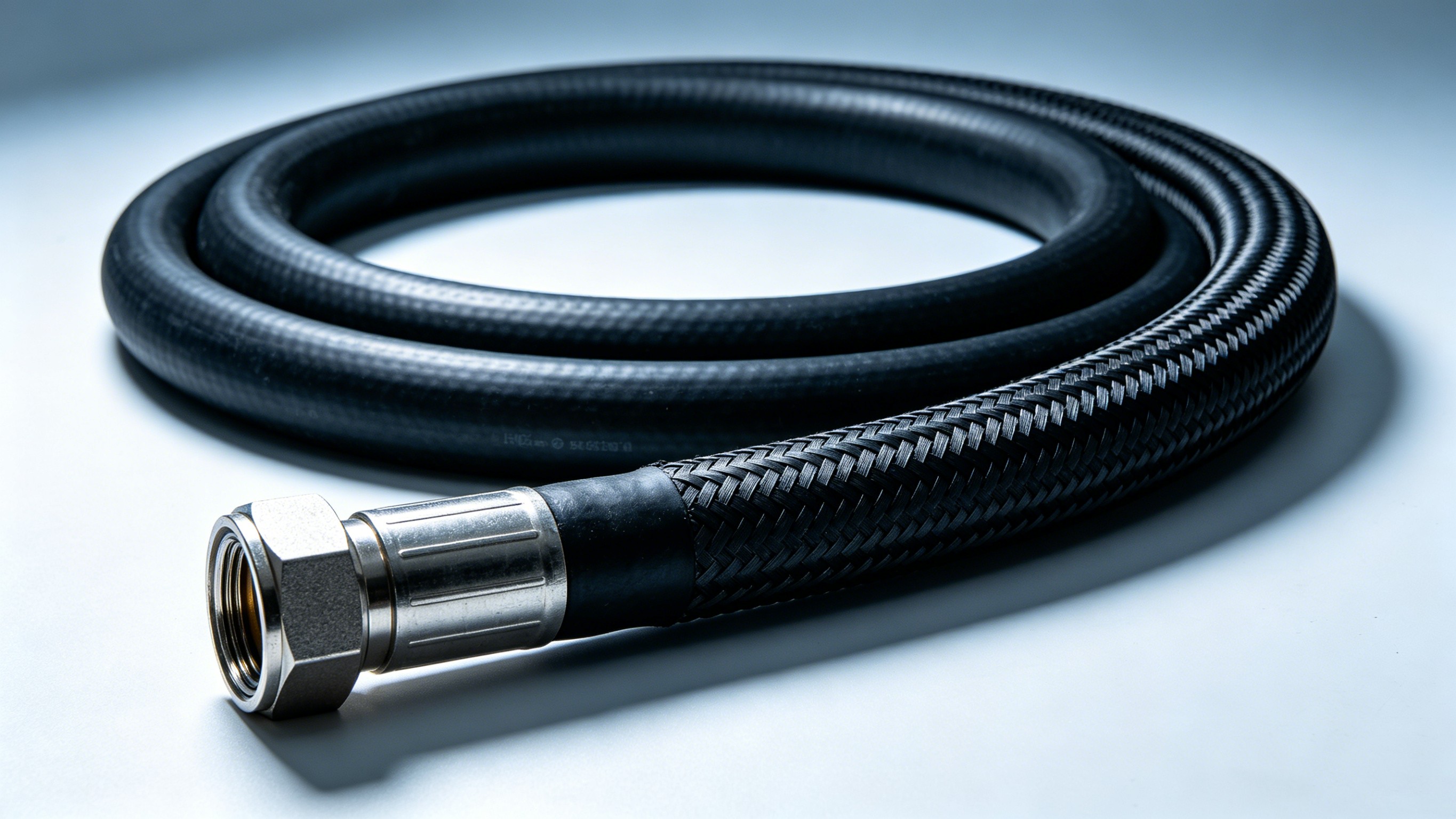
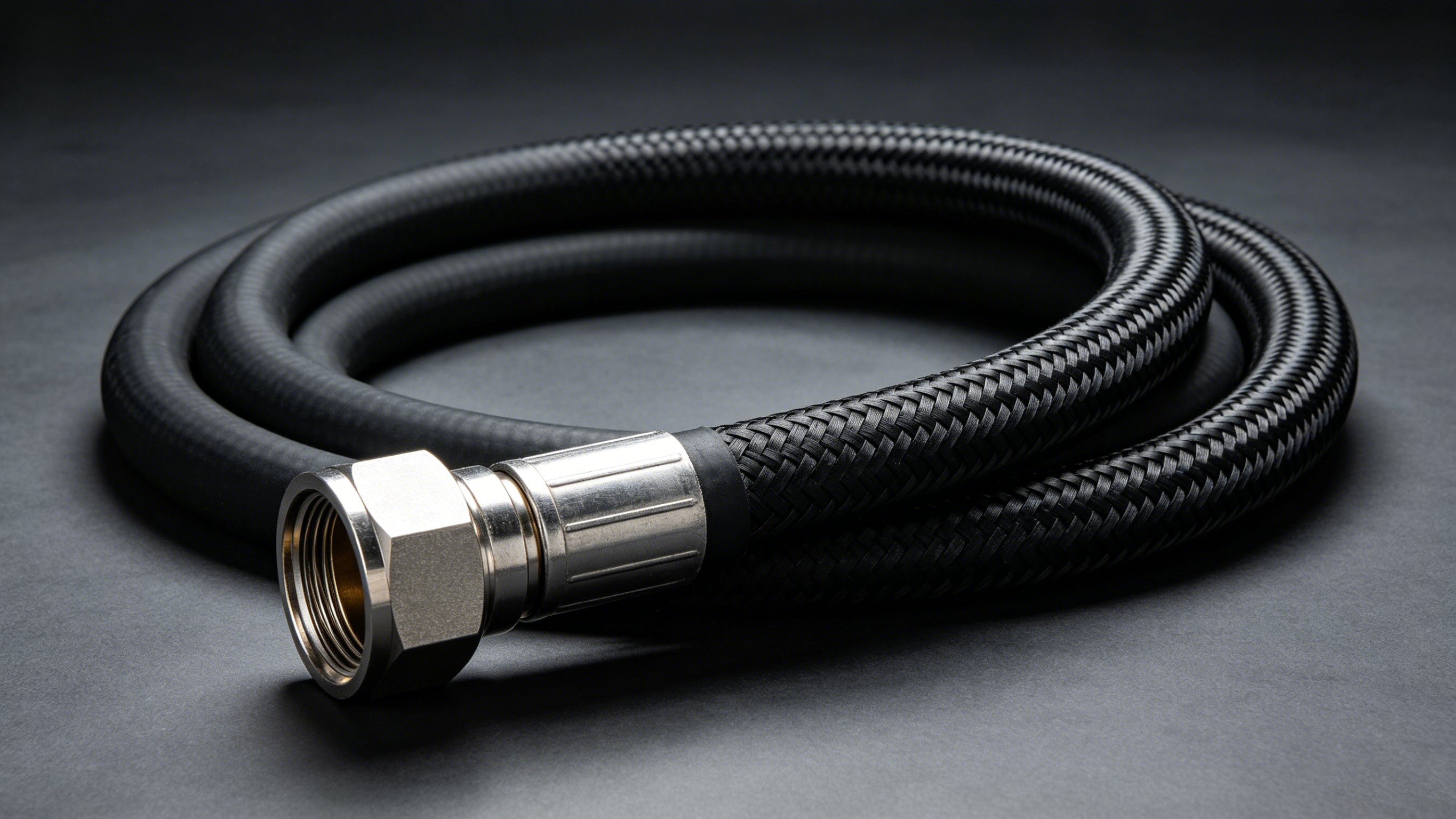
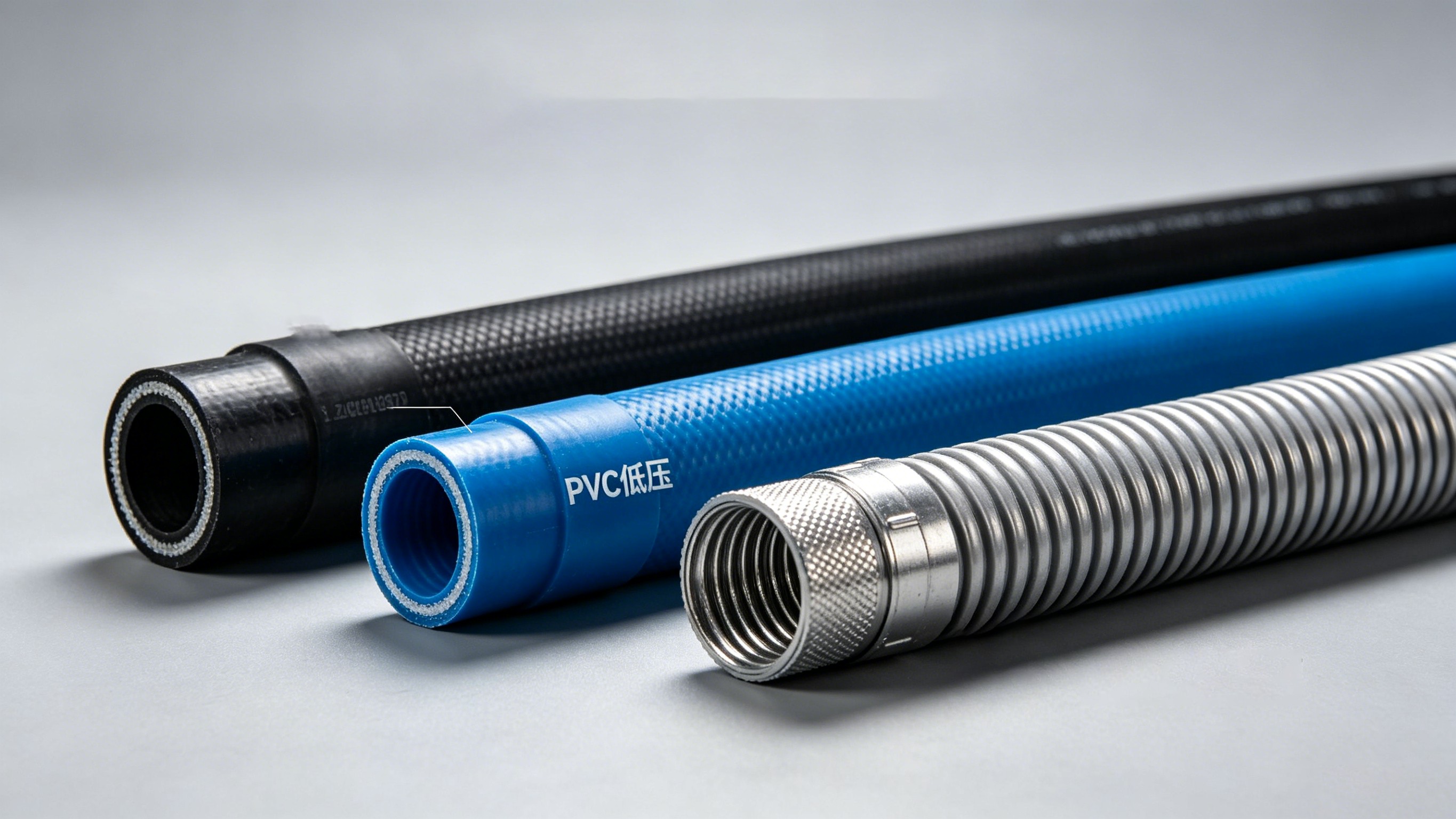
Nylon Resin High-Pressure Hoses: Ideal for compact hydraulic systems. They feature a small outer diameter, lightweight construction, and extremely low volume expansion under high pressure, effectively minimizing energy loss.
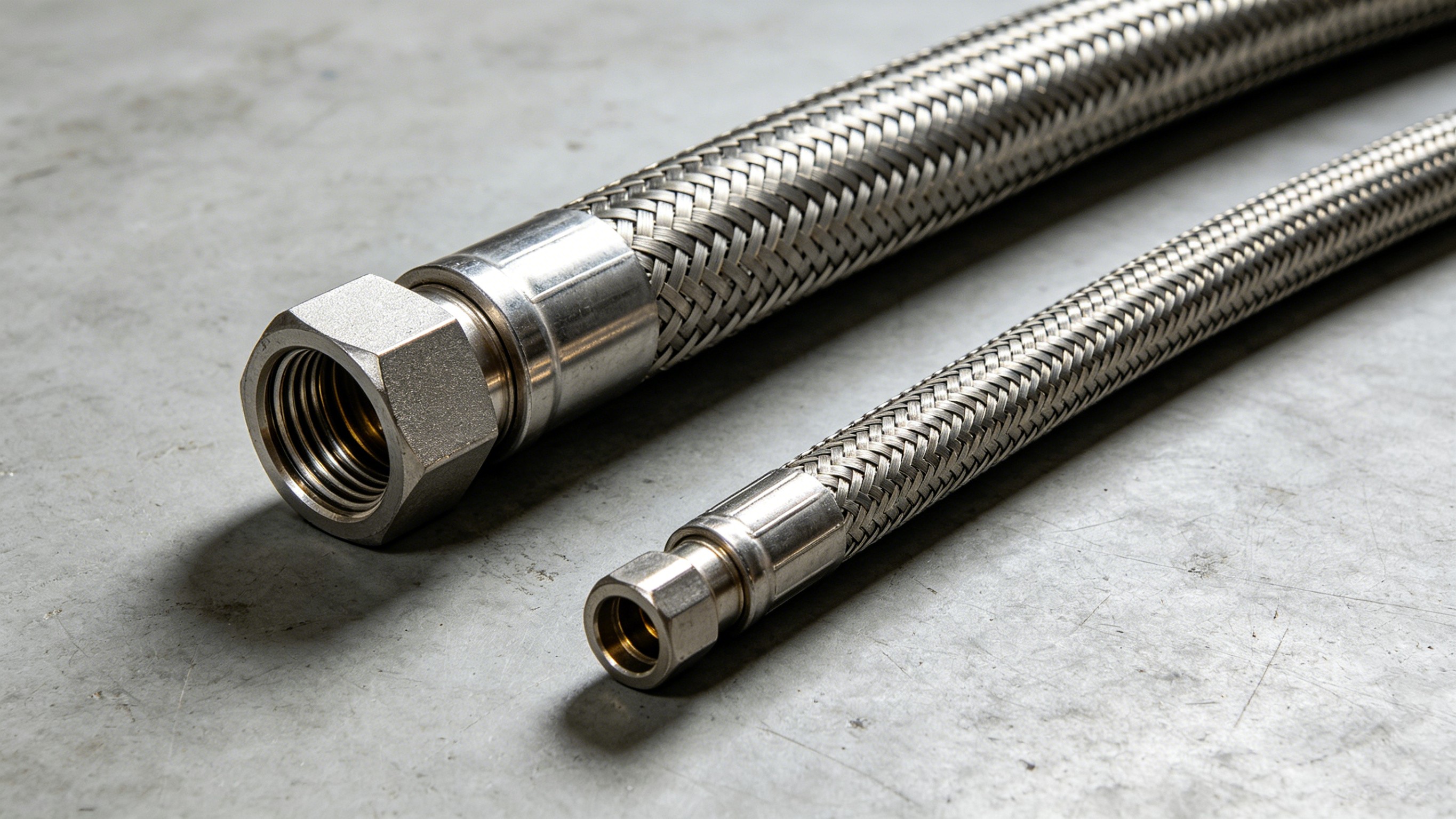
Ultra-High Pressure Cleaning Hoses: Designed specifically for water jet cleaning, these hoses must be engineered for ultra-high pressure applications. Typically constructed with multiple layers of steel wire winding, they withstand extreme pulse pressures to ensure safety during frequent start-stop cycles of high-pressure pumps.
2. Confirm Media Compatibility
The inner tube of the hose must be compatible with the conveyed medium.
Hydraulic Oil: If your equipment uses hydraulic oil, nylon resin hoses are an excellent choice due to their superior oil resistance, preventing hardening or cracking over long-term use.
Water or Chemical Solvents: For industrial cleaning, the medium is usually water or water mixed with chemical agents. In this case, ensure the inner tube is corrosion-resistant and the outer cover can withstand oil exposure in the working environment.
3. Consider Bend Radius and Environmental Adaptability
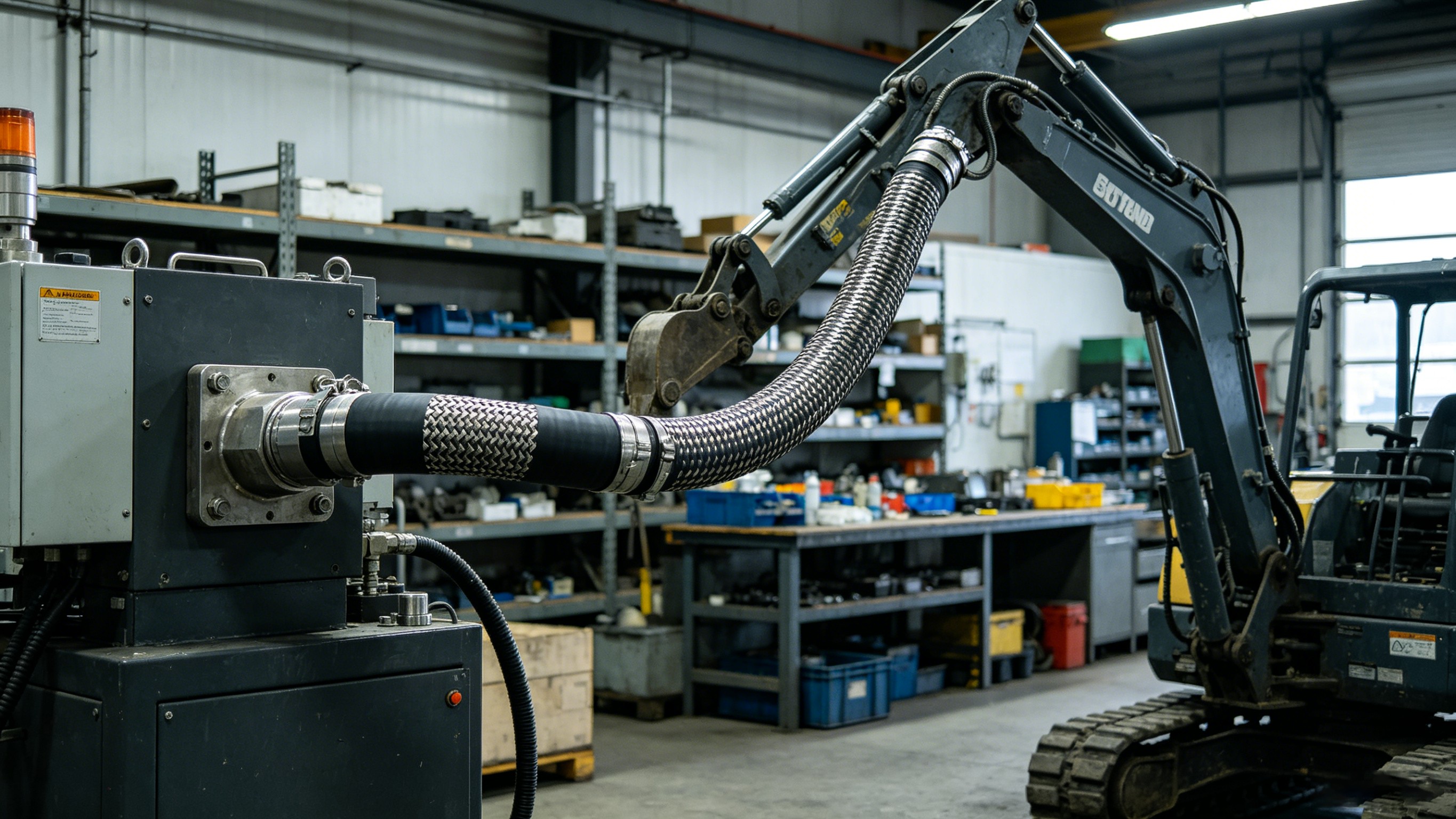
Bend Radius: In confined spaces such as robotic arms or internal machinery, an excessive bend radius can cause the hose to kink, restrict flow, or even sustain damage. Nylon resin hoses, with their excellent flexibility, can operate effectively under very small bend radii, making them ideal for complex routing environments.
Ambient Temperature: Always consider the operating temperature range. TPV rubber hoses and PU polyurethane hoses typically offer a wide temperature tolerance, adapting to various conditions from cold outdoor environments to high-temperature workshop floors.
Conclusion
Correct selection is the first step toward efficient production. If you have any doubts about hose selection for your specific application, feel free to contact our technical team. We will provide free selection advice based on your pressure, media, and temperature requirements.