Industrial Hose Selection Guide: Matching Nylon Resin, PU, TPV, and Ultra-High-Pressure Hoses to Your Application
Industrial hoses may look simple, but they play a critical role in system safety, efficiency, and service life. Whether you are transferring high-pressure fluids, testing pressure instruments, ventilating a production line, conveying abrasive dust, or performing ultra-high-pressure cleaning, choosing the right hose material and construction is essential.
For equipment manufacturers, distributors, and industrial end users, the best hose is not simply the one with the highest pressure rating. It must also match the medium, temperature, bending requirements, abrasion conditions, connection type, and working environment. This guide reviews several widely used industrial hose categories—nylon resin high-pressure hoses, nylon resin pressure test hoses, PU polyurethane steel wire air duct hoses, PU polyurethane ribbed hoses, ultra-high-pressure cleaning hoses, and TPV rubber hoses—and explains how to select them more effectively.
1. Nylon Resin High-Pressure Hoses
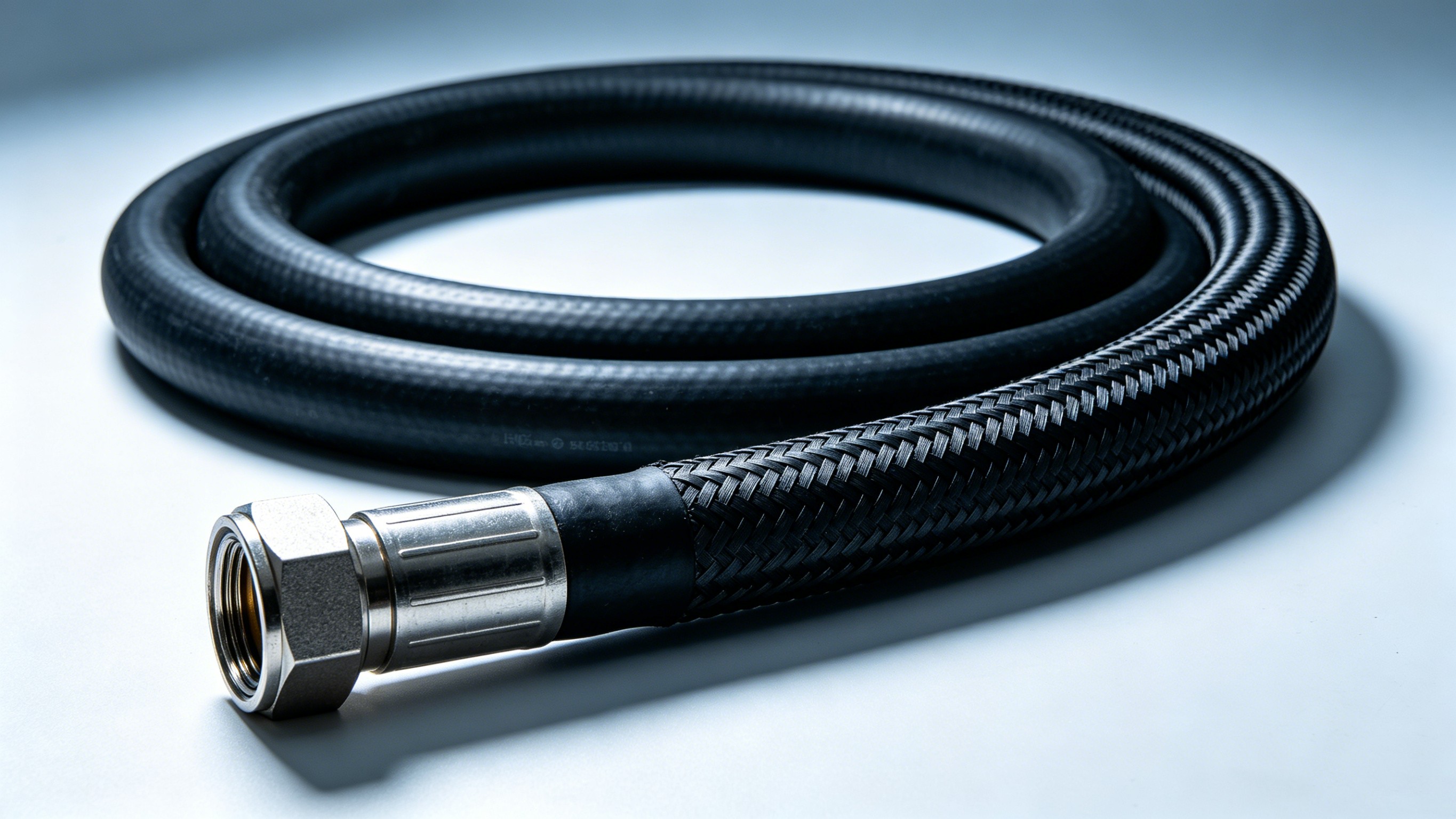
Nylon resin high-pressure hoses are commonly used in hydraulic, pneumatic, mechanical, automotive, and general industrial systems where a combination of pressure resistance, flexibility, and chemical resistance is required. Compared with some traditional rubber hoses, nylon resin hoses can offer advantages such as lighter weight, good dimensional stability, and resistance to many oils and chemicals.
When selecting a nylon resin high-pressure hose, confirm the working pressure, burst pressure, fluid compatibility, and operating temperature. Also consider the minimum bending radius and the type of fittings used. For applications involving frequent movement or vibration, flexibility and fatigue resistance are especially important.
Typical applications include high-pressure fluid transfer, hydraulic control lines, industrial equipment connections, and specialized machinery piping.
2. Nylon Resin Pressure Test Hoses
Nylon resin pressure test hoses are designed for pressure measurement, instrument connection, test benches, hydraulic diagnostics, and pressure calibration systems. In these applications, accurate pressure transmission and stable performance are critical. A pressure test hose should resist pressure pulses, remain flexible enough for routing, and provide reliable sealing at the connection points.
Because pressure test hoses are often used with gauges, sensors, and test equipment, users should pay attention to compatibility with the connector thread, working pressure, and the test medium. Selecting a hose with consistent inner diameter and good pressure response helps support accurate readings and safe operation.
3. PU Polyurethane Steel Wire Air Duct Hoses
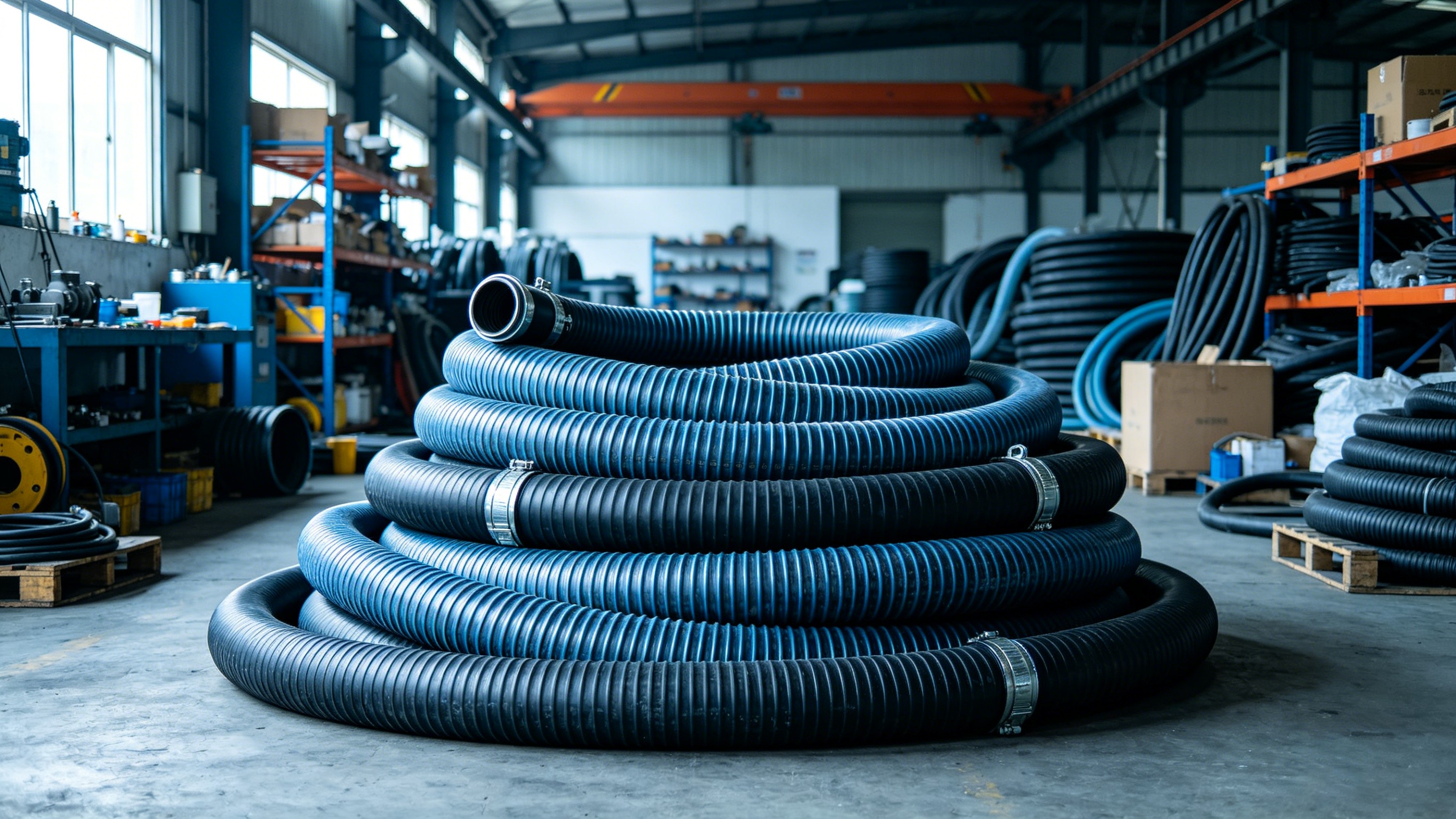
PU polyurethane steel wire air duct hoses are widely used for ventilation, dust extraction, fume removal, air supply, and light material conveying. The steel wire reinforcement provides structural support and helps the hose resist negative pressure and maintain shape, while the PU material offers flexibility and abrasion resistance.
These hoses are suitable for industrial workshops, woodworking, packaging, printing, and general ventilation systems. When choosing a PU steel wire air duct hose, consider the duct diameter, air flow requirement, negative pressure level, temperature, and whether the hose will be exposed to oil, dust, or abrasive particles.
4. PU Polyurethane Ribbed Hoses
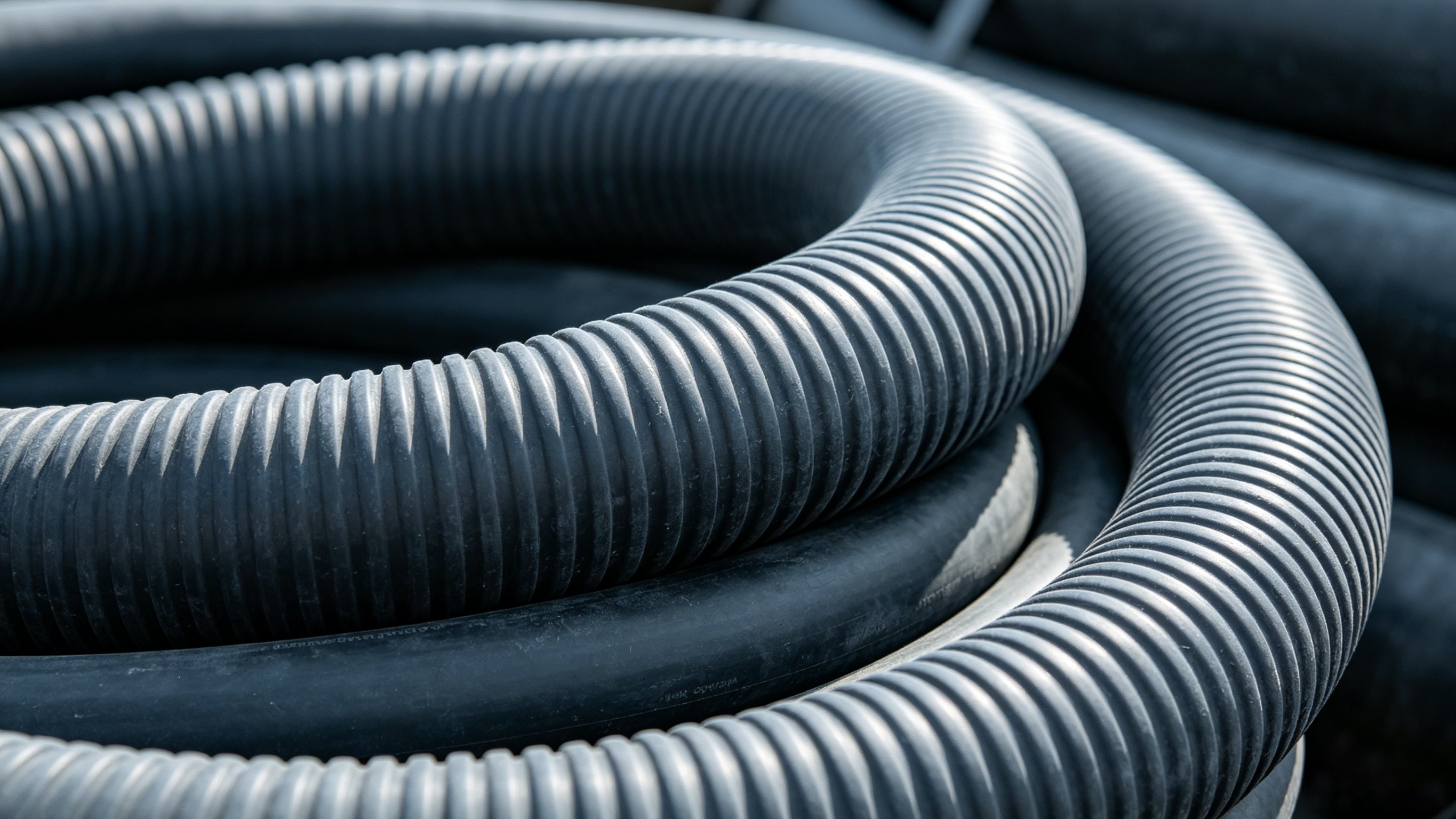
PU polyurethane ribbed hoses, also known as PU plastic ribbed hoses, are reinforced with a rigid rib structure that improves crush resistance and shape retention. They are often used for dust collection, powder conveying, grain handling, woodworking, agriculture, and light industrial suction or delivery applications.
The PU material provides good flexibility and wear resistance, while the ribbed design helps the hose withstand bending and external compression. For abrasive media such as sawdust, powder, or granules, users should evaluate wall thickness, rib spacing, and abrasion performance to ensure a suitable service life.
5. Ultra-High-Pressure Cleaning Hoses
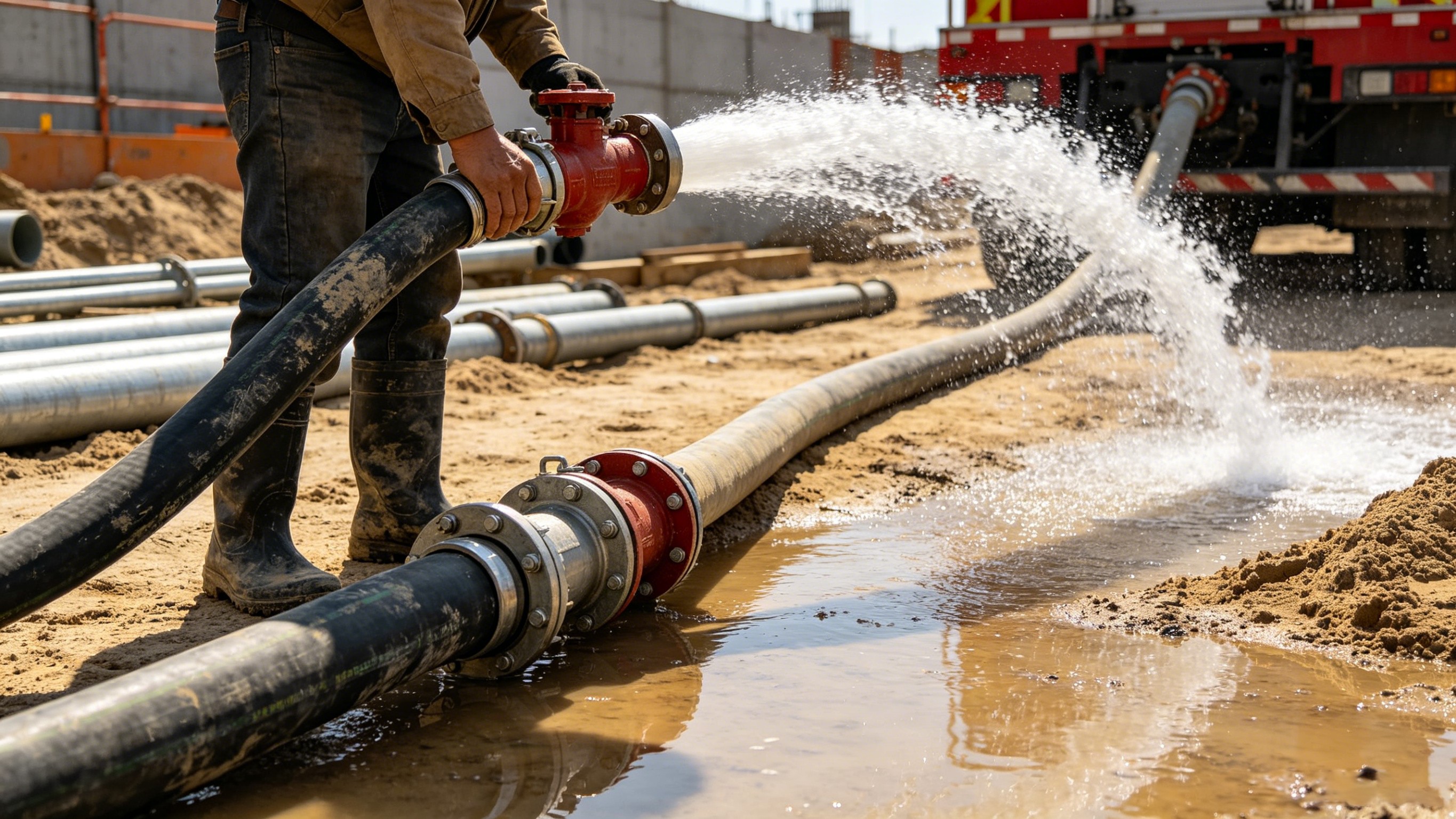
Ultra-high-pressure cleaning hoses are used in high-pressure washers, surface preparation, industrial cleaning, pipe cleaning, and demanding washdown applications. These hoses must handle very high working pressures while maintaining safety, flexibility, and resistance to water, cleaning agents, and abrasion.
When selecting an ultra-high-pressure cleaning hose, the working pressure and burst pressure are the first considerations. However, users should also check the hose construction, reinforcement layer, end fitting compatibility, minimum bending radius, and safety factor. Proper installation and regular inspection are essential to prevent hose failure and improve operator safety.
6. TPV Rubber Hoses
TPV rubber hoses are made from thermoplastic vulcanizate, a material that combines rubber-like flexibility with thermoplastic processing characteristics. TPV hoses are often used in automotive, industrial, fluid transfer, and sealing applications where flexibility, weather resistance, and chemical resistance are important.
Compared with traditional rubber hoses, TPV hoses can offer good aging resistance, color stability, and recyclability. Selection should consider the working temperature, medium compatibility, pressure requirement, and connection method.
Key Factors in Industrial Hose Selection
To choose the right hose for your application, consider the following factors:
Working pressure and burst pressure: Always confirm the required safety factor.
Medium compatibility: Check resistance to oils, water, chemicals, air, dust, and cleaning agents.
Temperature range: Ensure the hose material can handle both normal and peak temperatures.
Flexibility and bending radius: Important for routing, movement, and installation space.
Abrasion and external protection: Consider the environment and contact with sharp or rough surfaces.
Fittings and connections: Confirm thread type, coupling compatibility, and sealing performance.
Service life and maintenance: Establish a regular inspection and replacement schedule.
Conclusion
Selecting the right industrial hose requires more than matching a diameter and pressure rating. Nylon resin high-pressure hoses, nylon resin pressure test hoses, PU polyurethane steel wire air duct hoses, PU polyurethane ribbed hoses, ultra-high-pressure cleaning hoses, and TPV rubber hoses each serve different applications and performance requirements.
As an industrial hose manufacturer, we recommend evaluating the complete working condition before making a final selection. The right hose can improve system reliability, reduce downtime, and support safer operation.