How to Evaluate an Industrial Hose Manufacturer: A Buyer's Checklist
1. Introduction: The Supplier Behind the Hose Matters
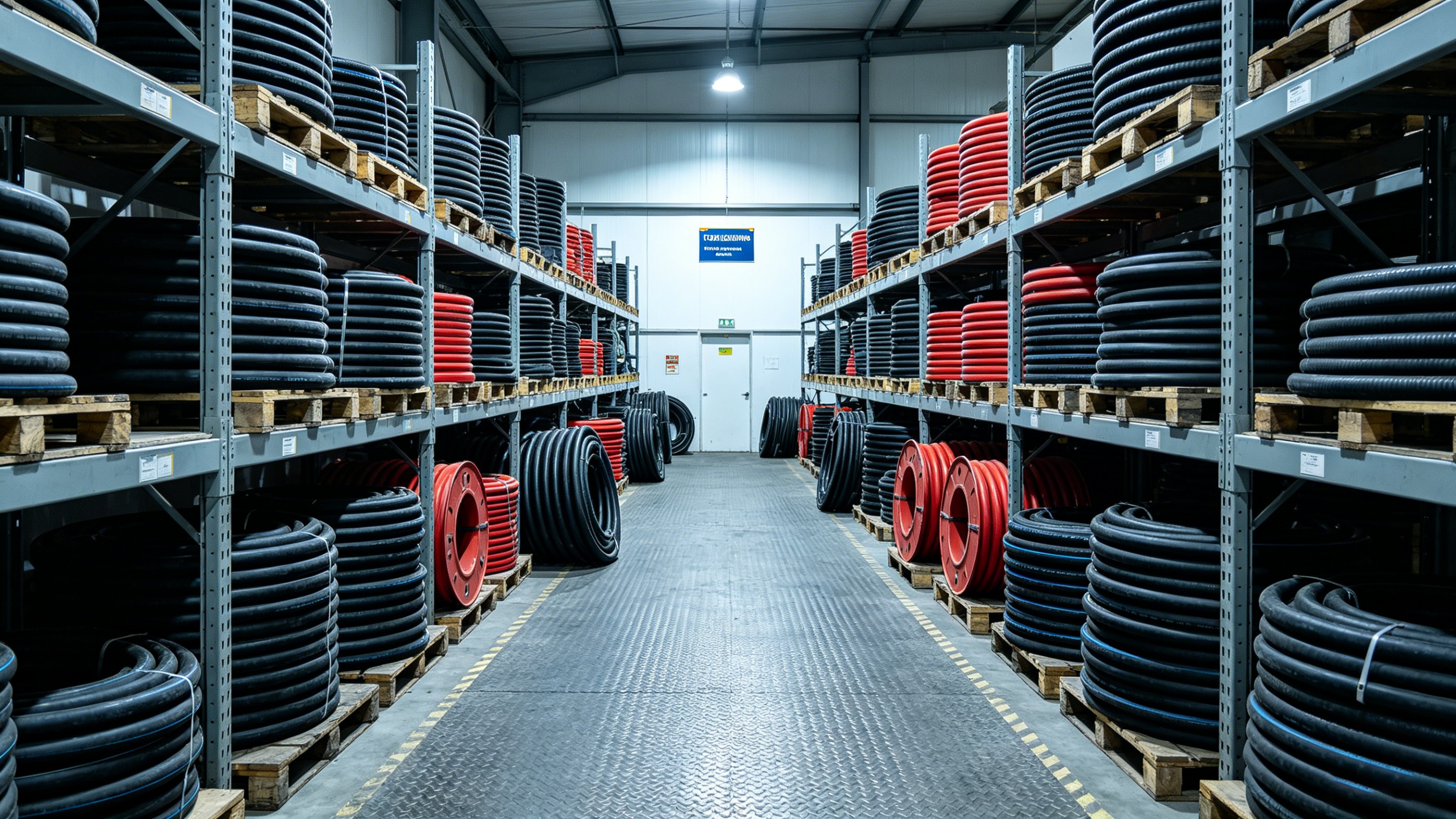
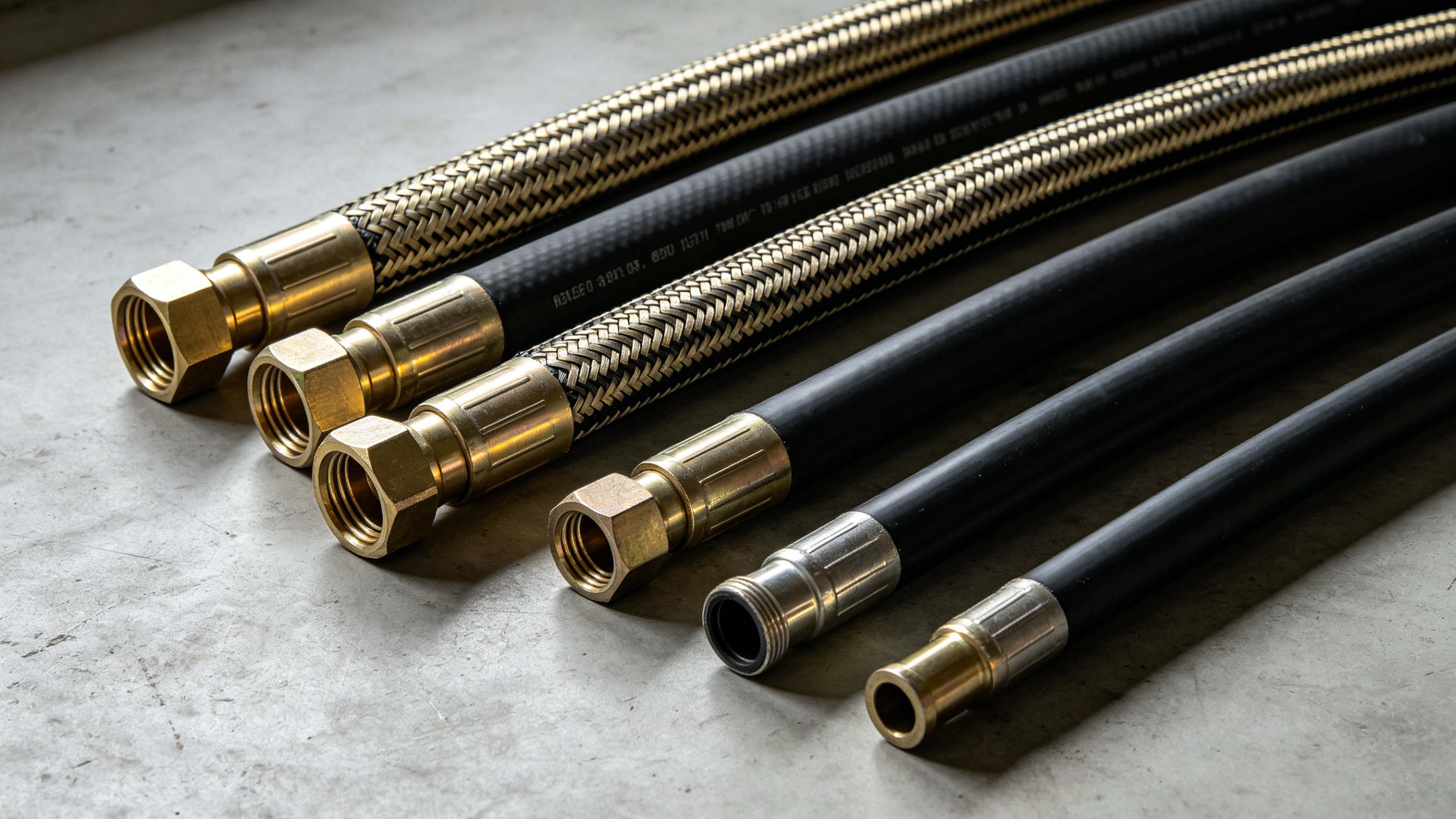
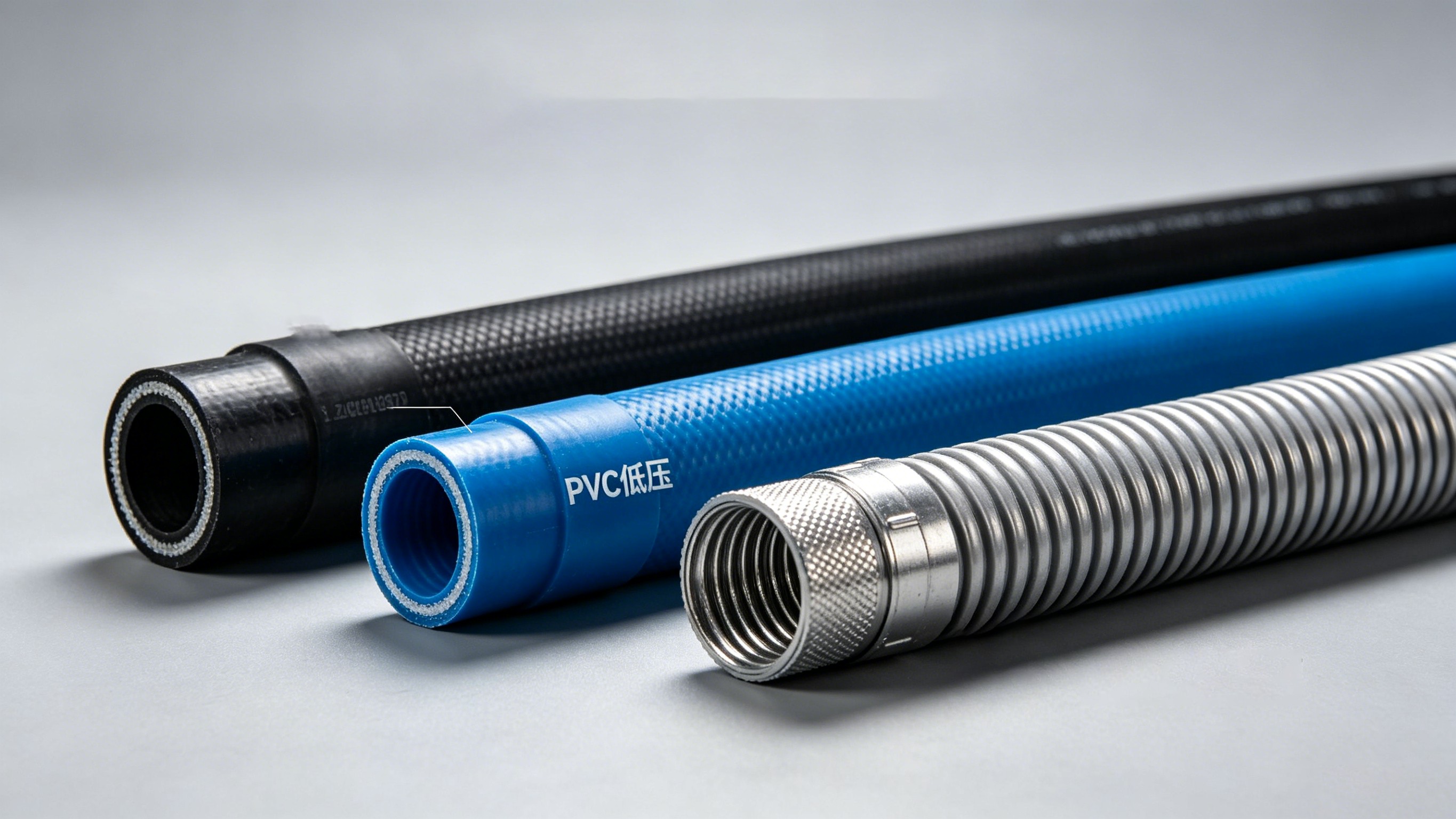
Industrial hoses are consumable components, but their quality directly affects equipment performance, operator safety, and total cost of ownership. A low-cost hose that fails early can cost far more than the price difference through downtime, replacement labor, and safety incidents. For distributors, equipment makers, and industrial buyers, evaluating a hose manufacturer carefully is essential. This checklist covers the key areas to assess when sourcing nylon, PU, ultra-high-pressure, and TPV hoses.
2. Material Quality and Consistency
The foundation of hose performance is material quality. Ask about:
Raw material sourcing: Are nylon, PU, TPV, and reinforcement materials sourced from reliable suppliers with traceability?
Material consistency: Are compound formulations and hardness grades controlled batch to batch?
Compatibility testing: Can the manufacturer verify material compatibility with your media, temperature, and pressure conditions?
Consistent material quality is what keeps pressure ratings and service life predictable.
3. Manufacturing Process and Equipment
A capable manufacturer should be able to describe its production processes clearly:
Extrusion capability: Control of wall thickness, concentricity, and dimensional tolerance;
Reinforcement construction: Braiding, winding, or wire helix formation and adhesion quality;
Crimping and fitting assembly: Proper crimping equipment, parameters, and pull-test verification;
Consistency across production runs: Process controls that prevent variation between batches.
4. Quality Control and Testing
Ask what testing is performed and how often:
Pressure testing: Proof and burst testing on finished hoses;
Dimensional inspection: Inner/outer diameter, wall thickness, and length checks;
Material and adhesion tests: Verification of layer bonding and material properties;
Leak and function testing: Especially important for high-pressure and ultra-high-pressure hoses;
Record keeping: Traceability from raw material to finished product.
A manufacturer that can share test reports and inspection records is more likely to deliver consistent quality.
5. Certifications and Standards Compliance
Depending on your market and application, check for relevant certifications and standards:
Quality management systems (e.g., ISO 9001);
Industry standards applicable to hydraulic, cleaning, or automotive hoses;
Material and safety compliance required in your target market (e.g., RoHS, REACH where applicable);
Documentation support for customs, tenders, and technical files.
6. Customization and Engineering Support
Many industrial applications require non-standard diameters, lengths, fittings, colors, or pressure ratings. Evaluate whether the manufacturer can:
Customize specifications: Diameter, length, wall thickness, hardness, and reinforcement;
Provide fitting solutions: Matching fittings, crimping, and assembly;
Offer technical support: Selection advice, drawings, and samples;
Handle OEM/private label requirements: Marking, packaging, and branding.
7. Production Capacity and Supply Reliability
Reliable delivery matters as much as product quality. Consider:
Production capacity: Can the manufacturer handle your order volumes and seasonal peaks?
Lead times: Are quoted lead times realistic and stable?
Inventory and raw material planning: How are material shortages or price fluctuations managed?
Logistics and export experience: Packaging, documentation, and shipping reliability.
8. Communication and Responsiveness
A good supplier communicates clearly and responds promptly. Evaluate:
Response time to inquiries and technical questions;
Clarity of quotations and specifications;
Willingness to provide samples and test data;
Problem-solving attitude when issues arise.
9. Total Cost, Not Just Unit Price
Compare suppliers on total cost of ownership—including hose life, failure risk, downtime, replacement labor, and logistics—rather than unit price alone. A slightly higher-priced hose with predictable quality often delivers lower total cost.
10. Evaluation Checklist Summary
Material quality and traceability;
Manufacturing process and equipment;
Quality control and testing records;
Certifications and standards compliance;
Customization and engineering support;
Production capacity and supply reliability;
Communication and responsiveness;
Total cost of ownership;
Sample testing and pilot orders;
References and customer feedback.
11. Conclusion
Evaluating an industrial hose manufacturer requires looking beyond price to material quality, process control, testing, customization, and supply reliability. Starting with sample testing and a small pilot order is a practical way to verify a supplier's capability before scaling up. Our factory specializes in producing nylon resin high-pressure hoses, nylon resin pressure-testing hoses, PU polyurethane steel wire duct hoses, PU polyurethane ribbed hoses, ultra-high-pressure cleaning hoses, and TPV rubber hoses—and we welcome the opportunity to support your sourcing requirements.