Hose Solutions for Dust Extraction and Ventilation Systems: A Practical Selection Guide
1. Introduction: Why Hose Choice Matters in Extraction Systems
Dust extraction and ventilation systems depend on consistent airflow to remove dust, fumes, and airborne particles from the workplace. The hose is often the most flexible—and most vulnerable—part of the system. An undersized, kinked, or worn hose increases pressure loss, reduces extraction efficiency, and can lead to dust buildup, motor overload, and workplace health and safety issues. This guide explains how to select and maintain hoses for dust extraction and ventilation, focusing on PU steel wire duct hoses and PU ribbed hoses.
2. Key System Requirements to Clarify First
Before selecting a hose, define the system parameters:
Airflow volume and velocity: Determines the required inner diameter;
Static pressure and vacuum level: Determines hose crush and vacuum resistance;
Dust or fume type: Abrasive dust, fine powder, welding fume, or oil mist;
Temperature: Ambient, hot air, or fume temperature;
Routing and mobility: Fixed ducting, movable extraction arms, or portable equipment;
Chemical exposure: Solvents, oils, or corrosive fumes.
3. Matching Hose Types to Extraction Applications
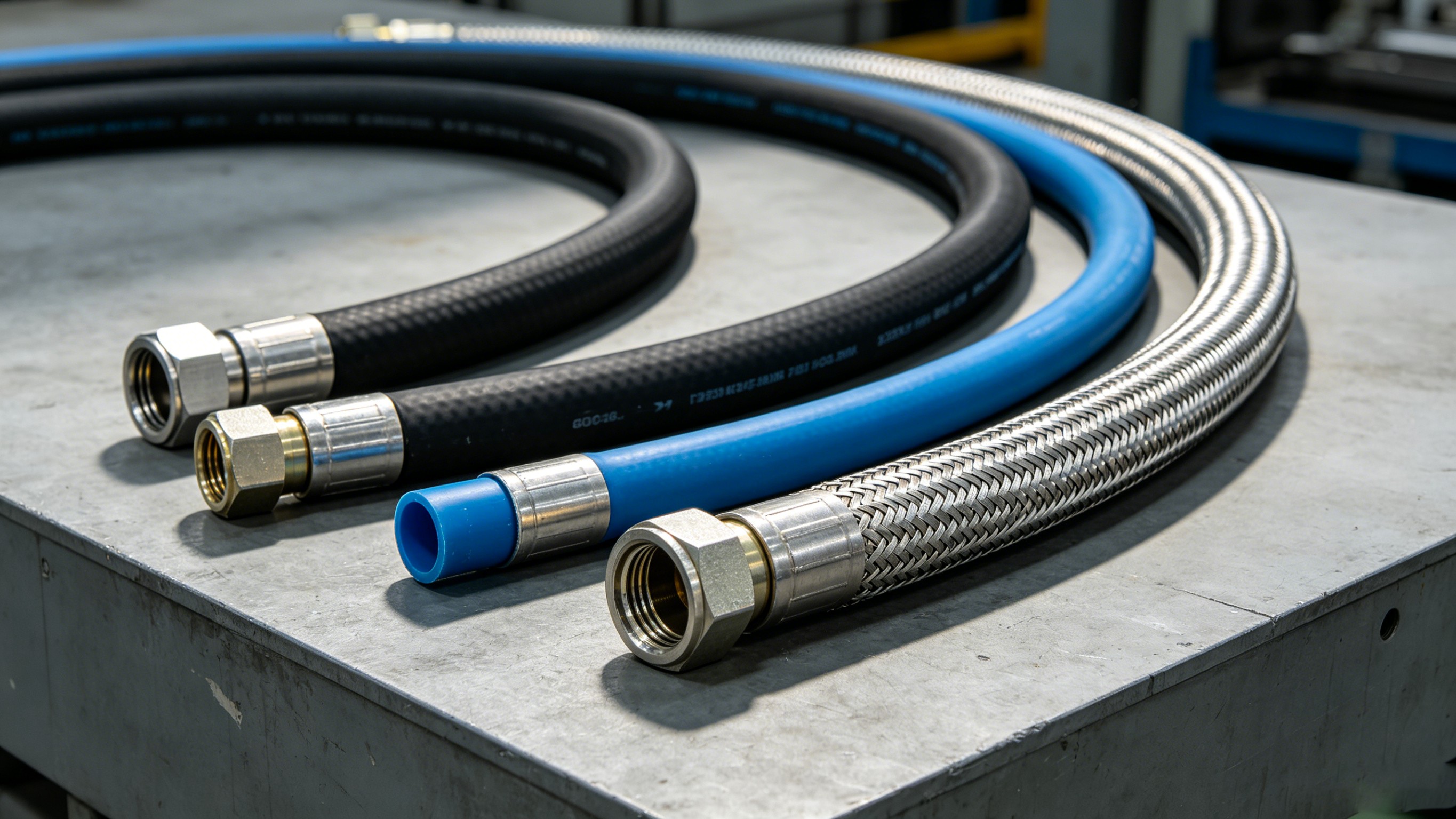
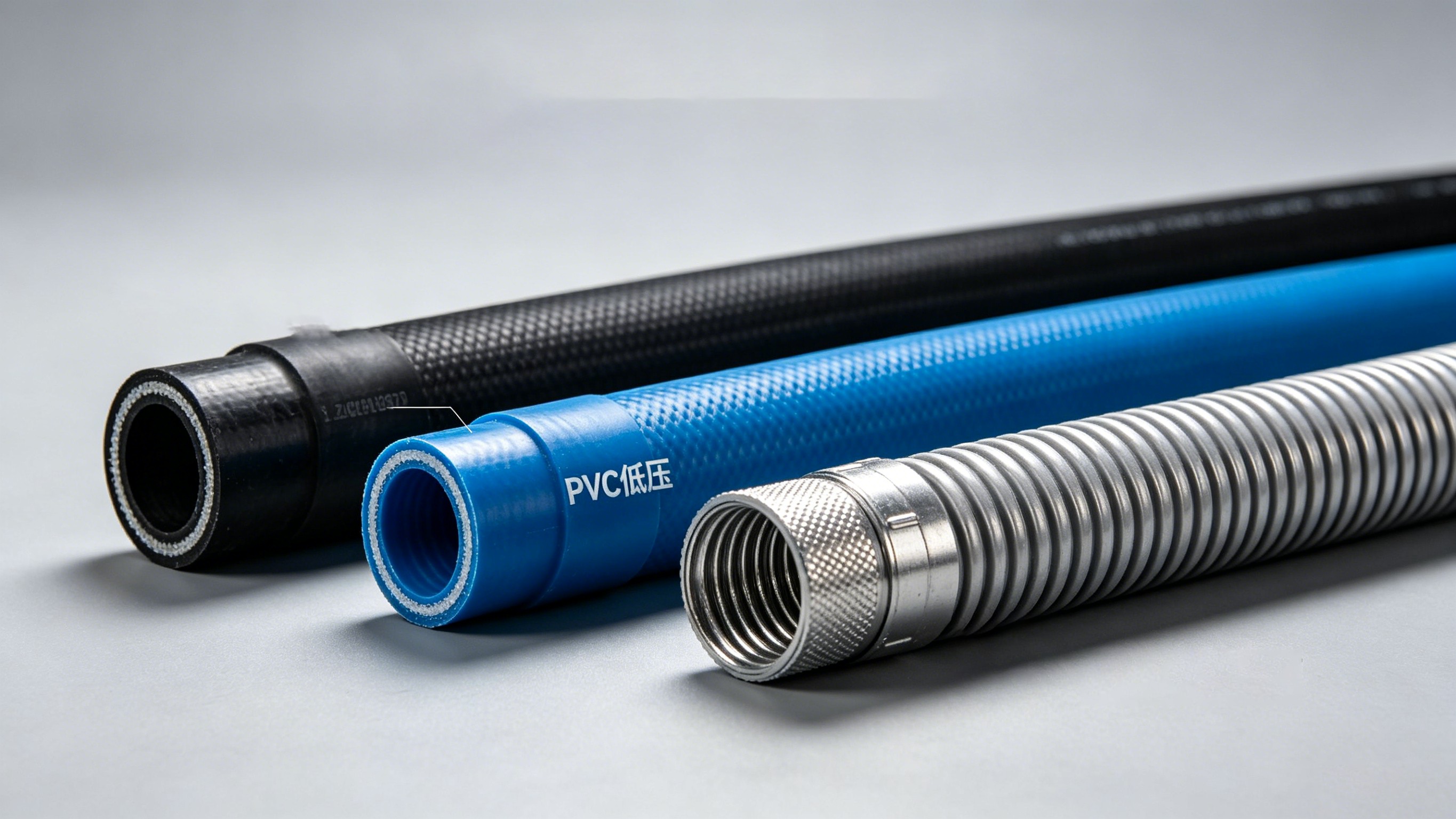
PU steel wire duct hoses combine a steel wire helix with abrasion-resistant PU, providing flexibility, crush resistance, and durability under vacuum. They are well suited for ventilation, dust and fume extraction, air supply, and light material conveying—especially where the hose must stay open under suction and resist abrasion from wood chips, metal dust, or granules.
PU ribbed hoses use a corrugated structure for excellent flexibility and kink resistance, with abrasion-resistant PU for demanding dust and particle handling. They are ideal for dust extraction, industrial vacuuming, and light material conveying—particularly where tight routing, frequent repositioning, or portable equipment is involved.
Nylon, ultra-high-pressure, and TPV hoses are generally not used as primary extraction ducts, but TPV hoses may serve auxiliary air or coolant lines in extraction equipment, and nylon hoses may be used for compressed-air cleaning or control lines.
4. Inner Diameter and Airflow: Avoiding Pressure Loss
The inner diameter must match the airflow volume and velocity required by the system. A diameter that is too small increases resistance and reduces suction at the pickup point; one that is too large increases cost and may reduce transport velocity, allowing dust to settle. Account for pressure loss along the hose length, bends, and fittings, and keep the extraction path as short and straight as practical.
5. Vacuum Rating, Crush Resistance, and Routing
For suction applications, verify the hose's vacuum rating and crush resistance. Route hoses with gentle curves and adequate support to prevent kinking and stress on the reinforcement. Use appropriate clamps and connectors, and avoid over-tightening that could damage the hose wall. For movable extraction arms, choose a hose that balances flexibility with structural stability.
6. Abrasion, Temperature, and Chemical Considerations
Abrasive dust: Choose thicker walls and abrasion-resistant PU grades;
Hot fumes or air: Verify the hose temperature rating;
Oil mist or solvents: Confirm chemical compatibility with PU;
Outdoor or UV exposure: Consider UV-resistant options or protective covers.
7. Maintenance and Inspection Practices
Clean accumulated dust from hoses regularly to maintain airflow;
Inspect for abrasion, cracks, rib or wire deformation, and blockage;
Replace damaged sections promptly to avoid dust leakage and efficiency loss;
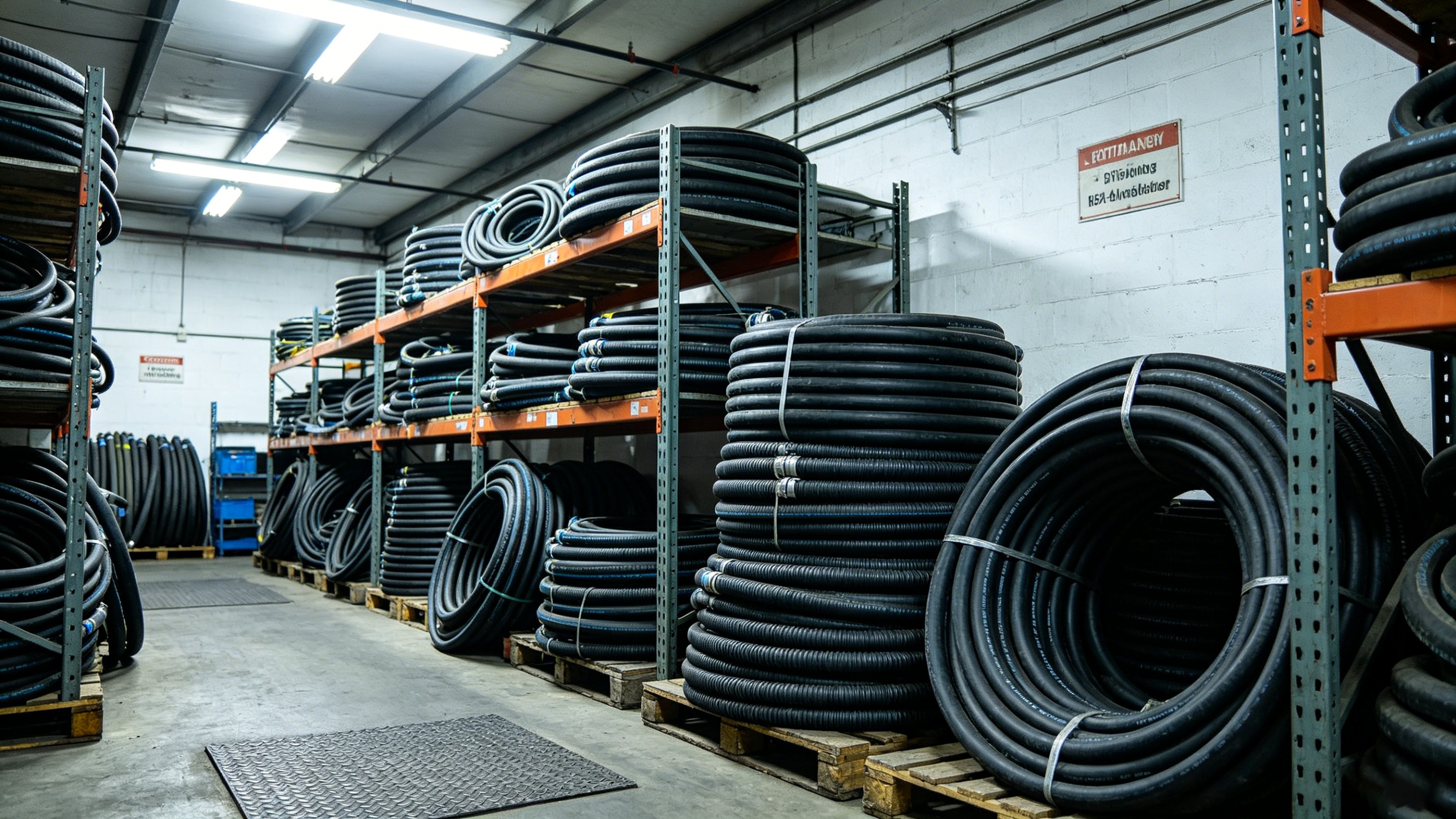
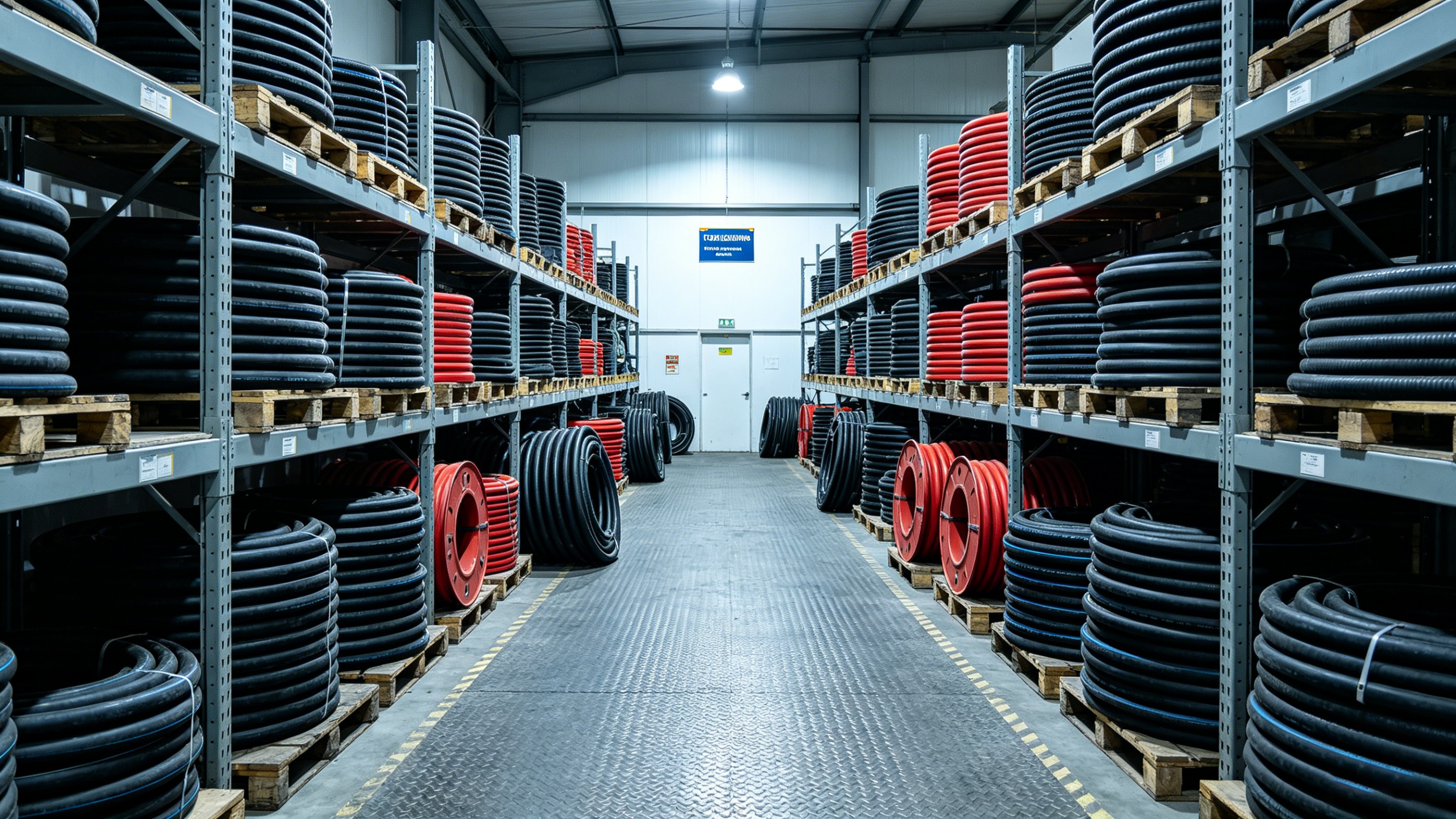
Store hoses coiled without sharp bends in a dry, shaded place;
Check connections and clamps periodically for tightness and wear.
8. Selection Checklist for Extraction Systems
Confirm airflow volume, velocity, and static pressure;
Determine required inner diameter and length;
Select hose type (wire duct, ribbed, or other);
Verify vacuum rating and crush resistance;
Check abrasion, temperature, and chemical compatibility;
Plan routing, support, and connections;
Establish cleaning and inspection routines.
9. Conclusion
Efficient dust extraction and ventilation depend on well-matched hoses. PU steel wire duct hoses and PU ribbed hoses offer the flexibility, crush resistance, and abrasion resistance needed for demanding extraction applications, provided that diameter, vacuum rating, routing, and maintenance are properly addressed. Our technical team can help you select the right hose for your extraction or ventilation system.
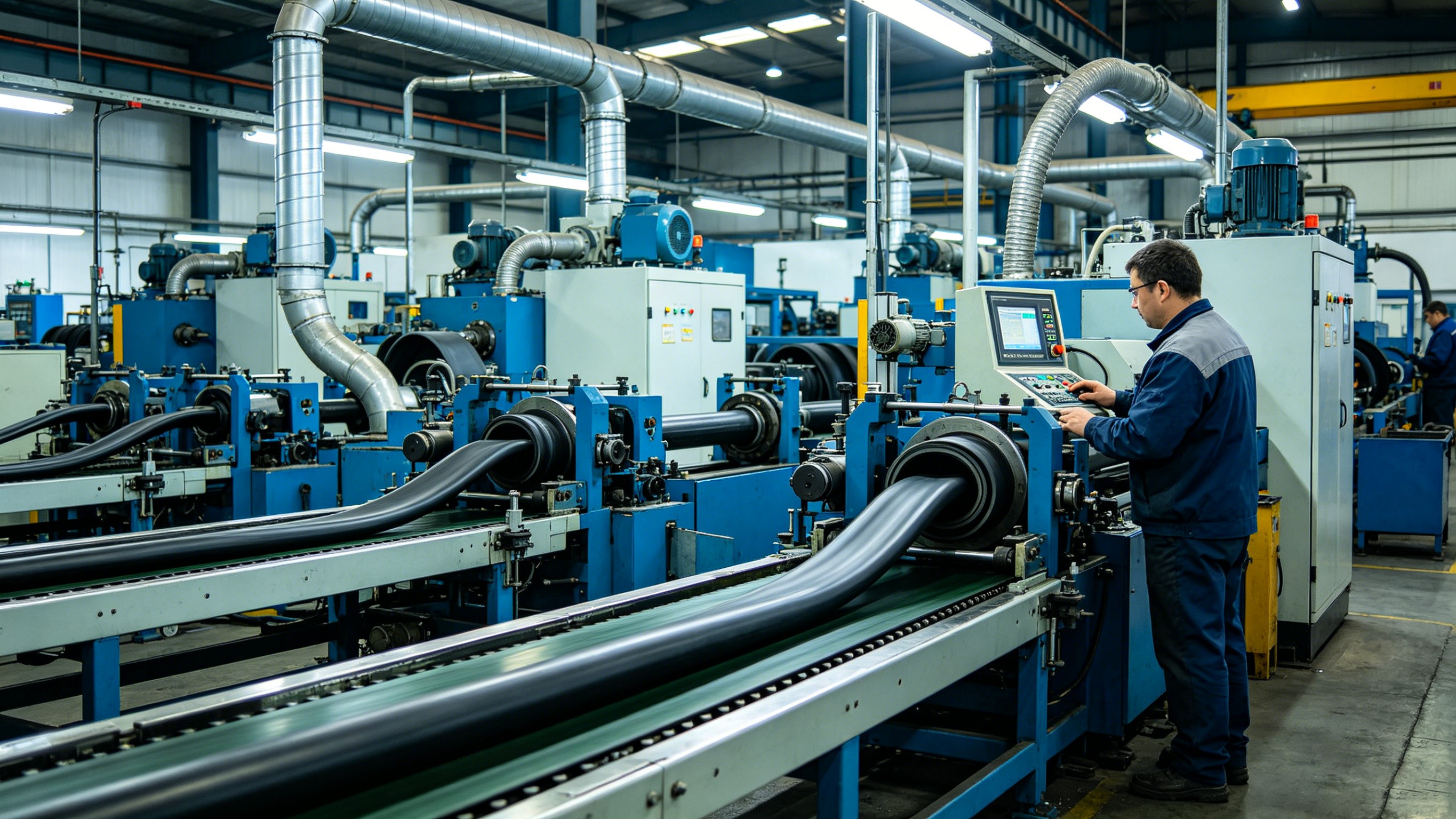
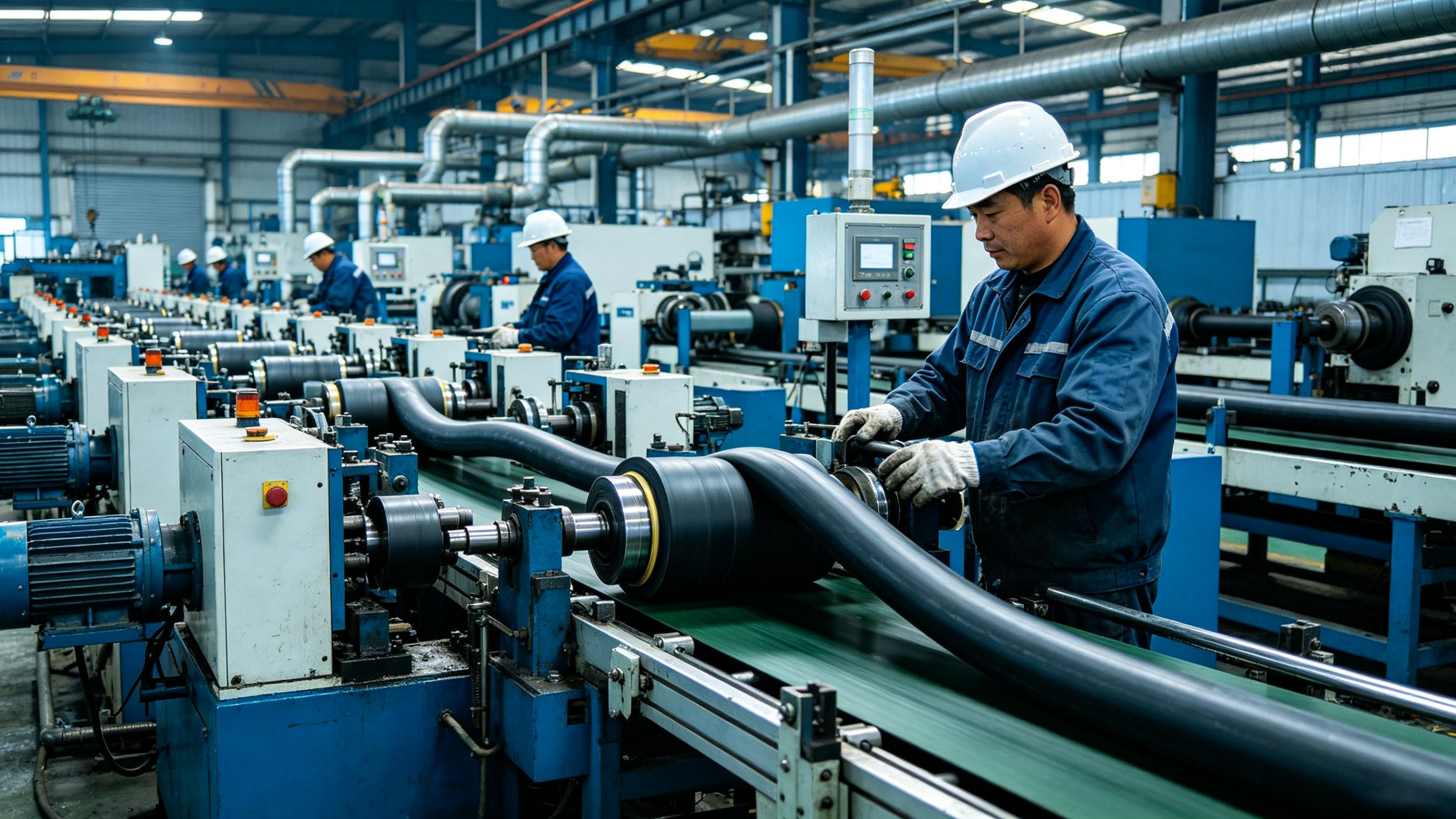
Our factory specializes in producing nylon resin high-pressure hoses, nylon resin pressure-testing hoses, PU polyurethane steel wire duct hoses, PU polyurethane ribbed hoses, ultra-high-pressure cleaning hoses, and TPV rubber hoses. We welcome your inquiries and cooperation.