TPV Rubber Hoses: Structure, Performance Advantages, and Selection Guide
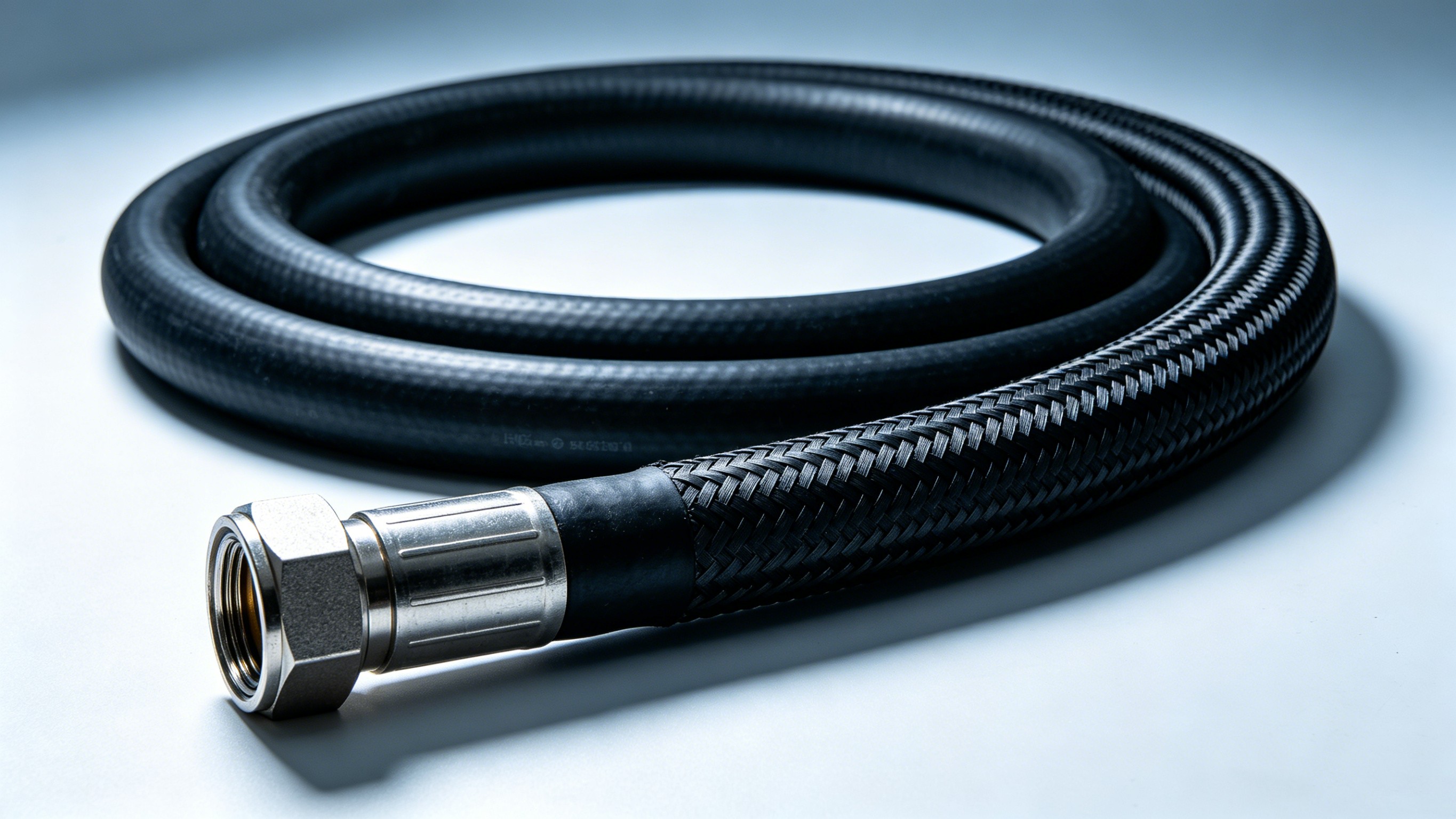
1. What Is a TPV Rubber Hose?
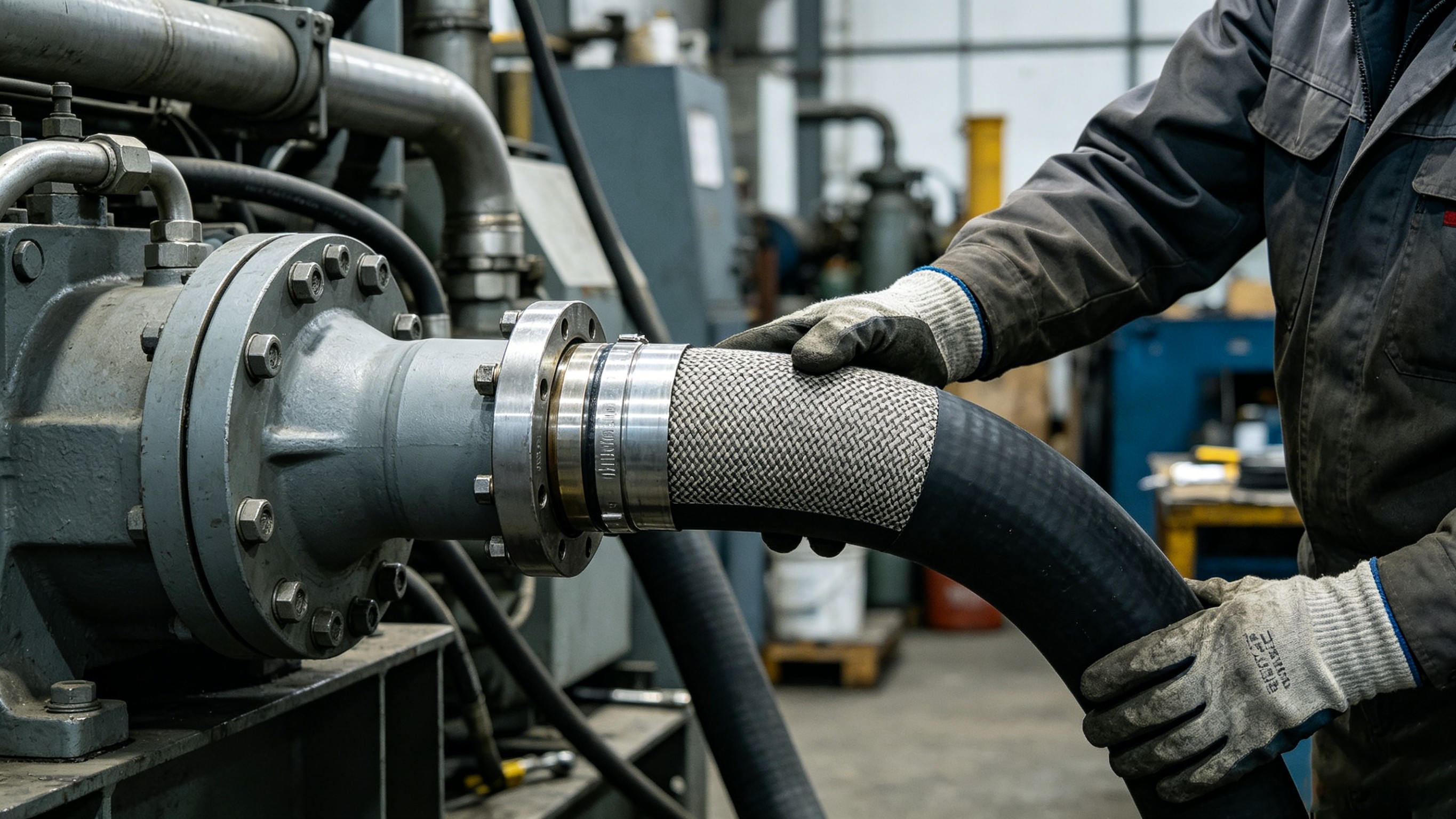
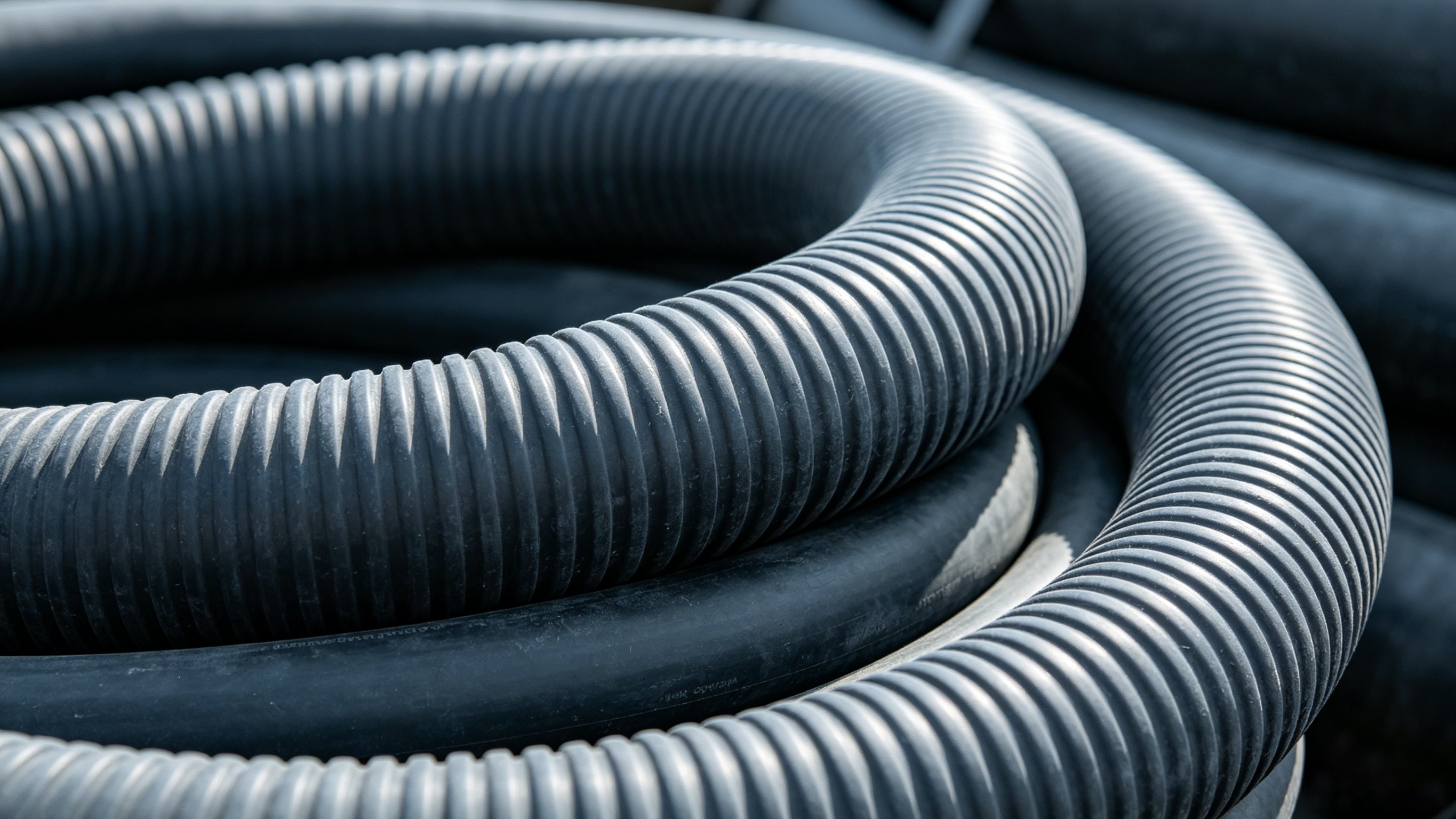
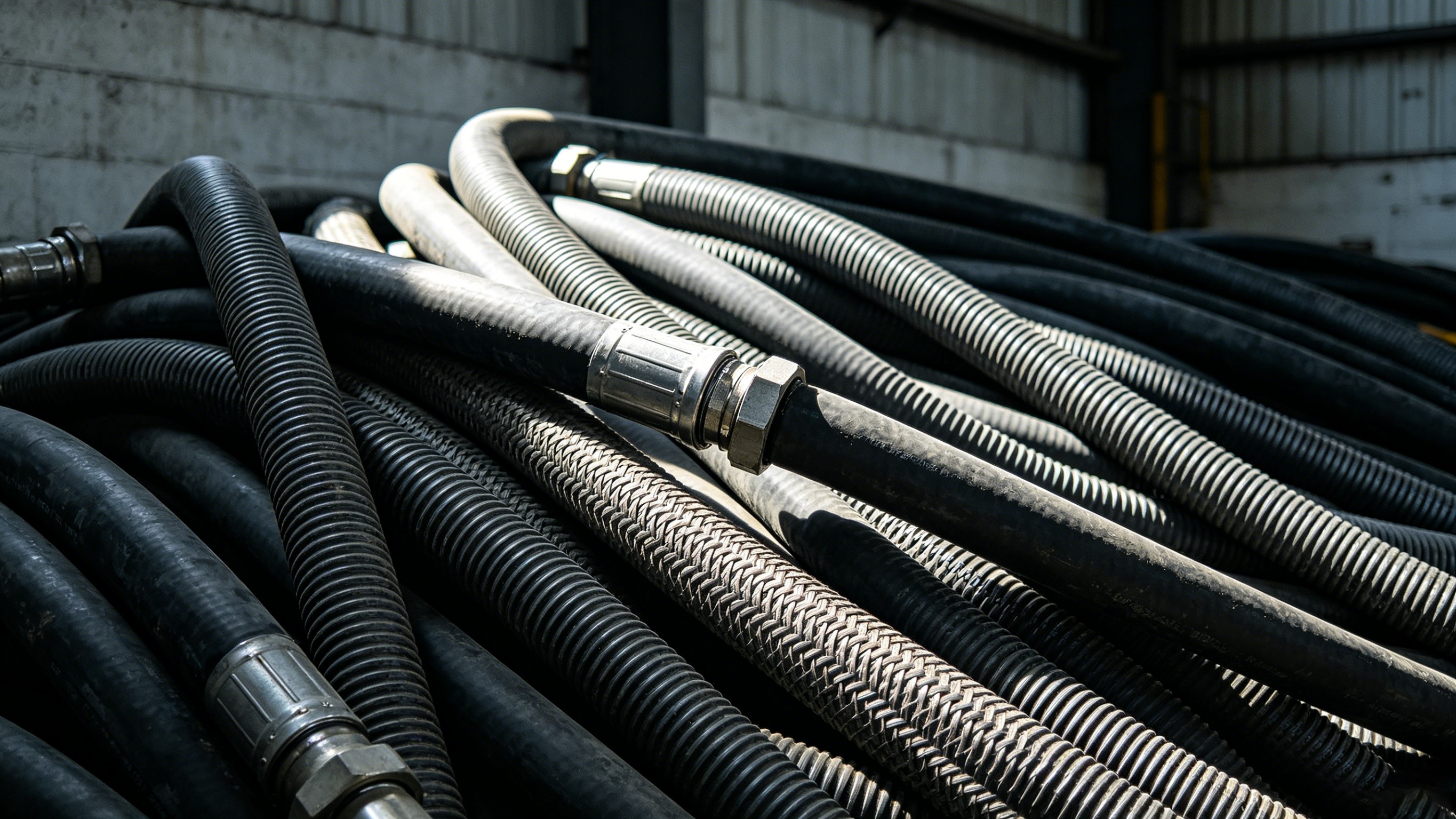
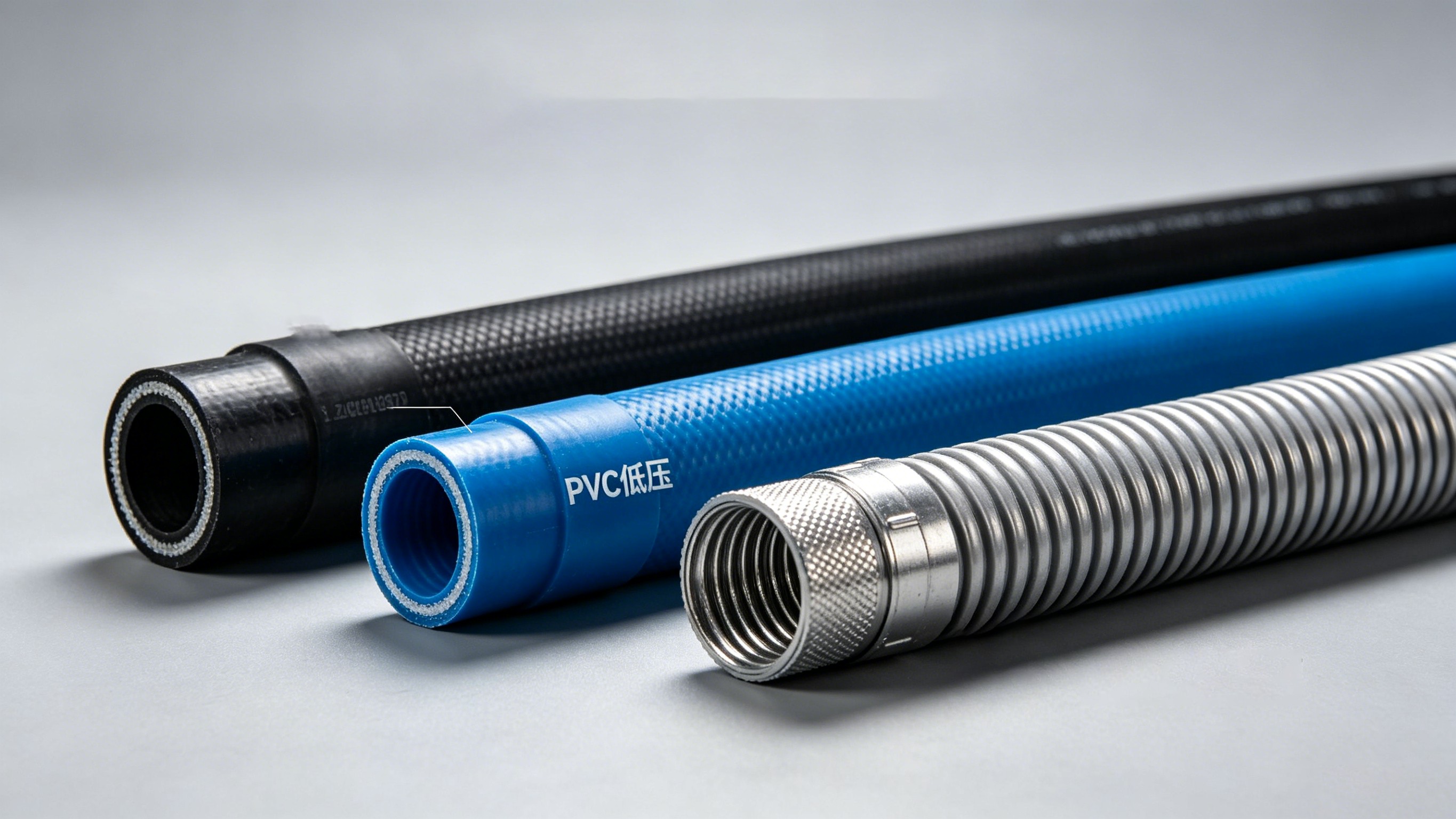
A TPV rubber hose is a flexible hose made from thermoplastic vulcanizate (TPV), a material that combines the elastic properties of vulcanized rubber with the processing advantages of thermoplastics. TPV hoses offer rubber-like flexibility and sealing performance while being lightweight, recyclable, and resistant to heat, aging, and many chemicals. They are widely used in automotive systems, industrial fluid handling, appliances, and general tubing applications.
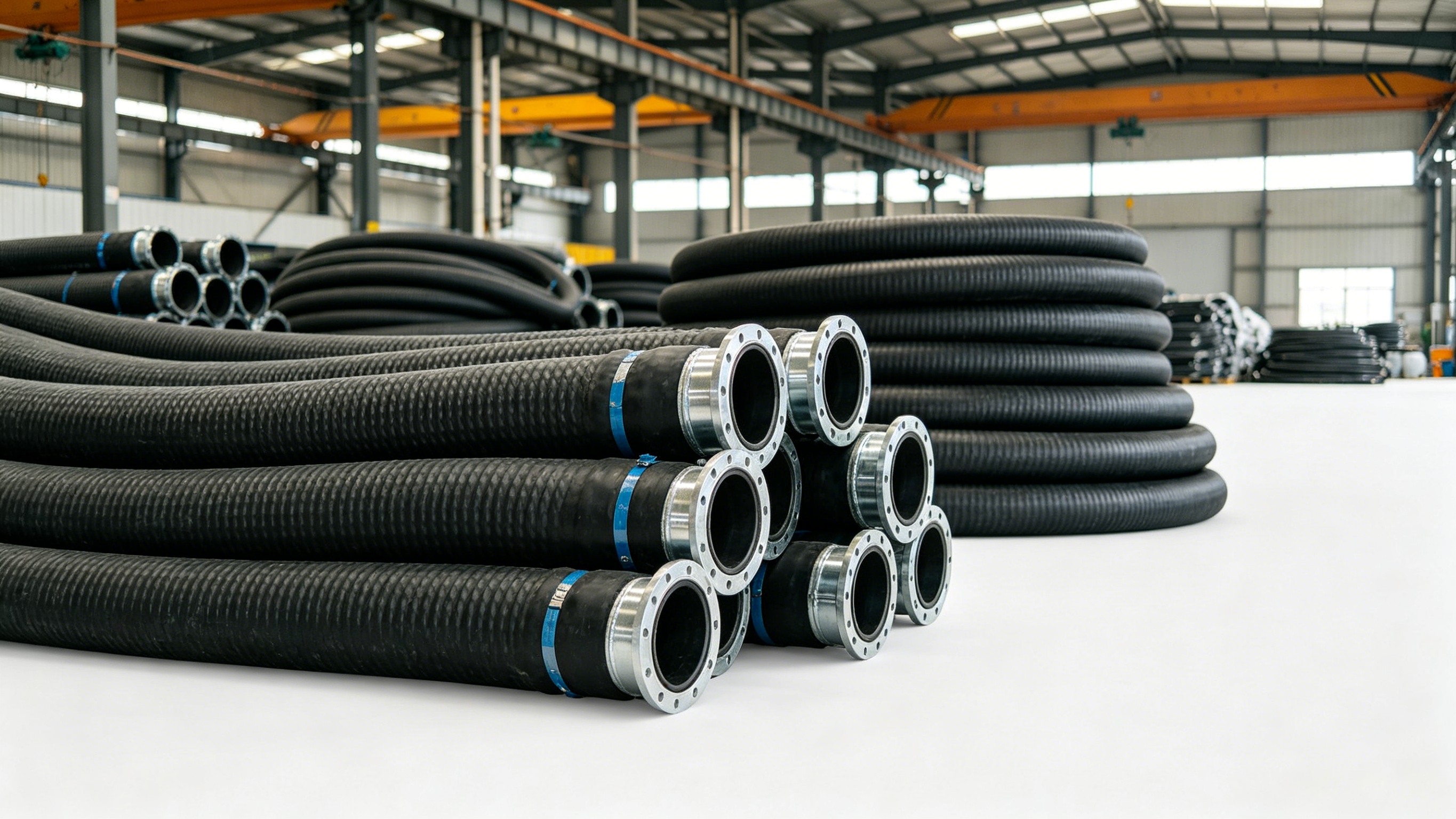
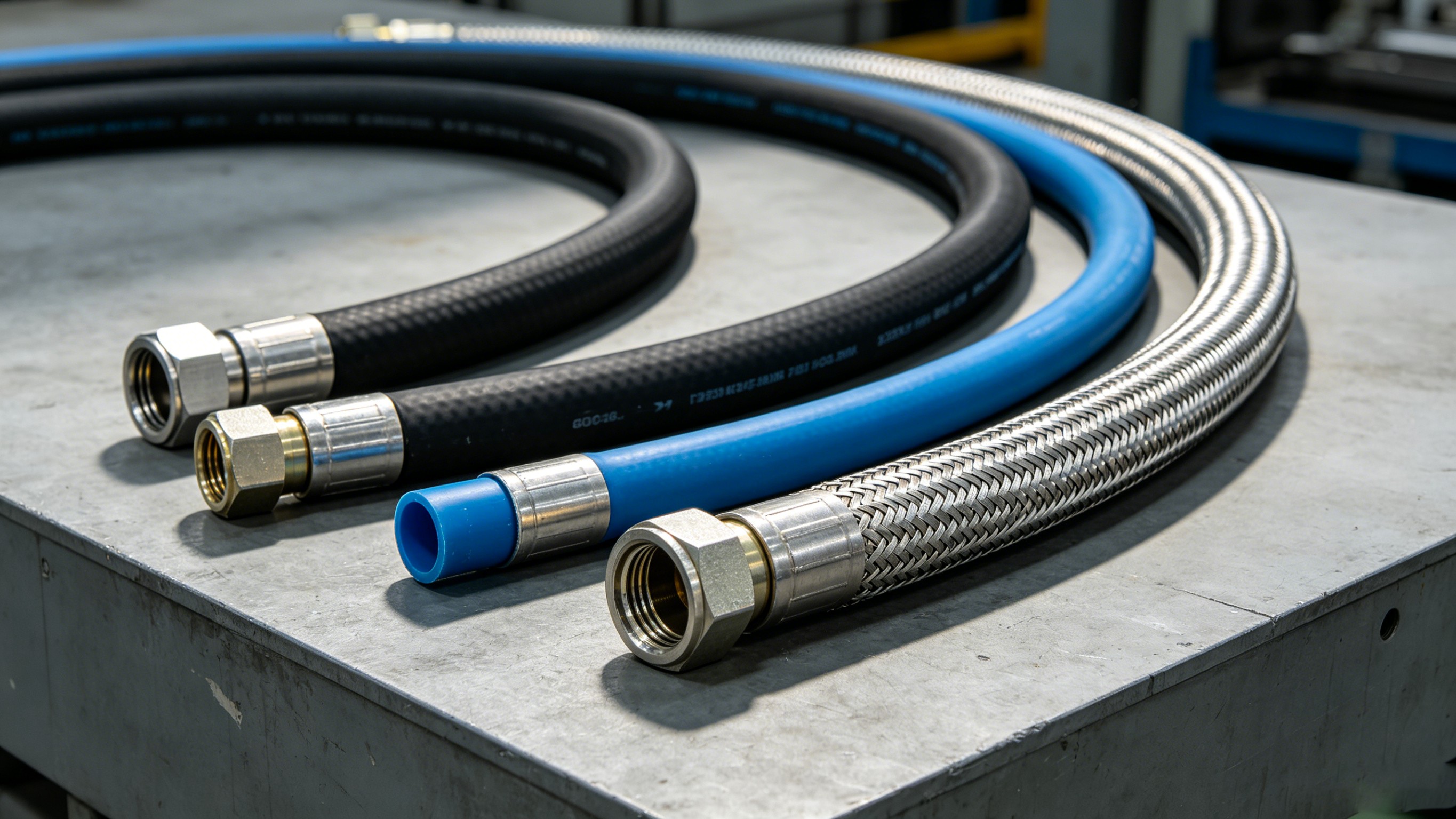
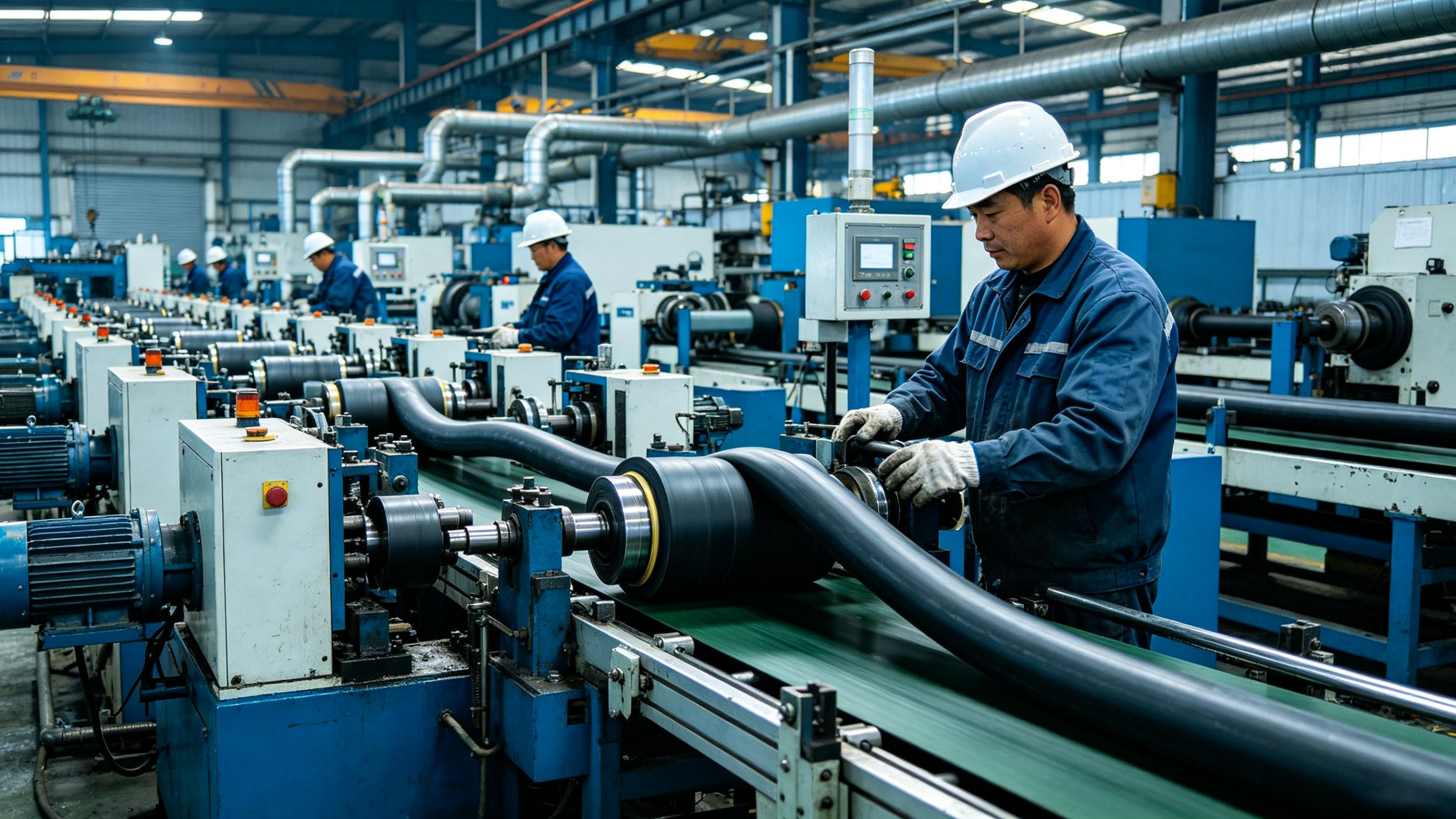
Our factory produces TPV rubber hoses in various diameters, wall thicknesses, and lengths, with options for different hardness grades and end configurations to suit specific temperature, media, and installation requirements.
2. Core Performance Advantages of TPV Rubber Hoses
Rubber-like flexibility and sealing performance: TPV combines the softness and elasticity of rubber with excellent sealing characteristics, making it suitable for connections that require a tight, reliable seal.
Good heat resistance: TPV hoses can withstand relatively high continuous operating temperatures, making them suitable for hot water, hot air, and under-hood automotive applications.
Excellent aging and weather resistance: TPV resists ozone, UV, and weathering better than many traditional rubbers, extending service life in outdoor and demanding environments.
Good chemical resistance: TPV hoses resist many oils, coolants, acids, and bases, making them suitable for a wide range of fluid handling applications.
Lightweight and flexible: TPV hoses are lighter than many rubber hoses and remain flexible at low temperatures, improving handling and installation.
Recyclable and environmentally friendly: As a thermoplastic material, TPV can be recycled, offering environmental advantages over thermoset rubber.
3. Typical Application Scenarios
Automotive: Coolant lines, air intake, windshield washer, and under-hood fluid handling;
Industrial fluid handling: Transfer of water, coolants, mild chemicals, and air;
Appliances: Washing machine, dishwasher, and HVAC tubing;
Building and plumbing: Hot and cold water connections and flexible couplings;
General tubing: Protective sleeving, cable protection, and low-pressure fluid lines.
4. Selection Tips: How to Choose the Right TPV Rubber Hose
Confirm the temperature range: Verify the hose's continuous and peak temperature limits against your application, especially for hot water and under-hood use.
Check media compatibility: Confirm that TPV is compatible with the fluids or gases being conveyed, including oils, coolants, and cleaning agents.
Determine the pressure rating: Select a hose with a pressure rating suitable for your system, with an appropriate safety margin for pressure surges.
Choose the right hardness and wall thickness: Match the material hardness and wall thickness to the required flexibility, pressure resistance, and connection method.
Match fittings and clamps: Use compatible fittings and clamps to ensure a secure, leak-free connection, and avoid over-tightening that could damage the hose.
Consider the environment: For outdoor or chemically exposed applications, evaluate UV resistance and chemical compatibility.
5. Common Issues and Use/Maintenance Recommendations
Avoid sharp bends and kinks: Repeated kinking can weaken the hose wall; route with gentle curves and adequate support.
Use proper clamps and connectors: Ensure secure connections and avoid excessive clamping force that could deform the hose.
Inspect for wear and damage: Check for cracks, swelling, abrasion, and leakage; replace damaged sections promptly.
Respect temperature and pressure limits: Operating beyond rated limits can cause premature failure.
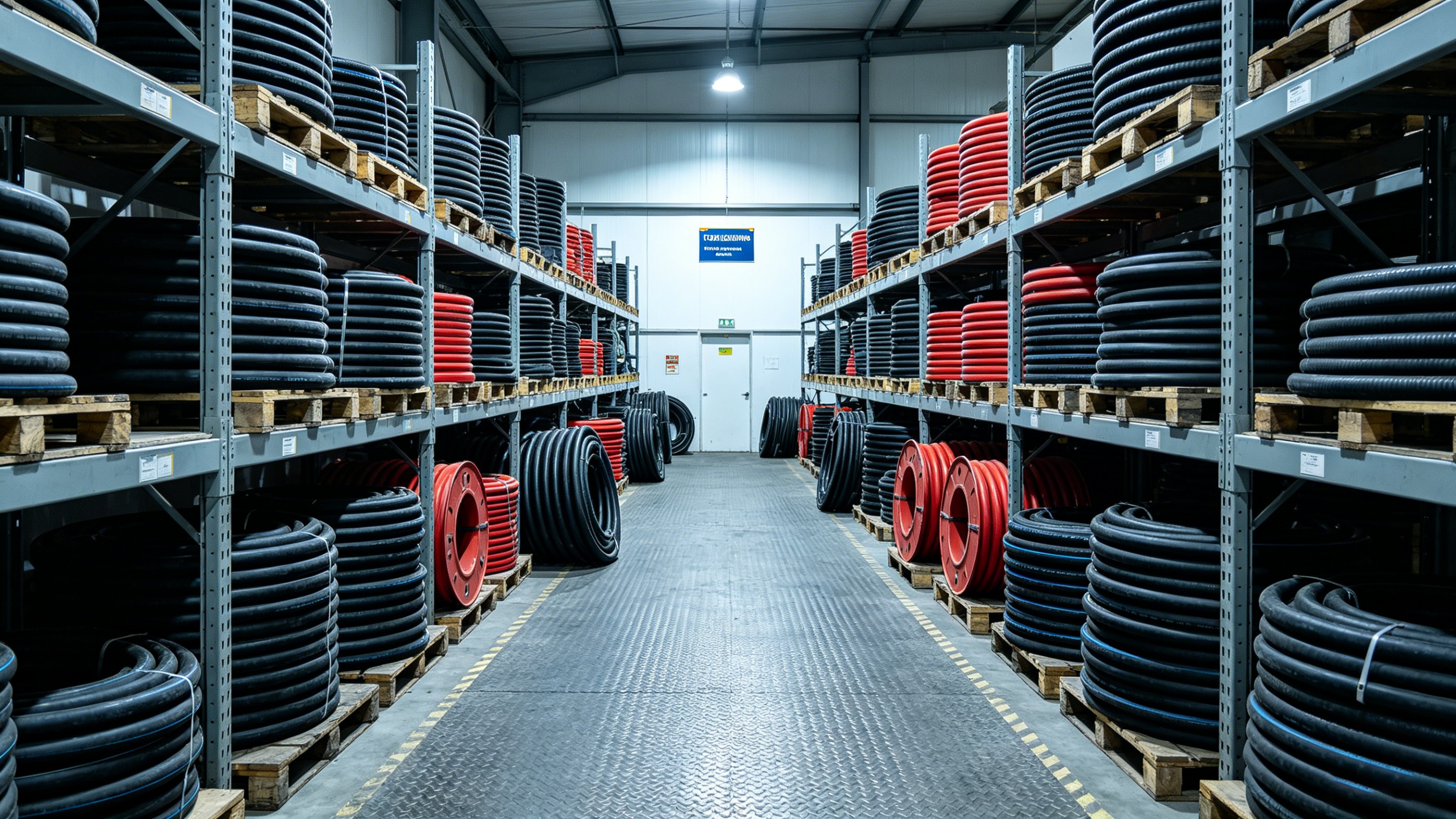
Proper storage: Coil without sharp bends, avoid prolonged sunlight and heat exposure, and store in a clean, dry place.
6. Conclusion
TPV rubber hoses combine rubber-like flexibility and sealing performance with good heat, aging, and chemical resistance, making them a versatile choice for automotive, industrial, and fluid handling applications. Selecting the right temperature rating, media compatibility, hardness, and connection method ensures reliable performance and long service life. Our technical team can help match the right TPV hose to your specific application.
Our factory specializes in producing nylon resin high-pressure hoses, nylon resin pressure-testing hoses, PU polyurethane steel wire duct hoses, PU polyurethane ribbed hoses, ultra-high-pressure cleaning hoses, and TPV rubber hoses. We welcome your inquiries and cooperation.