TPV Rubber Hoses for Fitness Equipment Applications
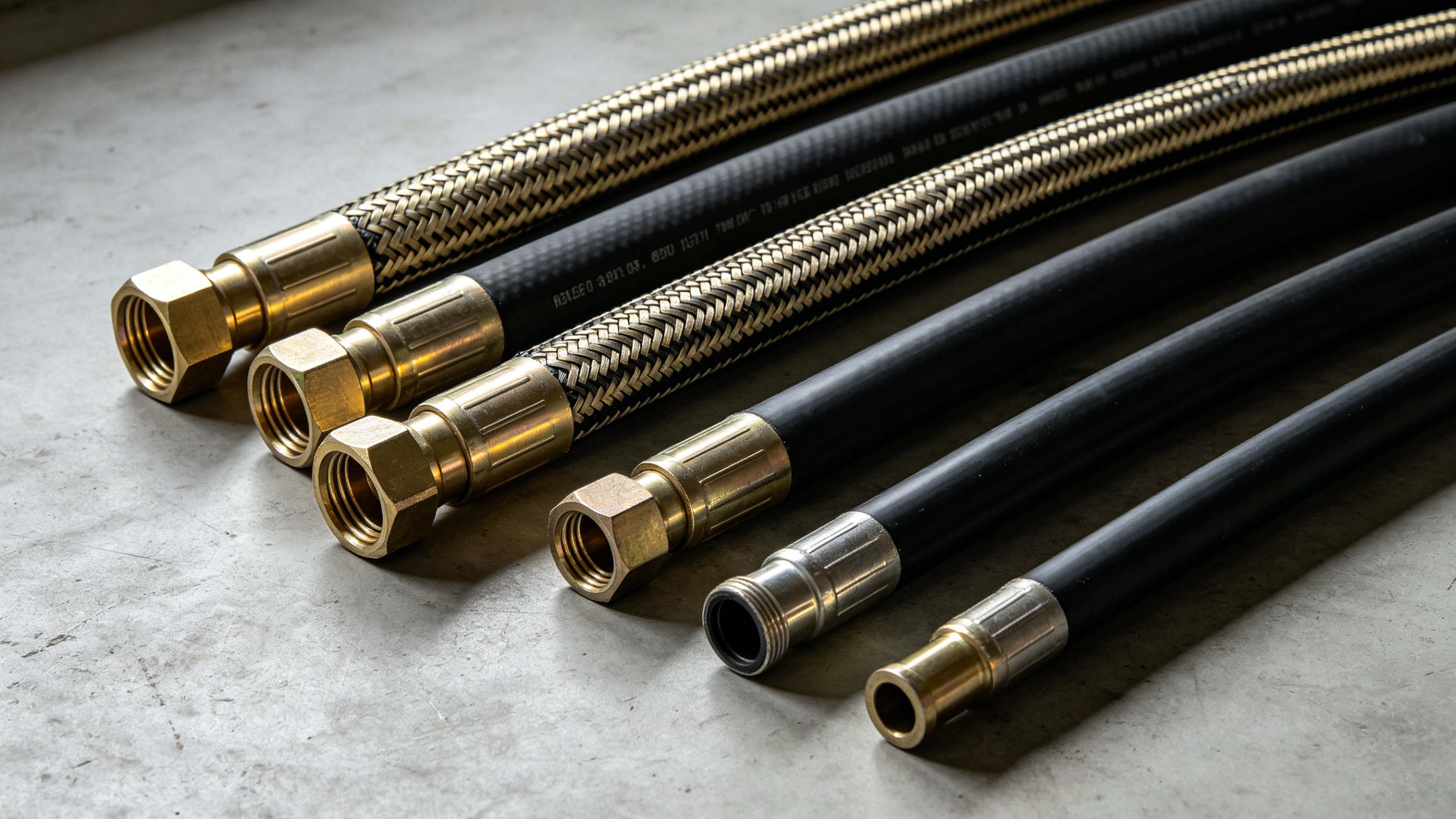
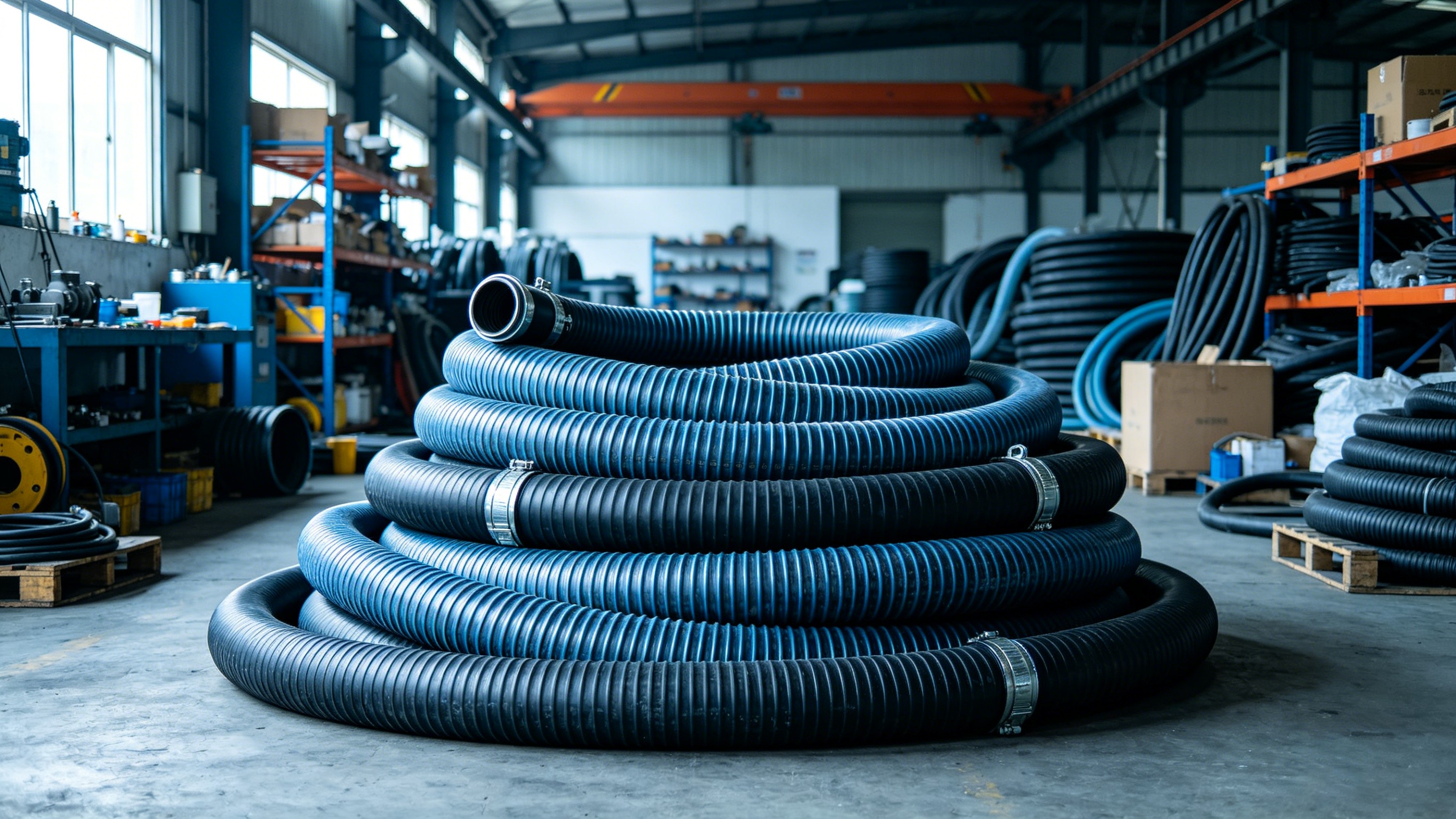
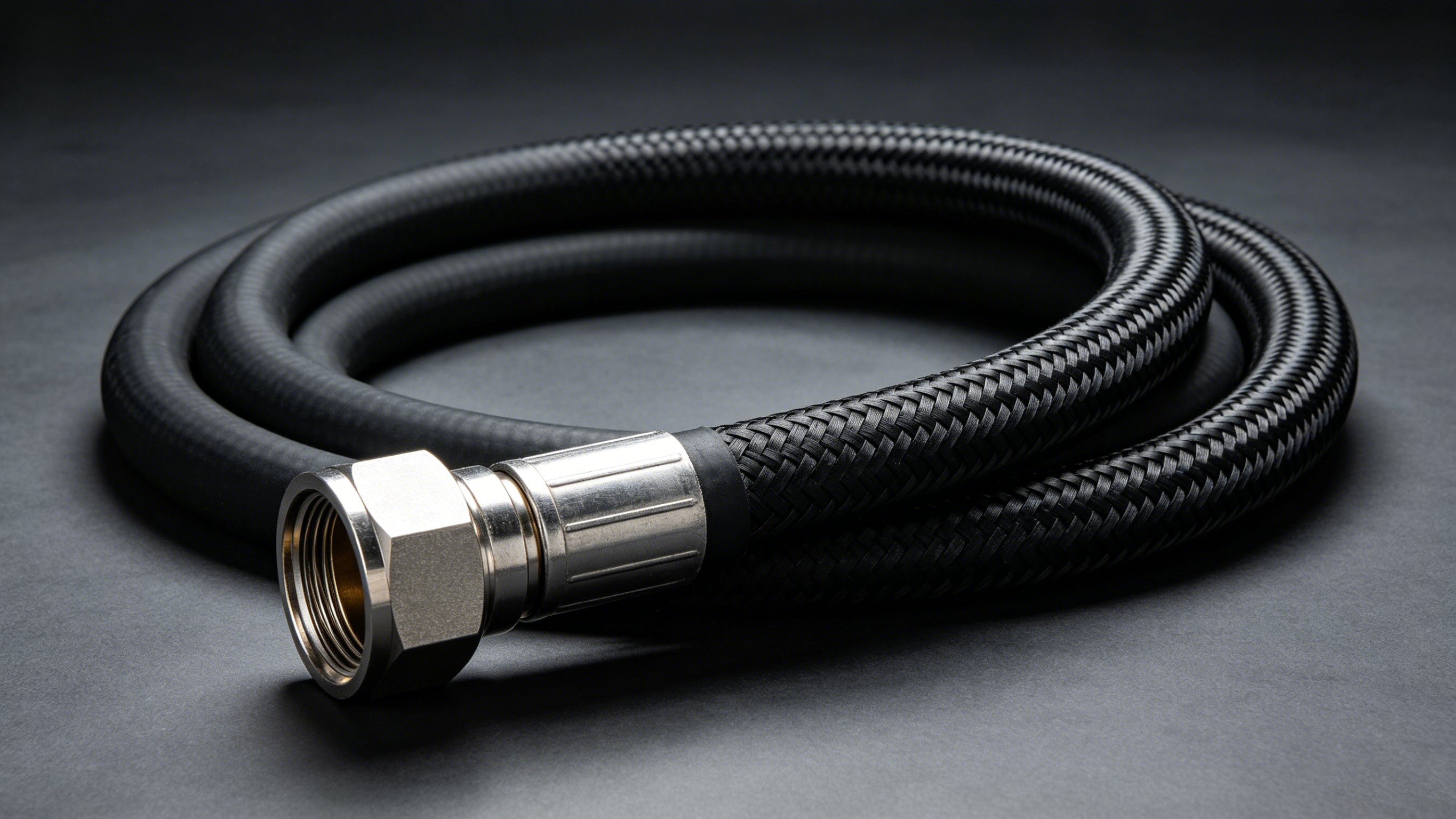
Fitness equipment often requires hoses for air lines, auxiliary tubing, cable protection, cushioning structures, or decorative components. Compared with some traditional rubber hoses, TPV rubber hoses offer good flexibility, weather resistance, and surface quality, making them suitable for indoor gyms, commercial fitness facilities, and certain outdoor fitness installations.
Good Flexibility for Easy Routing
Fitness equipment usually has compact internal structures. Hoses need to be routed between frames, covers, control panels, or pneumatic components. TPV rubber hoses are soft and easy to bend, with a small bending radius that helps them fit equipment layouts more naturally.
For positions that require frequent adjustment or extra movement allowance, TPV hoses reduce installation difficulties caused by rigid bending or pulling. They also help keep internal tubing neat and well organized.
Weather Resistance for Different Environments
Gym equipment is used frequently, and some machines may be installed in semi-open spaces or outdoor fitness areas. TPV materials offer good weather resistance and environmental adaptability, maintaining stable performance under temperature and humidity changes.
Compared with some traditional rubber materials, TPV hoses are less likely to become sticky or visibly aged on the surface. This makes them suitable for fitness applications where appearance and long-term surface quality matter.
Clean Surface Quality for Better Product Detail
Fitness equipment is not only judged by function but also by appearance and touch. TPV rubber hoses have a fine surface texture and stable color performance, helping them blend with equipment shells, handles, guards, or decorative parts.
In treadmills, ellipticals, strength training machines, and rehabilitation equipment, TPV hoses can be used for visual connections, cable protection, auxiliary air lines, or local cushioning. This helps improve the overall detail quality of the equipment.
Typical Application Scenarios
Cardio fitness equipment: Cable protection or auxiliary tubing for treadmills, ellipticals, and rowing machines.
Strength training machines: Pneumatic辅助 systems, cushioning connections, or internal soft joints.
Rehabilitation equipment: Tubing or protective structures that require a soft touch and safe contact.
Outdoor fitness facilities: Auxiliary connections or protective parts with higher weather resistance requirements.
Equipment decoration and protection: Handle covering, wire harness protection, edge cushioning, or decorative connectors.
Selection Tips
Define the hose function, such as air line connection, cable protection, cushioning, or decoration.
Confirm installation space, bending radius, and whether frequent movement is required.
Evaluate weather resistance, temperature resistance, and surface feel based on the operating environment.
Match hose inner diameter, outer diameter, and wall thickness with equipment interfaces.
Check whether hose color and surface texture match the overall equipment design.
Confirm any special requirements such as pressure bearing, oil resistance, or chemical resistance.
Maintenance Recommendations
TPV rubber hoses are easy to maintain. Regularly check for visible indentations, cracks, deformation, or loose connections. Avoid long-term contact with sharp objects, strong solvents, or high-temperature heat sources to extend service life. For fitness equipment, keeping hoses clean and dry also helps maintain a good appearance and user experience.
Conclusion
TPV rubber hoses offer flexibility, weather resistance, and good surface quality, making them well suited for routing, connection, protection, and decoration in fitness equipment. By selecting the right hose based on equipment structure, installation environment, and usage frequency, fitness equipment manufacturers can improve product details and provide more reliable hose solutions for long-term operation.