PU Polyurethane Hoses for Woodworking Dust Collection
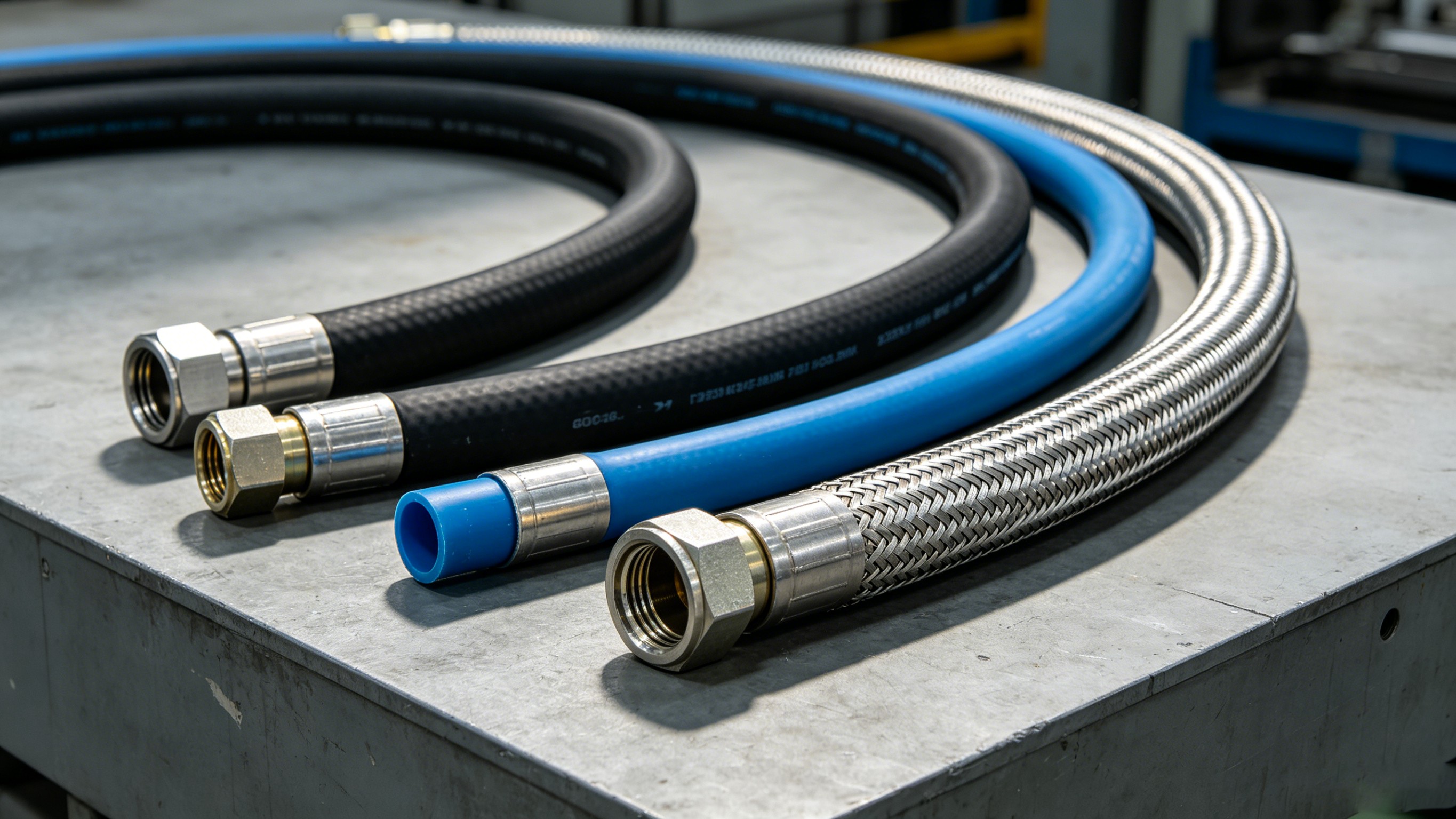
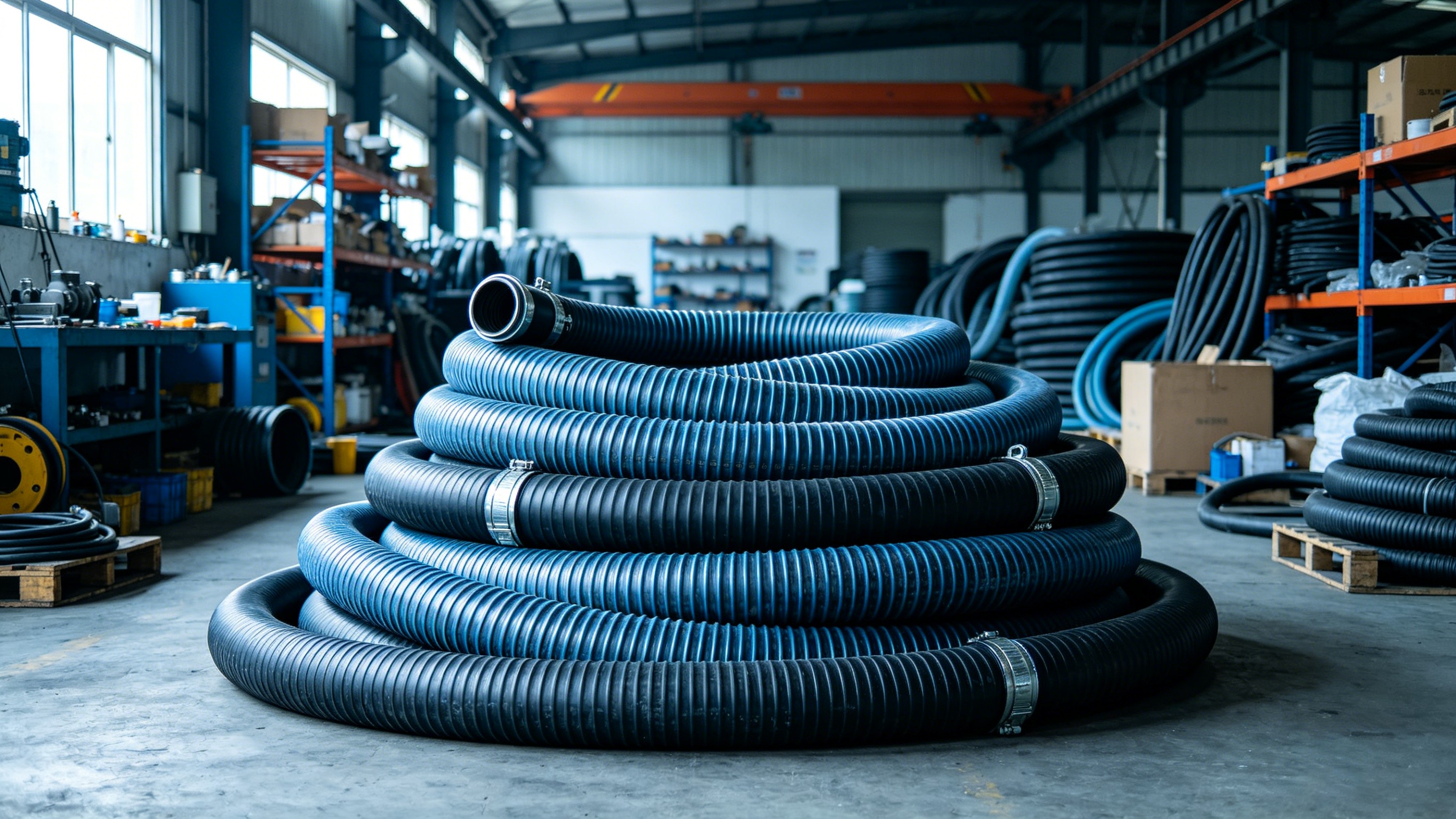
Woodworking machinery generates large amounts of dust and wood chips during cutting, sanding, drilling, and milling. An efficient dust collection system helps keep workshops cleaner, protects equipment, improves air quality, and reduces blockage or safety risks. PU polyurethane steel wire hoses are widely used in these systems because they combine abrasion resistance, flexibility, and smooth material flow.
Why PU Hoses Fit Woodworking Dust Collection
Wood dust and chips can be abrasive, especially when processing hardwoods, panels, or mixed residues. The hose inner wall is exposed to continuous particle friction. PU polyurethane materials offer strong abrasion resistance, making them suitable for long-term dust and chip transfer.
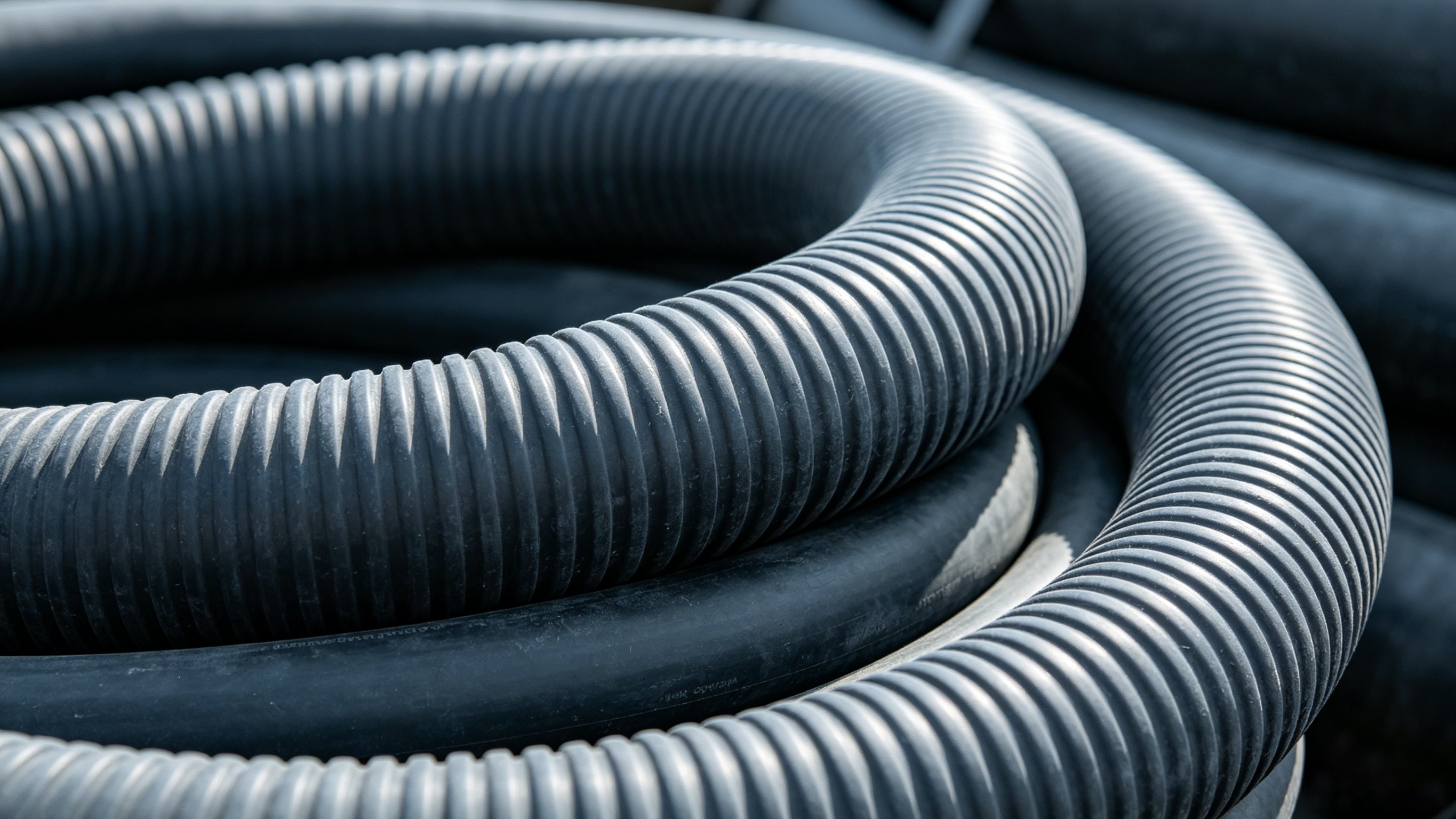
The embedded steel wire structure helps the hose maintain its shape under negative pressure. It reduces collapse risk during suction and allows the hose to bend without blocking the airflow path.
Smooth Inner Wall Supports Stable Suction
A smooth inner surface reduces friction between dust particles and the hose wall. This helps maintain stable airflow and lowers the chance of material buildup inside the hose.
In woodworking dust collection systems, blockages often occur at bends or rough inner surfaces. PU polyurethane steel wire hoses with a smooth inner wall can help reduce these issues and support more consistent suction performance.
Flexible Routing for Complex Workshop Layouts
Woodworking workshops usually include saws, sanders, edge banders, routers, and CNC machining centers. Dust collection hoses need to connect these machines to central collectors or mobile suction units.
PU polyurethane steel wire hoses are flexible and easy to route. They can adapt to limited installation spaces and allow operators to adjust suction positions when needed. For portable suction arms or temporary connections, this flexibility is especially useful.
Typical Application Scenarios
Sawing and cutting stations: Collecting sawdust and wood chips from circular saws, band saws, and panel saws.
Sanding and grinding areas: Removing fine dust generated during surface processing.
CNC machining centers: Supporting dust extraction during milling, drilling, and routing.
Workshop central dust collection: Connecting branch pipes to main dust collection lines.
Mobile suction units: Providing flexible hoses for equipment that changes working positions.
Selection Tips for Woodworking Dust Collection
Choose appropriate wall thickness based on particle size and abrasion level.
Confirm hose diameter matches the machine outlet and dust collector inlet.
Check whether the hose needs to handle fine dust, wood chips, or mixed materials.
Consider bending frequency and whether the hose will be moved regularly.
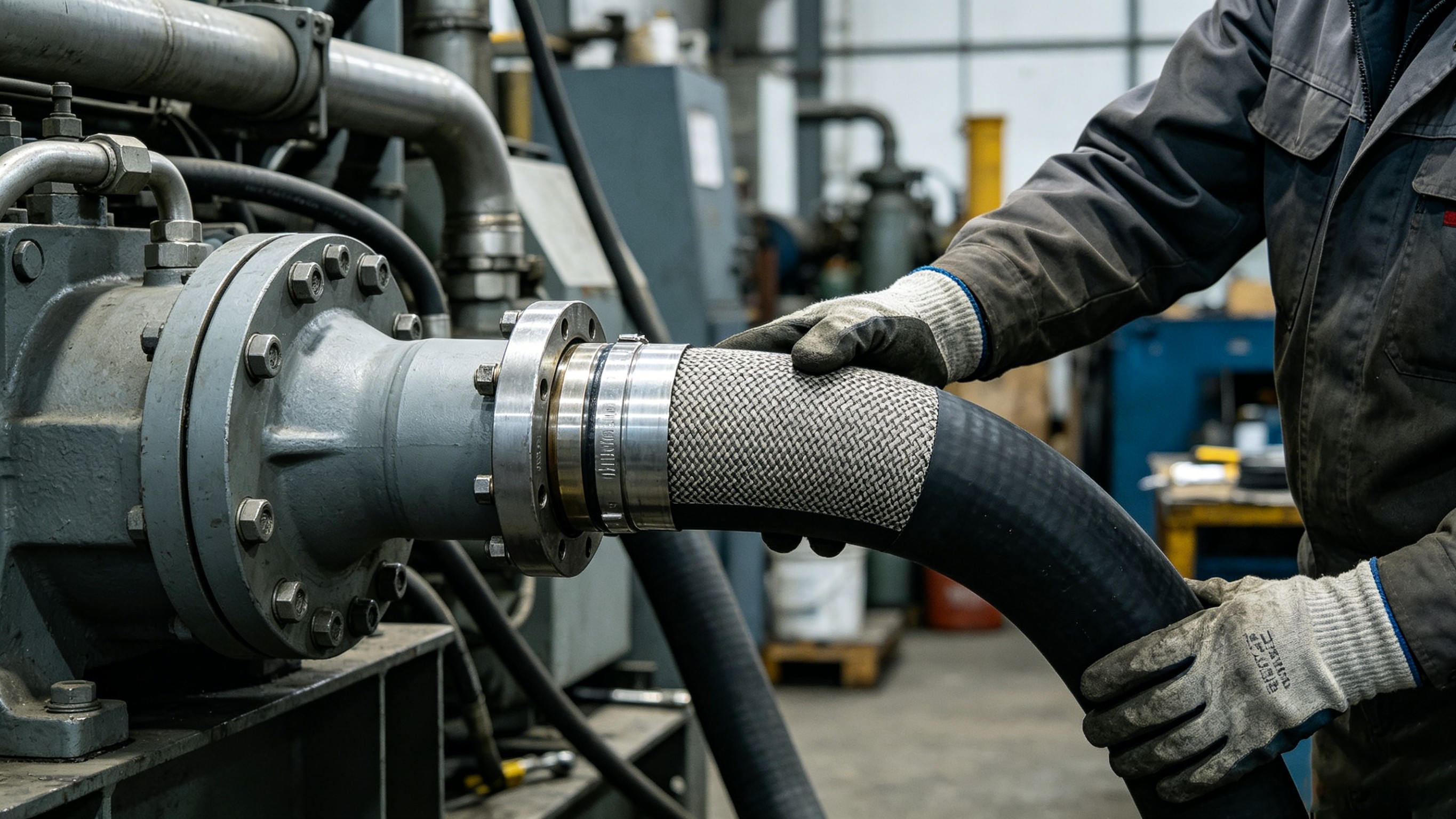
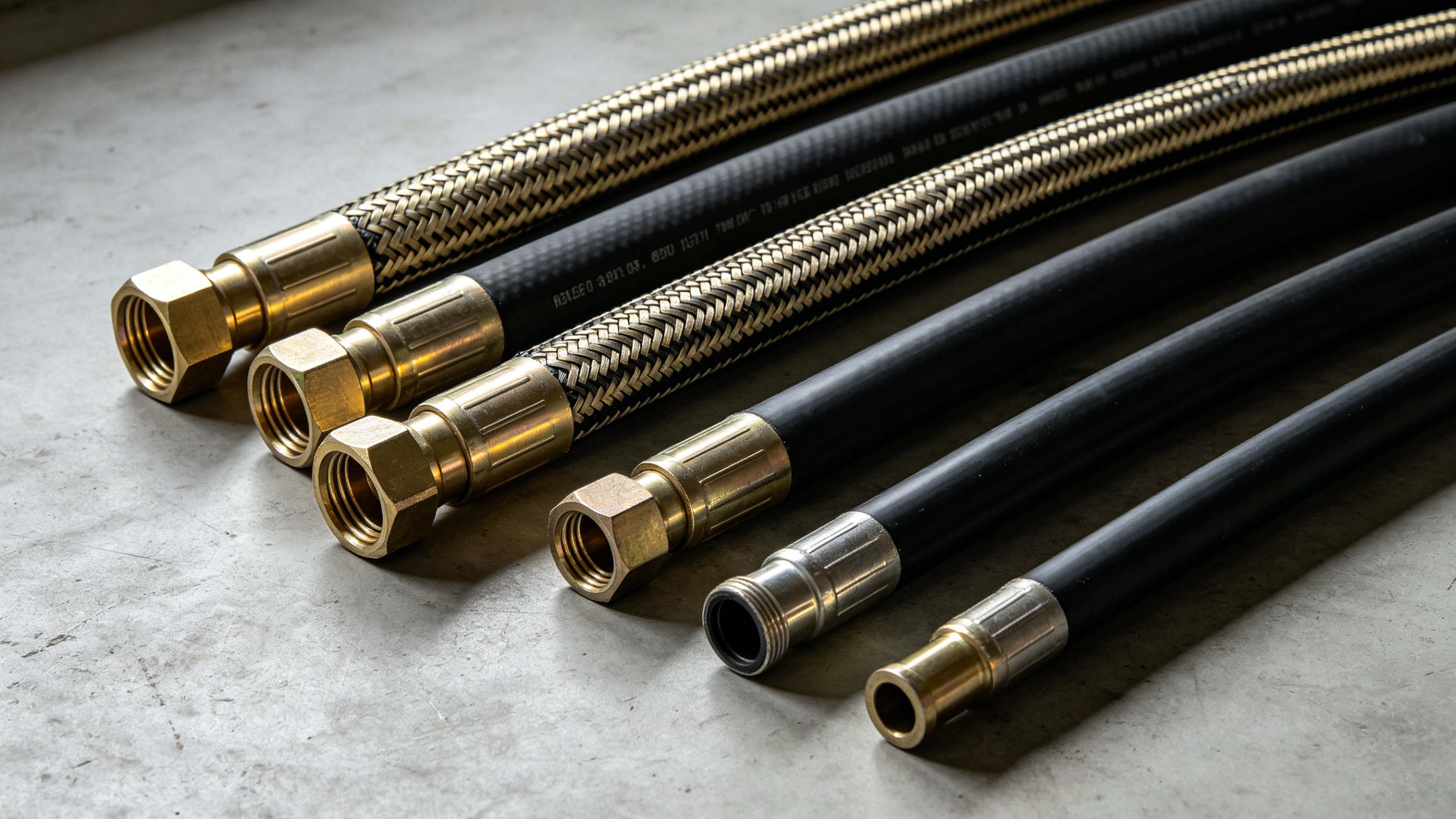
Ensure fittings, clamps, and flanges match the existing dust collection system.
Verify temperature and static discharge requirements for the workshop environment.
Maintenance Recommendations
Regular inspection helps keep the dust collection system stable. Check the hose for wear, especially at bends and connection points. Clean accumulated dust inside the hose when necessary, and avoid sharp objects or heavy compression during use. If the outer layer is damaged or the steel wire structure is deformed, the hose should be replaced promptly to avoid airflow loss or blockage.
Conclusion
PU polyurethane steel wire hoses are a practical solution for woodworking dust collection. Their abrasion resistance, smooth inner wall, and flexible structure help improve suction efficiency and simplify installation. When matched with the right diameter, wall thickness, and fittings, they can support more stable and efficient dust removal in woodworking workshops.