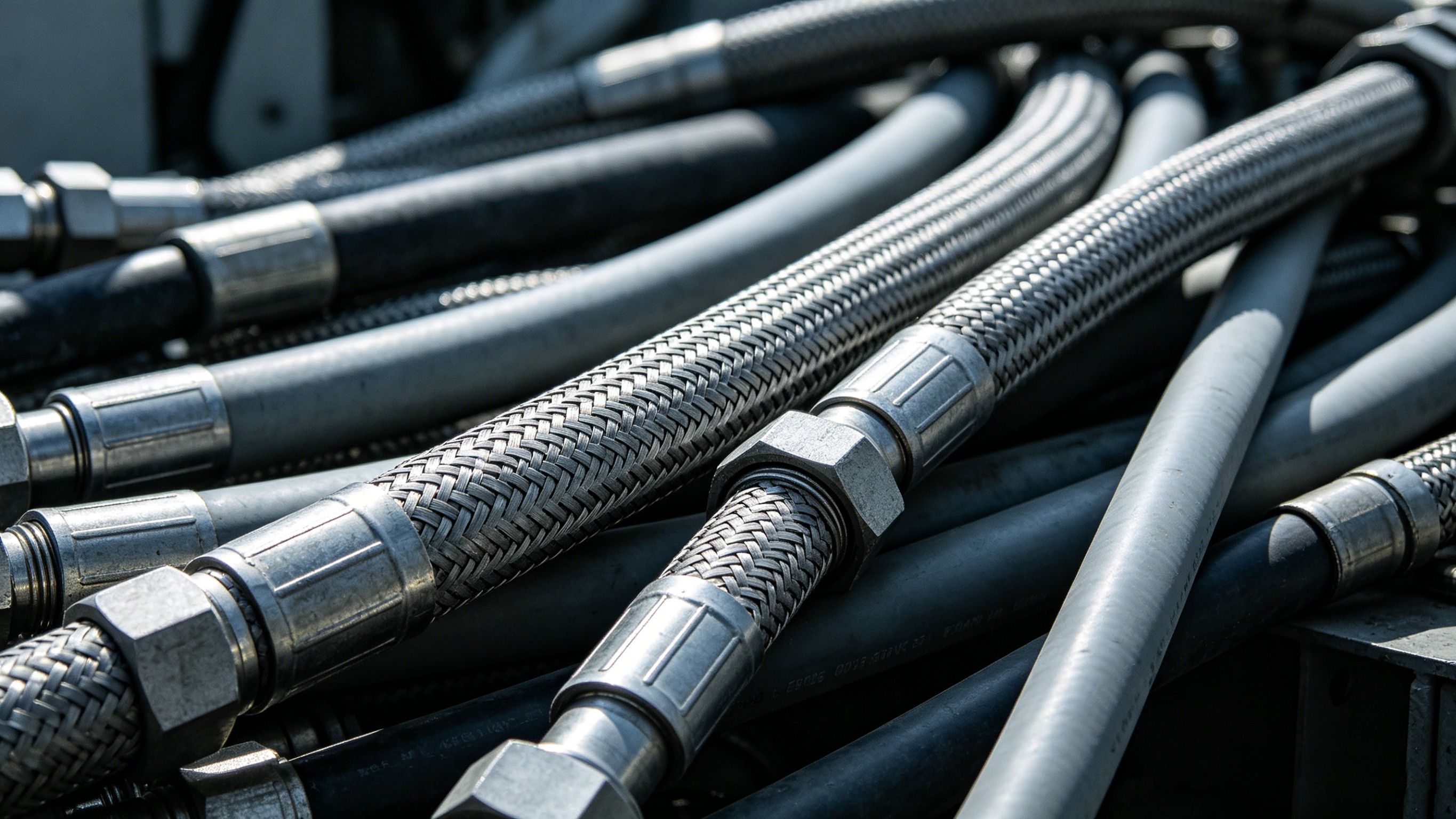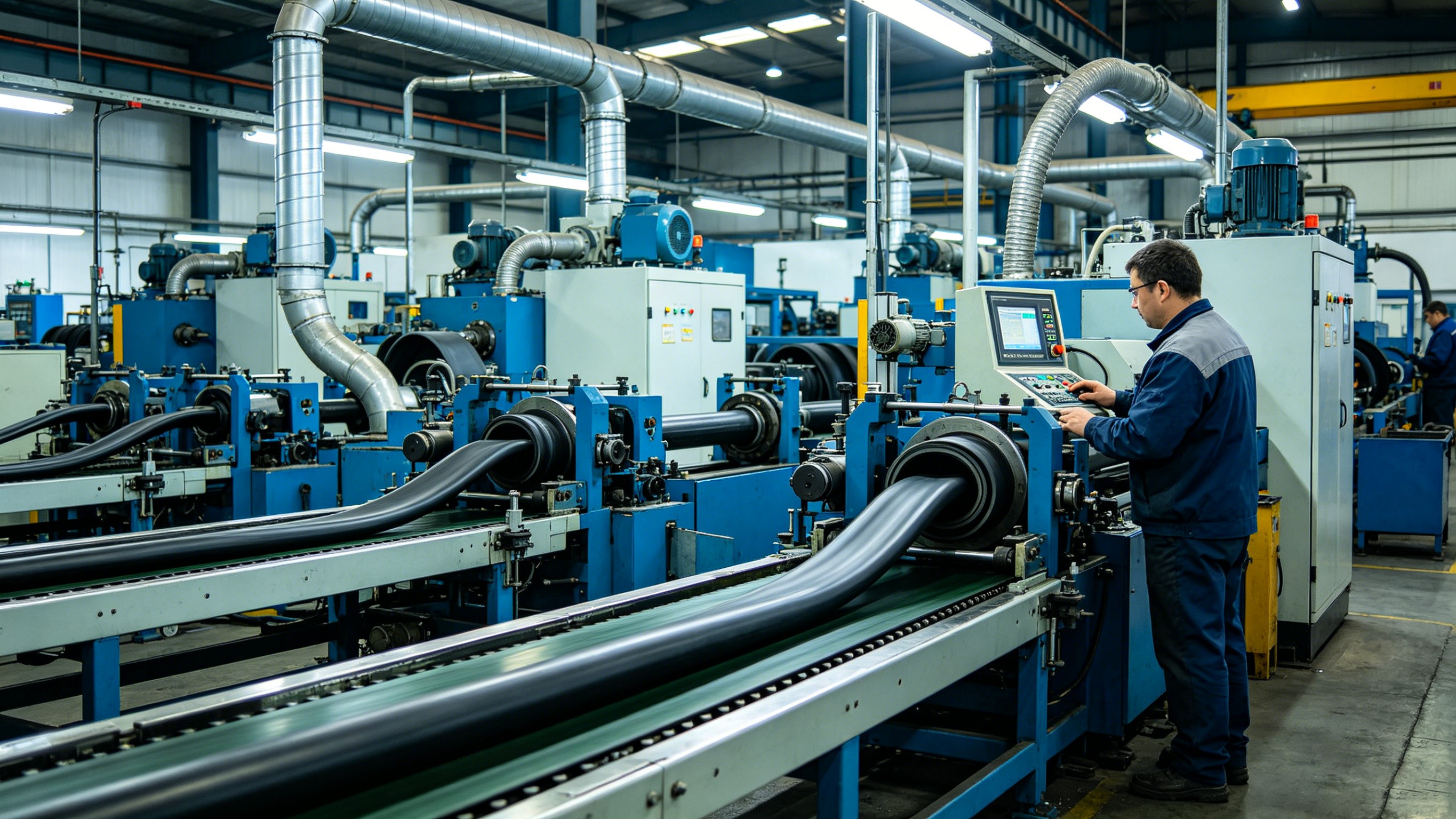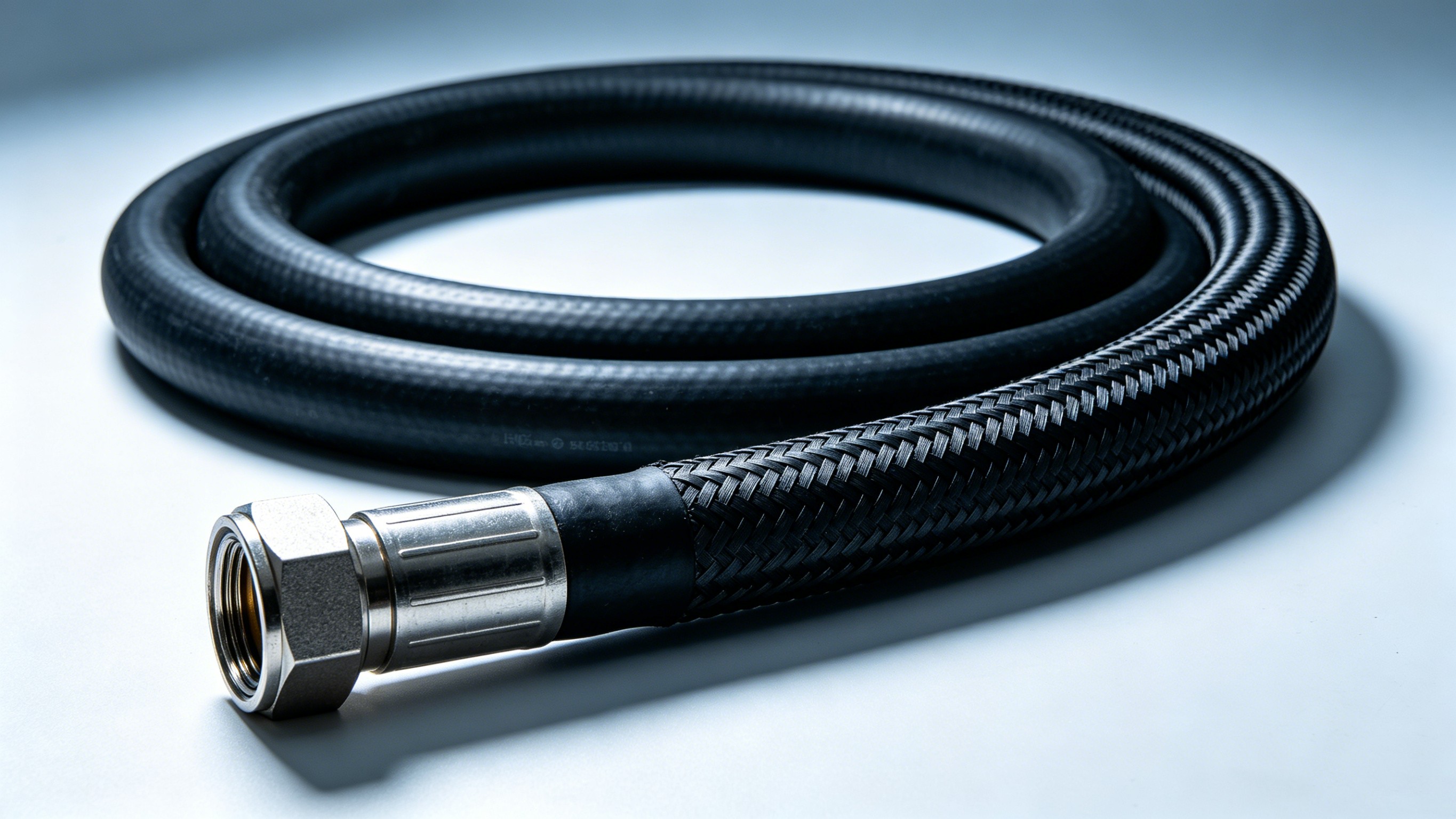
TPV Rubber Hose: Structure, Performance Advantages and Selection Guide
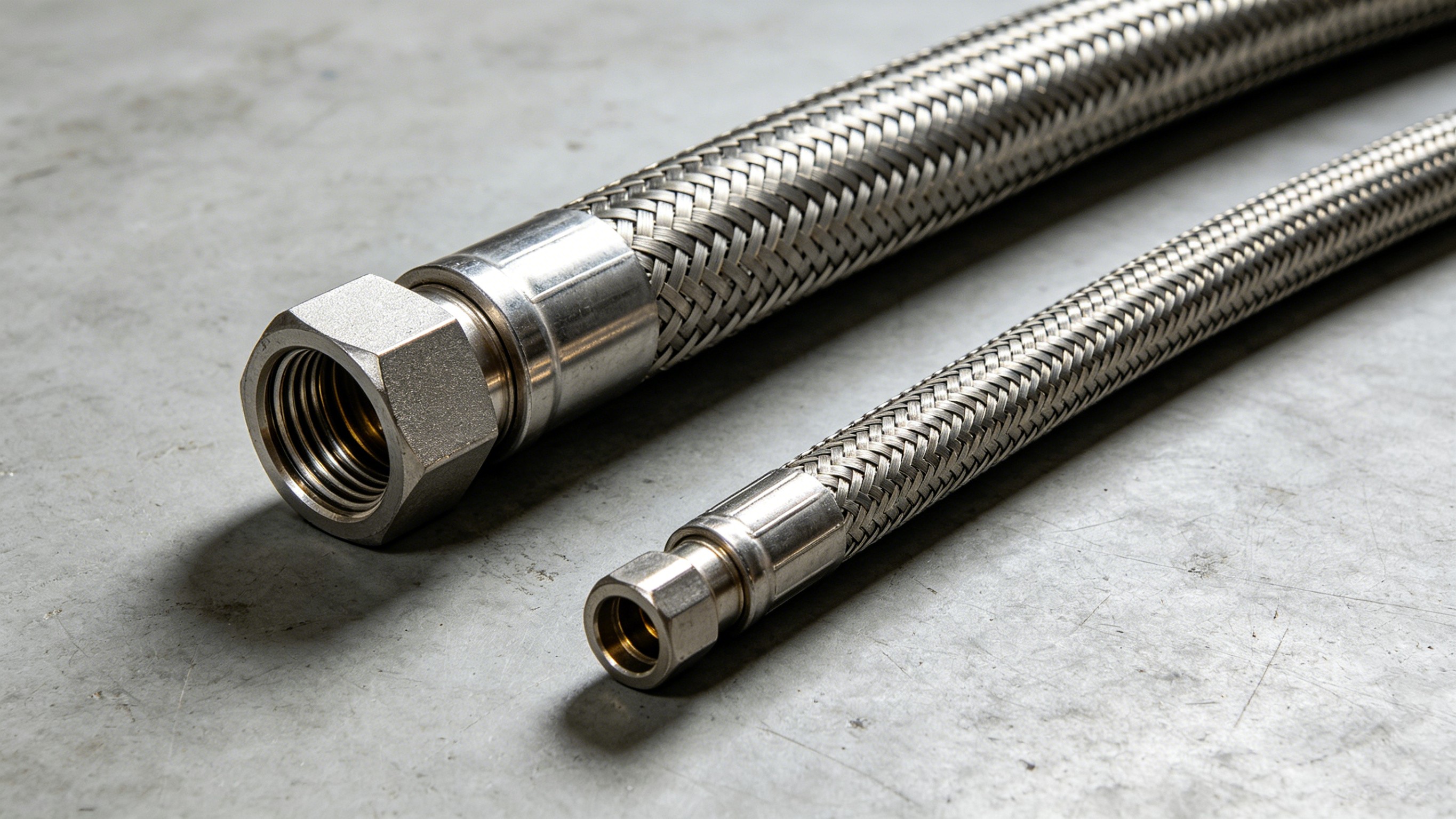
TPV (thermoplastic vulcanizate) rubber hoses are increasingly used in automotive, industrial and fluid handling applications as a high-performance alternative to traditional rubber hoses. Combining the elasticity of rubber with the processing advantages of thermoplastics, TPV hoses offer excellent flexibility, heat resistance and long-term reliability. As a professional hose manufacturer, we explain below the structure, performance advantages and selection points of TPV rubber hoses.
What Is a TPV Rubber Hose?
A TPV rubber hose is a flexible hose made from thermoplastic vulcanizate, a material composed of a dynamically vulcanized rubber phase dispersed in a thermoplastic matrix. This structure gives TPV its rubber-like elasticity while allowing it to be processed like a thermoplastic.
TPV hoses are typically produced by extrusion and can be combined with reinforcement layers or multi-layer structures to meet different pressure, temperature and media requirements.
Key Performance Advantages
Rubber-like flexibility
TPV offers excellent elasticity and flexibility, allowing the hose to bend easily and absorb vibration in dynamic systems.
Good heat resistance
TPV materials generally offer good heat resistance, making them suitable for many under-hood and industrial applications where temperatures are elevated.
Excellent weathering and UV resistance
TPV resists weathering, ozone and UV exposure, helping maintain performance in outdoor and exposed environments.
Good resistance to oils and chemicals
Depending on the grade, TPV hoses resist oils, greases and many chemicals, making them suitable for fluid handling in automotive and industrial systems.
5
. Lightweight and flexible
Compared with some traditional rubber hoses, TPV hoses are lightweight and flexible, simplifying installation and routing.
Recyclable and environmentally friendly
As a thermoplastic material, TPV can be recycled, offering environmental advantages compared with thermoset rubber.
Typical Applications
Automotive systems: cooling, air intake, ventilation and fluid lines
Industrial fluid handling: transfer of water, air and compatible fluids
HVAC and ventilation: flexible connections in air handling systems
Appliance and equipment: flexible hose connections in household and industrial equipment
Outdoor and exposed applications: where weathering and UV resistance are required
Selection Tips
Confirm temperature requirements: check the continuous and peak temperature range of the application
Check medium compatibility: confirm compatibility with water, coolant, oils or other fluids
Consider pressure and vacuum conditions: select the appropriate wall structure or reinforcement for the pressure level
Choose suitable fittings and connections: select clamps, quick-connect or threaded fittings based on equipment interfaces
Evaluate environmental factors: consider UV exposure, ozone, abrasion and chemical contact in the working environment
Conclusion
TPV rubber hoses combine rubber-like flexibility with good heat, weathering and chemical resistance, making them a versatile solution for automotive, industrial and fluid handling applications. As a hose manufacturer, we supply TPV rubber hoses in various specifications and can customize products according to customer requirements.