Application of Nylon Resin Hoses in Specialized Industrial Scenarios
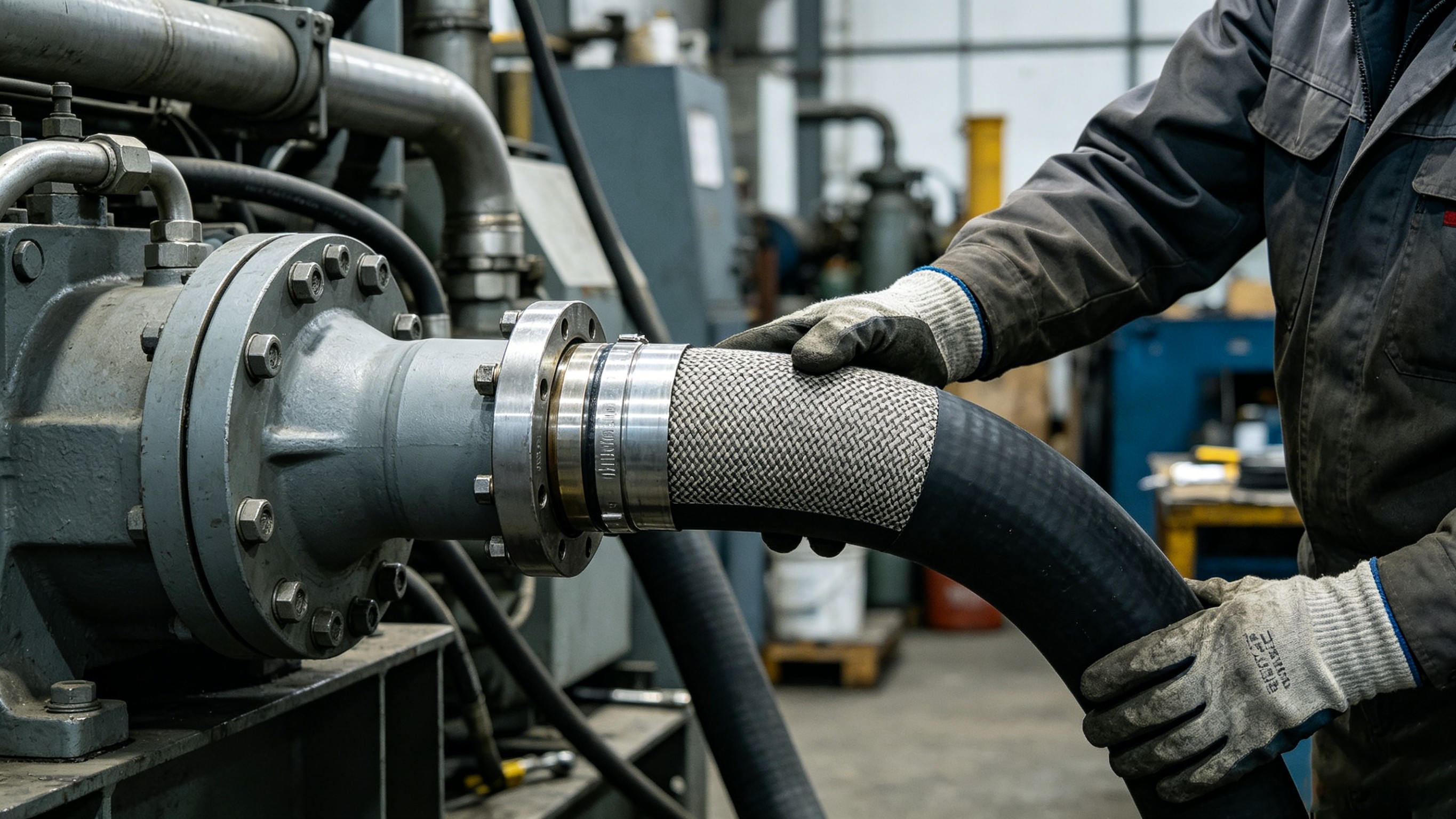
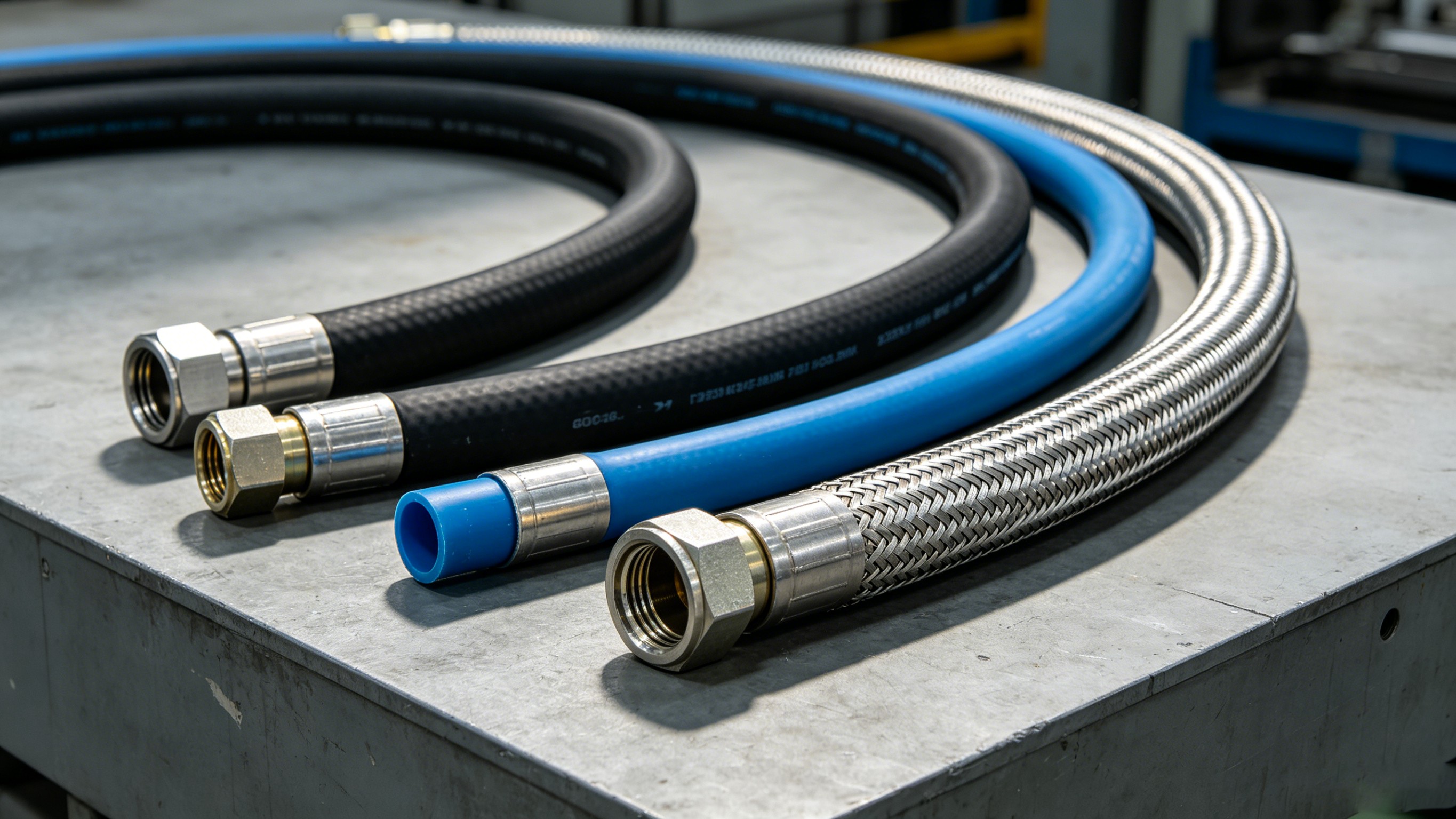
Beyond traditional hydraulic and pneumatic applications, nylon resin hoses have expanded into increasingly diverse specialized industrial scenarios. Their combination of lightweight design, chemical resistance, flexibility, and customizable material properties makes them suitable for environments with strict requirements for cleanliness, precision, safety, or extreme conditions. This article explores several representative specialized application areas.
Robotics and Automation Systems
In industrial robots, collaborative robots, and automated production lines, hoses must navigate complex movements, repeated bending, and confined spaces while maintaining reliable fluid or signal transmission.
Key requirements include:
.High flexibility and fatigue resistance: Hoses must withstand millions of bending cycles without cracking or performance degradation.
.Compact outer diameter: Smaller hoses reduce interference with robot arm movement and save installation space.
.Low friction inner surface: Reduces pressure loss for pneumatic or hydraulic signals, improving system response speed.
.Clean appearance and color coding: Facilitates identification of different circuits (air, hydraulic, electrical) within cable carriers.
Nylon resin hoses are widely used in robot arm pneumatic lines, gripper control circuits, and cable carrier installations, where their lightweight and flexible characteristics significantly reduce wear and extend service life.
Medical and Laboratory Equipment
Medical devices, diagnostic instruments, and laboratory equipment often require hoses that meet strict hygiene standards while maintaining precision and reliability.
Key requirements include:
.Biocompatibility and safety: Materials must meet relevant medical or food-contact standards, free from harmful substances.
.Smooth inner wall: Minimizes bacterial growth and residue accumulation, facilitating cleaning and sterilization.
.Transparency or semi-transparency: Allows visual inspection of fluid flow, air bubbles, or contamination.
.Chemical resistance: Must withstand exposure to disinfectants, cleaning agents, and various reagents.
Nylon resin hoses are used in medical gas delivery, analytical instrument fluid lines, dialysis equipment, and laboratory automation systems. For medical applications, it is essential to confirm that the material meets relevant regulatory requirements such as USP Class VI, ISO 10993, or FDA standards.
Food and Beverage Processing
In food production, beverage filling, and dairy processing, hoses must meet stringent hygiene requirements while handling various food-grade media.
Key requirements include:
.Food-grade certification: Materials must comply with FDA, EU 10/2011, or other relevant food-contact regulations.
.Easy to clean and sterilize: Smooth inner surfaces support CIP (Clean-in-Place) and SIP (Sterilize-in-Place) processes.
.Resistance to fats, acids, and sugars: Must not degrade when in contact with oils, acidic beverages, or sugary solutions.
.Temperature adaptability: Must withstand hot water, steam, or cold chain conditions as required by the process.
Nylon resin hoses are used in beverage dispensing systems, food ingredient transfer, dairy processing lines, and brewery equipment. When selecting hoses for food applications, always verify food-grade certification and ensure the material is compatible with the specific media and cleaning procedures used.
Energy and Renewable Systems
In solar thermal systems, geothermal installations, hydrogen energy equipment, and battery manufacturing, nylon resin hoses serve in fluid transfer, cooling circuits, and gas delivery applications.
Key requirements include:
.Thermal stability: Must maintain performance under sustained elevated temperatures in solar thermal or geothermal systems.
.Gas barrier properties: For hydrogen or refrigerant applications, low permeability is critical to prevent leakage.
.Chemical resistance: Must withstand coolants, electrolytes, or other specialized media.
.Long-term durability: Energy systems often require 15–25 year service life, demanding excellent aging resistance.
Nylon resin hoses are increasingly used in solar water heater circuits, heat pump refrigerant lines, hydrogen fuel cell gas delivery, and battery cooling systems. For these applications, material formulation and wall thickness must be carefully matched to the specific operating conditions.
Electronics and Semiconductor Manufacturing
In cleanroom environments, semiconductor fabrication, and electronics assembly, hoses must meet ultra-clean standards while handling high-purity gases and chemicals.
Key requirements include:
.Ultra-low particle generation: Hoses must not shed particles that could contaminate sensitive processes.
.High purity: Materials must not leach contaminants into ultra-pure water, gases, or chemicals.
.Static dissipation: Anti-static or conductive properties may be required to prevent electrostatic discharge damage.
.Chemical compatibility: Must resist aggressive etchants, solvents, and cleaning chemicals used in semiconductor processes.
Specialty nylon resin hoses are used in cleanroom pneumatic systems, ultra-pure water delivery, chemical dosing lines, and semiconductor equipment gas circuits. For these demanding applications, hoses with certified cleanroom compatibility and high-purity grades should be selected.
Key Points to Consider During Selection
1. Regulatory compliance
Confirm that the hose material meets all applicable standards for the target industry, such as FDA, USP Class VI, ISO 10993, EU 10/2011, or cleanroom certifications.
2. Media compatibility
Verify compatibility with the specific fluids, gases, or chemicals involved, including any cleaning or sterilization agents used.
3. Temperature and pressure requirements
Ensure the hose can operate reliably within the full range of expected temperatures and pressures, including transient conditions.
4. Flexibility and bend radius
For dynamic applications such as robotics, confirm the hose can withstand the required number of bending cycles without failure.
5. Cleanliness and surface quality
For medical, food, or semiconductor applications, prioritize hoses with smooth inner surfaces and certified low particle generation.
6. Traceability and documentation
Specialized industries often require material certificates, batch traceability, and compliance documentation. Ensure the supplier can provide necessary supporting materials.
Conclusion
Nylon resin hoses have proven their versatility far beyond conventional hydraulic and pneumatic applications. From robotics and medical equipment to food processing, energy systems, and semiconductor manufacturing, their combination of lightweight design, chemical resistance, flexibility, and customizable material properties makes them suitable for increasingly demanding specialized scenarios. By carefully matching hose specifications to the specific regulatory, environmental, and performance requirements of each application, manufacturing enterprises can leverage nylon resin hoses to improve system reliability, reduce maintenance costs, and meet the highest industry standards. As industrial processes continue to evolve toward greater precision, cleanliness, and sustainability, nylon resin hoses will undoubtedly play an expanding role in enabling these advanced applications.