Matching Industrial Hoses to Real Applications: Cleaning, Hydraulics, Automotive, and Woodworking
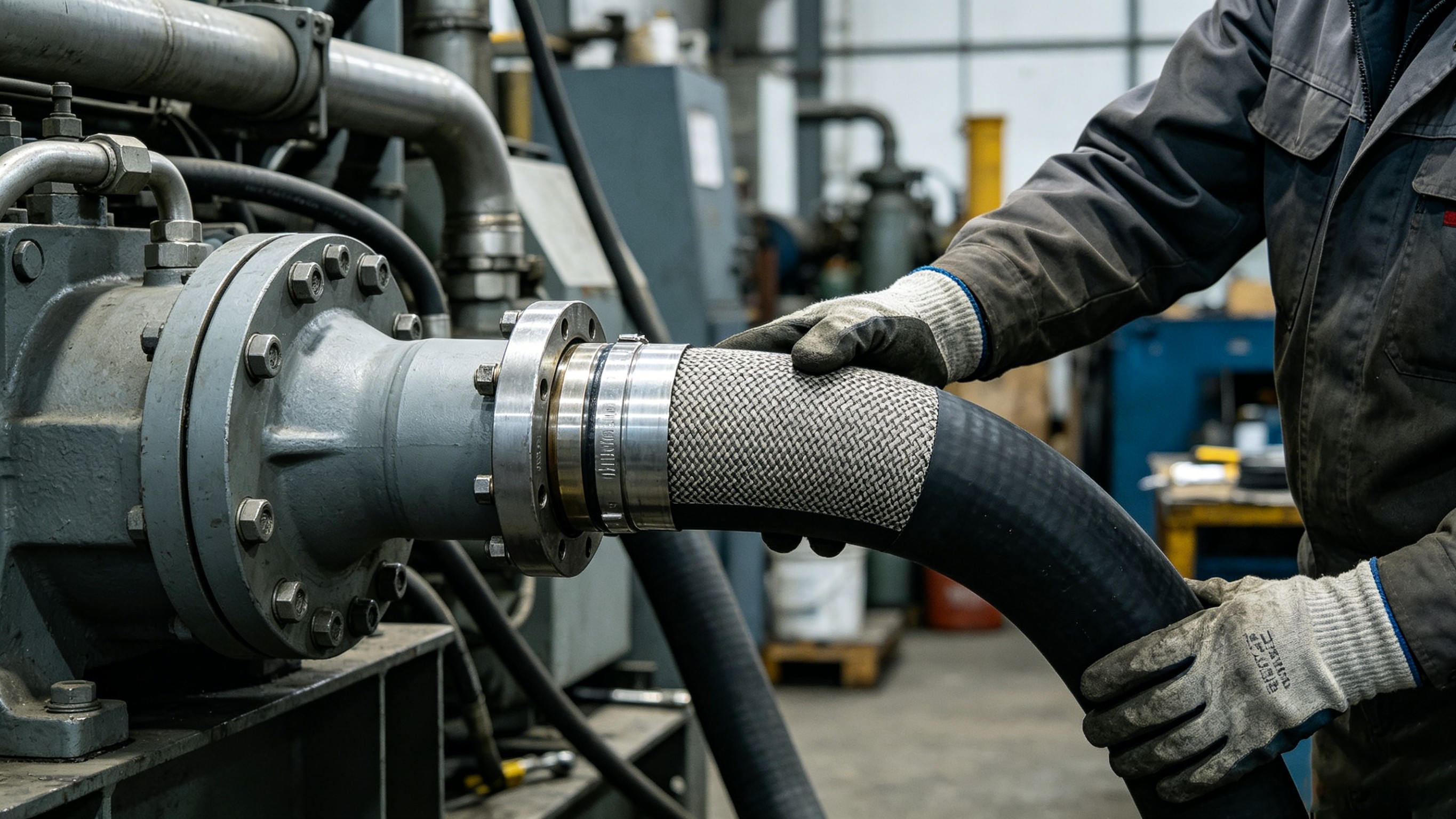
Industrial hoses are not generic accessories. They are part of the equipment system. Different industries have different requirements for pressure rating, abrasion resistance, flexibility, and media compatibility. The following sections show how common industrial hoses can be matched to typical working conditions.
Industrial Cleaning: Ultra-High-Pressure Cleaning Hoses Must Resist Pressure and Pulsation
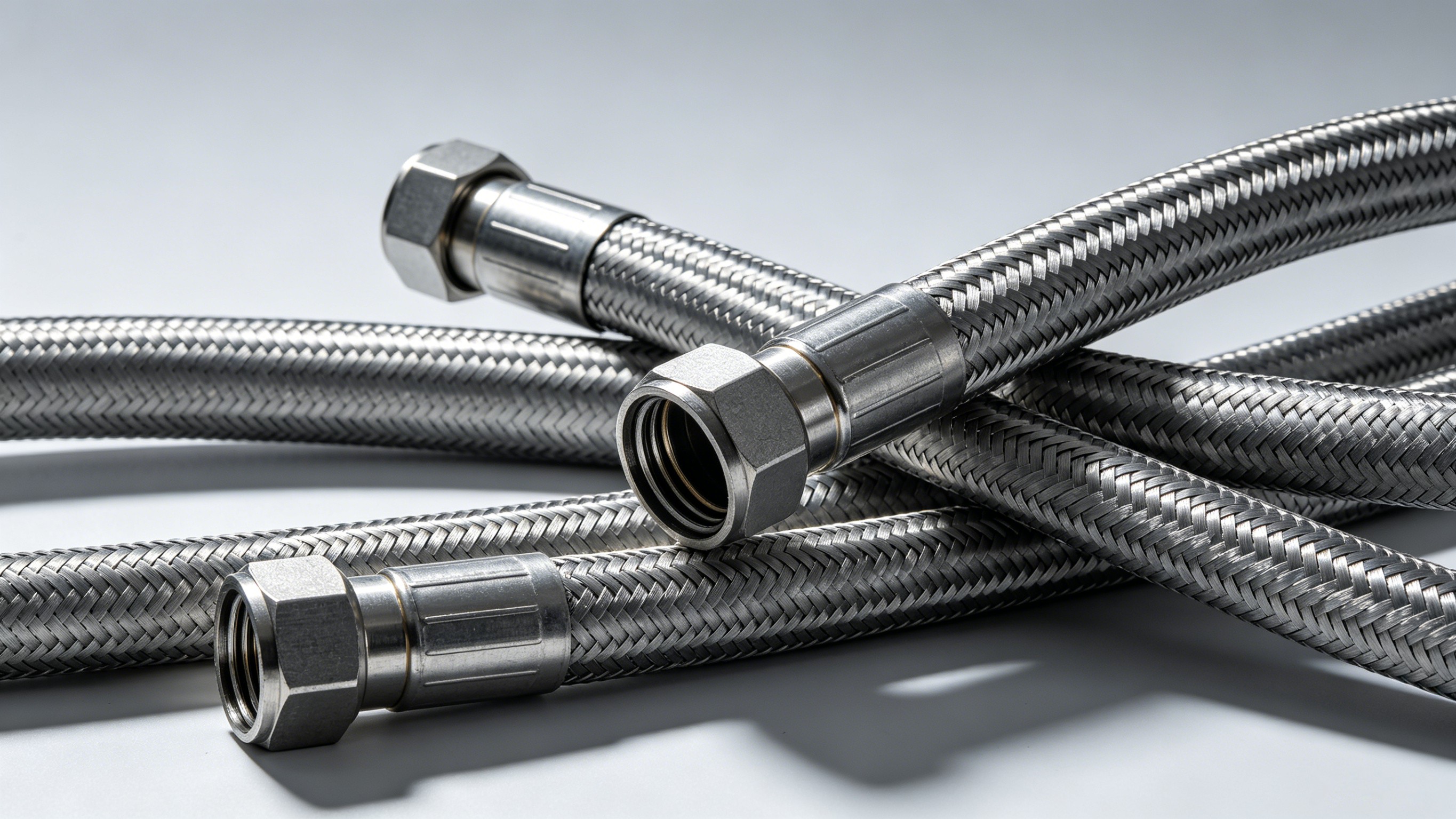
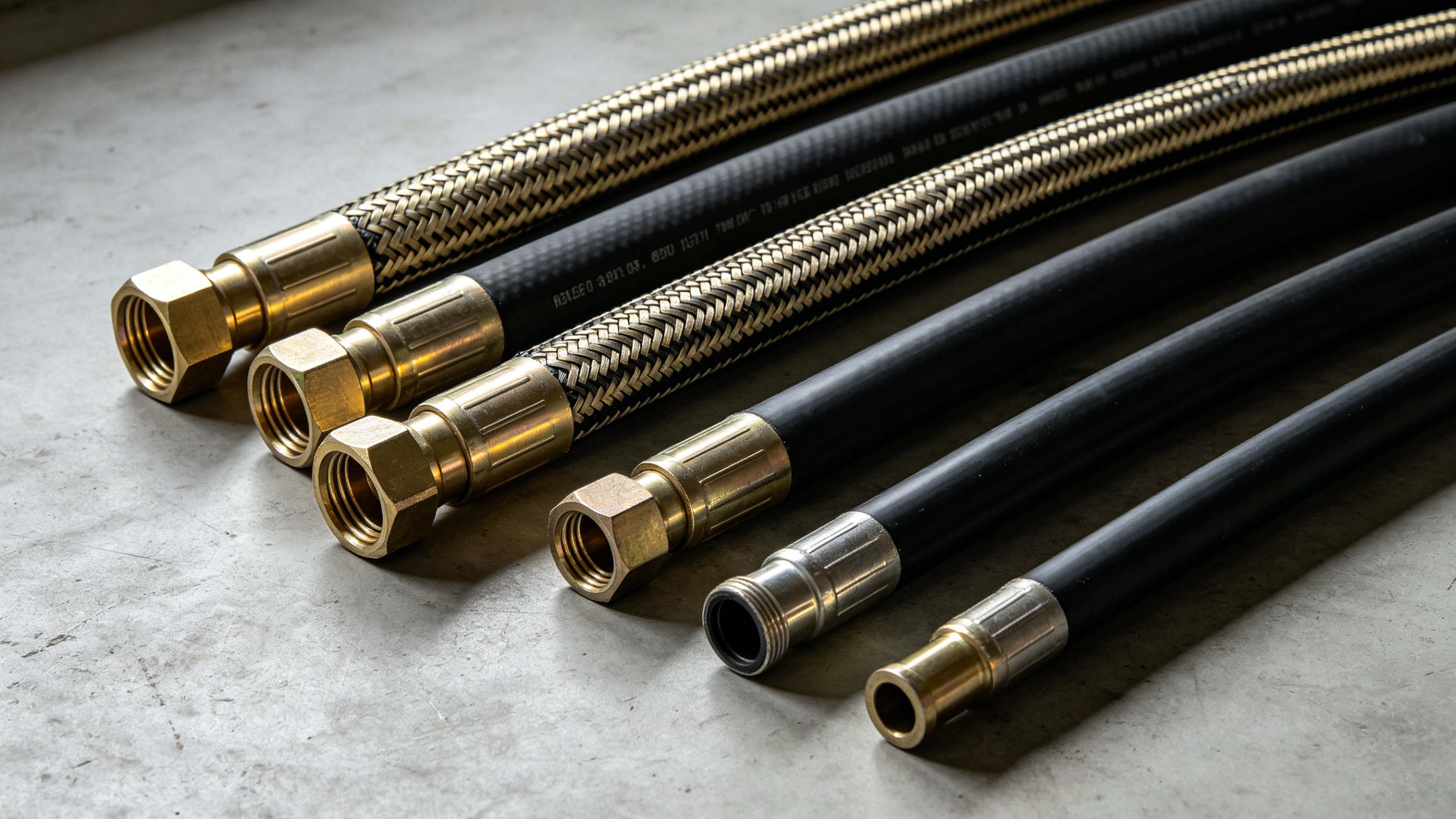
In industrial cleaning, pipe dredging, scale removal, and surface treatment, ultra-high-pressure cleaning hoses often operate under high pressure and frequent pulsation. The cleaning medium is usually water or water mixed with cleaning agents. The hose must not only withstand pressure but also handle repeated start-stop cycles.
For these applications, it is important to check working pressure, outer layer abrasion resistance, bending radius, and fitting compatibility. If the cleaning equipment is frequently moved or manually operated, hose weight and flexibility also affect working efficiency.
Hydraulic and Pressure Testing: Nylon Resin Hoses Fit Compact Spaces
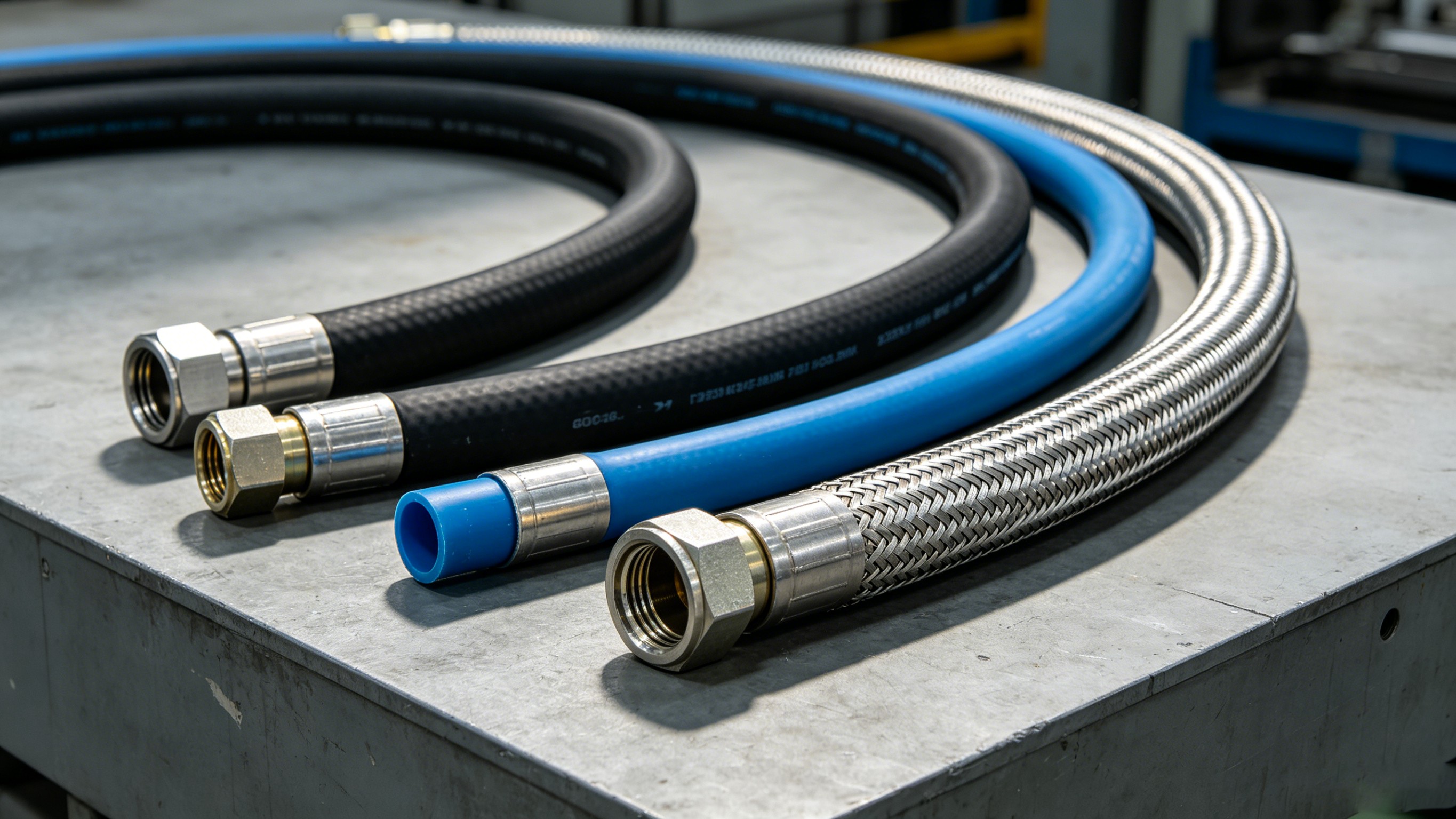
Nylon resin high-pressure hoses and nylon resin test hoses are widely used in hydraulic equipment, injection molding machines, automated production lines, and test benches. Compared with traditional rubber hoses, nylon resin hoses usually have a smaller outer diameter, lighter weight, and smaller bending radius, making them suitable for compact piping layouts.
Nylon resin test hoses focus on stable pressure transmission. They are commonly used for hydraulic system debugging, pressure gauge connection, and pressure measurement points. For systems that require frequent pressure checks or temporary connection to test circuits, these hoses help improve installation efficiency and keep the system tidy.
Automotive Manufacturing and Equipment Support: TPV Rubber Hoses Improve Flexibility and Weather Resistance
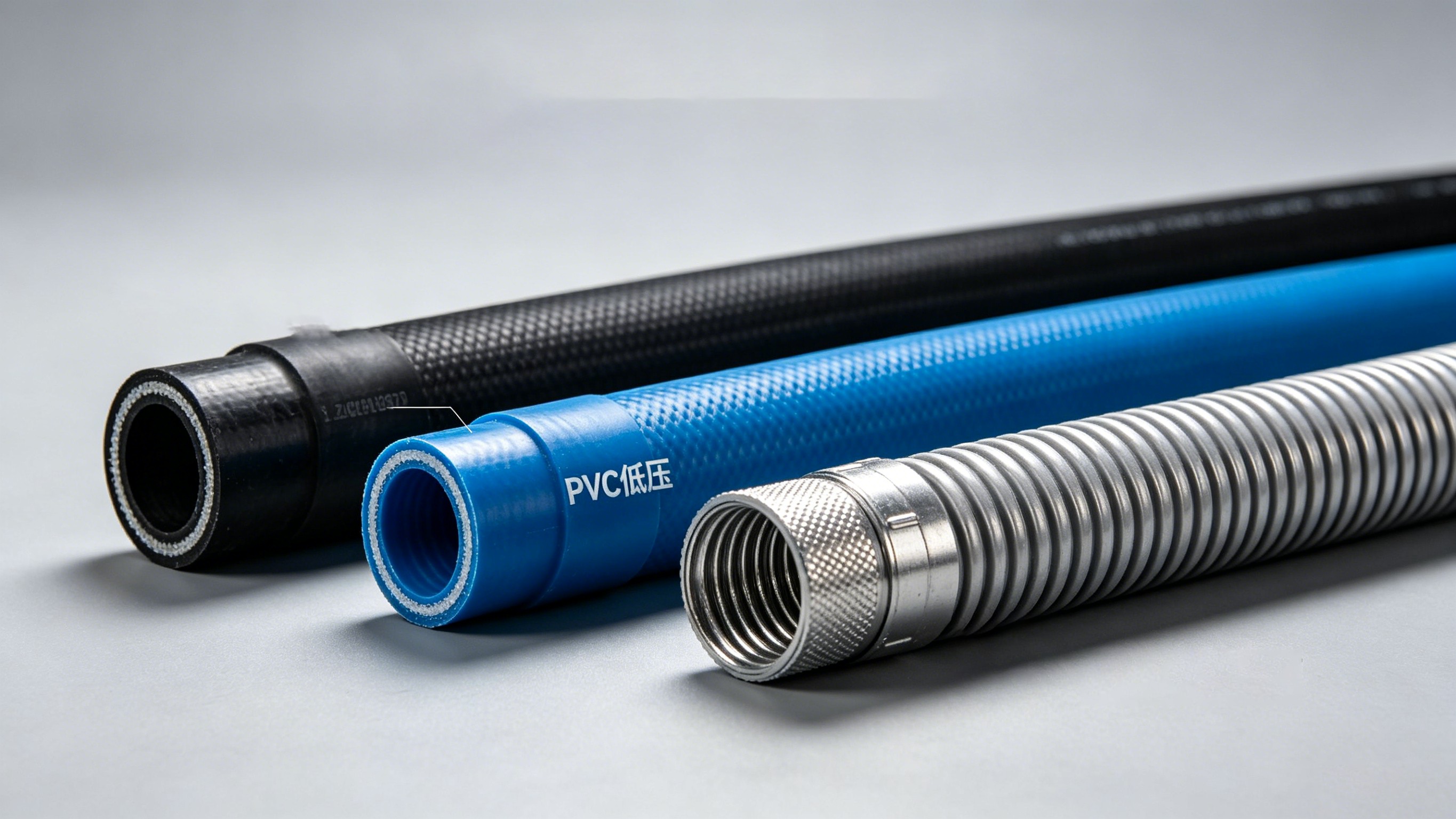
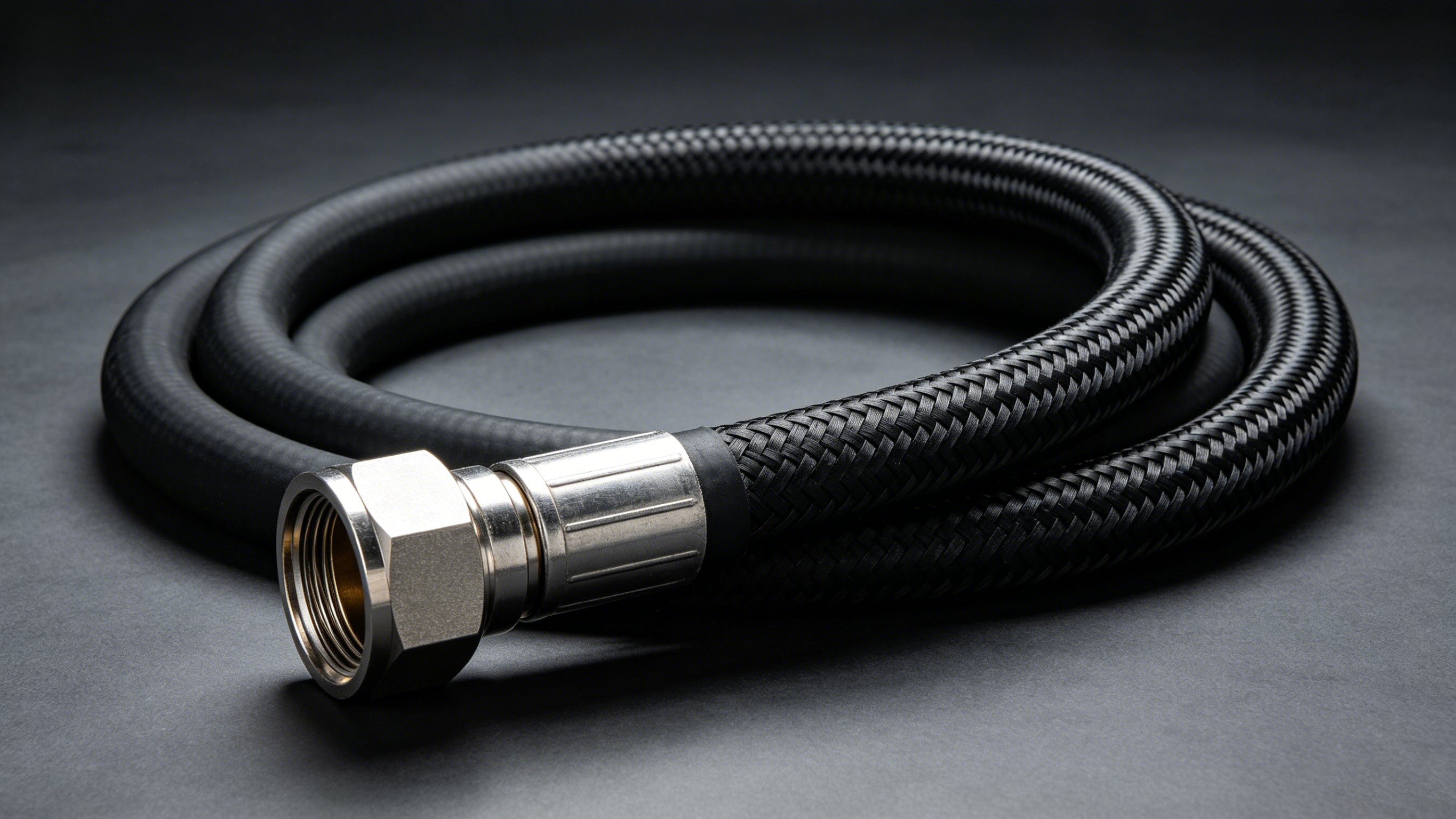
In automotive manufacturing, equipment support, pneumatic systems, and some transfer applications, TPV rubber hoses can serve as flexible connection solutions. They usually offer good softness, surface quality, and environmental adaptability, making them suitable for applications with strict requirements for installation space, bending radius, and appearance.
If equipment is exposed to temperature changes, oil, or outdoor environments for long periods, the weather resistance and flexibility of TPV rubber hoses become more valuable. They can also be used for some non-high-pressure transfer, equipment exhaust, or auxiliary piping systems.
Woodworking Machinery and Dust Collection: PU Polyurethane Steel Wire Hoses Offer Strong Abrasion Resistance
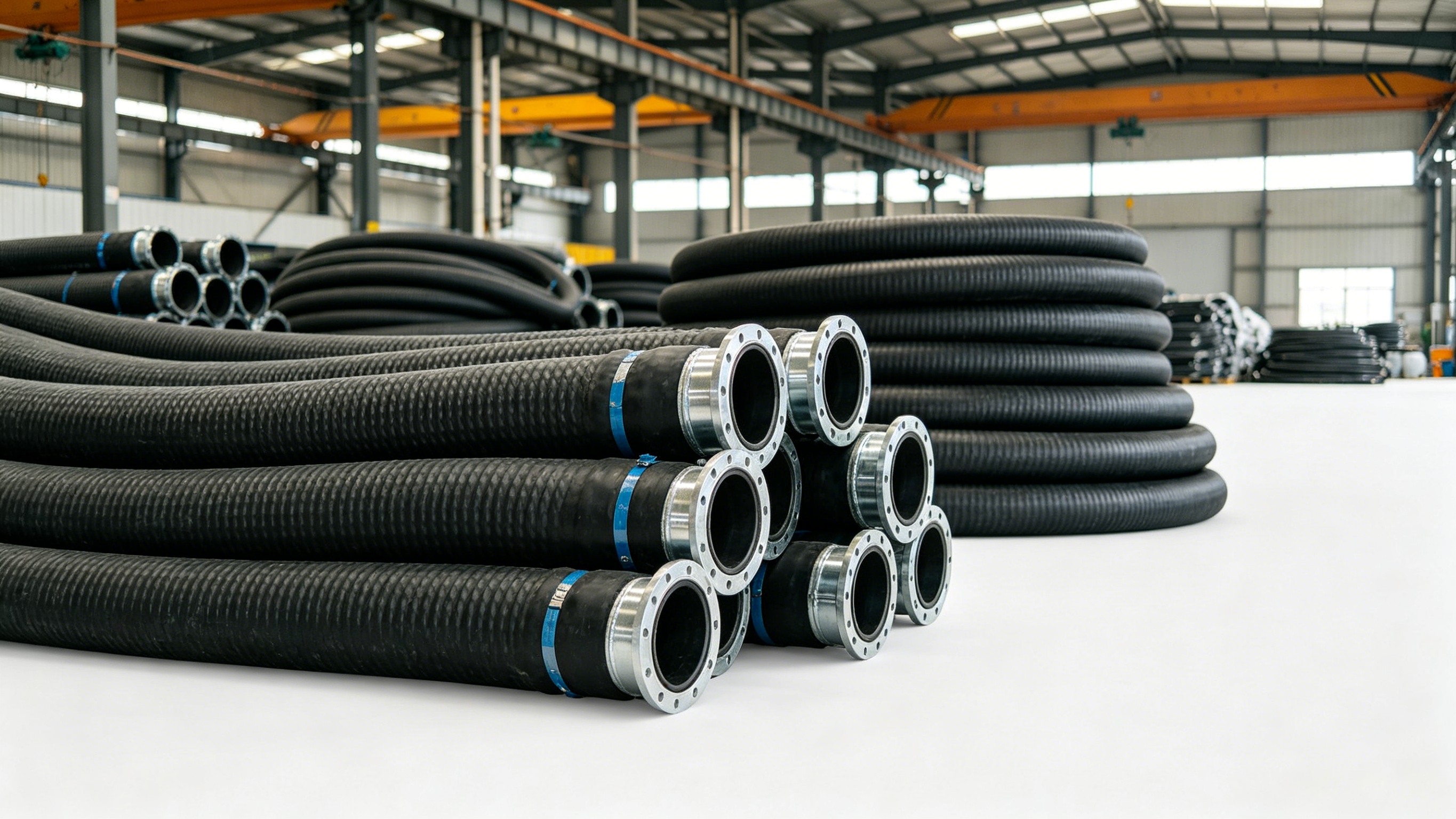
PU polyurethane steel wire hoses are commonly used in woodworking machinery, plastic processing, granular material transfer, and workshop dust collection. Their smooth inner surface helps reduce flow resistance for dust and particles, while the flexible outer structure makes it easier to connect sawing tables, dust collectors, fans, and other equipment.
For applications with high dust concentration, hard particles, or frequent hose movement, abrasion resistance and tear resistance are especially important. Choosing the right wall thickness and steel wire structure can help extend service life and reduce downtime.
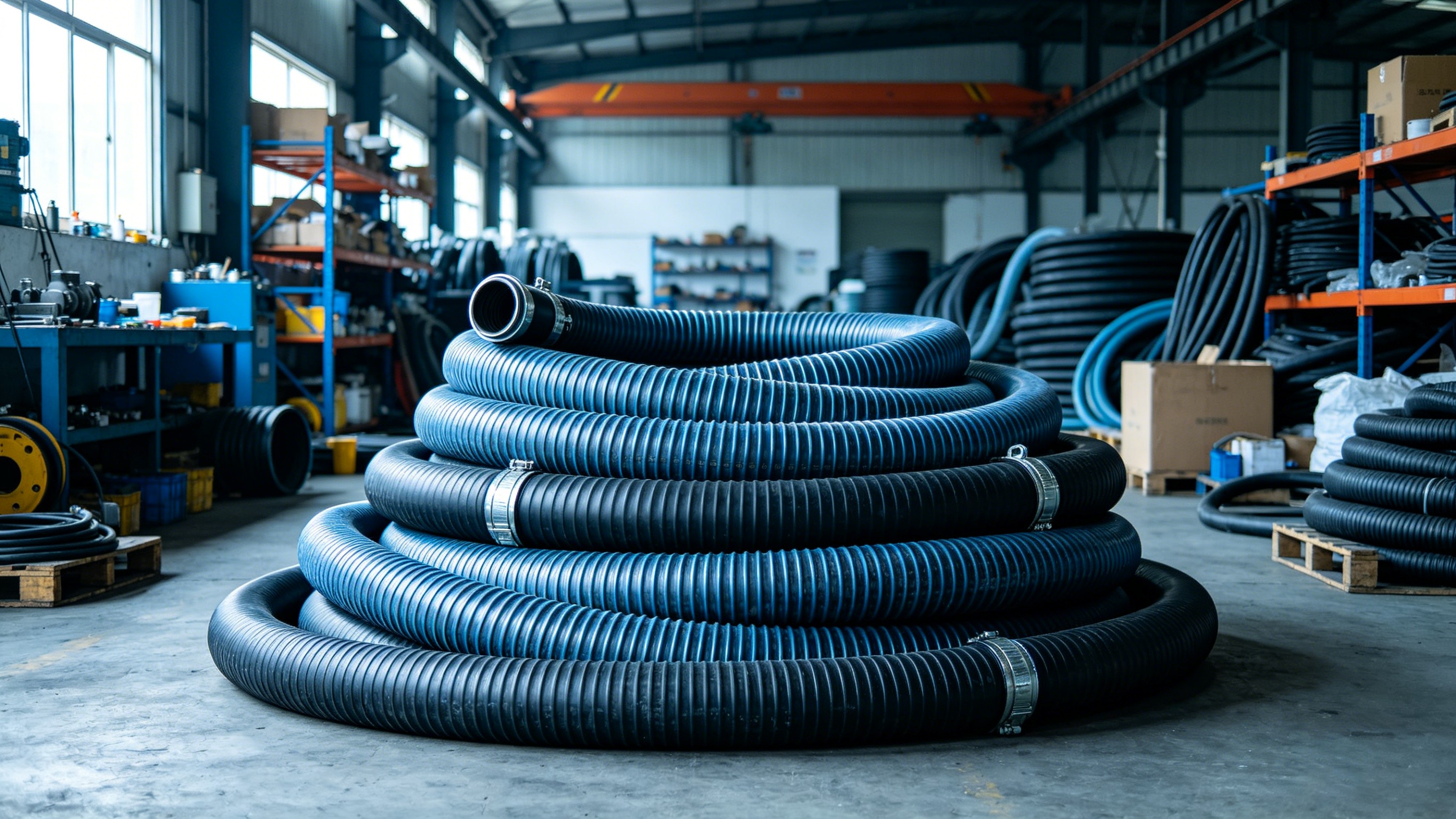
Ventilation and Light-Duty Transfer: PU Polyurethane Spiral Hoses Are Easy to Install
PU polyurethane spiral hoses are suitable for ventilation, drainage, light-duty particle transfer, and temporary piping connections. They maintain good structural stability and are less likely to collapse after bending. Installation is also relatively flexible.
In workshop exhaust, auxiliary ventilation, or temporary material transfer, PU polyurethane spiral hoses can be a practical choice when pressure requirements are low but the hose still needs to maintain shape and flexibility.
Key Information to Confirm Before Selection
Maximum system working pressure and pulsation frequency
Conveyed medium: water, oil, air, dust, or particles
Operating temperature range and possible temperature fluctuations
Whether the hose needs frequent movement or bending
Whether installation space is limited
Fitting type, clamping method, and sealing requirements
Conclusion
Different industrial scenarios place different demands on hoses. Industrial cleaning focuses on pressure resistance and pulsation endurance, hydraulic systems value compactness and stability, automotive manufacturing and equipment support benefit from flexibility and weather resistance, and woodworking machinery emphasizes abrasion resistance and transfer efficiency. By clarifying actual working conditions first, and then matching them with nylon resin high-pressure hoses, nylon resin test hoses, PU polyurethane steel wire hoses, PU polyurethane spiral hoses, ultra-high-pressure cleaning hoses, and TPV rubber hoses, hose selection becomes faster and more reliable.