Why Hydraulic Systems Are Paying More Attention to Nylon Resin Hoses
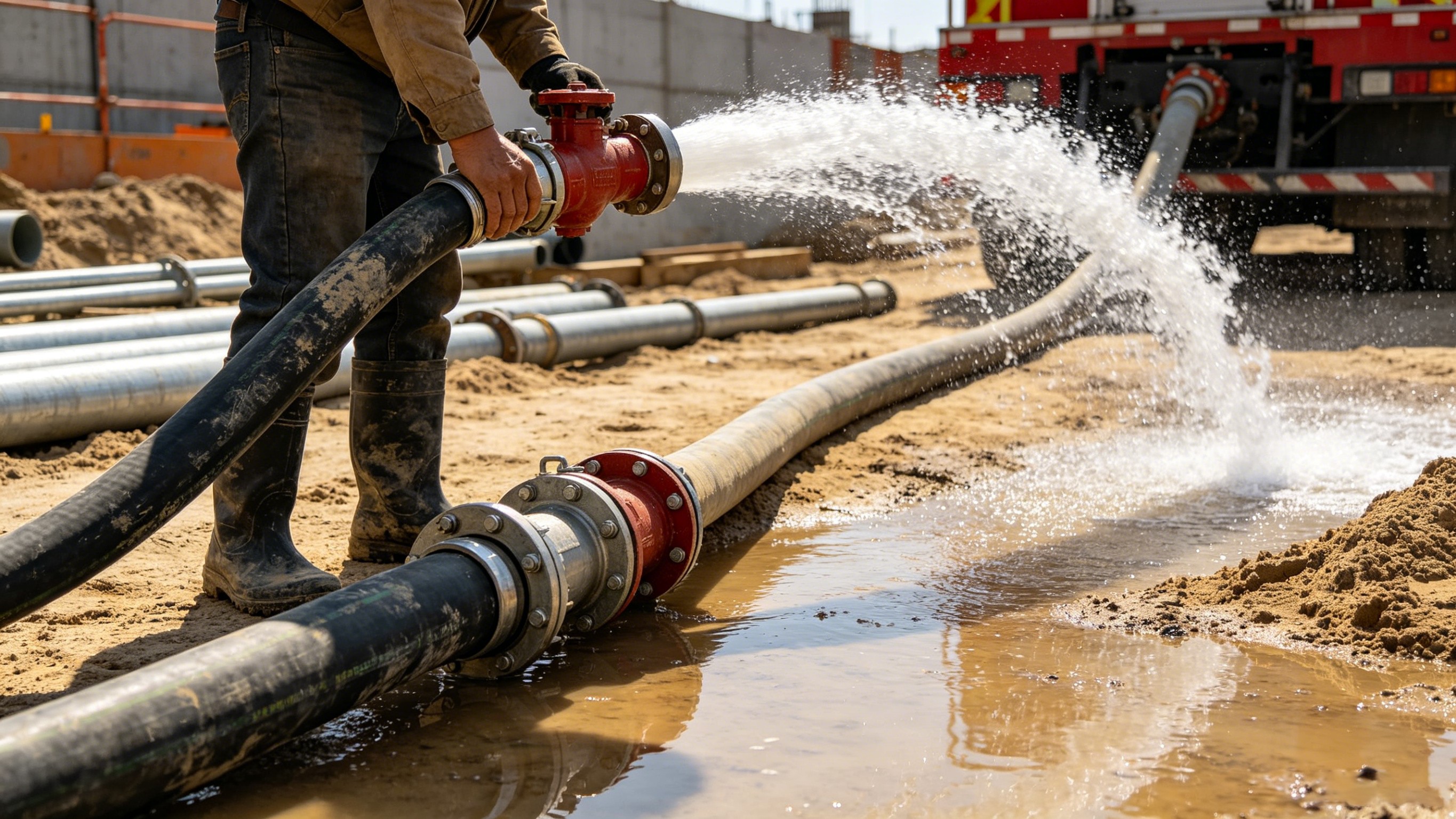
In hydraulic equipment, automotive manufacturing, construction machinery, and industrial testing systems, hoses must do more than withstand pressure. They also need to fit narrow spaces, handle frequent movement, and support complex connections. Compared with some traditional rubber hoses, nylon resin high-pressure hoses offer compact size, light weight, small bending radius, and stable pressure resistance. This makes them increasingly popular in high-pressure fluid transfer and pressure testing applications.
For equipment manufacturers and end-user factories, understanding the features of nylon resin high-pressure hoses and test hoses can help reduce leakage risks, improve system stability, and lower maintenance costs.
Main Features of Nylon Resin High-Pressure Hoses
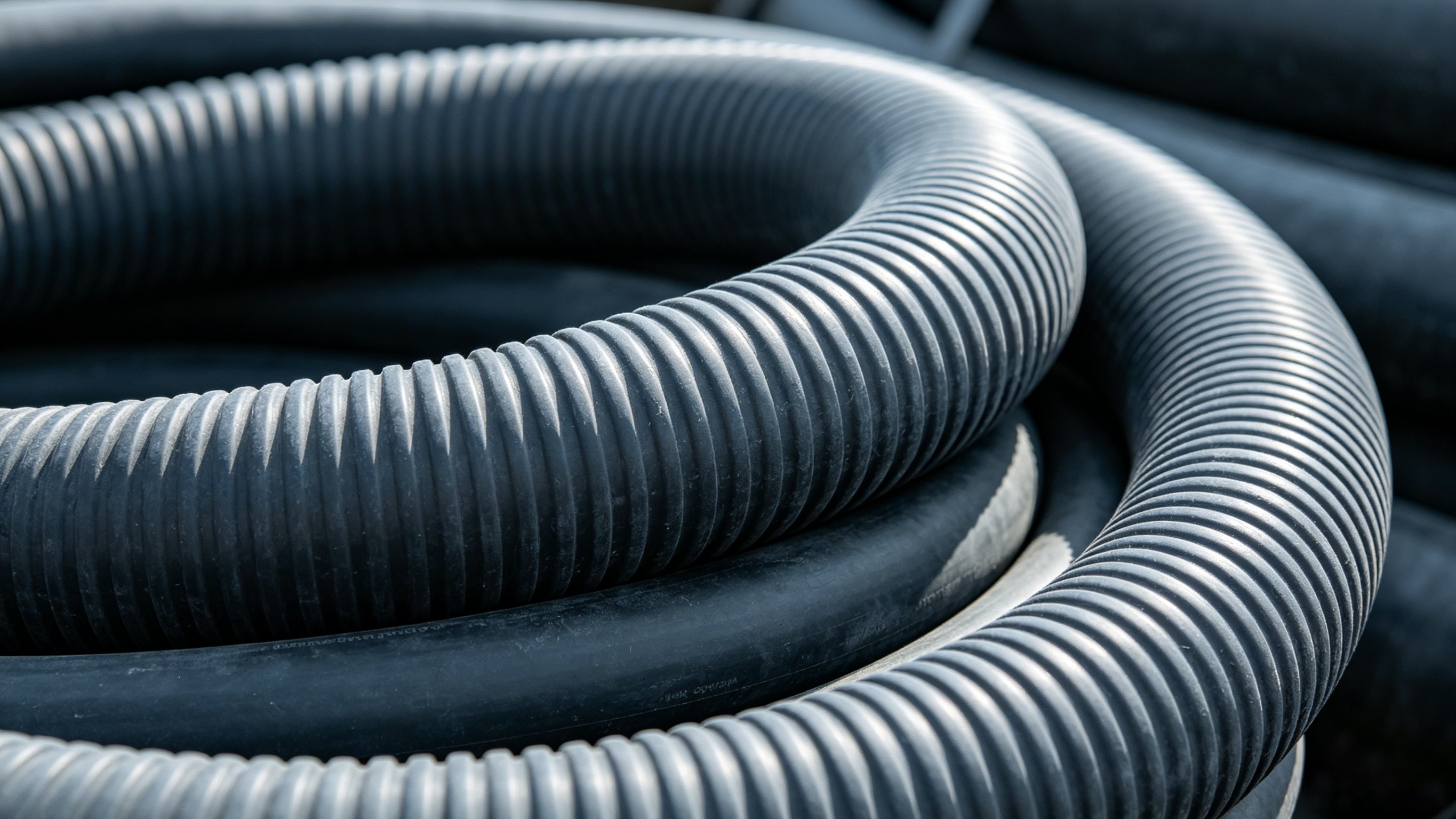
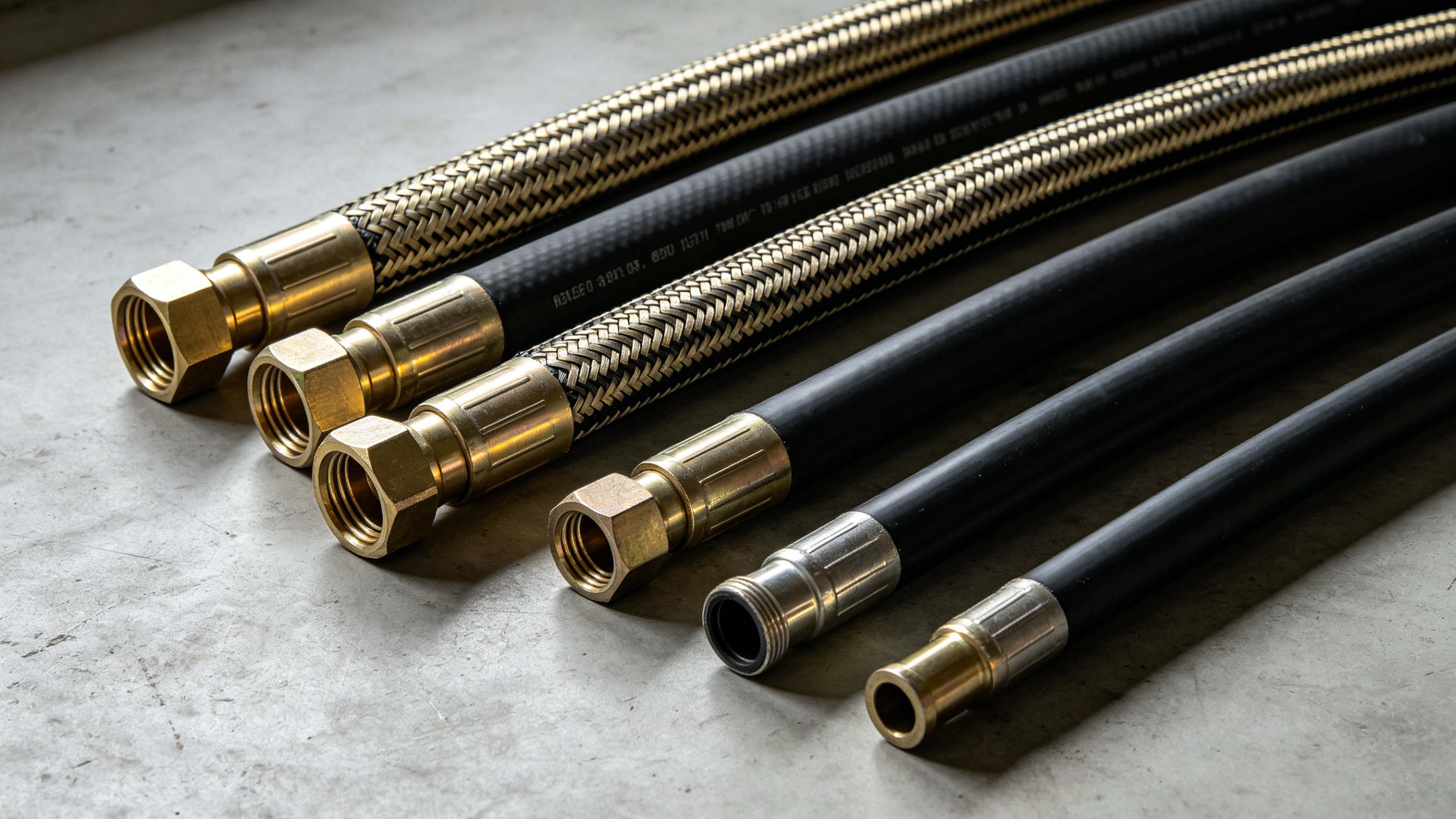
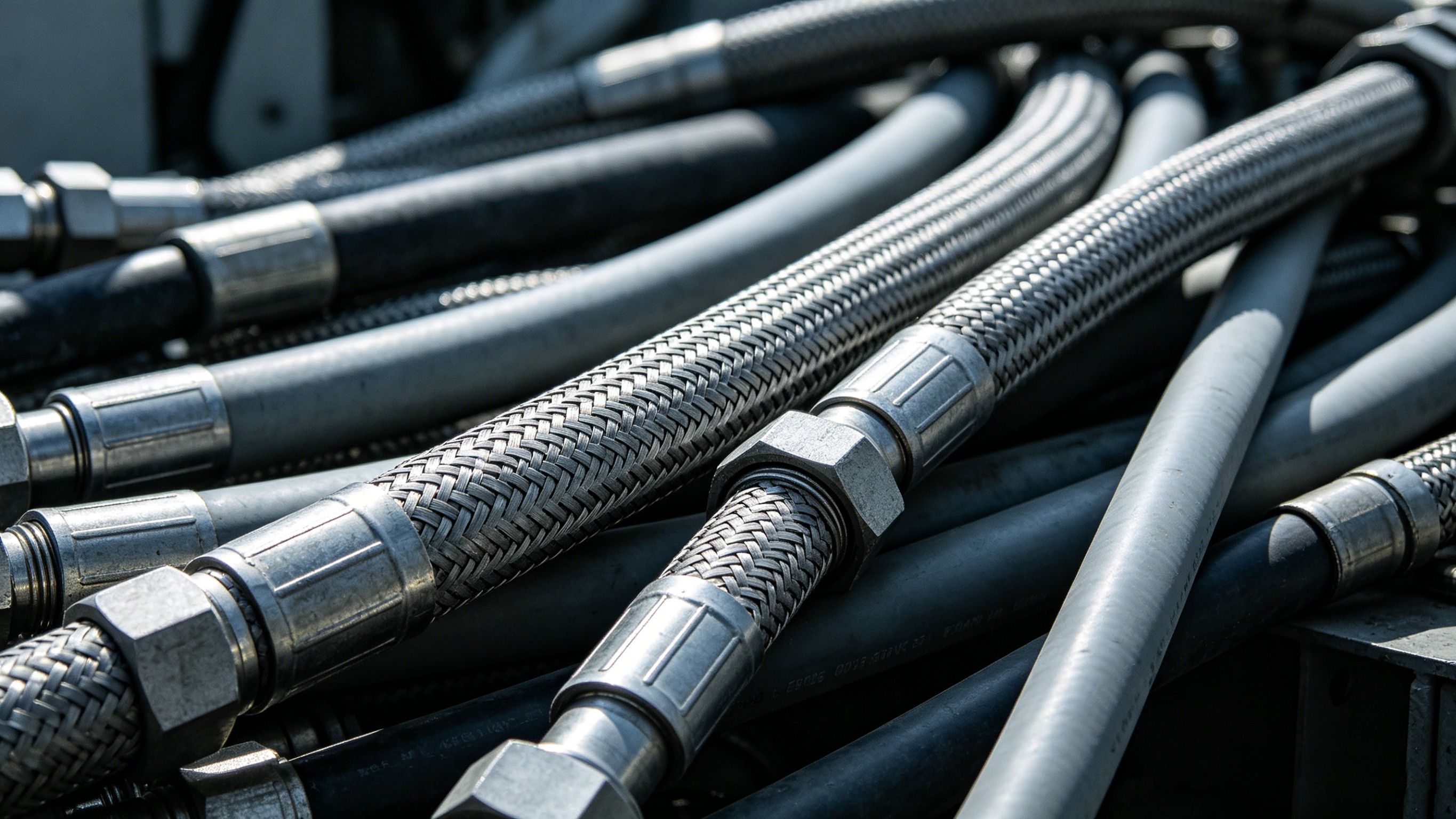
Nylon resin high-pressure hoses usually have a multi-layer structure. The outer layer provides protection, the reinforcement layer handles pressure, and the inner layer ensures stable fluid passage. Their main advantages include:
Stable pressure resistance for high-pressure fluid transfer and hydraulic systems.
Small bending radius for easier installation in compact equipment.
Compact structure for more flexible routing.
Light weight for easier handling and maintenance.
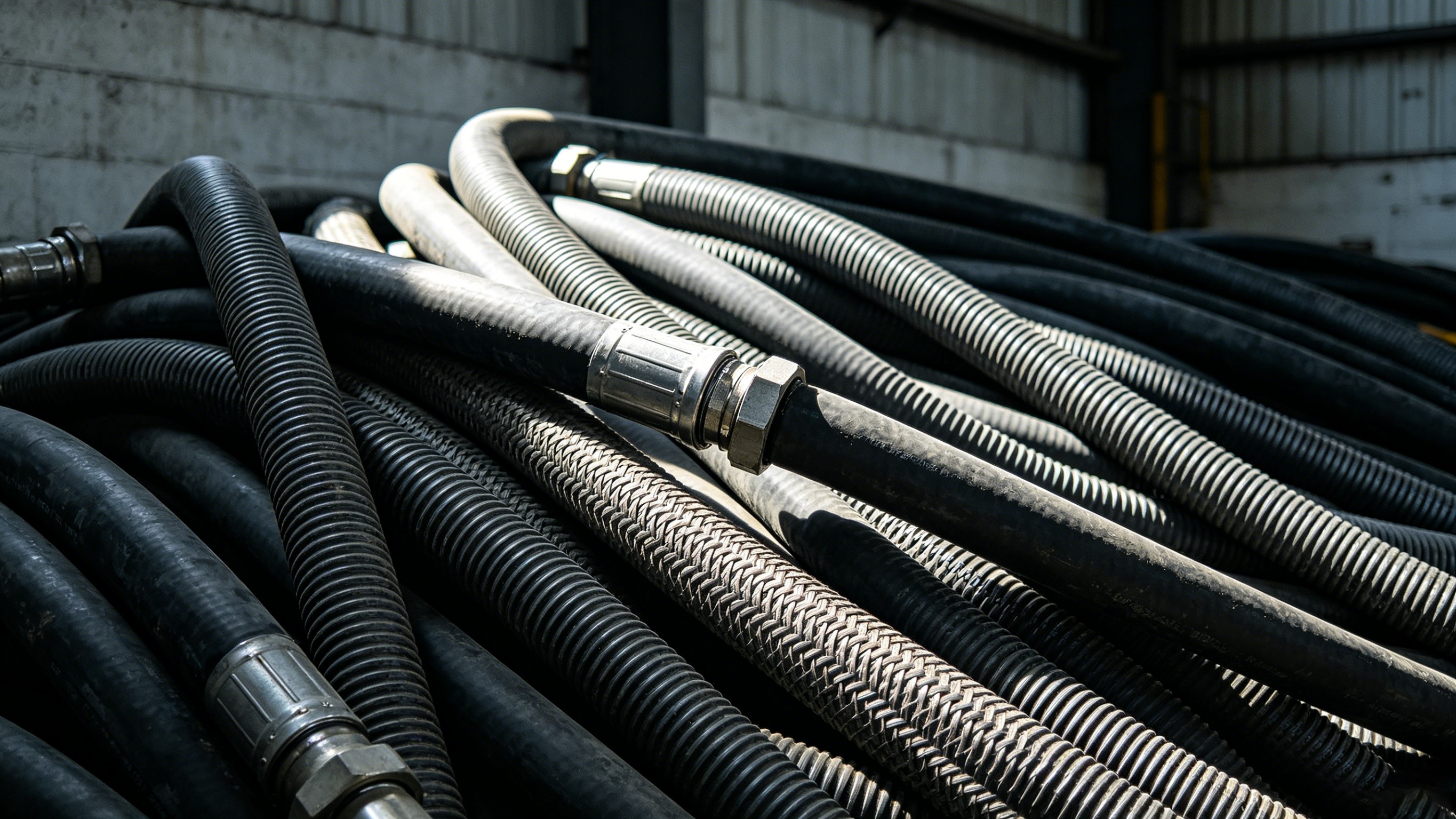
Compatibility with various fittings to meet different connection requirements.
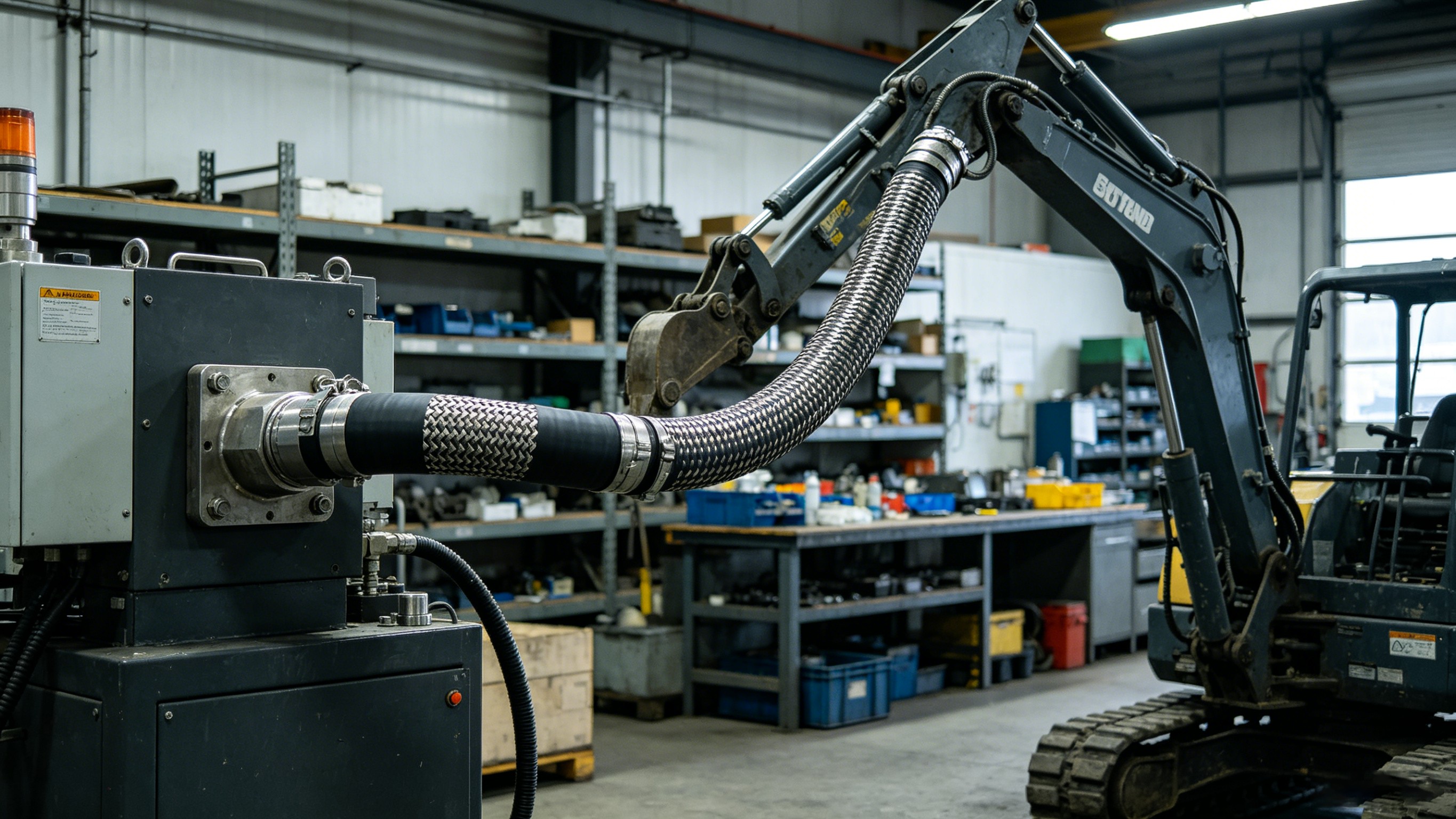
They are commonly used in hydraulic power units, pressure testing equipment, injection molding machines, automotive production lines, and hydraulic circuits in construction machinery.
Applications of Nylon Resin Test Hoses
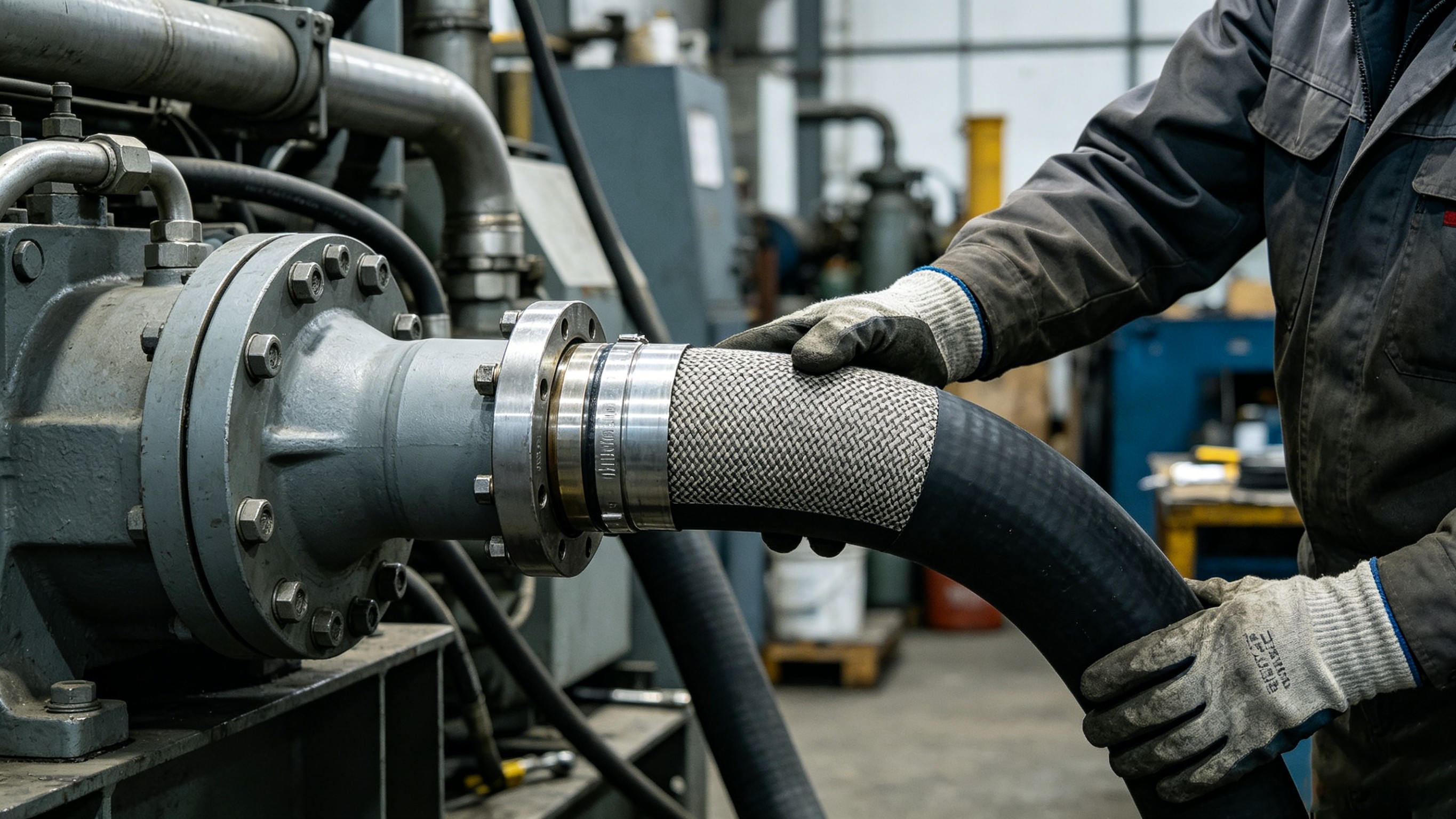
Test hoses are mainly used for pressure measurement in hydraulic systems, instrument connection, pump and valve testing, and system commissioning. Compared with general transfer hoses, test hoses place higher demands on accurate pressure transmission and reliable connection.
During equipment commissioning, test points often have limited space. The hose must withstand high pressure while allowing quick connection and disconnection. If the test hose has poor sealing or an unsuitable pressure rating, it may cause unstable pressure readings, joint leakage, or even safety issues during testing.
When selecting a test hose, the following points should be checked:
Whether the working pressure meets the system’s maximum pressure requirement.
Whether the fitting type matches the test point.
Whether the hose has good pulse resistance.
Whether the inner layer material is suitable for the fluid medium.
Whether the bending radius fits the installation space.
Typical Application Fields
Hydraulic Equipment
In hydraulic power units, valve groups, cylinder testing, and system commissioning, nylon resin high-pressure hoses can be used for pressure oil line connections, while test hoses can be used for pressure gauge or sensor connections.
Automotive Manufacturing
In automotive production lines, hydraulic fixtures, test benches, and assembly equipment, hoses must fit compact layouts and frequent movement. Nylon resin hoses provide good space adaptability.
Construction Machinery
In excavators, loaders, presses, and similar equipment, high-pressure hoses are often used in hydraulic circuits, while test hoses support fault diagnosis and pressure inspection.
Industrial Testing Systems
In pump and valve testing, pressure calibration, and factory acceptance testing, test hoses need stable pressure performance and reliable sealing.
How to Avoid Common Selection Problems
Many hose issues do not come from poor materials, but from incomplete selection checks. For example, choosing a hose only by rated pressure while ignoring pressure pulses, focusing only on inner diameter while ignoring fitting compatibility, or prioritizing easy installation while allowing a bending radius that is too small and causes fatigue damage.
A safer approach is to confirm the system’s maximum working pressure, fluid medium, temperature range, connection method, and installation space first, and then choose the corresponding pressure rating and hose structure. For pressure testing systems, fitting specifications and sealing methods should be confirmed early to avoid leakage caused by mismatched connections.
Why a Source Factory Helps
As a manufacturer of nylon resin high-pressure hoses and test hoses, we focus on how hose structure, pressure rating, fitting type, and actual working conditions fit together. Different equipment has different pressure fluctuations, installation spaces, and fluid requirements, so standard products may not cover every application.
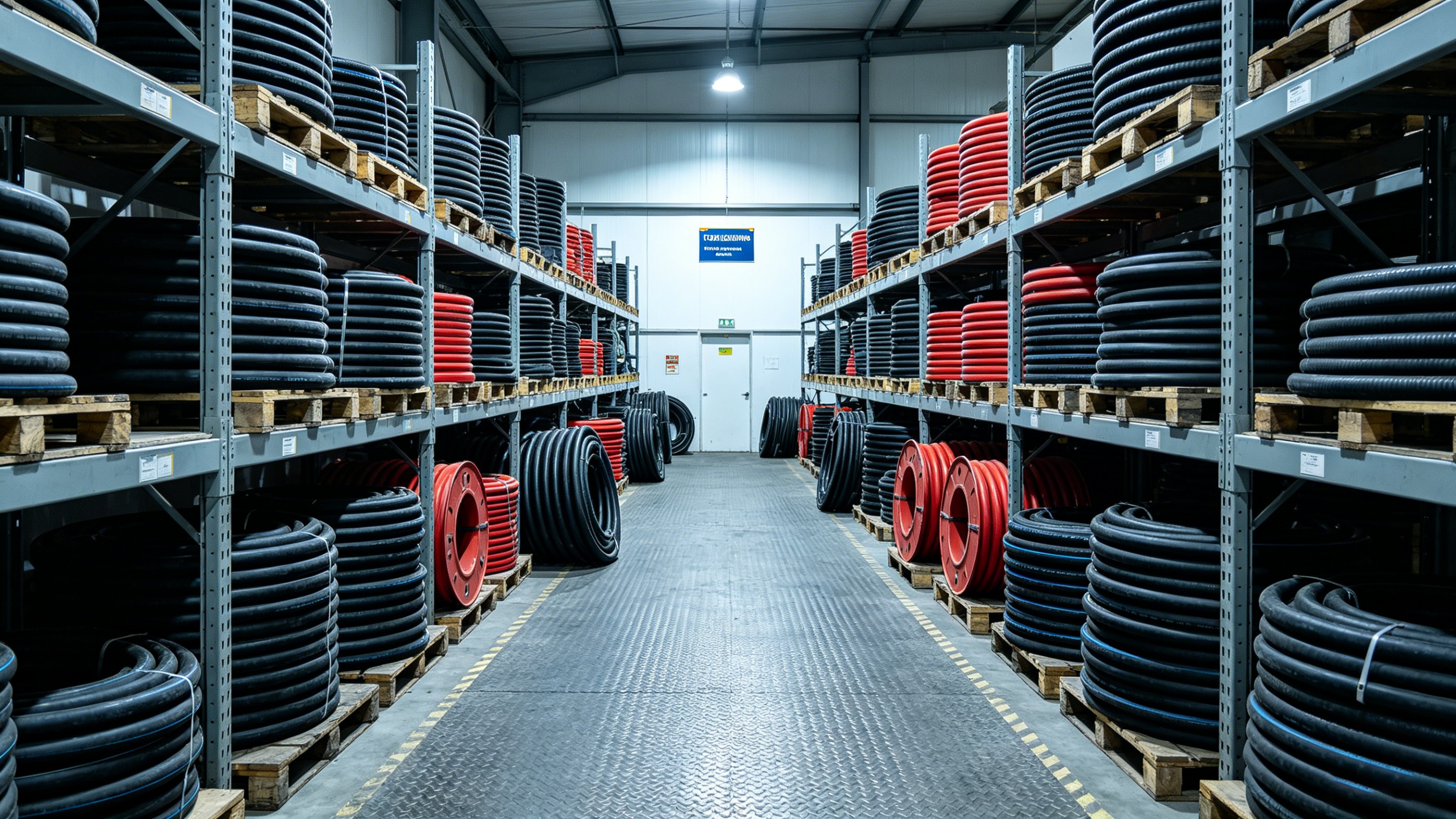
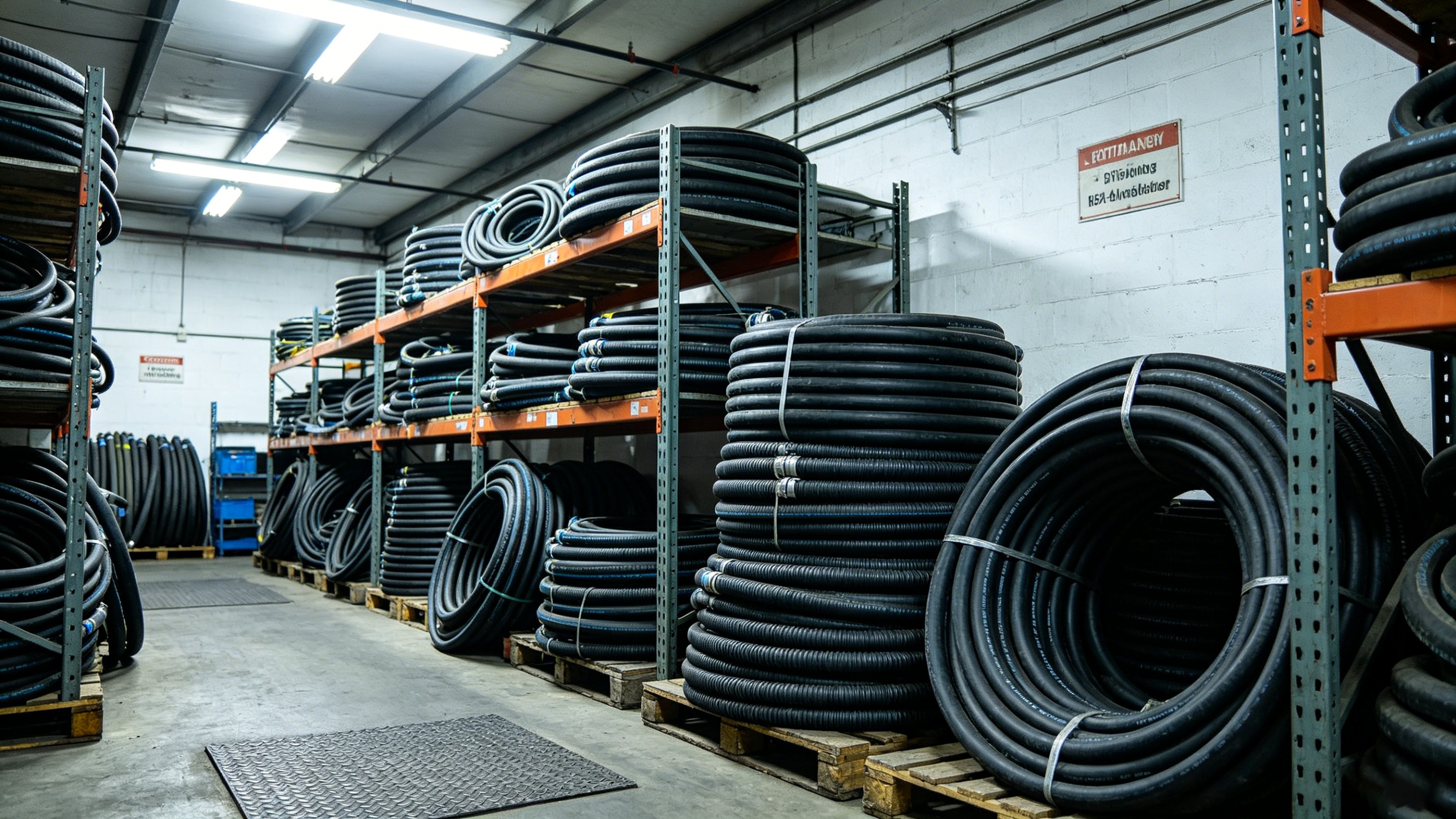
Working directly with a source factory helps confirm hose specifications, pressure ratings, fitting solutions, and suitable application scenarios more quickly. This reduces trial costs and improves matching efficiency. For bulk purchasing, equipment matching, and long-term maintenance, this capability is especially valuable.
Final Note
Nylon resin high-pressure hoses and test hoses are not simple connectors. They are important components that affect pressure stability, safety, and maintenance efficiency in hydraulic systems. Choosing the right hose can improve equipment reliability and reduce later troubleshooting costs.
If your hydraulic system has pressure fluctuations, joint leakage, fast hose wear, or unstable pressure measurement, it may be time to review working pressure, fluid medium, temperature, and fitting compatibility.