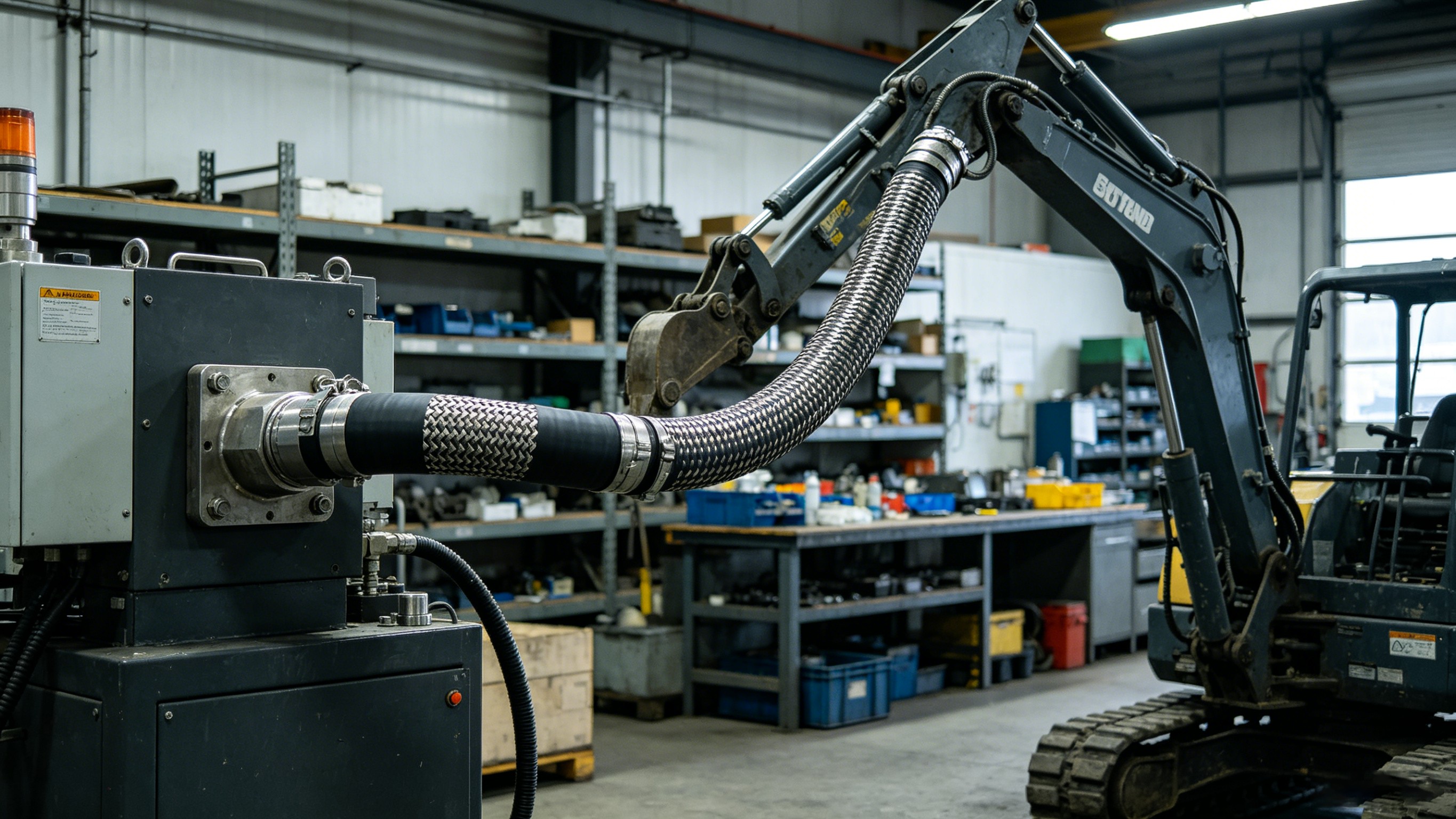
Industrial Hose Maintenance and Safety Guide: Best Practices for Reliable Operation
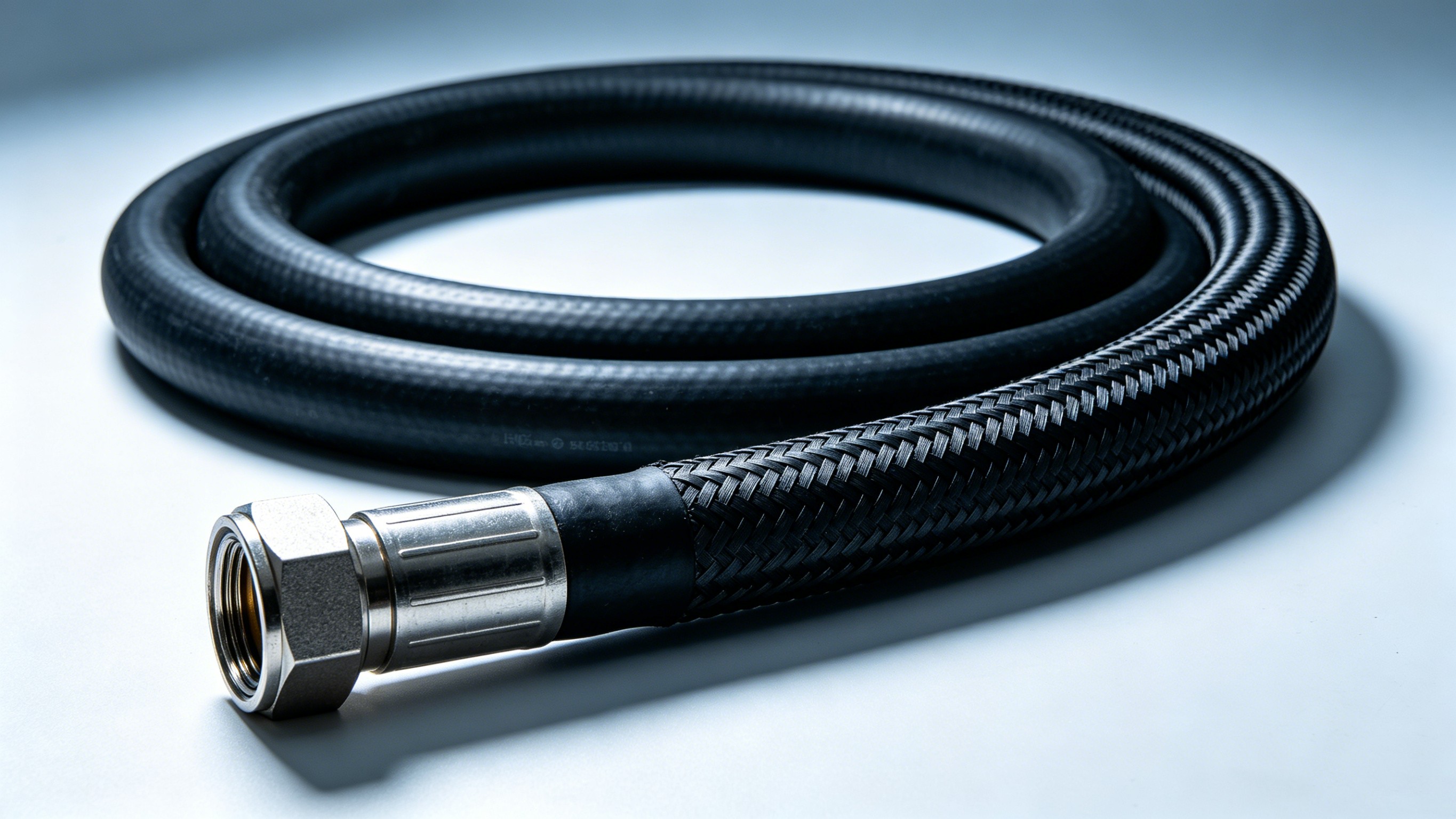
Industrial hoses are critical components in fluid transfer, hydraulic systems, cleaning operations, and material handling. Whether you are using nylon resin high-pressure hoses, PU polyurethane hoses, TPV rubber hoses, or ultra-high pressure cleaning hoses, proper maintenance and safe operation are essential to prevent failures, reduce downtime, and protect personnel.
This guide outlines practical steps to help you get the most from your industrial hoses while maintaining a safe working environment.
1. Perform Pre-Use Inspections
Before every use, visually inspect the hose for signs of damage or wear. Key items to check include:
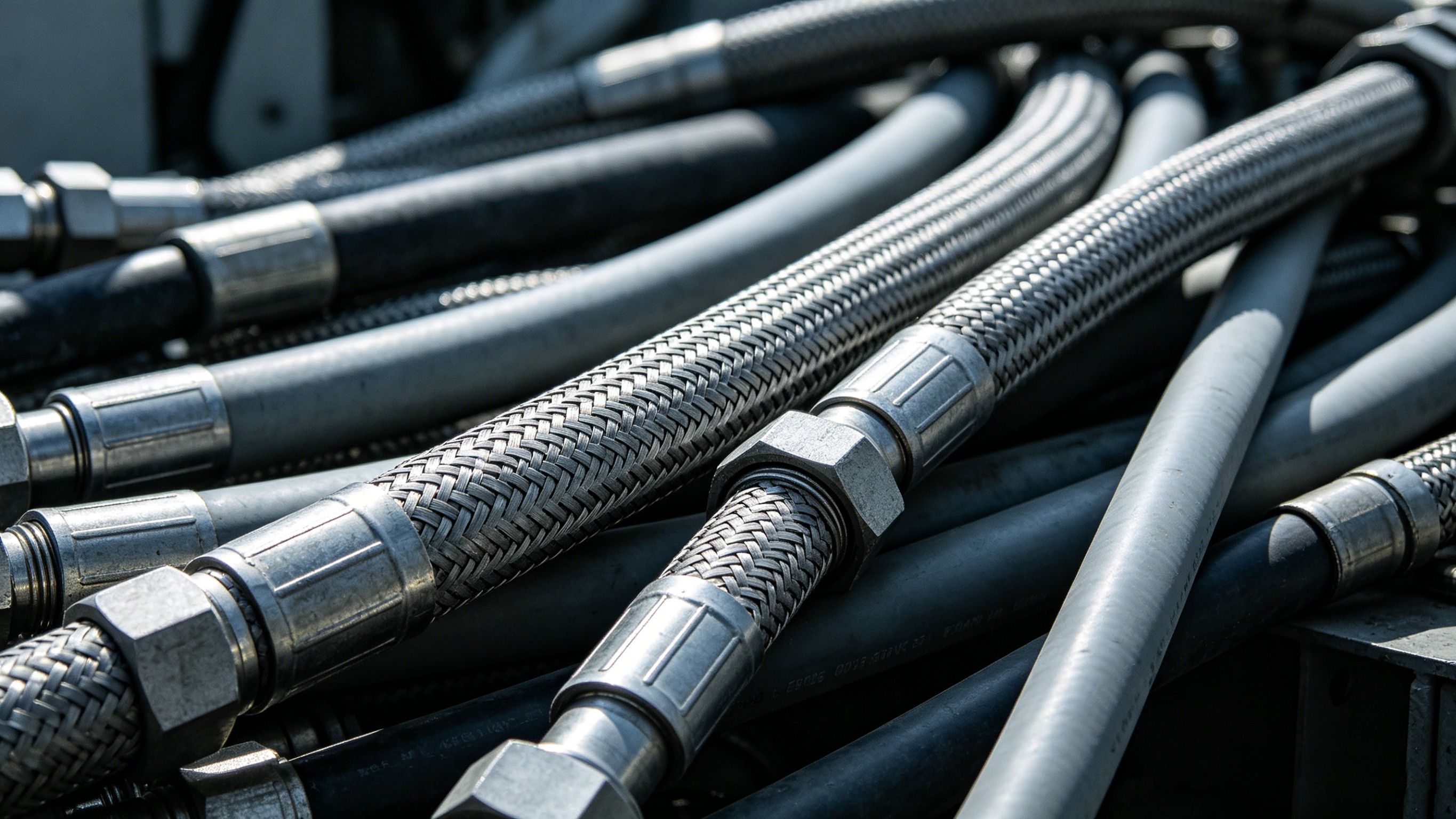
Outer cover: Look for cuts, abrasion, cracking, bulging, or exposed reinforcement layers.
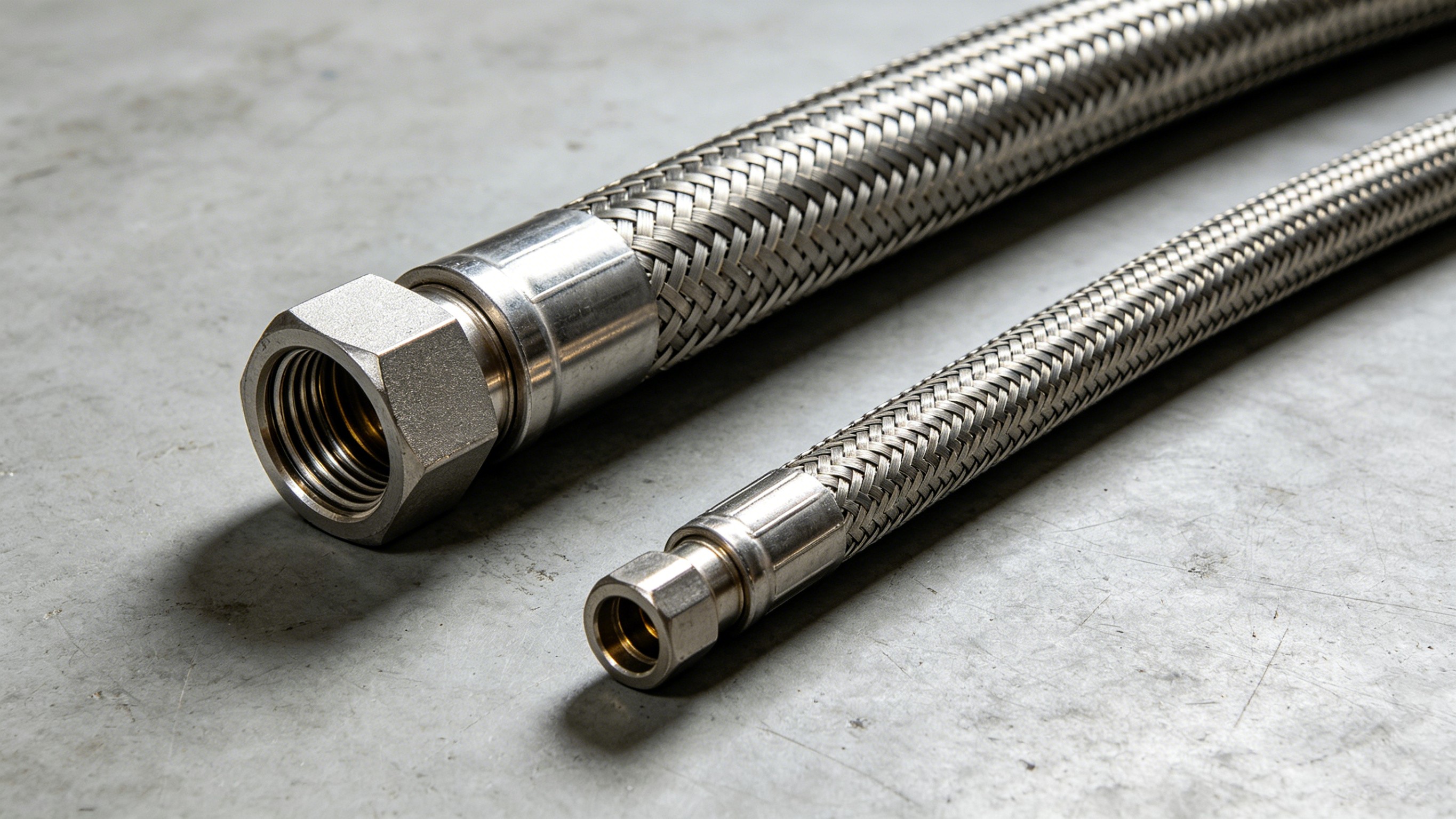
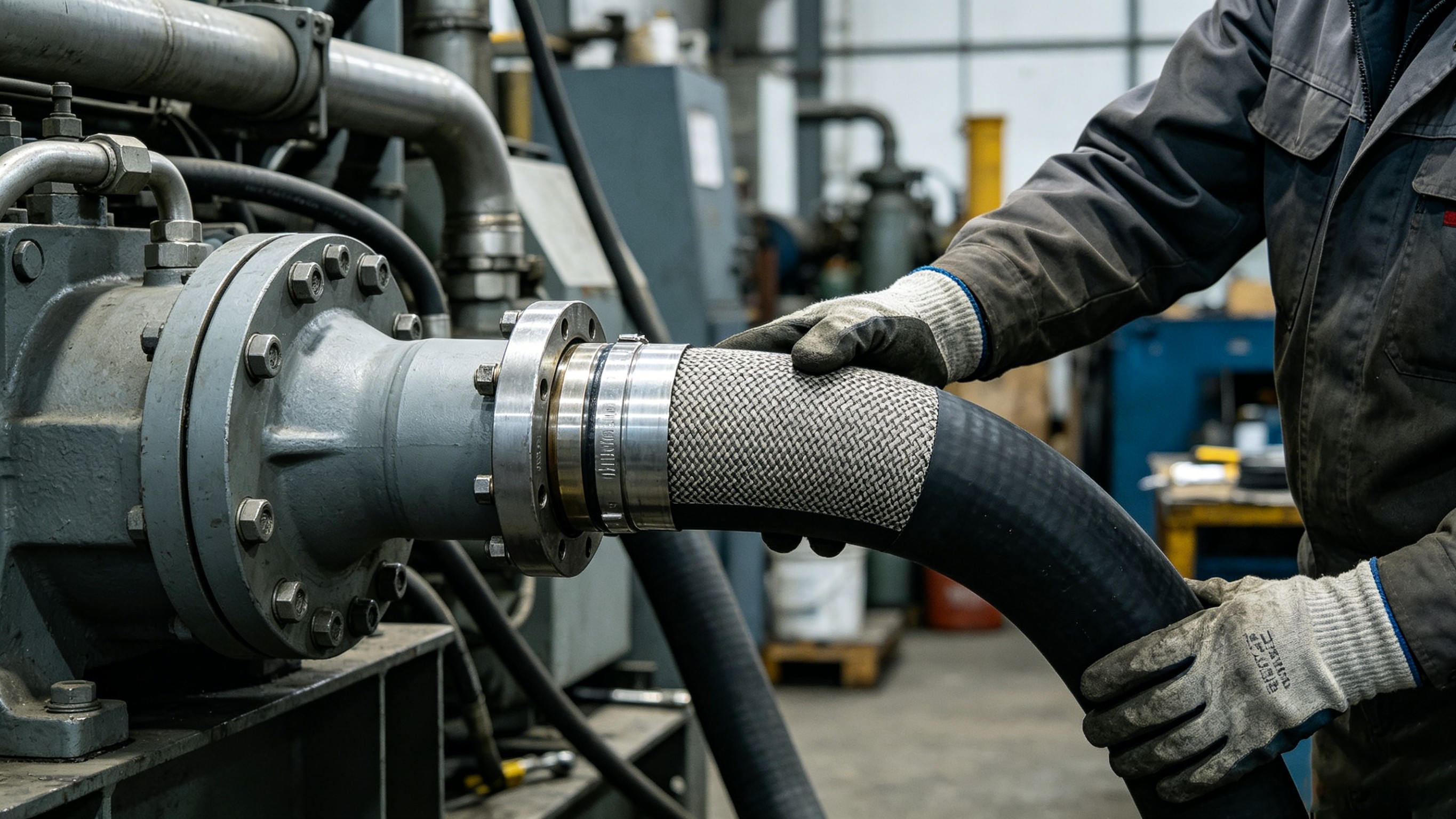
Fittings: Check for corrosion, cracks, loose connections, or signs of leakage.
Hose body: Feel for soft spots, hardening, swelling, or deformation.
Markings: Confirm that pressure rating, size, and specification markings are still legible.
If any abnormality is found, do not use the hose. A small surface defect can indicate deeper structural damage, especially in high-pressure applications.
2. Avoid Exceeding Rated Pressure
Every industrial hose has a rated working pressure and, in many cases, a burst pressure. Always operate within the manufacturer's specified limits.
.Do not use a hose below its required pressure rating.
.Avoid sudden pressure spikes by controlling pump start-up and shut-down.
.Ensure pressure relief valves and safety devices are functioning properly.
.Never modify fittings or adapt connections without confirming compatibility.
Using a hose beyond its design limits can lead to sudden failure and serious safety risks.
3. Respect Minimum Bending Radius
Bending a hose too tightly can damage the reinforcement layer and reduce service life. Always follow the manufacturer's minimum bending radius recommendation.
.Avoid sharp bends near fittings.
.Do not kink or twist the hose during installation.
.Use support brackets or guides where long hose runs are required.
.Keep the hose free from unnecessary tension during operation.
4. Protect Against Abrasion and Mechanical Damage
Abrasion is one of the most common causes of hose failure. Even if the hose appears functional, repeated rubbing against rough surfaces can weaken the outer cover over time.
.Keep hoses away from sharp edges, moving parts, and hot surfaces.
.Use protective sleeves or guards in high-wear areas.
.Avoid dragging hoses across concrete, gravel, or metal surfaces.
.Do not allow vehicles or heavy equipment to run over hoses.
5. Check Fluid and Temperature Compatibility
Hose materials must be compatible with the fluids they carry and the temperatures they encounter. Using an incompatible hose can cause inner tube swelling, softening, cracking, or premature failure.
Confirm compatibility for:
.Hydraulic oil
.Water or water-based fluids
.Chemicals and solvents
.High-temperature or low-temperature environments
.Steam or hot cleaning media
If you are unsure about compatibility, consult the hose manufacturer before use.
6. Store Hoses Properly
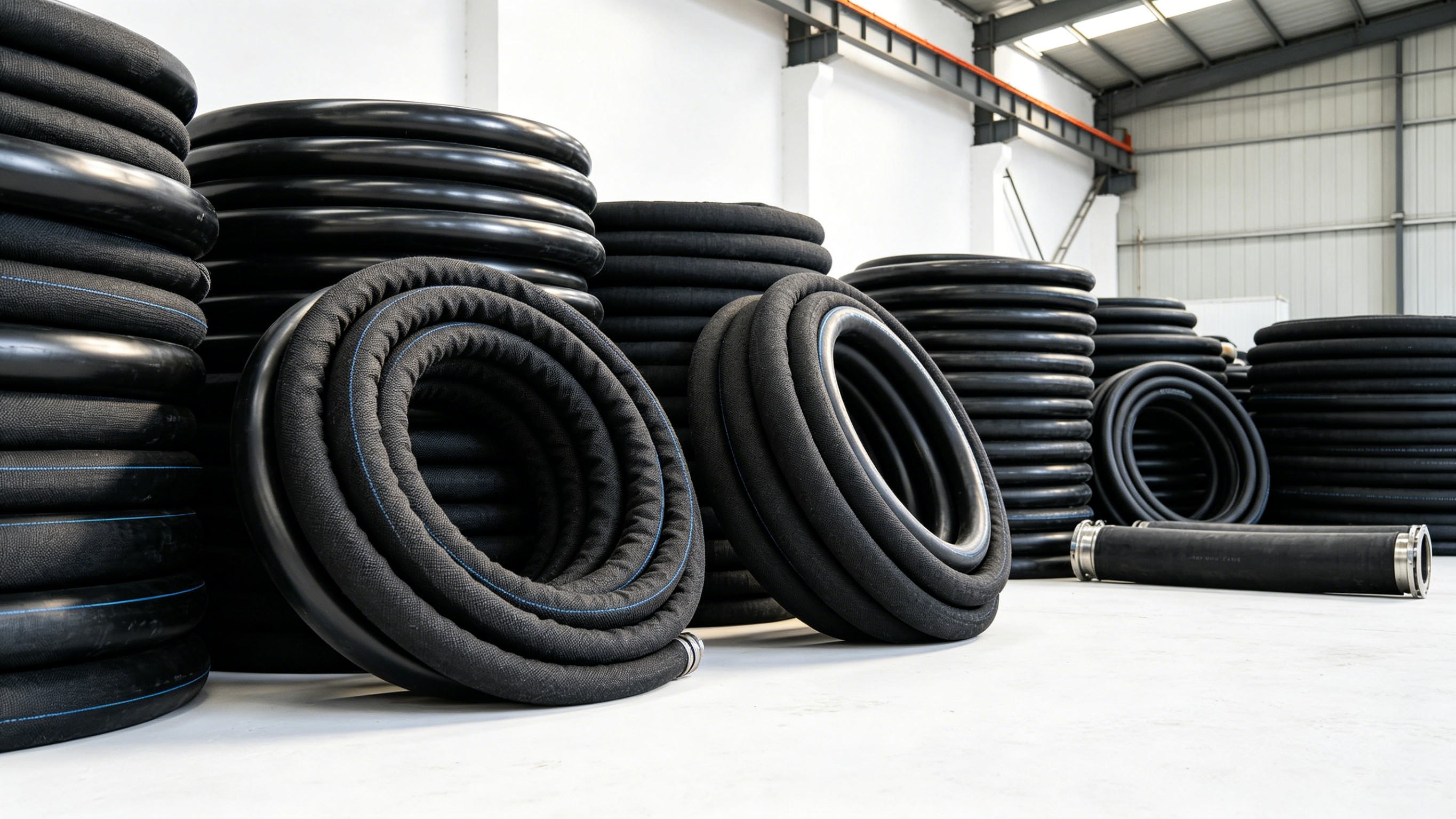
Proper storage helps extend hose life and prevents unnecessary degradation.
.Store hoses in a clean, dry, and well-ventilated area.
.Avoid direct sunlight, ozone sources, and extreme temperatures.
.Keep hoses away from oils, chemicals, or solvents unless specifically .designed for such exposure.
.Coil hoses loosely without sharp bends.
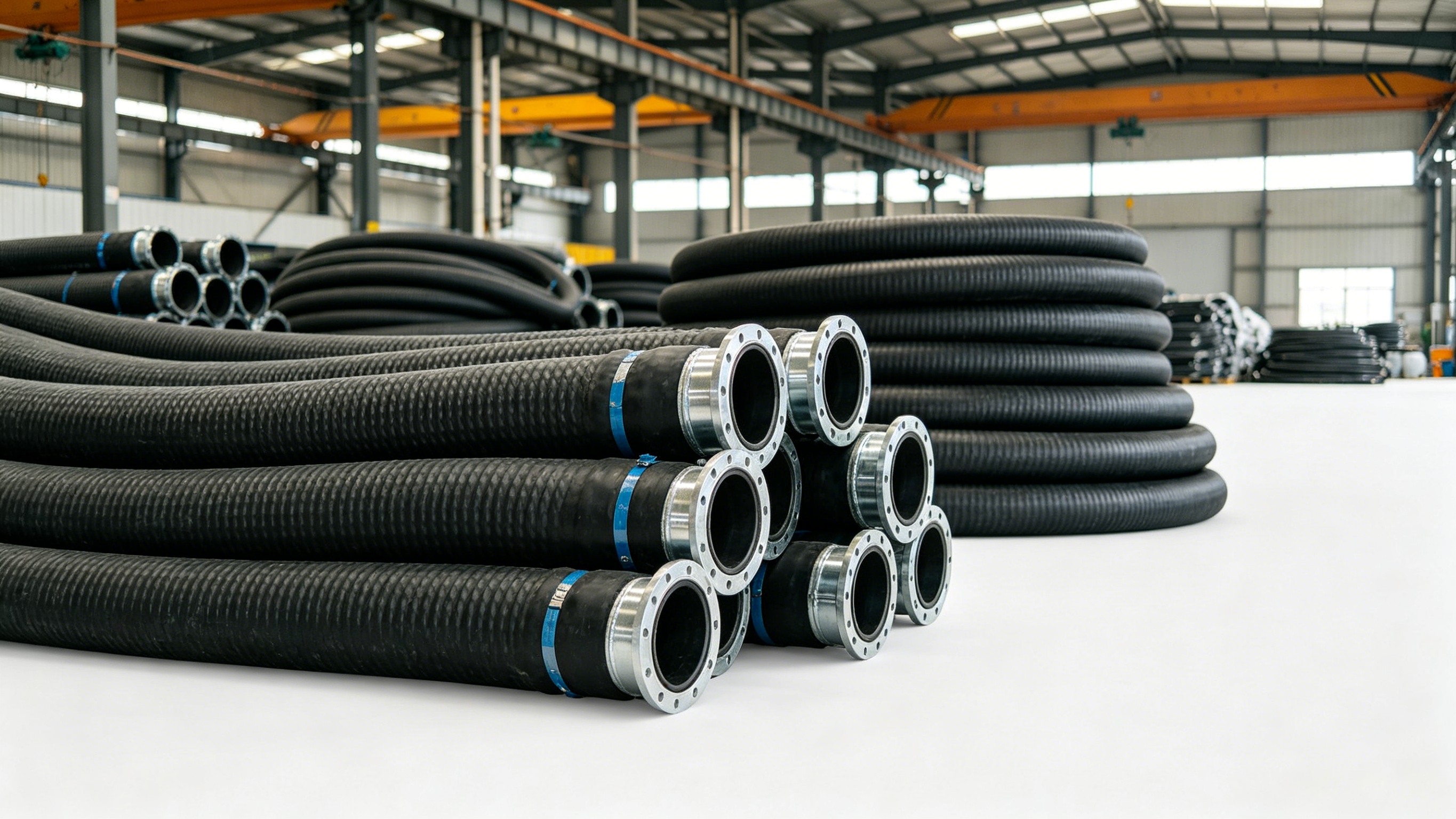
.Hang large-diameter hoses on appropriate racks rather than stacking them under heavy weight.
7. Replace Hoses on Time
Even well-maintained hoses have a finite service life. Age, pressure cycling, temperature changes, and environmental exposure can all reduce hose integrity.
Replace hoses immediately if you observe:
.Leakage at fittings or along the hose body
.Visible cracks, bulges, or blistering
.Exposed wire or fiber reinforcement
.Significant hardening, softening, or swelling
.Damaged, corroded, or deformed fittings
.Uncertain service history in critical applications
For high-pressure and safety-critical systems, do not wait for visible failure before replacing a hose.
8. Train Operators and Establish Records
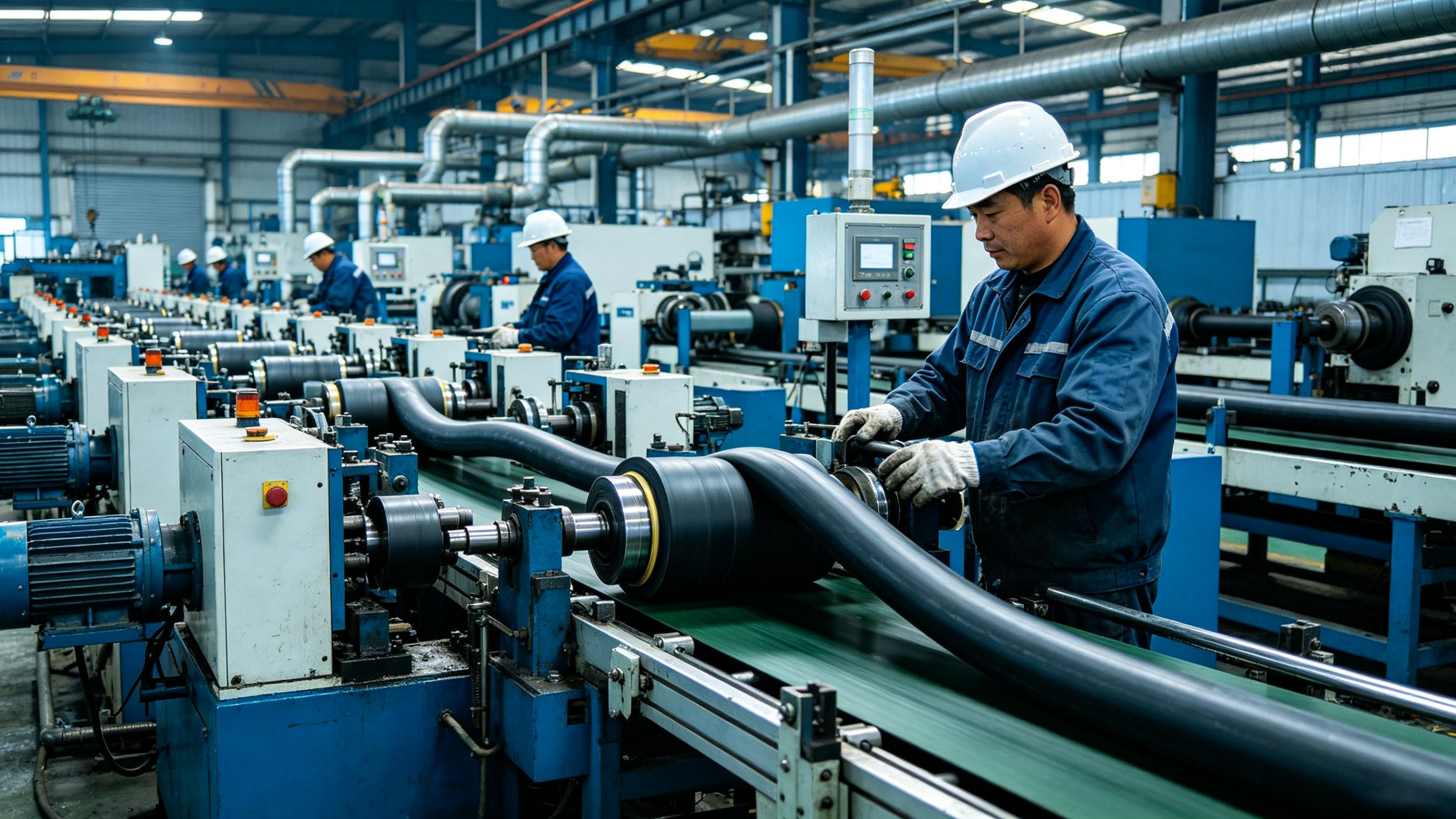
Safe hose use depends not only on product quality but also on operator awareness. Provide basic training for personnel who install, operate, inspect, or replace hoses.
Recommended practices include:
.Keeping inspection records for critical hoses.
.Labeling hoses with installation dates or service intervals.
.Using color coding or tags for different pressure levels or applications.
.Establishing clear procedures for hose replacement.
.Reporting near-misses or minor leaks before they become serious failures.
Final Thoughts
Industrial hoses may look simple, but they operate under demanding conditions. Regular inspection, correct selection, proper handling, and timely replacement are the most effective ways to improve reliability and safety.
If you need support selecting the right hose for your application, our team can help with nylon resin high-pressure hoses, nylon resin test hoses, PU polyurethane hoses, TPV rubber hoses, and ultra-high pressure cleaning hoses. Feel free to contact us for technical guidance and product recommendations.