PU Polyurethane Hoses: Steel Wire vs. Reinforced – Which One Do You Need?
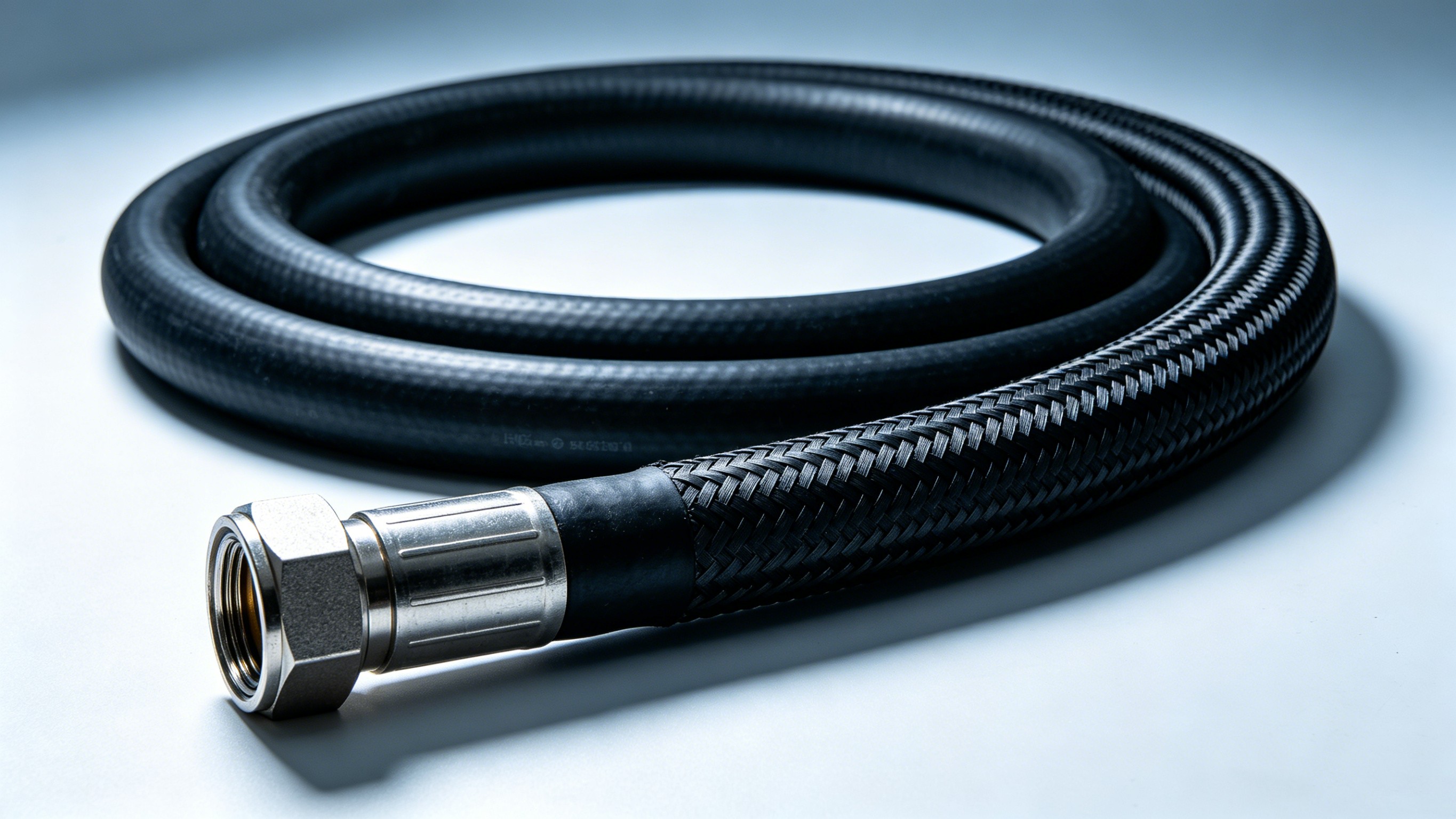
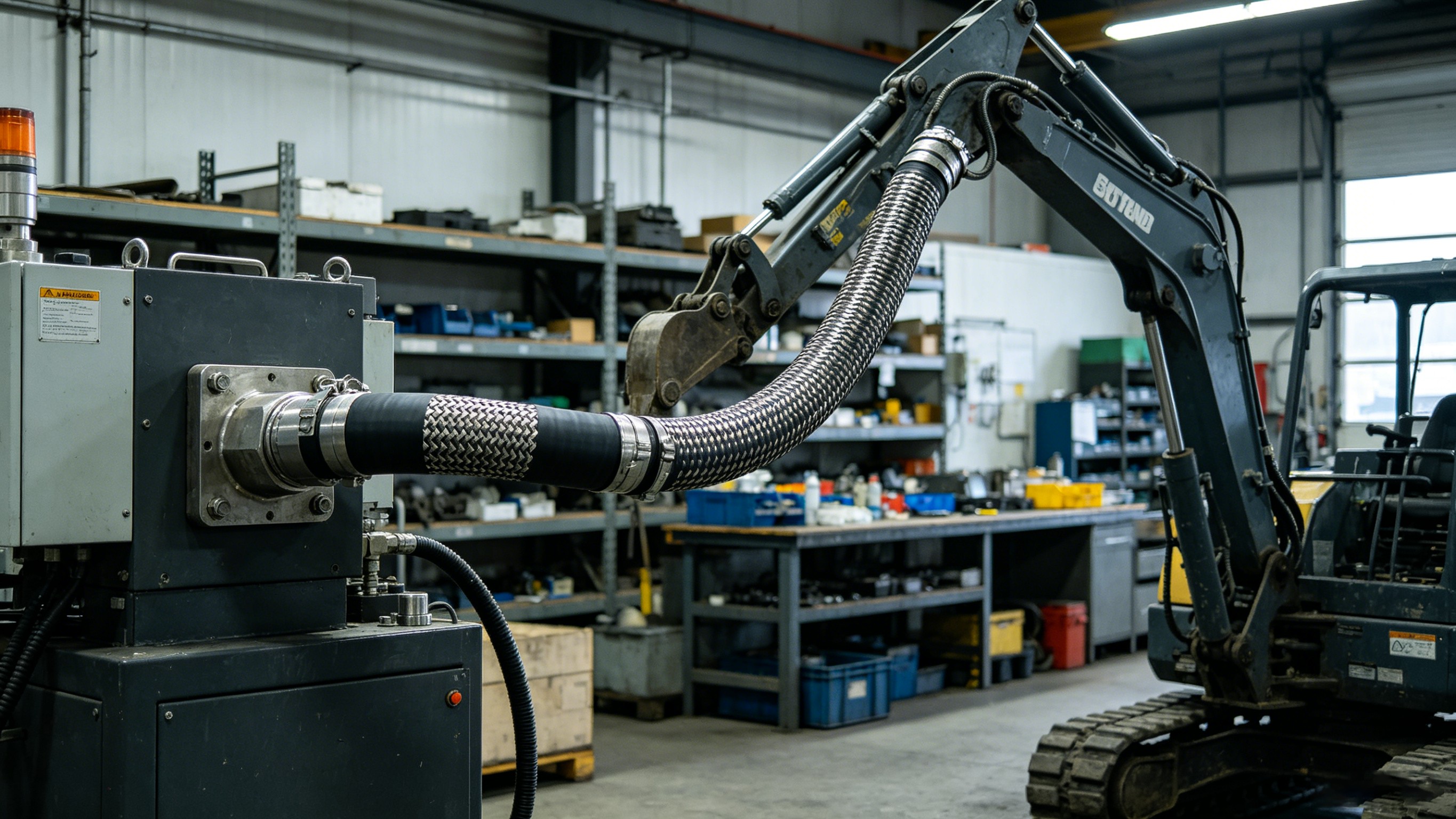
Polyurethane (PU) hoses are renowned for their exceptional abrasion resistance, flexibility, and transparency, making them indispensable in various industrial applications. However, not all PU hoses are created equal. Two common types often cause confusion: PU Polyurethane Steel Wire Hoses and PU Polyurethane Reinforced Hoses (often with plastic spiral reinforcement). Understanding their differences is crucial for selecting the right product for your specific needs.
PU Polyurethane Steel Wire Hose: Strength for Demanding Tasks
Structure:
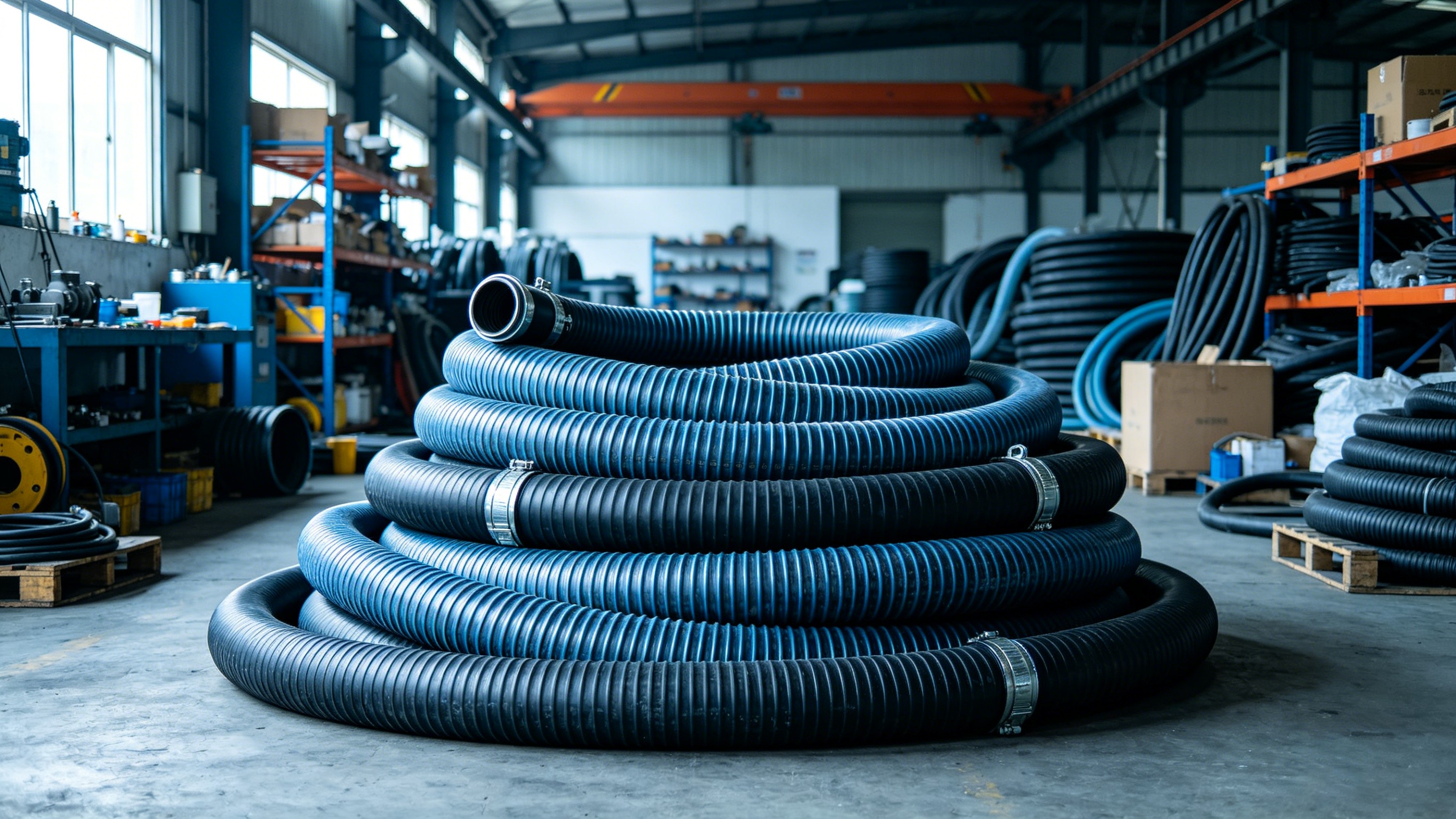
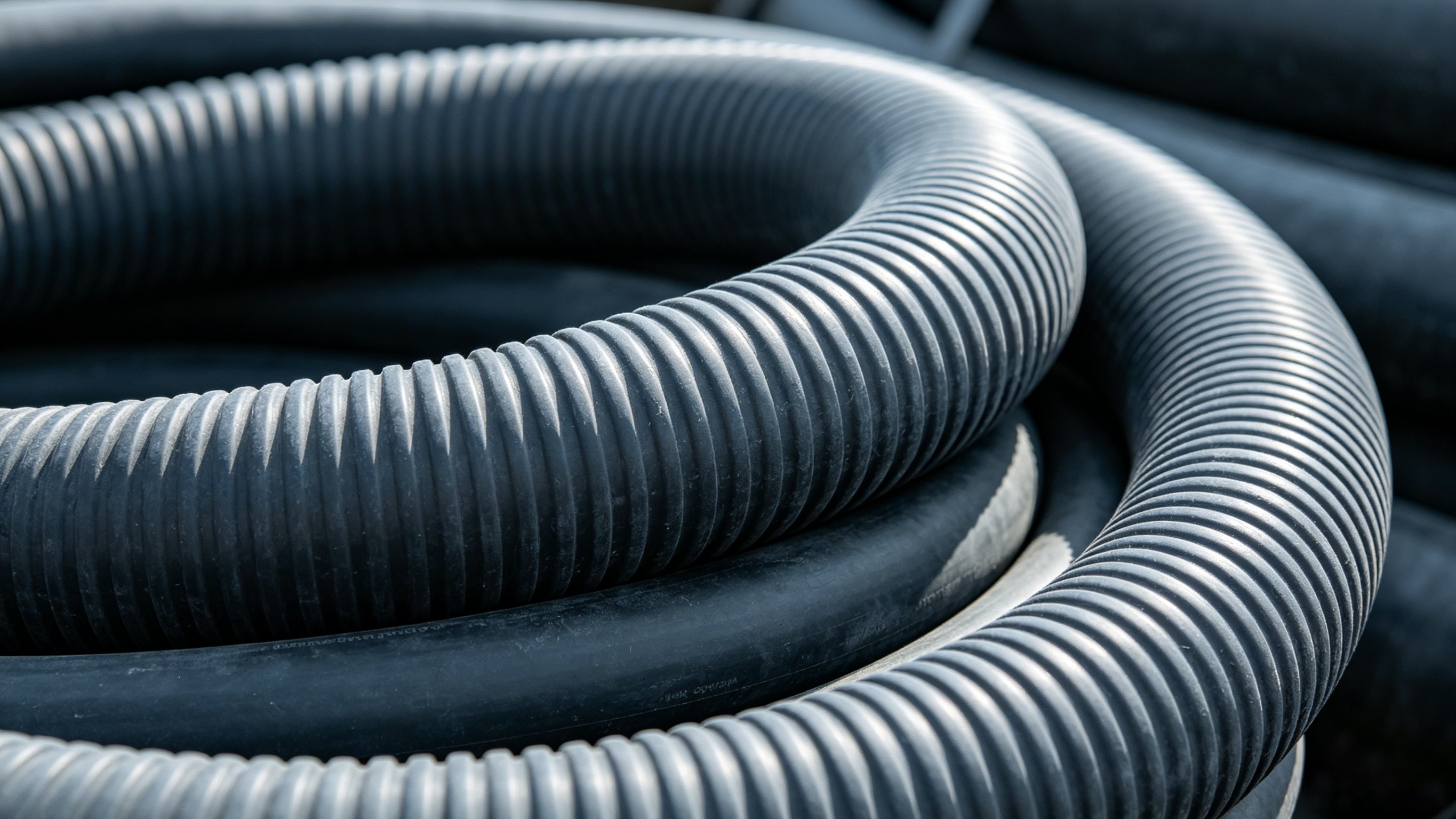
This hose features a seamless PU tube reinforced with a high-tensile steel wire spiral embedded within the wall. The steel wire provides robust structural support.
Key Features:
Extreme Abrasion Resistance: Ideal for handling highly abrasive materials like sand, gravel, wood chips, pellets, and powders.
High Pressure & Vacuum Resistance: The steel wire reinforcement allows it to withstand significant positive pressure and full vacuum without collapsing.
Good Flexibility: Despite the steel wire, it remains relatively flexible for easier installation.
Temperature Resistance: Generally offers a wider operating temperature range compared to plastic-reinforced variants.
Durability: Highly resistant to crushing, kinking, and tearing.
Typical Applications:
Pneumatic conveying of abrasive solids (plastics, grains, cement, minerals).
Industrial vacuum cleaning systems.
Woodworking dust collection.
Bulk material handling in agriculture and mining.
Suction and discharge of granules and powders.
PU Polyurethane Reinforced Hose (Plastic Spiral):Lightweight & Cost-Effective
Structure:
This hose typically uses a PU tube reinforced with a rigid PVC or PU plastic spiral embedded in the wall. The reinforcement provides shape and some crush resistance.
Key Features:
Lightweight: Significantly lighter than steel wire reinforced hoses, making it easier to handle and install.
Cost-Effective: Generally more affordable than steel wire reinforced versions.
Good Flexibility: Offers excellent flexibility, especially in smaller diameters.
Transparency: Allows visual monitoring of material flow.
Moderate Abrasion Resistance: Suitable for less abrasive materials or lower-wear applications.
Limited Pressure/Vacuum Rating: Not suitable for high-pressure or high-vacuum applications compared to steel wire hoses.
Typical Applications:
Light-duty material handling (granules, pellets, non-abrasive powders).
General-purpose air ducting and ventilation.
Dust and fume extraction in lighter industrial settings.
Packaging machinery.
Food processing (if food-grade PU is used).
How to Choose?
Consider these factors:
Material Being Conveyed: Is it highly abrasive (steel wire) or relatively smooth (plastic spiral)?
Pressure/Vacuum Requirements: Do you need high pressure or full vacuum capability (steel wire)?
Weight Constraints: Is lightweighting a priority (plastic spiral)?
Budget: Is cost a primary concern (plastic spiral)?
Temperature: What is the operating temperature range?
Conclusion
Both PU polyurethane steel wire hoses and PU polyurethane reinforced hoses offer valuable solutions, but for different scenarios. Choose the steel wire version for heavy-duty, abrasive, high-pressure/vacuum applications. Opt for the plastic-reinforced version for lighter-duty, cost-sensitive, or weight-critical tasks involving less abrasive materials.
As a specialized manufacturer, we produce both types of PU hoses, along with nylon resin hoses, TPV rubber hoses, and ultra-high pressure cleaning hoses. Contact us to discuss your specific requirements and find the perfect hose solution for your application.