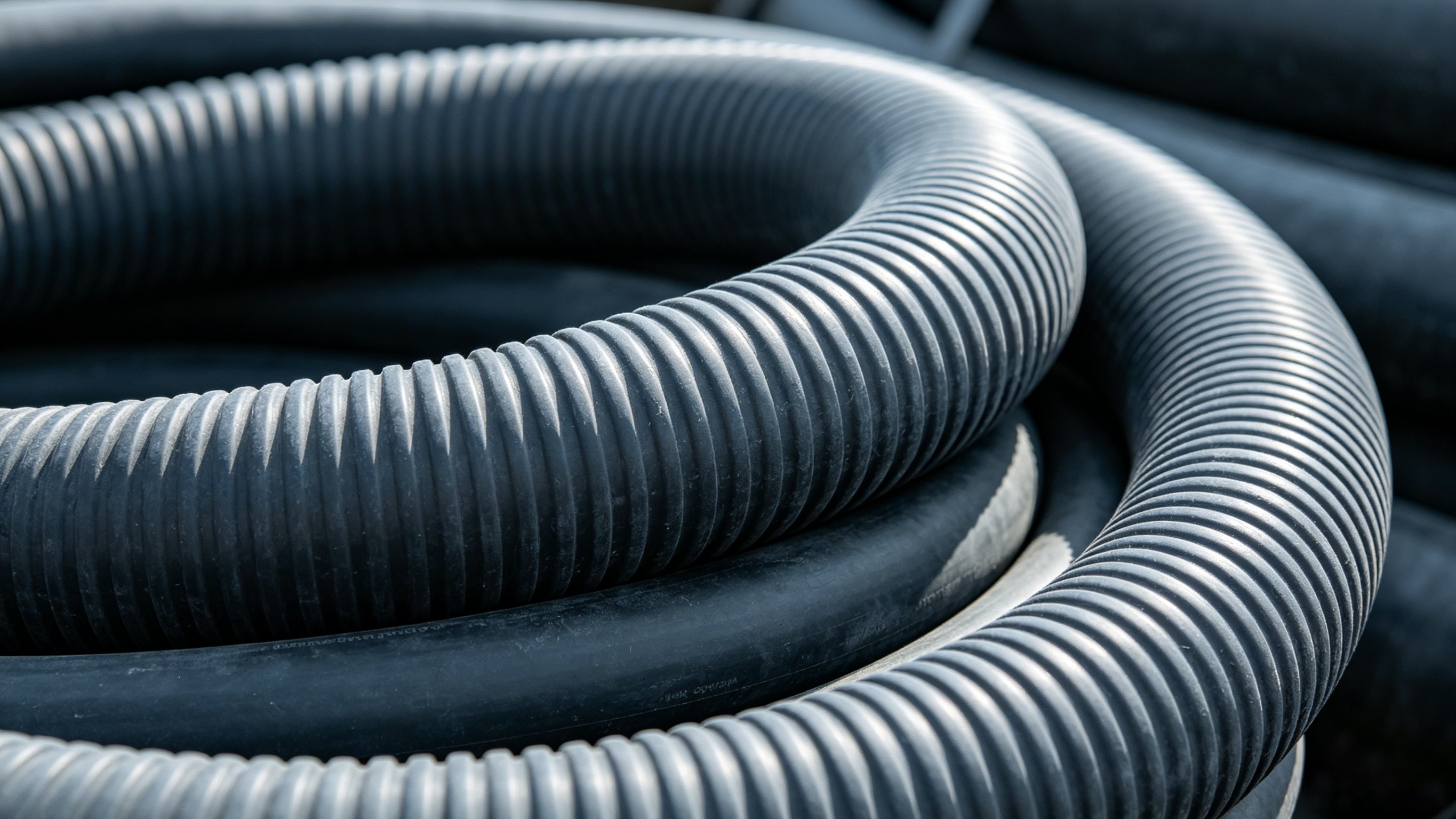
TPV Rubber Hose: A Heat-Resistant, Aging-Resistant, and Eco-Friendly Choice for Industrial Applications
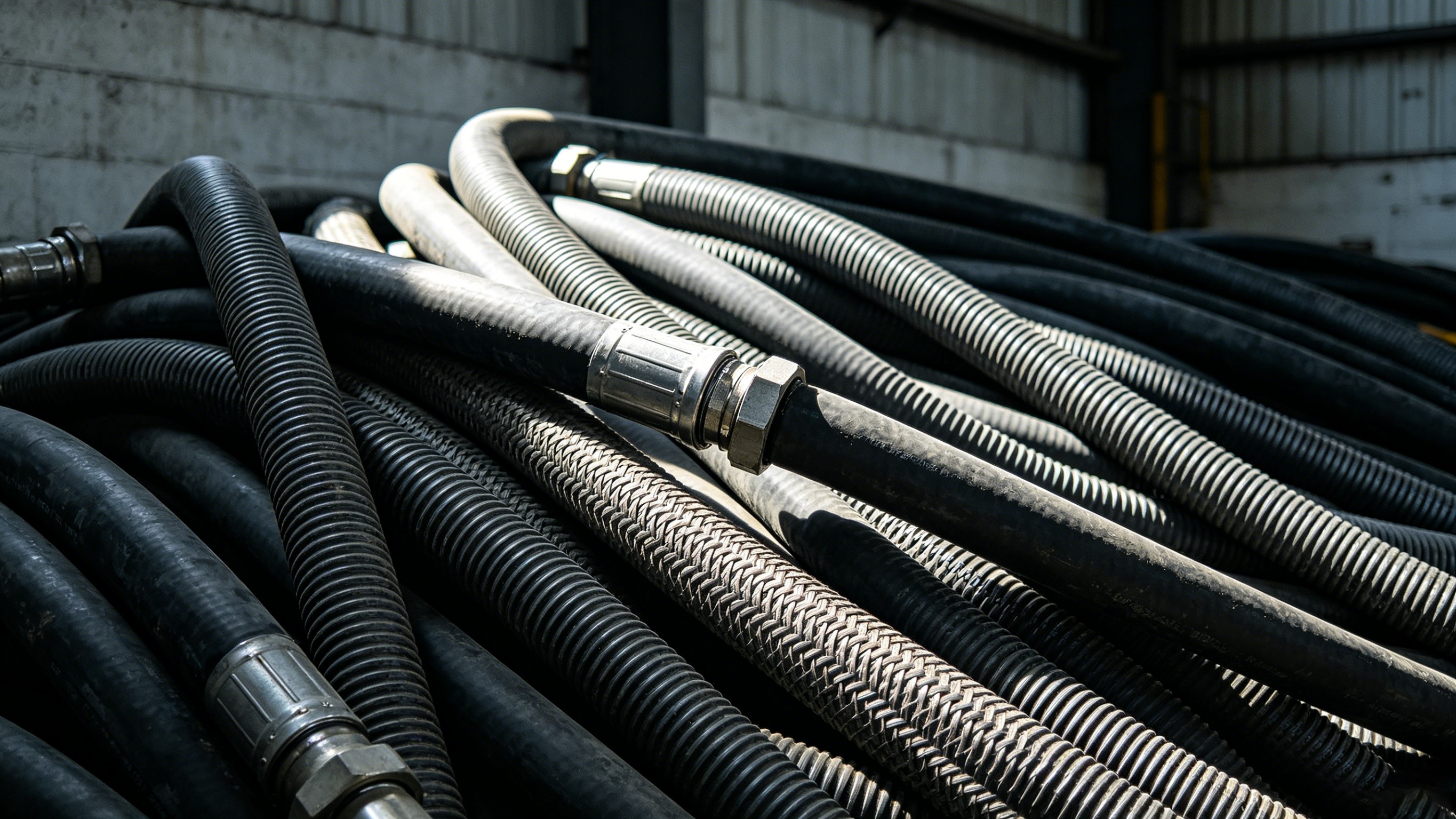
In automotive, home appliance, industrial equipment, fluid transfer, and sealing systems, hoses need to withstand long-term temperature changes, media corrosion, and repeated bending. With advantages such as heat resistance, aging resistance, weather resistance, and recyclability, TPV rubber hoses are becoming an important alternative to EPDM, PVC, and traditional rubber hoses. They are widely used in automotive, construction, home appliance, and industrial fields.
1. What Is a TPV Rubber Hose?
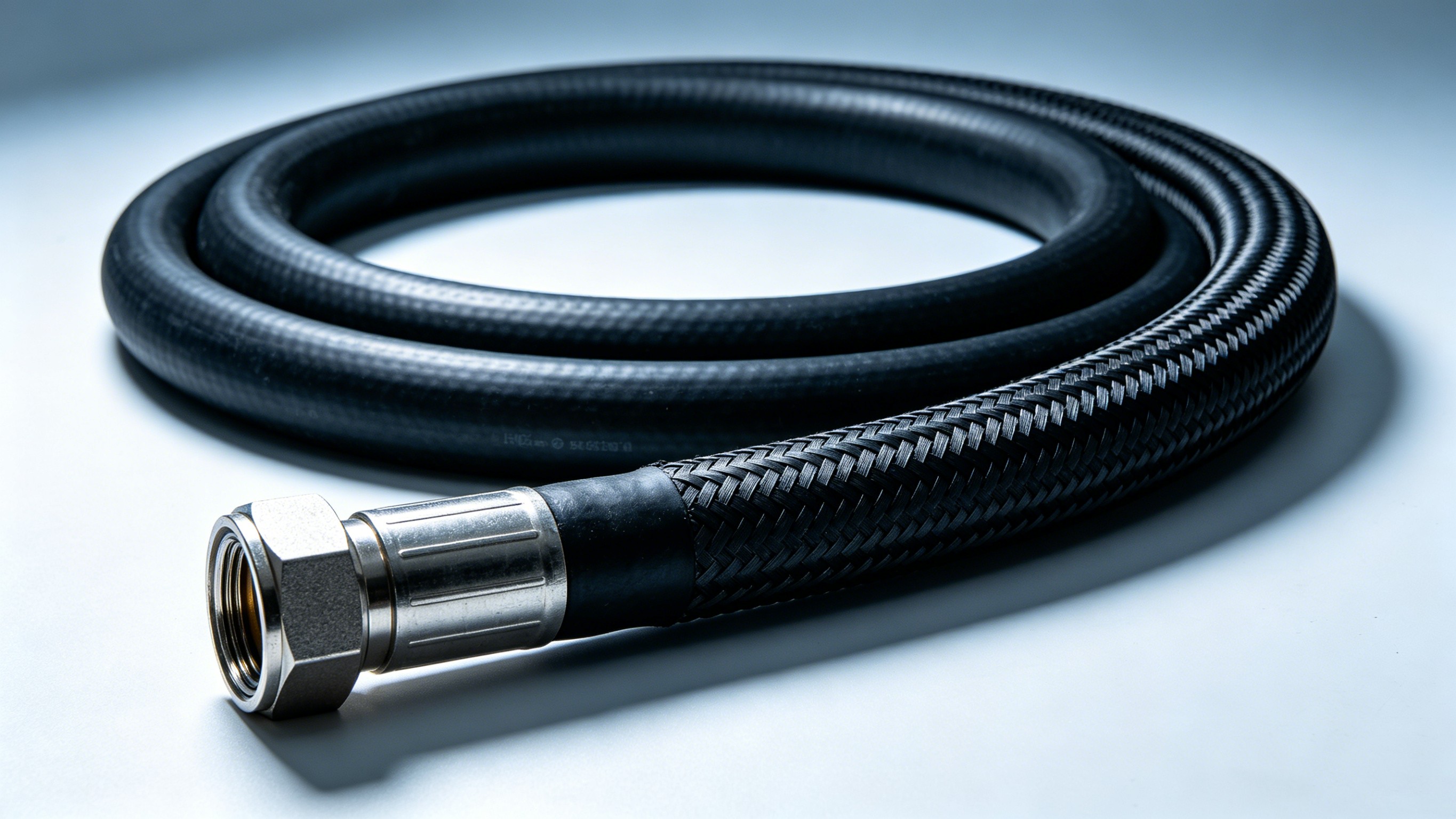
TPV stands for Thermoplastic Vulcanizate. It is a type of thermoplastic elastomer made from a rubber phase and a plastic phase through a dynamic vulcanization process. A TPV rubber hose is a flexible hose made mainly from TPV material, combining the elasticity of rubber with the processing properties of plastic.
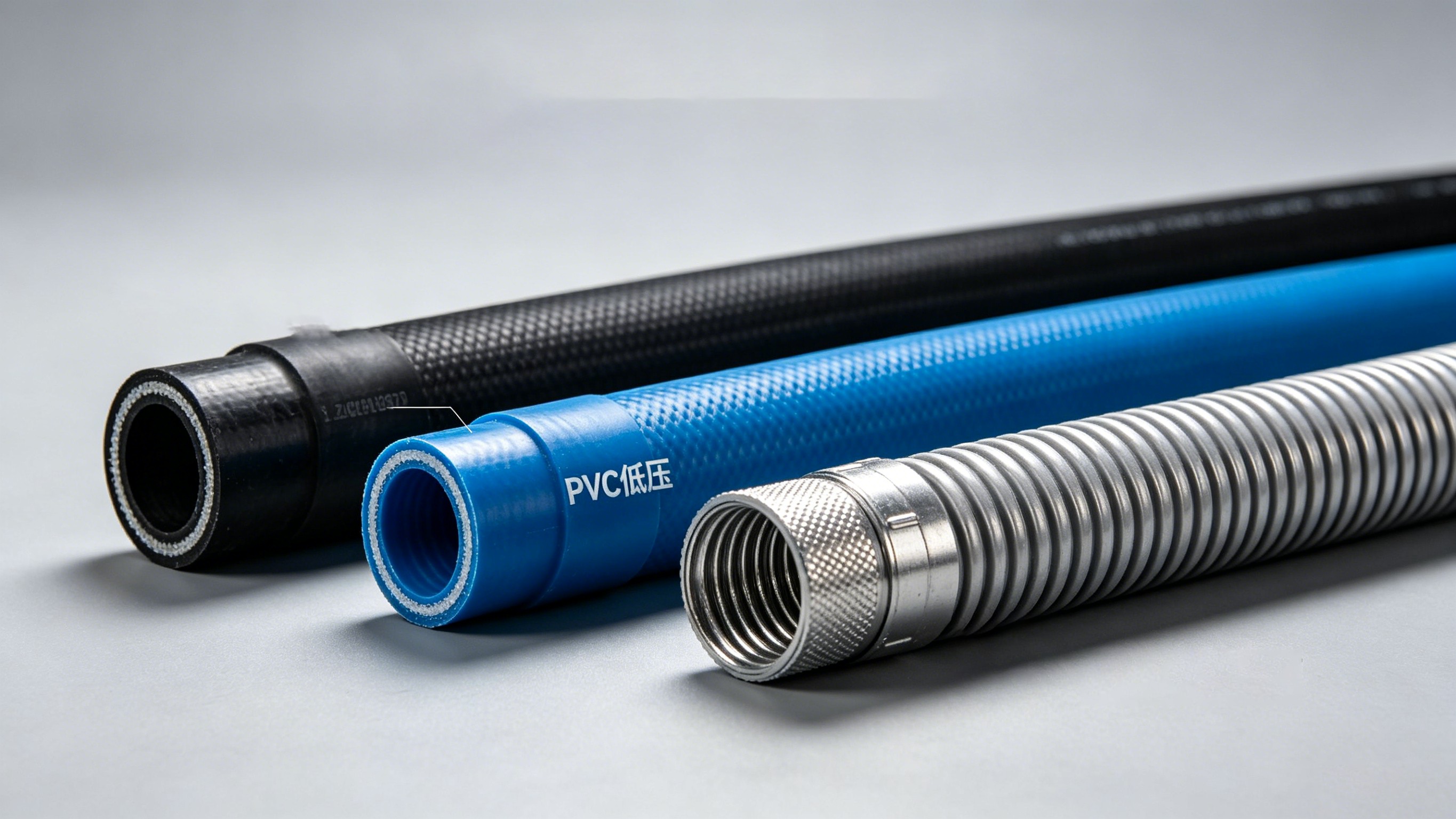
Unlike traditional thermoset rubber hoses, TPV hoses can be recycled and reused like plastic while maintaining good flexibility, weather resistance, and sealing performance. According to application requirements, TPV rubber hoses can be produced with different hardness levels, colors, and diameters. Special versions such as heat-resistant, oil-resistant, and food-grade are also available.
2. Core Advantages of TPV Rubber Hoses
Heat resistance and low-temperature resistance
TPV material has a wide service temperature range. It can usually be used long-term from -60°C to +135°C, and some grades can withstand even higher temperatures. This makes it suitable for engine compartments, hot water systems, and high-low temperature alternating conditions.
Aging resistance and weather resistance
TPV material has good resistance to UV, ozone, humidity, and atmospheric aging. It is not easy to crack, harden, or chalk during long-term outdoor use. Its service life is better than ordinary rubber and PVC hoses.
Eco-friendly and recyclable
TPV is a thermoplastic elastomer that can be recycled and reused during production and use. Scrap material can be reprocessed, meeting environmental protection and sustainable development requirements. It is increasingly replacing traditional thermoset rubber.
Good flexibility and small bending radius
TPV hoses are soft and have good rebound resilience, with a small bending radius. They are easy to install and route in tight spaces and are suitable for complex piping layouts.
Resistant to oil and chemical corrosion
Some TPV grades have good resistance to grease, acids, alkalis, and many chemical media. They are suitable for automotive, industrial, and fluid transfer applications.
Good sealing performance
TPV material has good rebound resilience and can form a stable seal when matched with fittings. This reduces leakage risk and makes it suitable for liquid and gas transfer systems.
Highly customizable
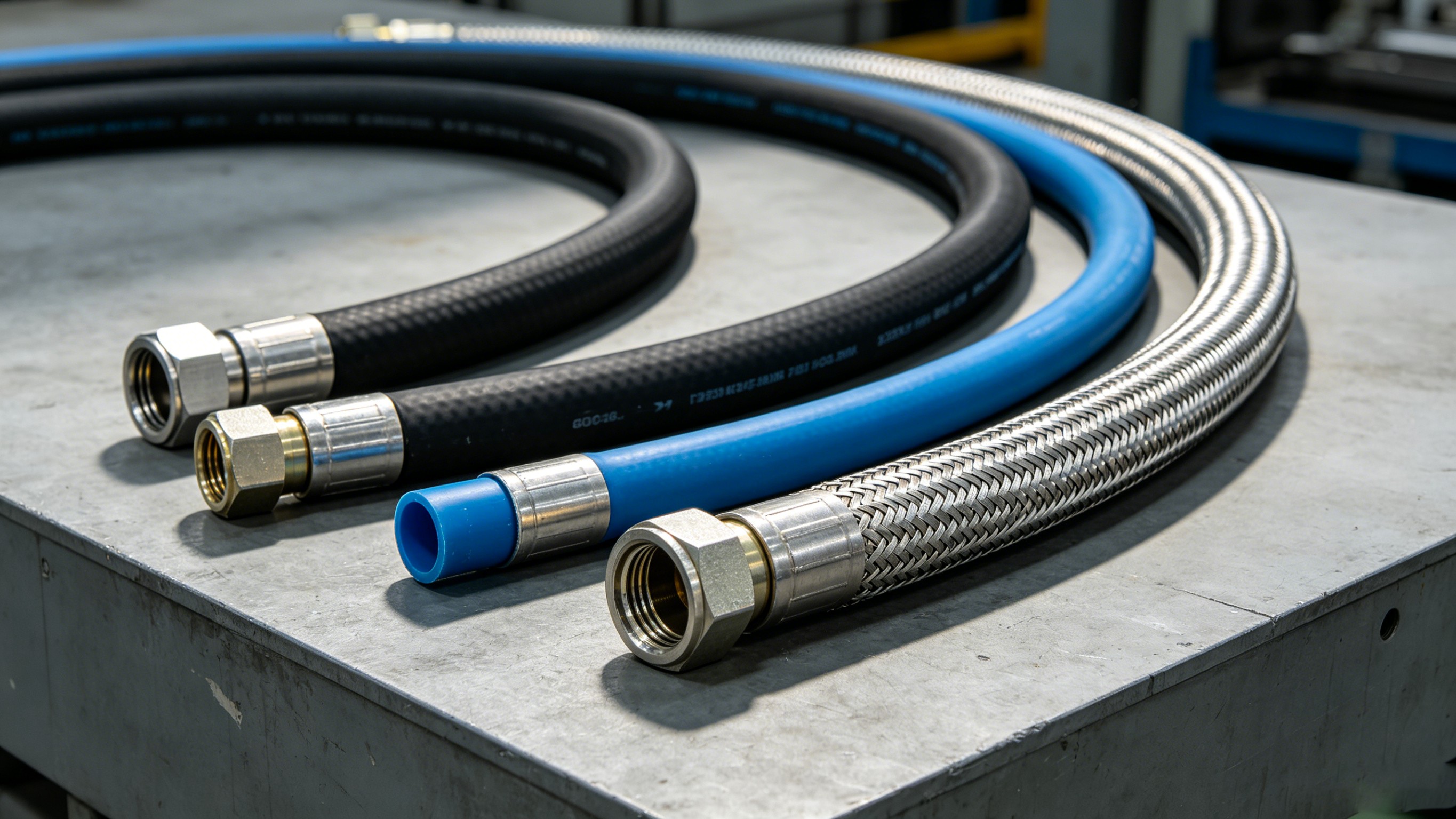
Hardness, color, diameter, wall thickness, and length can be customized according to customer requirements. Co-extrusion is also possible to produce multi-layer composite hoses that meet different performance requirements.
3. Typical Applications
TPV rubber hoses are widely used in the following fields:
Automotive industry: cooling system hoses, air conditioning hoses, brake hoses, fuel hoses, and window seals;
Home appliance industry: washing machine inlet hoses, dishwasher hoses, and refrigerator seals;
Construction and sanitary ware: hot and cold water hoses, shower hoses, and floor heating pipes;
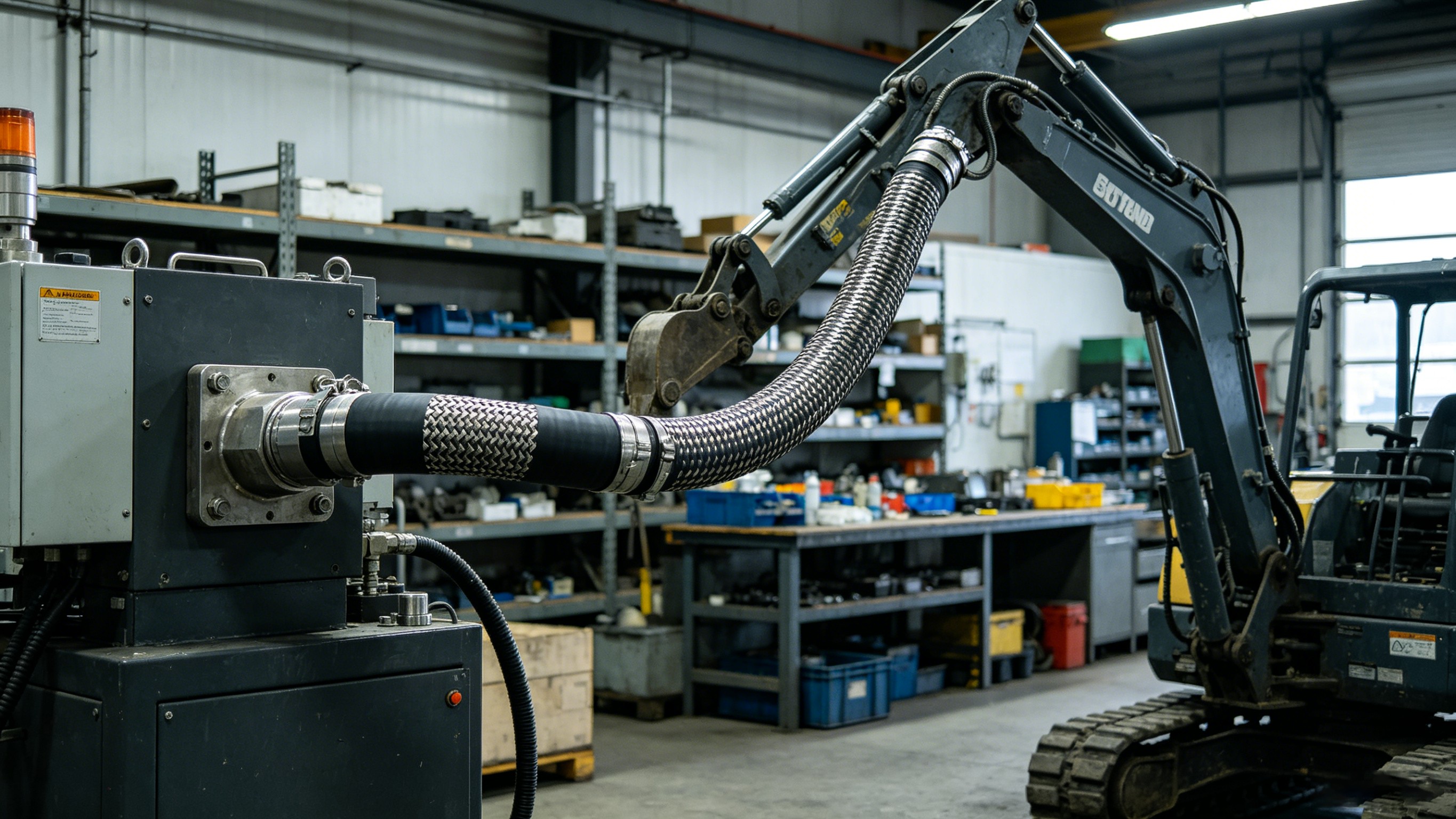
Industrial equipment: fluid transfer hoses, pneumatic hoses, and high-temperature resistant hoses;
Food and medical: food-grade transfer hoses and medical hoses (corresponding grades required).
For hose systems that require heat resistance, aging resistance, recyclability, and reliable sealing, TPV rubber hoses are a choice that balances performance and environmental protection.
4. How to Choose the Right TPV Rubber Hose
When selecting a TPV rubber hose, pay close attention to the following parameters:
Working temperature range
Choose the appropriate grade based on actual service temperature. Confirm whether long-term working temperature and short-term peak temperature are within the allowable range.
Working pressure and burst pressure
Choose the appropriate wall thickness and reinforcement structure based on system pressure, and keep a sufficient safety factor.
Inner diameter and outer diameter
The inner diameter affects flow rate, while the outer diameter affects installation space and bending radius. Both should be determined based on equipment interfaces and layout.
Media compatibility
When conveying oil, water, gas, or chemical liquids, make sure the TPV material will not swell, age, or lose performance after long-term contact with the medium.
Hardness and flexibility
Choose the appropriate hardness based on installation method and bending requirements. Lower hardness means better flexibility, but pressure resistance may decrease accordingly.
Special performance requirements
If oil resistance, food-grade, flame retardant, or anti-static properties are required, confirm available grades with the manufacturer in advance.
Connection methods and accessories
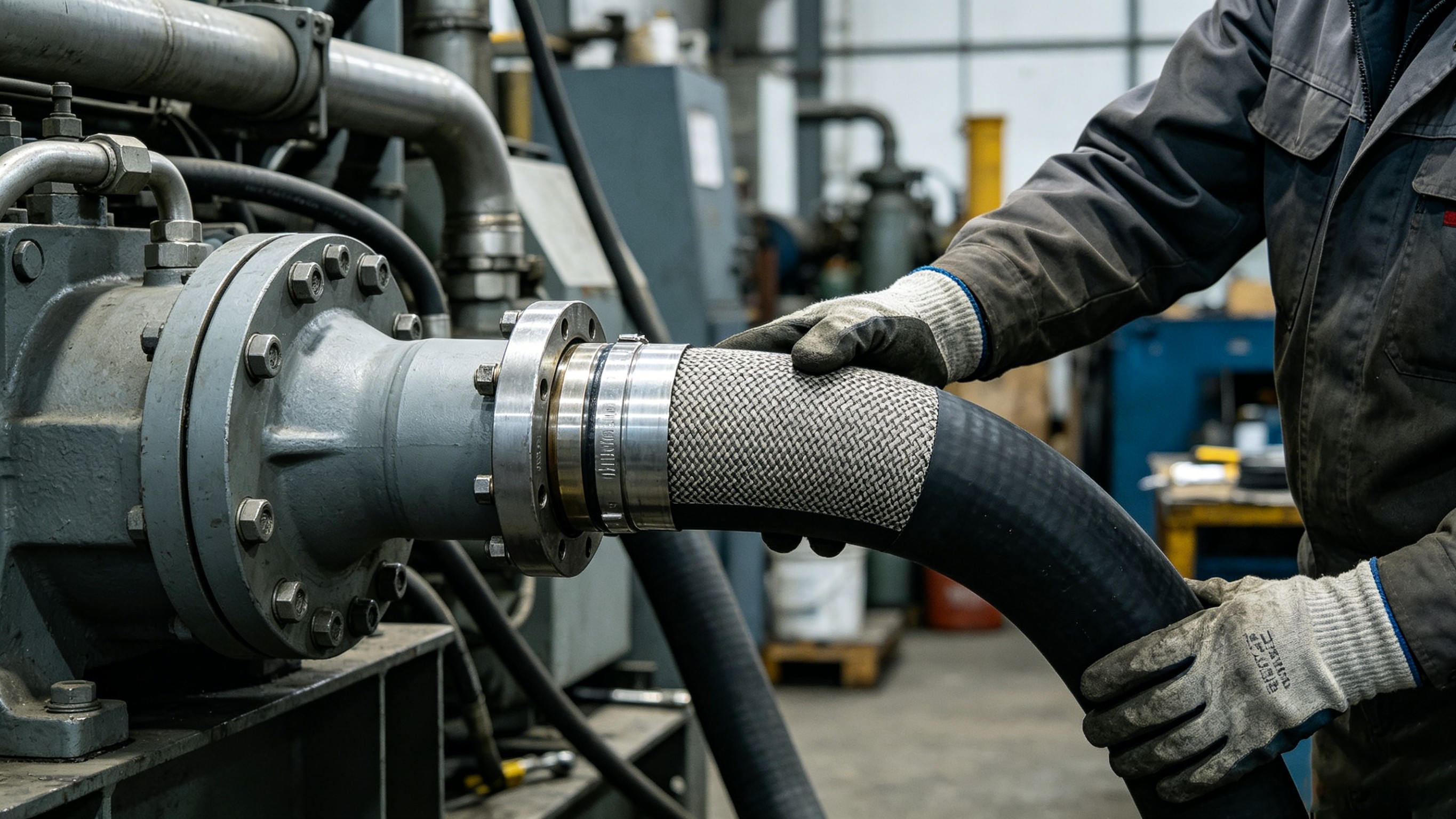
Choose clamps, quick couplings, threaded fittings, or other connection methods based on equipment interfaces to ensure reliable sealing and easy assembly and disassembly.
5. Conclusion
As automotive, home appliance, and industrial equipment continue to demand higher temperature resistance, aging resistance, and environmental performance from hoses, the application range of TPV rubber hoses continues to expand. As a hose manufacturer, we produce nylon resin high-pressure hoses, nylon resin pressure measuring hoses, PU polyurethane steel wire hoses, PU polyurethane ribbed hoses, ultra-high-pressure cleaning hoses, and TPV rubber hoses. We can provide suitable piping solutions for different working conditions.
If you are looking for TPV rubber hoses that are heat-resistant, aging-resistant, and eco-friendly, welcome to contact us for more specifications and selection advice.