Ultra-High-Pressure Cleaning Hose: Withstanding Extreme Pressure to Ensure Industrial Cleaning Efficiency and Safety
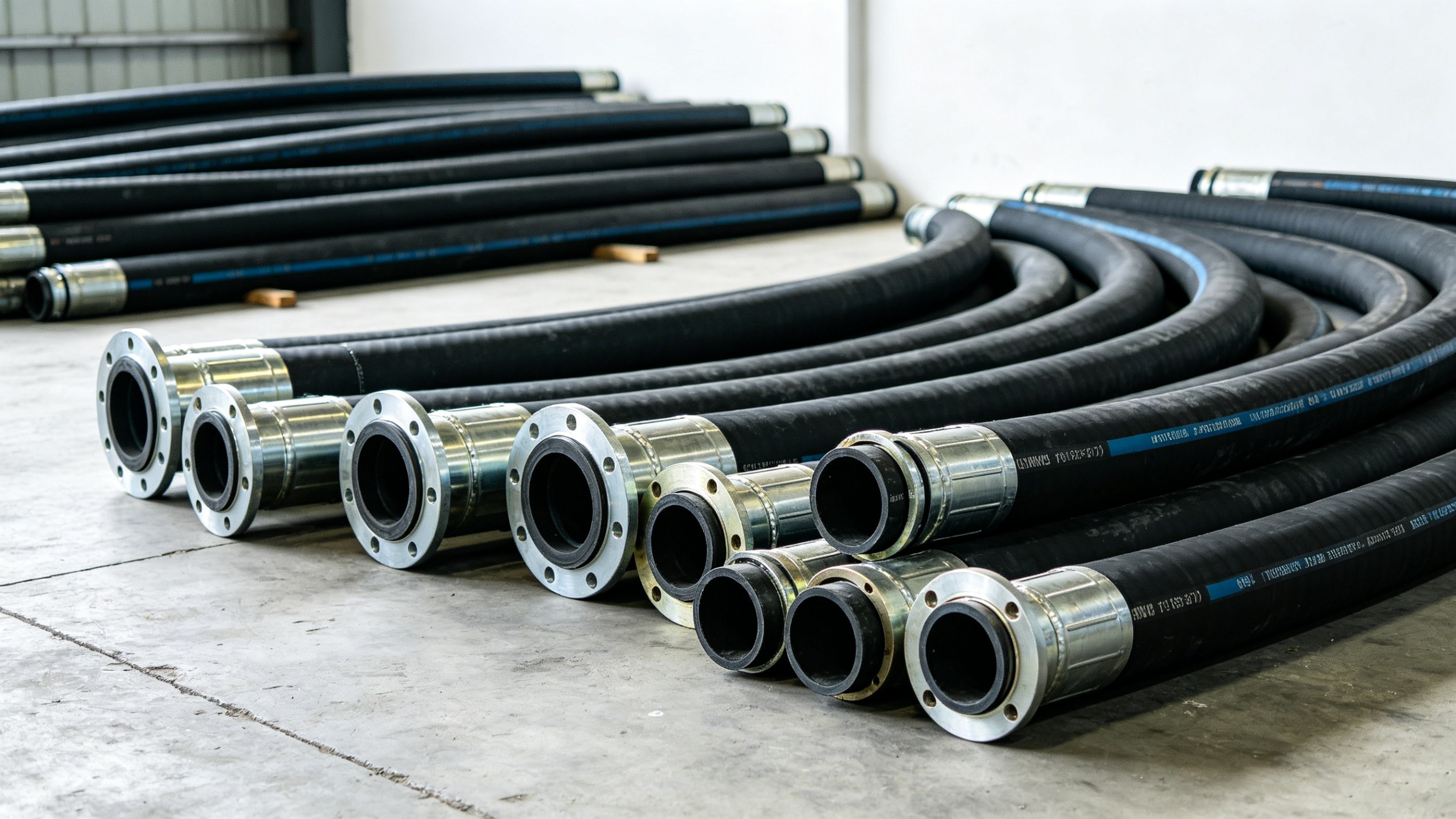
In industrial cleaning, high-pressure water jets, pipeline unblocking, and equipment descaling, the ultra-high-pressure cleaning hose is a critical component connecting the high-pressure pump and the cleaning nozzle. It must stably deliver water flow under extreme pressure while also offering wear resistance, aging resistance, pulse resistance, and flexible bending. Choosing the right ultra-high-pressure cleaning hose affects not only cleaning efficiency but also directly relates to operator safety.
1. What Is an Ultra-High-Pressure Cleaning Hose?
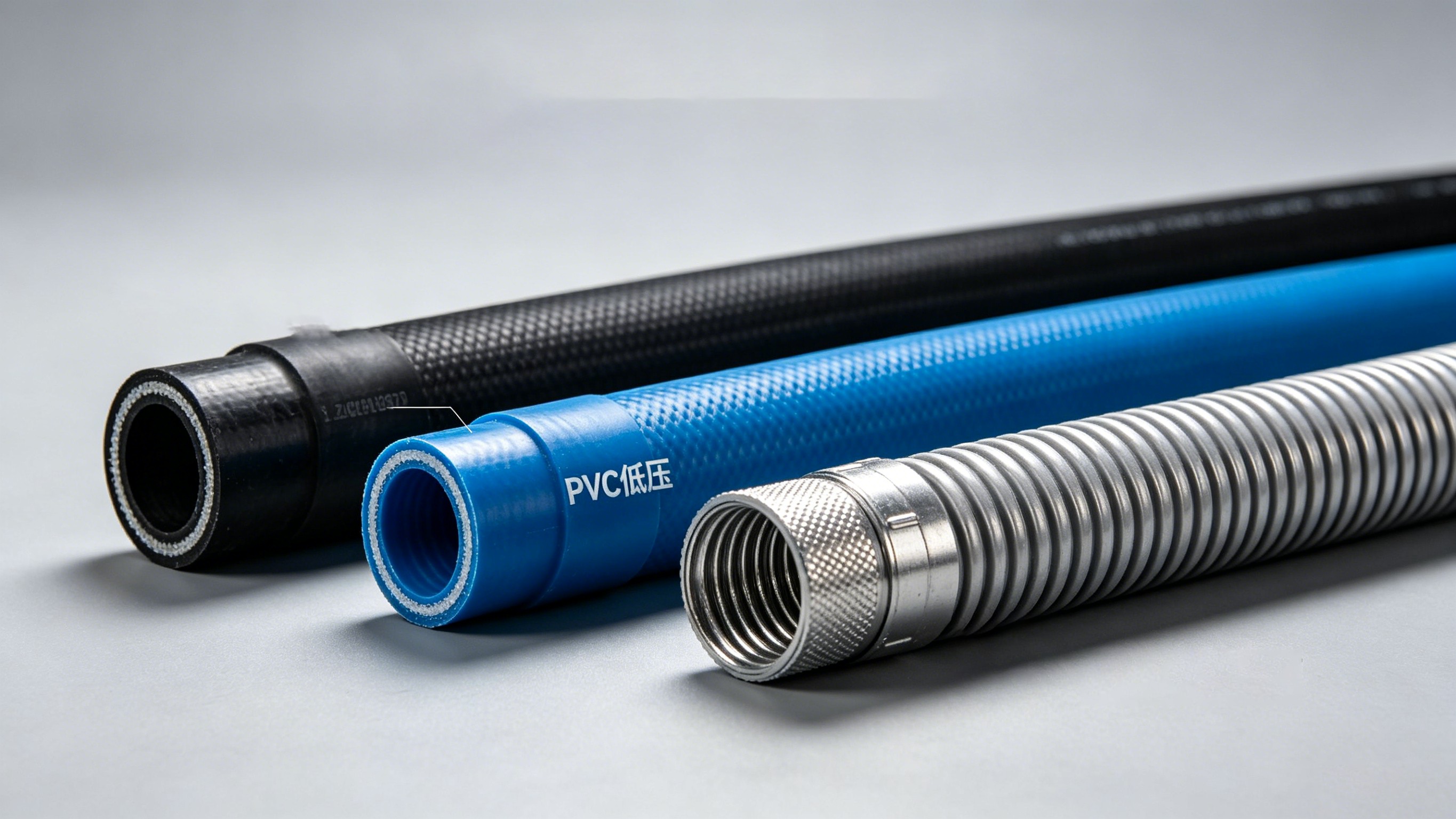
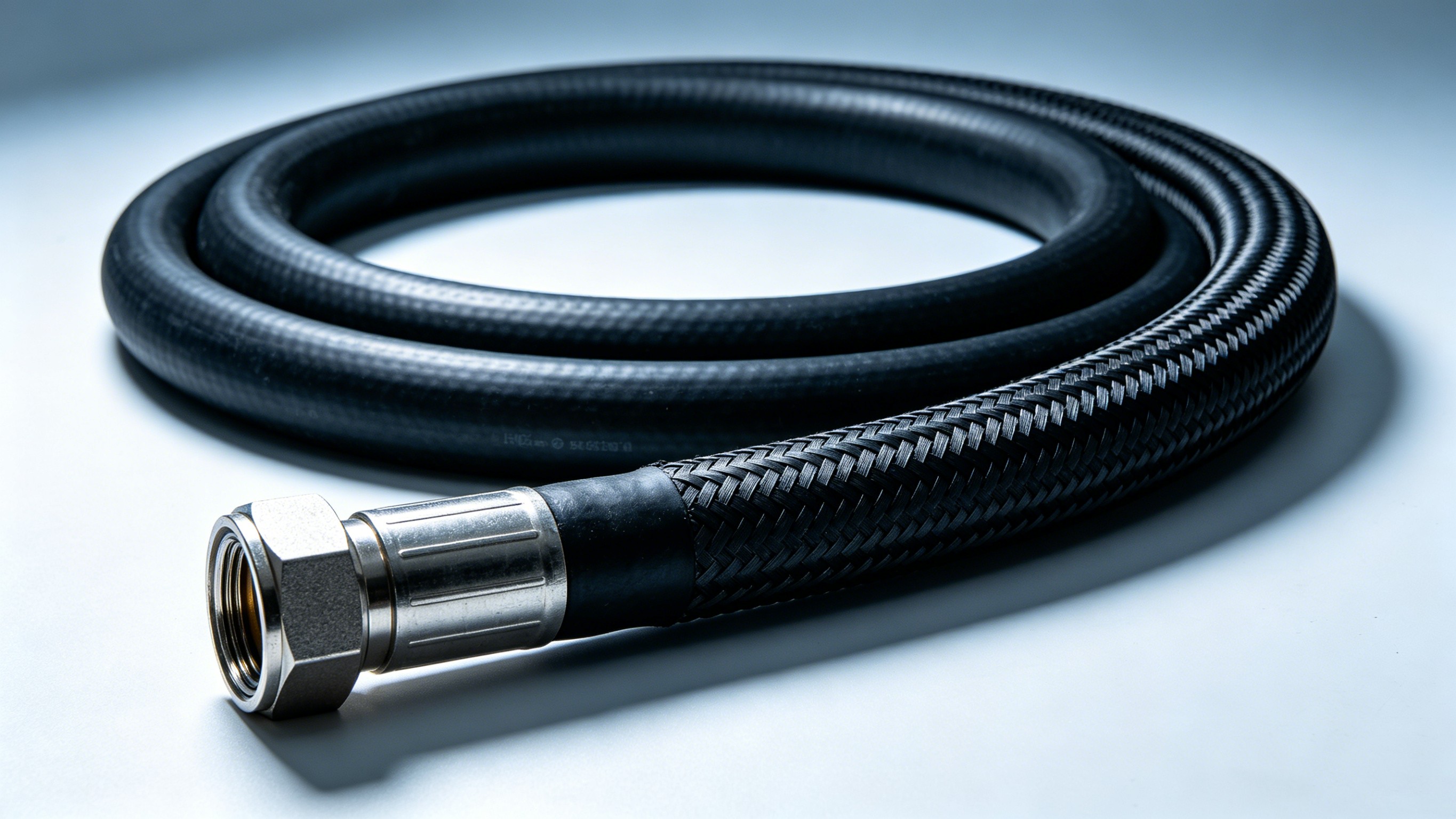
An ultra-high-pressure cleaning hose is a flexible hose specifically used in ultra-high-pressure water jet cleaning systems. It is usually composed of an inner layer, a reinforcement layer, and an outer layer. The inner layer conveys high-pressure water, the reinforcement layer typically uses multi-layer steel wire braiding or steel wire spiraling to withstand extreme pressure, and the outer layer provides wear resistance, weather resistance, and protection.
According to different working pressures, ultra-high-pressure cleaning hoses can be divided into high-pressure cleaning hoses and ultra-high-pressure cleaning hoses. Common working pressures range from several hundred bar to several thousand bar. Different pressure ratings correspond to different reinforcement structures and wall thicknesses. Users should choose the appropriate specification based on actual equipment pressure.
2. Core Advantages of Ultra-High-Pressure Cleaning Hoses
Extremely strong pressure resistance
The multi-layer steel wire reinforcement structure enables ultra-high-pressure cleaning hoses to withstand extremely high working pressures, meeting the needs of industrial high-pressure water jet cleaning, pipeline unblocking, and descaling.
Pulse-resistant and fatigue-resistant
Under frequent starts and stops of high-pressure pumps and pressure fluctuations, ultra-high-pressure cleaning hoses can maintain structural stability. They are not easily damaged by pulsating pressure and offer a longer service life.
Wear-resistant and aging-resistant
The outer layer usually uses wear-resistant and weather-resistant materials, allowing the hose to adapt to outdoor, workshop, and humid environments. This reduces the risk of burst caused by friction and aging.
Flexible bending and easy operation
Despite withstanding extreme pressure, ultra-high-pressure cleaning hoses still maintain a certain degree of flexibility, making it easy for operators to move the nozzle and adjust the cleaning angle.
Reliable sealing and firm fittings
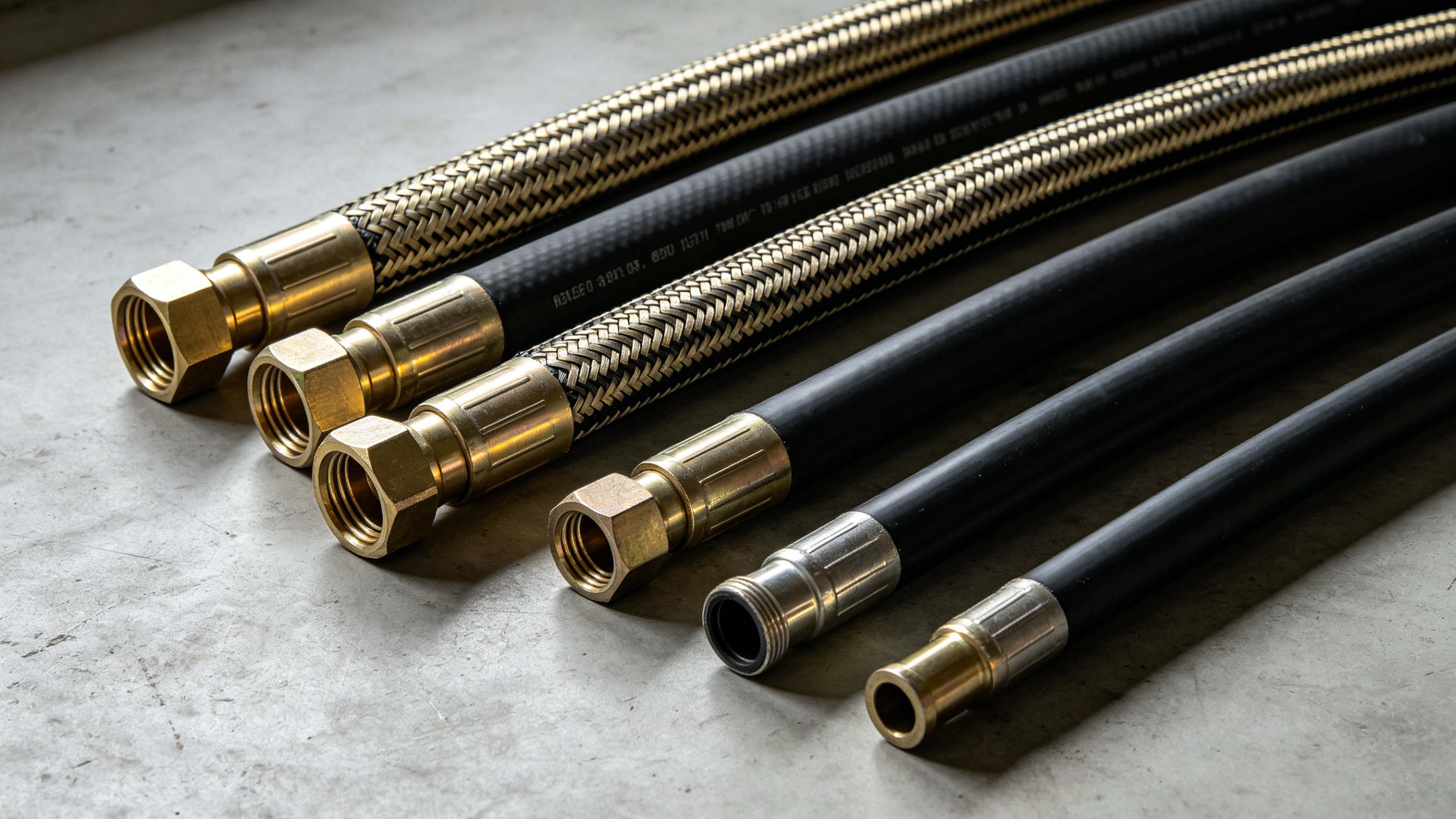
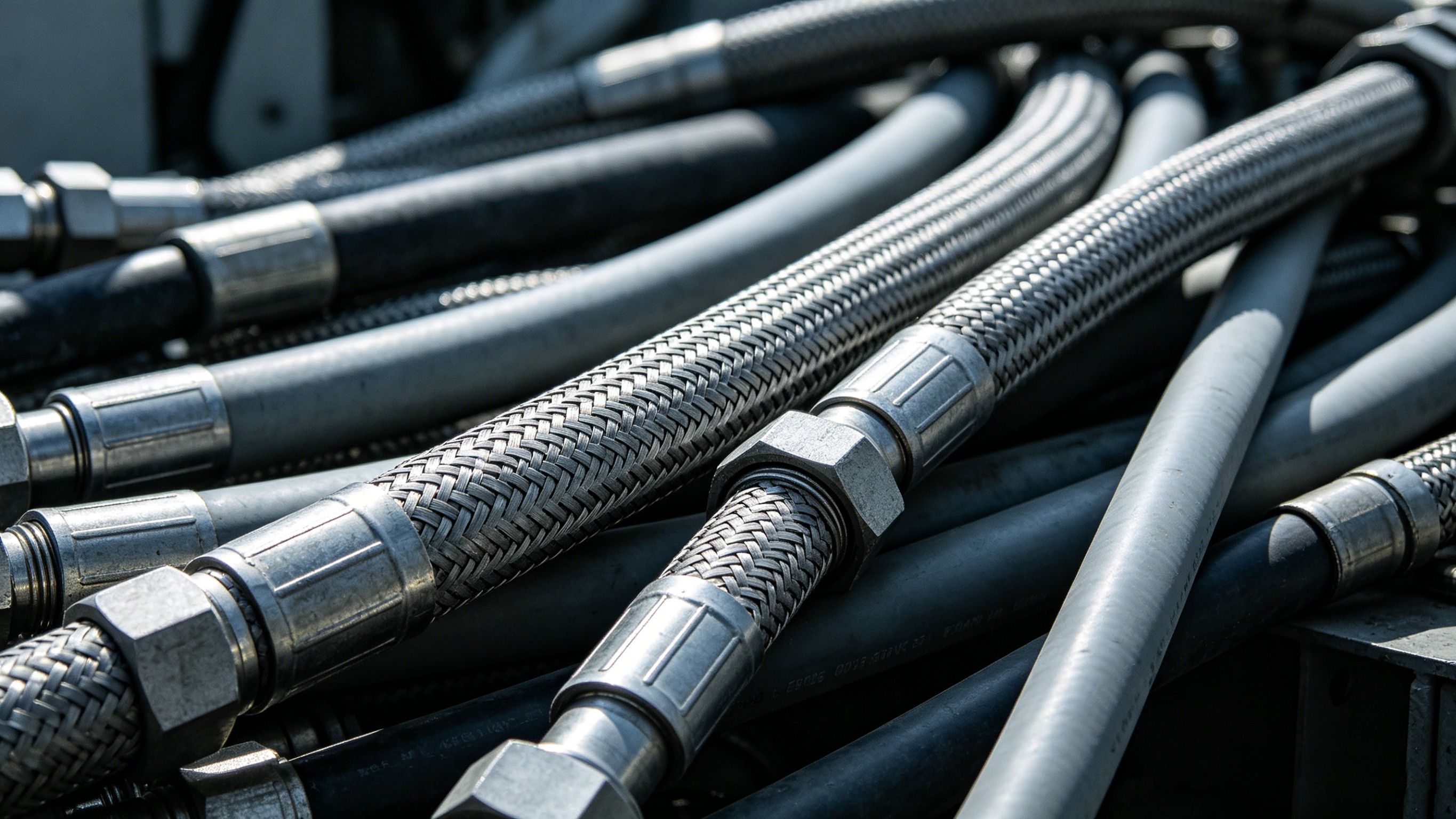
Ultra-high-pressure cleaning hoses are usually equipped with special high-pressure fittings, connected by crimping or threading, ensuring no leakage or detachment under high pressure.
Suitable for multiple cleaning media
In addition to clean water, they can also be used for conveying some industrial cleaning liquids and chemical cleaning agents. However, it is necessary to confirm the compatibility between the hose inner layer material and the medium.
3. Typical Applications
Ultra-high-pressure cleaning hoses are widely used in the following fields:
Industrial cleaning: descaling and cleaning of heat exchangers, pipelines, reactors, and storage tanks;
High-pressure water jets: metal cutting, concrete crushing, and surface treatment;
Pipeline unblocking: high-pressure unblocking of municipal pipelines, sewers, and industrial pipelines;
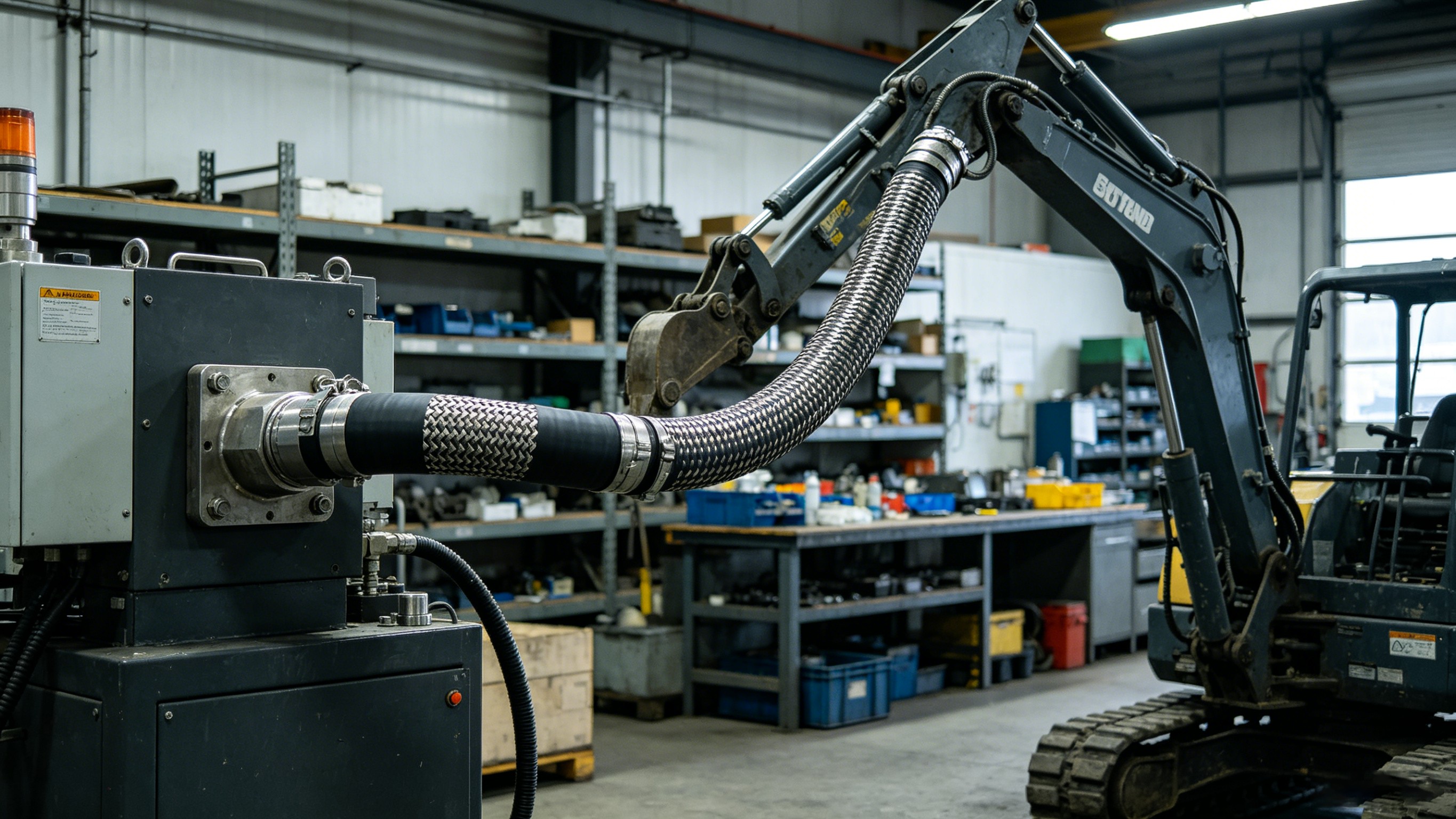
Equipment maintenance: surface cleaning of ships, vehicles, and construction machinery;
Food and pharmaceutical: clean-in-place (CIP) of production equipment and pipelines.
For cleaning systems that require extreme pressure, frequent movement, and long-term stable operation, ultra-high-pressure cleaning hoses are a key guarantee of efficiency and safety.
4. How to Choose the Right Ultra-High-Pressure Cleaning Hose
When selecting an ultra-high-pressure cleaning hose, pay close attention to the following parameters:
Working pressure and burst pressure
Choose the appropriate pressure rating based on the maximum working pressure of the cleaning system. The burst pressure should be several times the working pressure to ensure sufficient safety margin.
Inner diameter
The inner diameter affects flow rate and jet impact force. A larger inner diameter provides greater flow, while a smaller inner diameter provides higher jet speed. Choose according to the actual cleaning requirement.
Length
Choose the appropriate length based on the operating distance and equipment layout. An excessively long hose may cause greater pressure loss.
Temperature range
Confirm whether the actual working temperature of the cleaning water or medium is within the allowable range of the hose.
Media compatibility
When conveying cleaning agents or chemical liquids, confirm that the hose inner layer material is compatible with the medium to avoid swelling, aging, or performance degradation.
Fittings and connection methods
Choose matching high-pressure fittings based on equipment interfaces, such as threaded connections, quick couplings, or flange connections. Ensure reliable sealing and firm connection.
Outer layer performance
For applications requiring frequent dragging or exposure to rough surfaces, choose a hose with a highly wear-resistant outer layer to extend service life.
5. Conclusion
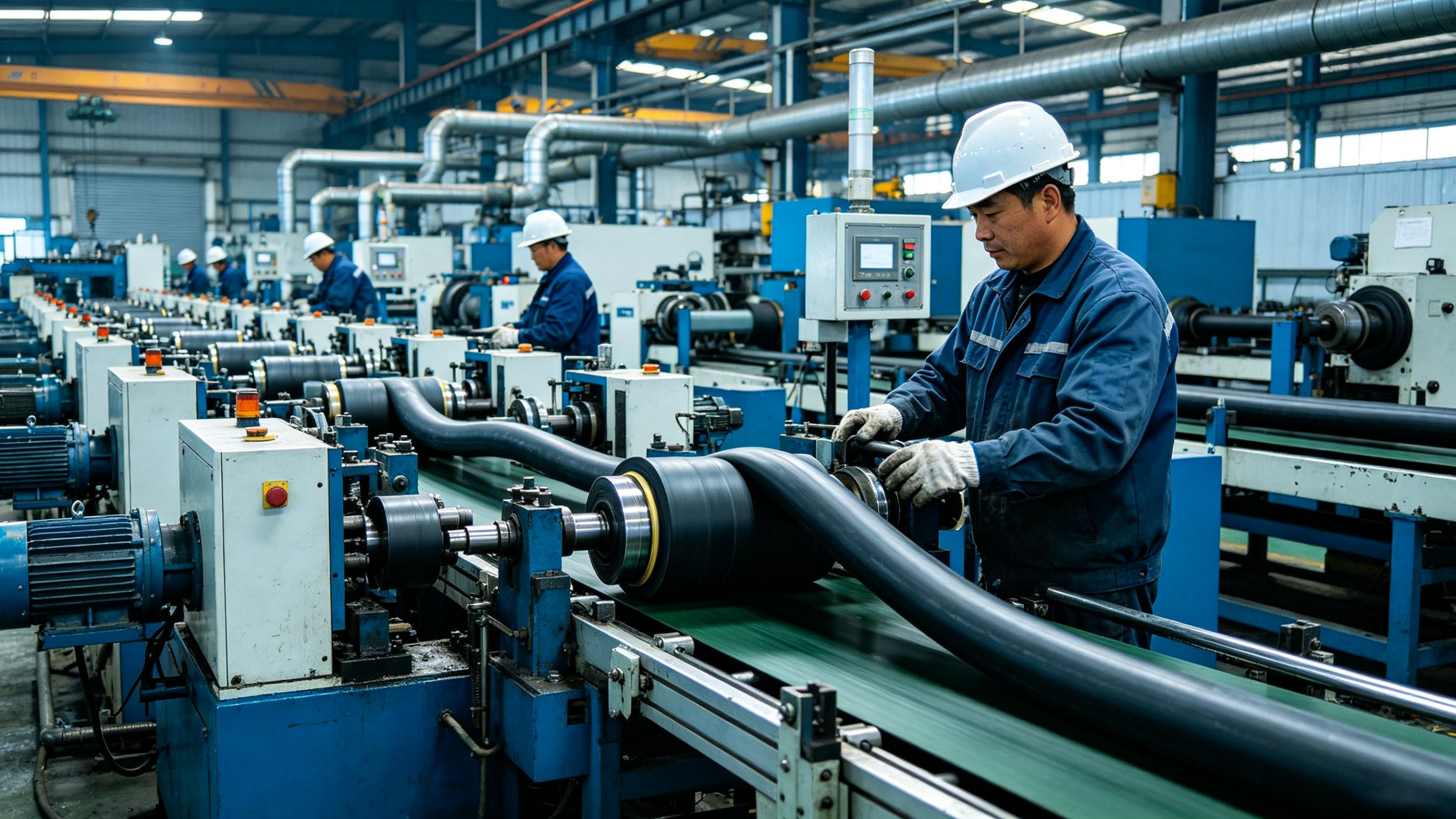
As industrial cleaning moves toward higher pressure, higher efficiency, and higher safety, the performance requirements for ultra-high-pressure cleaning hoses continue to increase. As a hose manufacturer, we produce nylon resin high-pressure hoses, nylon resin pressure measuring hoses, PU polyurethane steel wire hoses, PU polyurethane ribbed hoses, ultra-high-pressure cleaning hoses, and TPV rubber hoses. We can provide suitable piping solutions for different working conditions.
If you are looking for ultra-high-pressure cleaning hoses that withstand extreme pressure, resist pulses, and ensure safe operation, welcome to contact us for more specifications and selection advice.