How to Verify a Real Industrial Hose Manufacturer: 4 Critical Checks for Safe Sourcing
In the industrial fluid and pneumatic sectors, a hose is a critical safety component. A burst high-pressure hose or a collapsed vacuum tube doesn't just halt production—it can cause severe injuries or environmental hazards. Yet, many overseas buyers struggle to distinguish a genuine, capable hose manufacturer from a middleman or trading company.
As a specialized factory producing PU, Nylon, TPV, and ultra-high pressure hoses, we understand the risks of poor sourcing. Here are four critical checks you can use to verify a real industrial hose manufacturer and ensure you are partnering with a reliable facility.
Material Traceability and Extrusion Capabilities
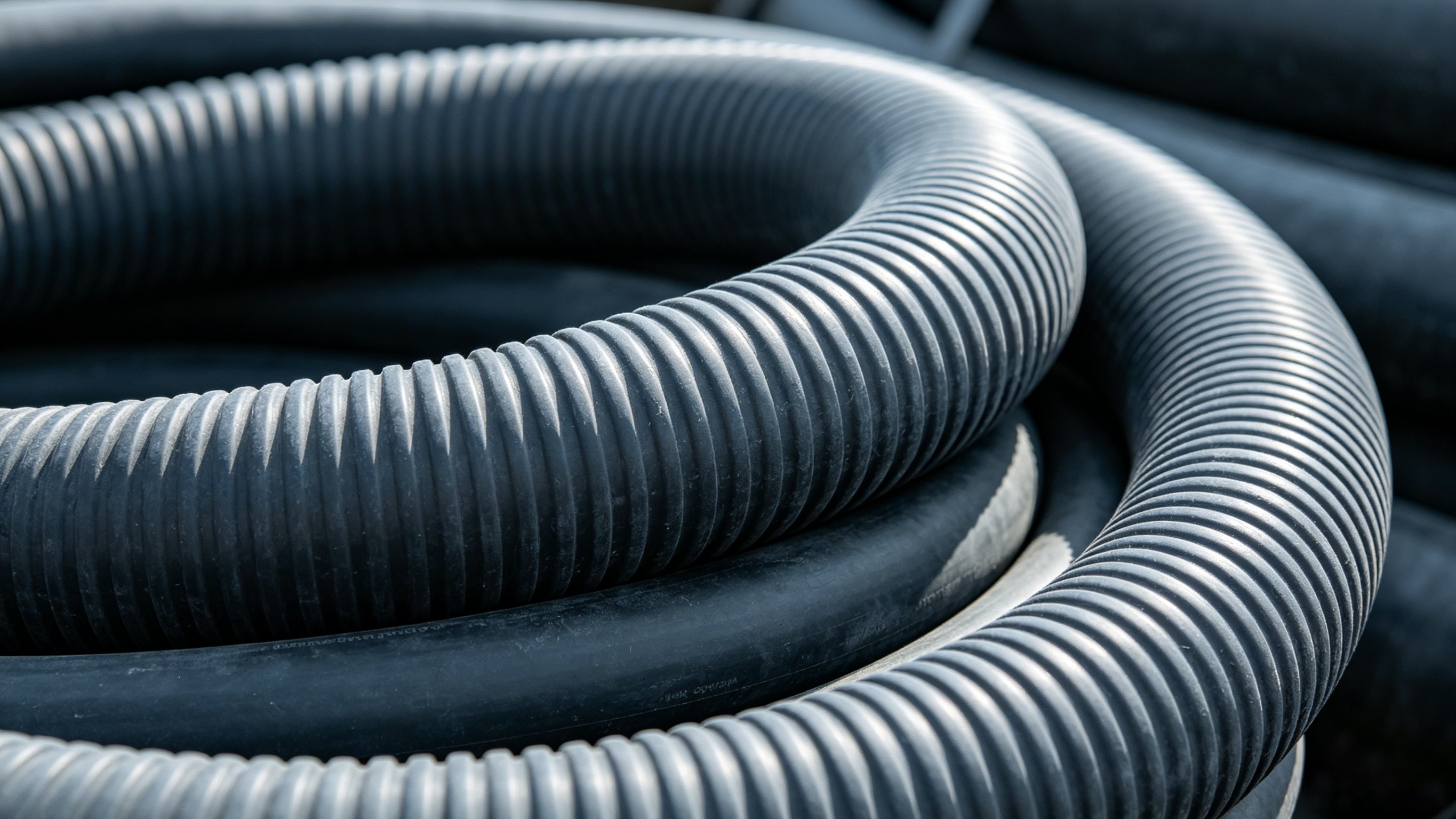
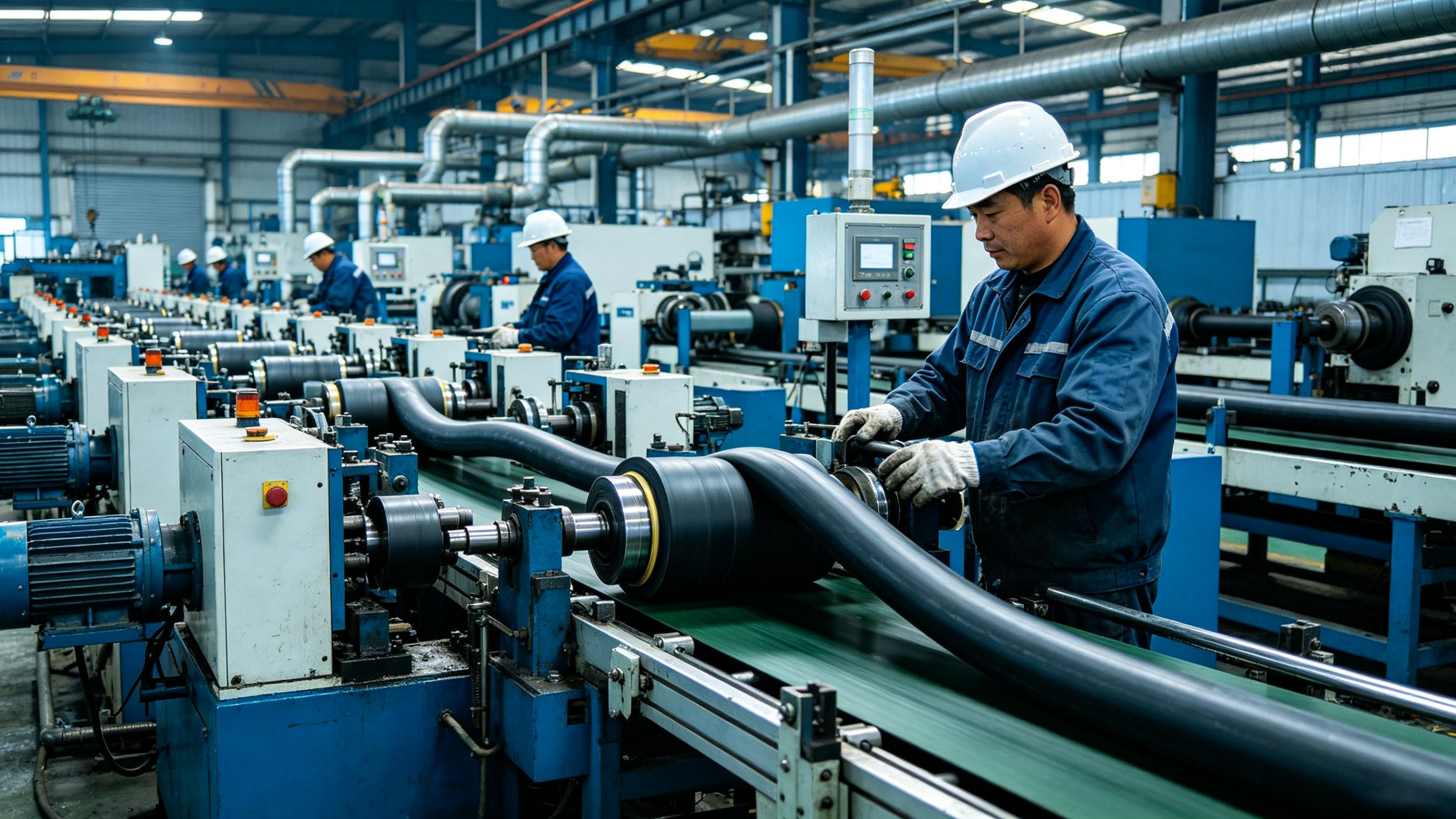
The core of any hose is its inner tube. A real manufacturer controls this process in-house. Ask potential suppliers: “Do you have your own extrusion lines, and how do you trace your raw materials?”
A legitimate factory will use computer-controlled extruders to process premium resins (like PA, PU, or TPV) and maintain strict batch traceability. If a supplier cannot explain their raw material sourcing or lacks in-house extrusion capabilities, they are likely outsourcing the most critical step, leading to inconsistent wall thickness and poor chemical resistance.
Precision Assembly and CNC Crimping
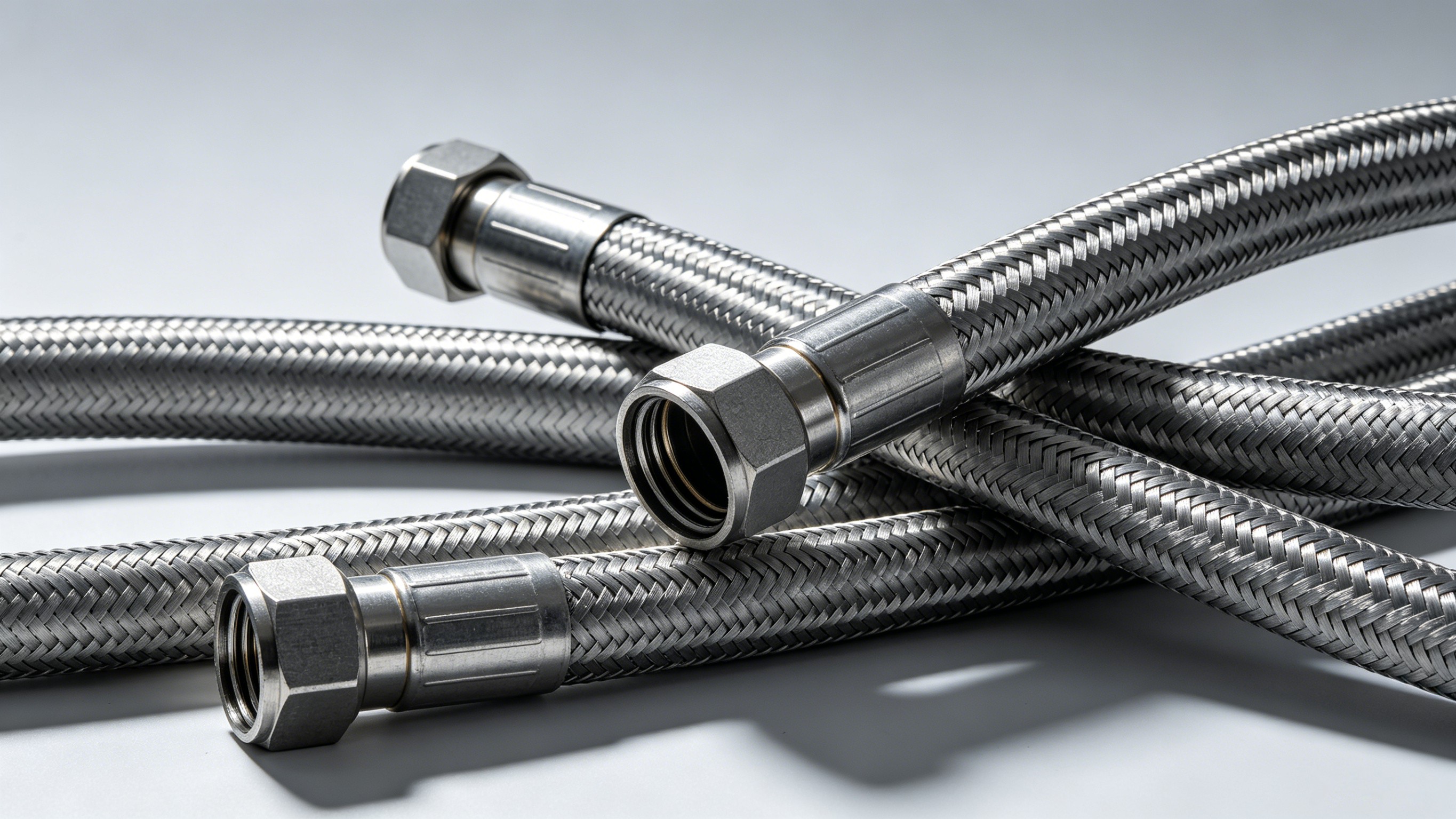
For high-pressure and custom assembly hoses, the connection point is the most common failure area. Inspect their assembly floor. Real manufacturers utilize automated CNC crimping machines that apply exact, calculated pressure to compress fittings onto the hose stem uniformly.
Ask for their crimping process documentation. If a factory relies heavily on manual crimping or cannot provide digital records of crimp dimensions for each batch, the risk of leaks or fitting pull-off under high pressure is extremely high.
Rigorous In-House Testing Protocols
Quality control in a real hose factory is proactive, not reactive. Before any hose leaves the facility, it must pass stringent tests. Ask the supplier about their testing equipment. A reliable factory will have:
Hydrostatic Pressure Testers: To verify burst pressure and ensure zero leakage at 1.5x to 2x the working pressure.
Pulse Fatigue Testers: To simulate millions of dynamic pressure cycles, proving the hose can withstand real-world vibration and shock.
Vacuum Collapse Testing: Essential for PU dust extraction hoses to ensure they won't implode under high suction.
If a supplier only provides a generic Certificate of Conformity (COC) without offering actual test reports for specific batches, proceed with caution.
Industry-Specific Certifications and Standards Compliance
Industrial hoses must meet strict international standards. Verify that the manufacturer’s products comply with relevant benchmarks such as SAE 100R7/R8 (for hydraulic/nylon hoses), EN 855, or FDA/RoHS (for food/medical PU hoses).
Don't just accept a certificate at face value. A real factory will have these certifications tied directly to their manufacturing processes and will readily provide third-party test reports to back up their claims regarding anti-static properties, temperature ranges, and chemical compatibility.
Partner with a Transparent, Factory-Direct Supplier
Sourcing industrial hoses requires trust, transparency, and technical capability. By verifying extrusion, crimping, testing, and certifications, you can confidently select a manufacturing partner who prioritizes safety and quality over quick sales.
Ready to upgrade your supply chain with a verified manufacturer? Contact our team today. We are fully transparent about our production capabilities and are happy to share detailed test reports, factory videos, and competitive factory-direct pricing for your next project.