Troubleshooting Premature Hose Failures: Top 5 Causes and Expert Solutions
In industrial operations, a sudden hose failure is more than just an inconvenience—it leads to costly downtime, environmental contamination, and severe safety hazards. While hoses are consumable wear parts, they should not fail prematurely.
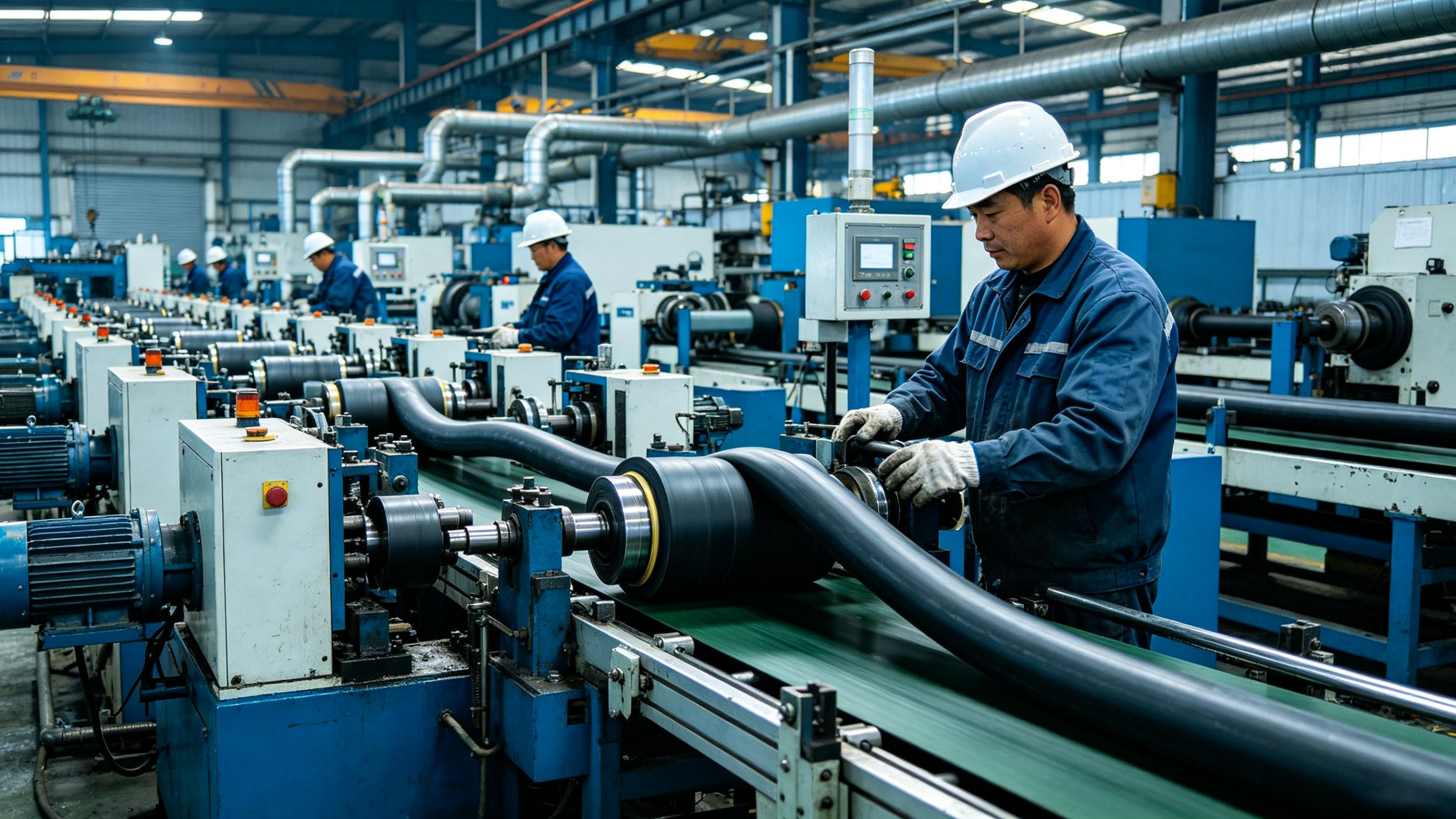
As a specialized manufacturer of PU, Nylon, TPV, and ultra-high pressure hoses, our engineering team frequently analyzes returned products to identify the root cause of failures. In this guide, we break down the top 5 reasons for premature hose damage and provide actionable solutions to protect your fluid transfer systems.
Abrasion: The Silent Killer
The Problem: Friction against rough surfaces, metal edges, or adjacent hoses wearing down the outer cover, eventually exposing the reinforcement layer and causing leaks.
Expert Solution: For highly abrasive environments (e.g., wood chips, metal shavings), upgrade to heavy-duty PU steel wire hoses, which offer up to 50 times the abrasion resistance of rubber. For routing through tight spaces or drag chains, install protective spiral guards or hose sleeves to act as a sacrificial wear layer.
Water Hammer (Hydraulic Shock)
The Problem: Abruptly opening or closing valves creates massive pressure spikes that exceed the hose’s burst rating, leading to sudden ruptures or internal delamination.
Expert Solution: Implement smooth valve operation protocols. For high-pressure cleaning systems, ensure the hose’s minimum burst pressure is at least 3 to 4 times the system's working pressure. Consider installing accumulators or pressure relief valves to absorb sudden shockwaves.
Improper Routing and Bending
The Problem: Bending a hose beyond its minimum bend radius causes kinking, collapsing the inner tube and stressing the steel wire reinforcement. Additionally, installing hoses under tension or twisting (torsion) during pressure cycles leads to premature fatigue.
Expert Solution: Always adhere to the manufacturer’s minimum bend radius guidelines (typically 9-10x the outer diameter). Leave adequate slack to accommodate length contraction under pressure. For complex routing, utilize 90° or 45° swivel fittings to eliminate torsion and bending stress at the connection points.
Chemical Degradation and Temperature Extremes
The Problem: Using a hose with an incompatible inner tube causes swelling, cracking, or softening. Similarly, continuous exposure to temperatures outside the rated range accelerates aging and structural failure.
Expert Solution: Verify chemical compatibility charts before selection. For aggressive chemicals, hot water, or steam, TPV (Thermoplastic Vulcanizate) hoses offer superior resilience. Always select a hose with a temperature rating that exceeds your maximum continuous operating temperature by a safe margin.
Poor Assembly and Fitting Crimping
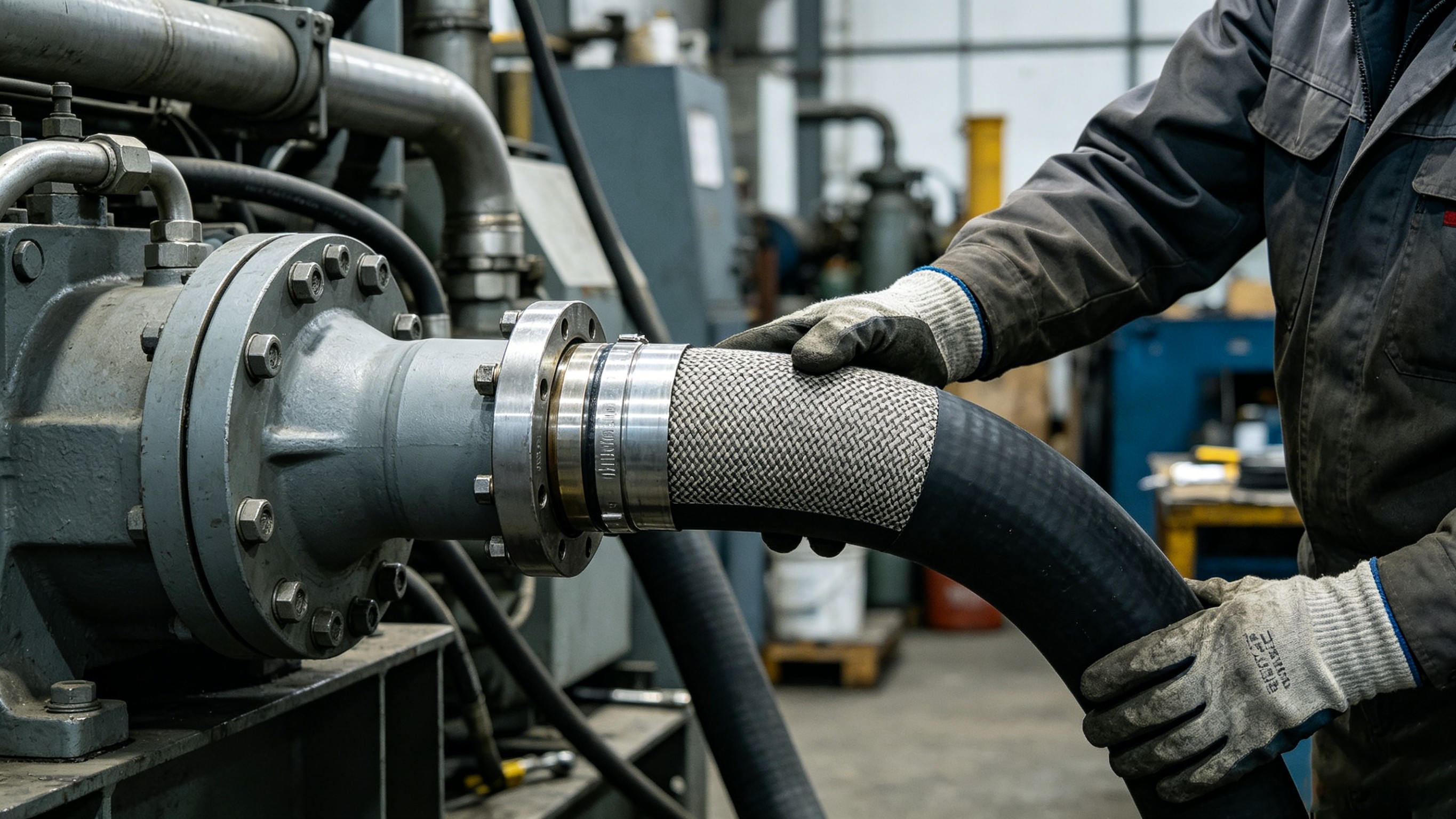
The Problem: Even the highest quality hose will fail if the end fittings are improperly crimped. Incorrect crimping dimensions can lead to leakage, fitting pull-off under pressure, or localized damage to the hose's reinforcement layers.
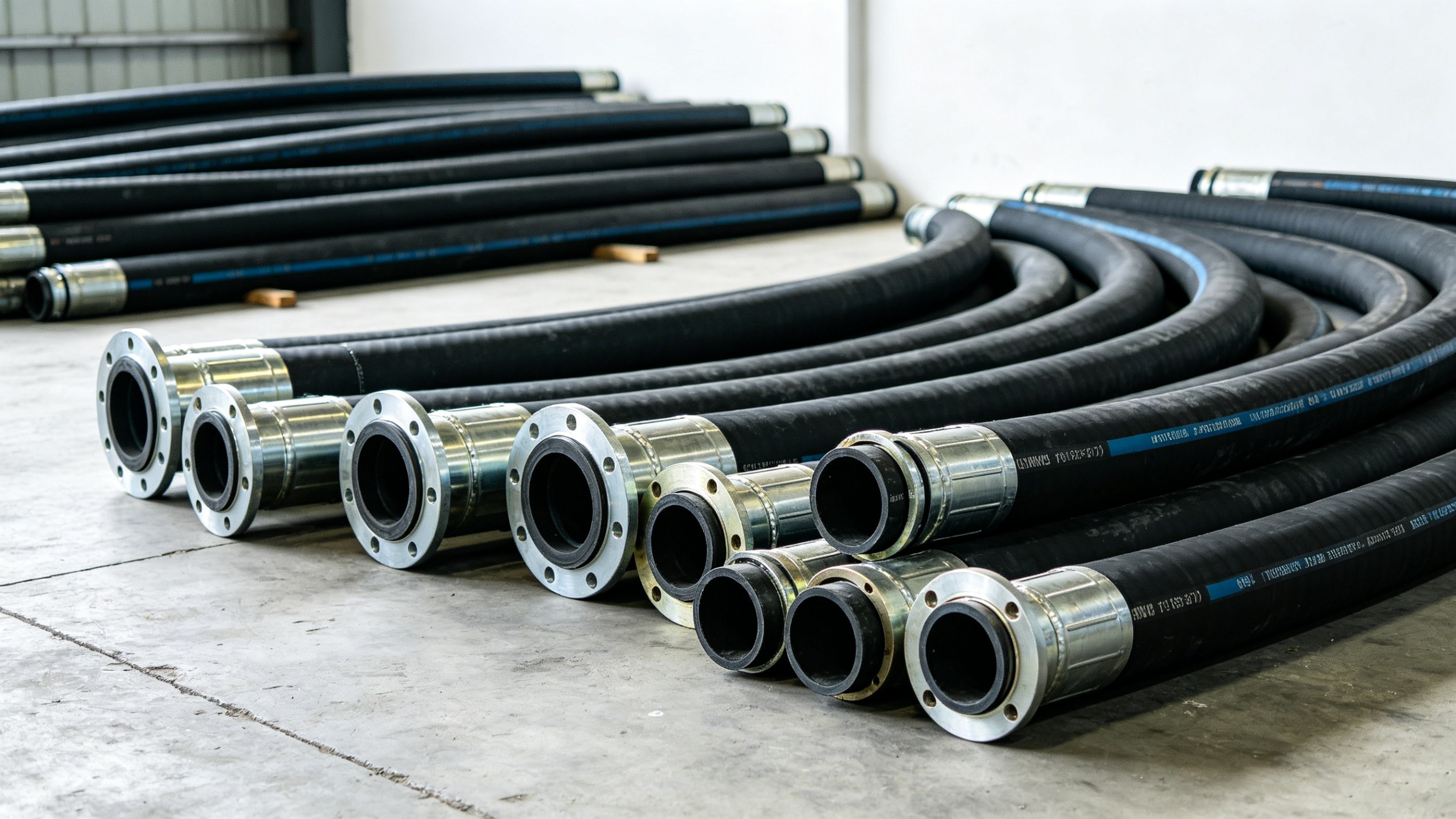
Expert Solution: Never attempt DIY crimping for high-pressure applications. Partner with a certified factory-direct manufacturer that utilizes precision CNC crimping equipment and conducts rigorous pull-force and pressure testing on every assembly before shipment.
Maximize Your System's Reliability
Don't let recurring hose failures drain your maintenance budget. By understanding the root causes of premature wear and implementing proper selection and routing practices, you can significantly extend your hose lifespan.
Need a second opinion on your current hose setup? Contact our engineering team today. We offer free technical consultations and can recommend upgraded, factory-direct hose solutions tailored to withstand your specific operational challenges.