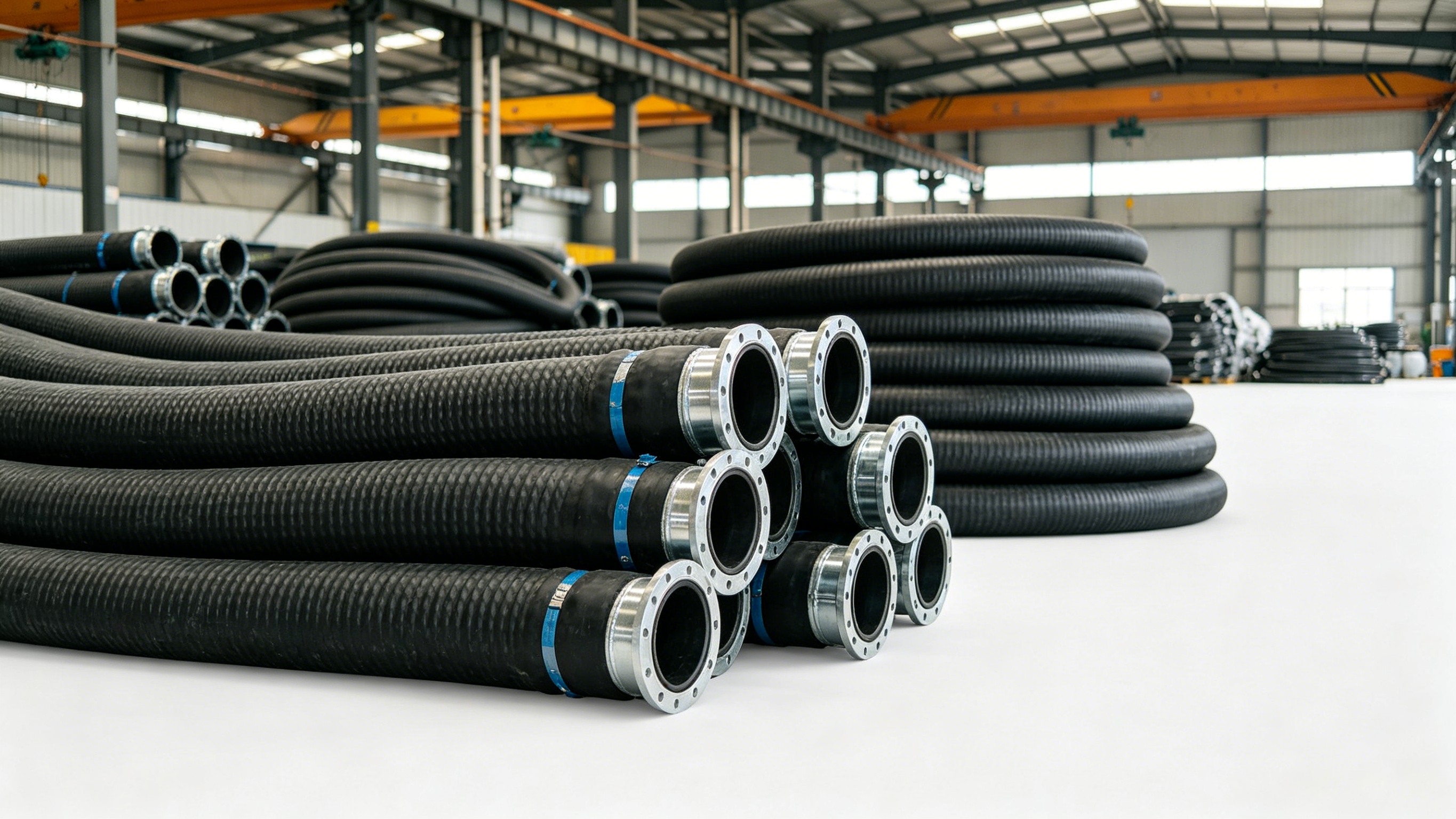
In-Depth Analysis of the Oil Resistance Mechanism of TPV Rubber Hoses: Why Can They Resist All Oils?
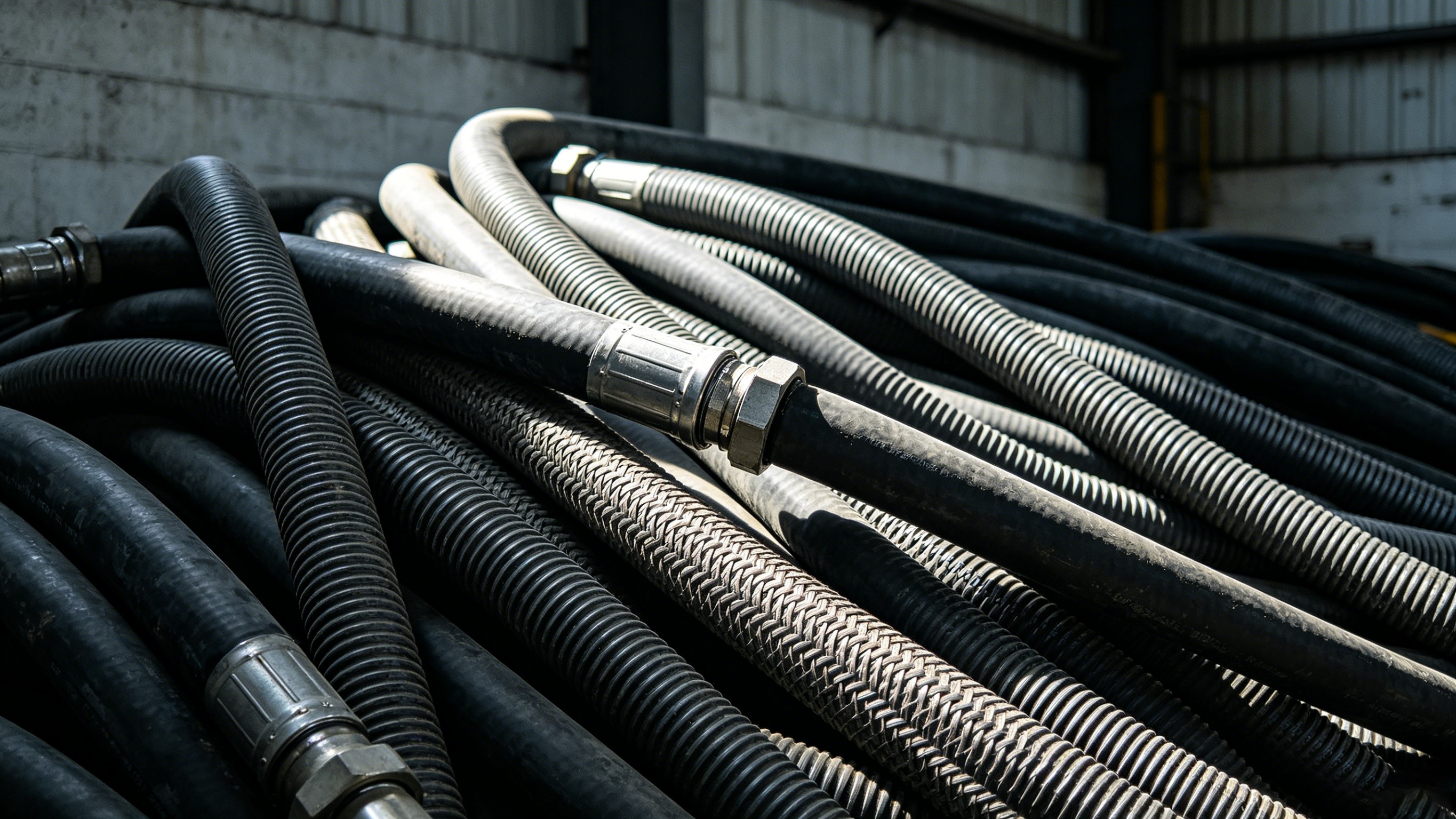
In-Depth Analysis of the Oil Resistance Mechanism of TPV Rubber Hoses: Why Can They Resist All Oils?
In the field of industrial fluid conveyance, oil resistance is one of the most critical performance indicators for hose materials. Whether it involves mineral oil in hydraulic systems, lubricating oil in gearboxes, or gasoline and diesel in fuel lines, insufficient oil resistance in hoses leads to swelling, softening, cracking, or even leakage — directly threatening equipment safety and production efficiency. Among oil-resistant hose materials, TPV (Thermoplastic Vulcanizate) stands out with its unique microstructure and tunable phase composition, delivering exceptional oil resistance and becoming an ideal replacement for traditional rubber and PVC.
The oil resistance of TPV rubber hoses is no accident — it stems from the precision-engineered "sea-island" microstructure and the scientifically designed crosslinking network. This article dissects the oil resistance mechanism of TPV rubber hoses layer by layer from a materials science perspective.
I. The Micro-Phase Morphology of TPV: The "First Line of Defense" Against Oil
TPV, short for Thermoplastic Vulcanizate, is essentially a dynamically vulcanized blend composed of a rubber phase and a plastic phase. The most common system is EPDM/PP (ethylene propylene diene monomer rubber / polypropylene), where EPDM serves as the dispersed phase ("sea") and PP as the continuous phase ("island").
Role of the Rubber Phase (EPDM)
The EPDM rubber phase forms micron-scale crosslinked elastic particles uniformly dispersed throughout the plastic matrix. These crosslinked rubber particles endow the material with excellent elasticity and sealing performance, enabling the hose to rapidly rebound after compression and maintain structural integrity. In terms of oil resistance, EPDM has inherently low unsaturation — its molecular chains contain very few double bonds — meaning oil media find it difficult to chemically attack and break down the molecular chain structure. EPDM exhibits good chemical inertness toward low-polarity mineral oils and lubricating oils.
Role of the Plastic Phase (PP)
The PP continuous phase forms the "skeleton" of TPV, providing thermoplastic processability and structural rigidity. In terms of oil resistance, PP is a semi-crystalline polymer whose crystalline regions feature tightly packed molecular chains, forming a natural physical barrier. When oil molecules attempt to penetrate the TPV material, the PP crystalline zones act like "city walls," effectively blocking the diffusion pathways of oil molecules. The higher the crystallinity of PP, the more significant the barrier effect.
Synergistic Barrier Effect of the "Sea-Island" Structure
In TPV, rubber particles are uniformly dispersed at micron scale within the PP continuous phase, forming a classic "sea-island" microstructure. This structure forces oil molecules to navigate around each rubber "island" during permeation, dramatically lengthening the diffusion path. Compared to homogeneous materials, the effective diffusion coefficient of oil molecules in TPV is significantly reduced, and the swelling rate is greatly slowed. This "maze effect" is one of the key microscopic mechanisms behind TPV's superior oil resistance over single-phase rubber materials.
II. The Dynamically Vulcanized Crosslinking Network: The "Core Engine" of Oil Resistance
The most fundamental distinction between TPV and ordinary rubber/plastic blends lies in the "dynamic vulcanization" process — during melt blending, the rubber phase is simultaneously vulcanized and crosslinked under shear force, forming a stable three-dimensional network structure.
Relationship Between Crosslink Density and Swelling Degree
According to Flory-Rehner swelling theory, the equilibrium swelling degree of rubber materials is inversely proportional to crosslink density. The higher the crosslink density, the stronger the intermolecular constraints, and the more difficult it is for oil molecules to "push apart" the molecular chains and penetrate the material. After dynamic vulcanization, the EPDM rubber phase in TPV achieves a crosslink density far exceeding that of ordinary unvulcanized rubber, resulting in a significantly lower equilibrium swelling degree.
The "Elastic Restoring Force" of the Crosslinking Network
When a small number of oil molecules inevitably permeate into the TPV rubber phase, the crosslinking network generates an elastic restoring force that attempts to "squeeze out" the oil molecules. This restoring force reaches a dynamic equilibrium with the渗透 driving force of the oil molecules, ultimately limiting TPV to only minimal volume change after oil immersion. Experimental data shows that high-quality TPV, after immersion in IRM No. 903 standard oil for 70 hours at 100°C, typically maintains a volume change rate below 5% — far superior to conventional rubber materials.
The "Anchoring Effect" of Crosslink Points
The crosslink points formed during dynamic vulcanization act like "anchors," firmly fixing rubber molecular chains in place. Even when oil molecules attempt to induce chain slippage through solvation, the crosslink points prevent such movement, preventing irreversible plastic deformation. This is why TPV hoses maintain excellent mechanical properties and dimensional stability even after prolonged oil immersion.
III. Interfacial Barrier Effect: The "Dual Defense Line" of Plastic and Rubber Phases
TPV features a distinct phase interface between the plastic phase and the rubber phase, and this interface plays a crucial role in the oil resistance mechanism.
"Selective Permeability" of the Phase Interface
Oil media exhibit different affinities for the PP plastic phase and the EPDM rubber phase. Mineral oils and lubricating oils have very weak dissolving power for PP, while showing some swelling tendency toward EPDM. When oil molecules enter from the material surface, they first encounter the barrier of the PP continuous phase; even if a small number of oil molecules bypass the PP crystalline zones and reach the rubber phase interface, the molecular chain entanglement and chemical bonding at the interface form an additional permeation barrier.
The "Encapsulation Effect" of Rubber Particles
In TPV, each crosslinked EPDM rubber particle is tightly encapsulated by the PP matrix. Oil molecules must "penetrate" the PP shell before reaching the internal rubber phase. This "core-shell" encapsulation structure ensures that the actual exposed area of the rubber phase is far smaller than its volumetric proportion in the material, further reducing the overall swelling risk.
IV. Key Factors Influencing TPV Oil Resistance Performance
Although TPV material inherently possesses excellent oil resistance, the final product's oil-resistant performance is significantly affected by the following factors:
Rubber-to-Plastic Phase Ratio
A higher rubber phase content improves elasticity but may slightly reduce oil resistance (since the rubber phase is the primary target for oil molecule permeation). A higher plastic phase content enhances barrier performance but reduces elasticity. Typically, an EPDM/PP ratio between 50/50 and 70/30 achieves the optimal balance between elasticity and oil resistance.
Degree of Crosslinking
The degree of dynamic vulcanization directly determines the crosslink density of the rubber phase. More thorough crosslinking results in lower swelling and better oil resistance. However, excessive crosslinking makes the material brittle, compromising hose flexibility and bend life.
PP Crystallinity and Molecular Weight
High-crystallinity, high-molecular-weight PP features a denser crystalline structure with superior barrier performance. Some premium TPV products employ high-crystallinity PP or add nucleating agents to boost crystallinity and thereby enhance oil resistance.
Filler System
Fillers such as carbon black and silica not only improve the mechanical strength of TPV but also form a "filler network" within the material, further extending the diffusion path of oil molecules. The smaller the particle size and the more uniform the dispersion, the more significant the barrier effect.
Oil Type and Temperature
Different oils vary greatly in their erosive power against TPV. Mineral oils (such as IRM No. 901 and No. 903) have relatively weak swelling effects on TPV, while oils with high aromatic hydrocarbon content (such as certain fuels) exert stronger swelling. For every 10°C rise in temperature, the diffusion rate of oil molecules approximately doubles — making high-temperature conditions a far more severe test of TPV oil resistance.
V. TPV Rubber Hose Performance in Typical Oil-Resistant Applications
The oil resistance of TPV rubber hoses has been thoroughly validated in the following typical industrial scenarios:
Hydraulic System Lines
Hydraulic systems continuously convey mineral-based hydraulic oil at working pressures typically between 10 and 30 MPa. TPV hoses, with their low swelling rate and high elastic recovery, can operate stably for thousands of hours in hydraulic lines, with volume change rates far below those of traditional rubber hoses, effectively preventing joint loosening and leakage caused by swelling.
Lubricating Oil Conveyance Lines
In lubricating oil circulation systems for gearboxes, bearing housings, and similar equipment, TPV hoses withstand prolonged oil immersion without softening or cracking, achieving a service life 5 to 8 times that of standard PVC hoses.
Fuel Conveyance Lines
For fuels with low aromatic hydrocarbon content (such as diesel), TPV hoses demonstrate good resistance. However, for gasoline with high aromatic content, it is recommended to use specially formulated fuel-resistant TPV or switch to fluoroelastomer (FKM) materials.
Coolant and Brake Fluid Lines
TPV exhibits excellent chemical stability toward ethylene glycol-based coolants and DOT-series brake fluids, with extremely low swelling rates, making it an ideal tubing choice for automotive and construction machinery cooling systems.
VI. Why Choose Our TPV Rubber Hoses?
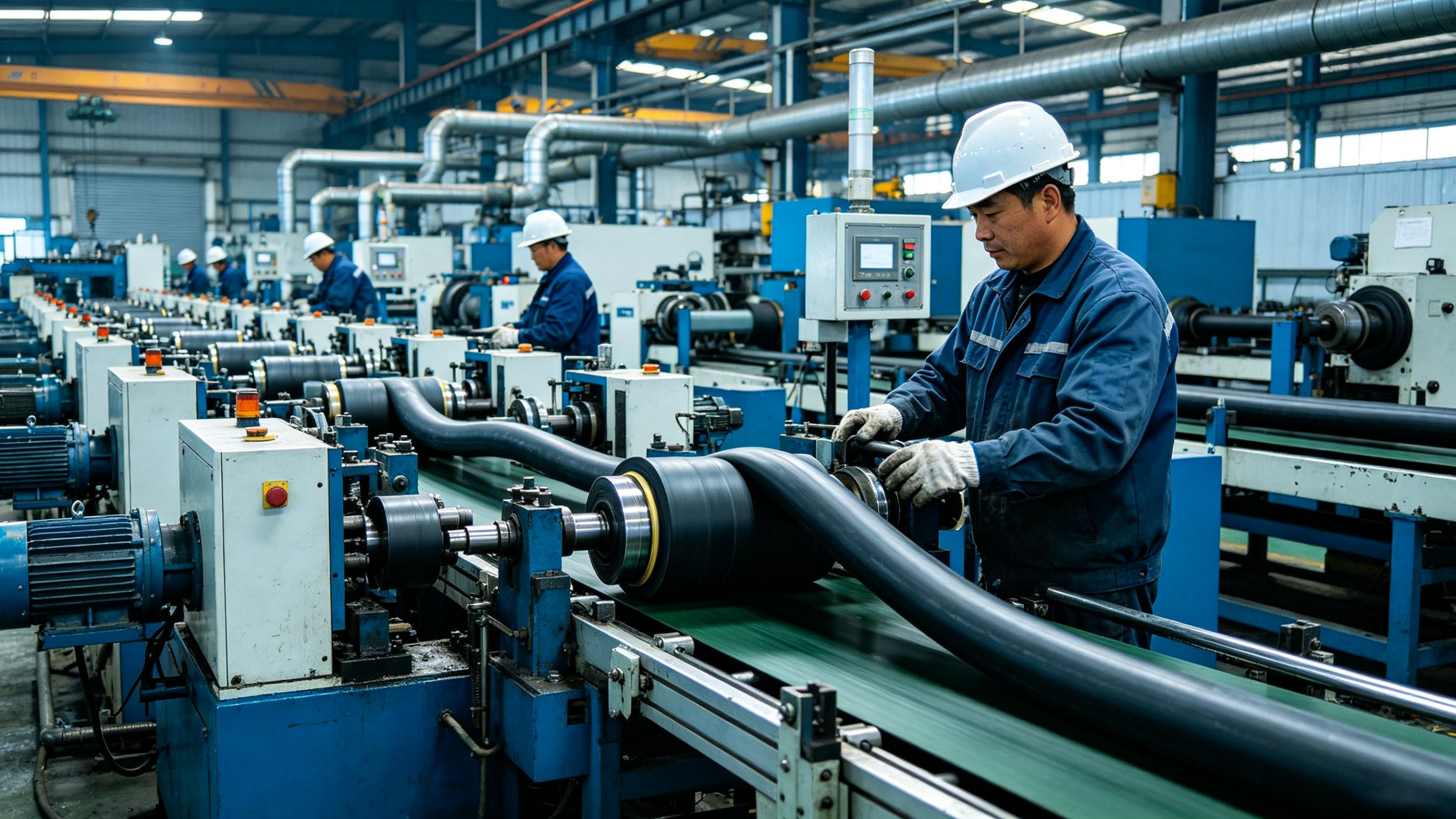
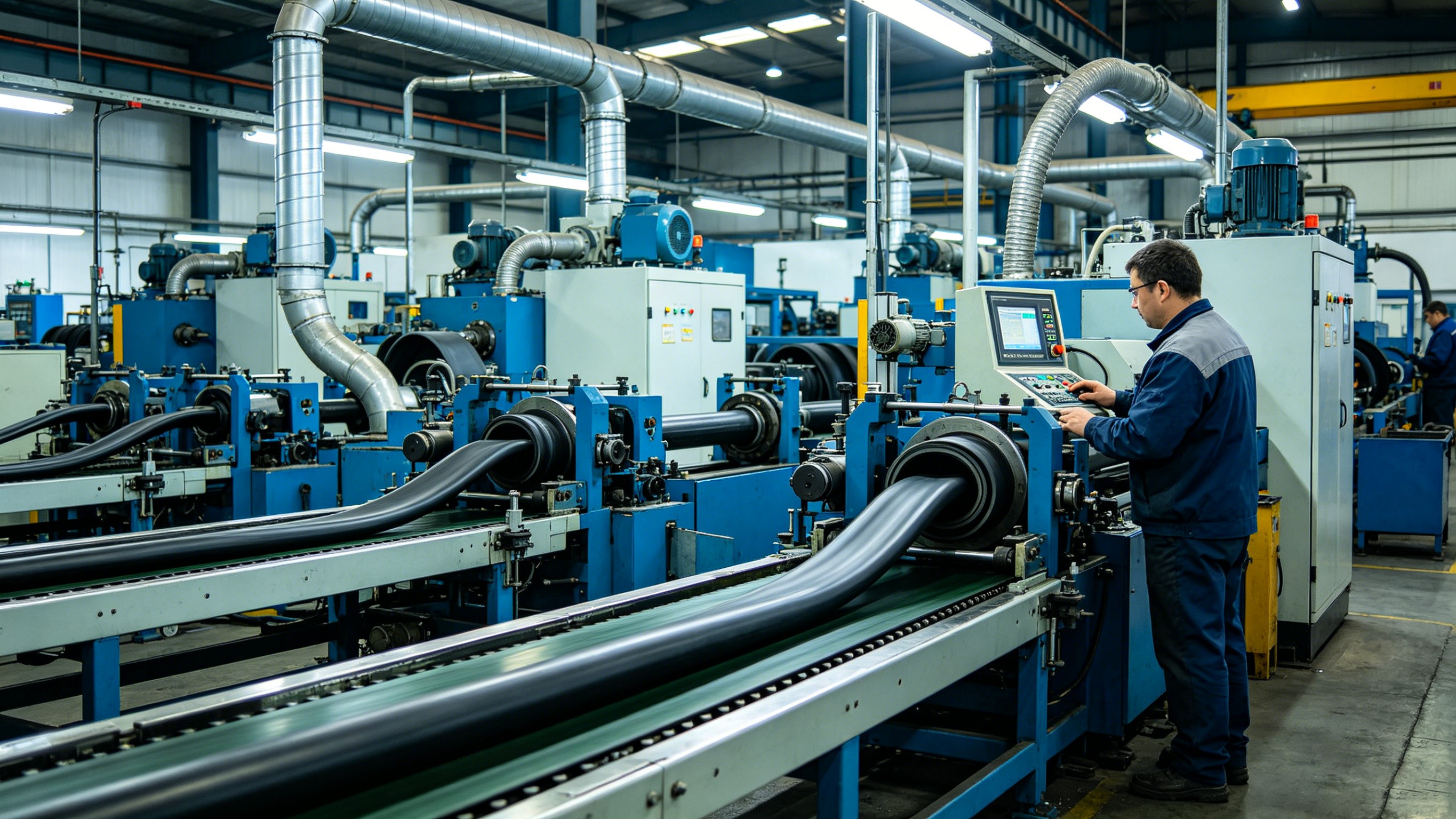
As a professional industrial hose manufacturer, our TPV rubber hoses are produced using a high-quality EPDM/PP dynamic vulcanization system, prepared through precision twin-screw extrusion to ensure thorough rubber phase crosslinking, dense plastic phase crystallization, and strong phase interface bonding. Every batch undergoes IRM No. 903 standard oil immersion testing, tensile strength testing, and hardness change testing to guarantee consistent and reliable oil resistance.
We offer TPV rubber hoses in multiple hardness grades (Shore A 50 to Shore A 95), various inner diameter specifications, and wall thickness options, and can provide custom formulations for special operating conditions — including fuel-resistant, high-temperature-resistant, and food-grade variants.
If you are looking for an industrial hose that combines excellent oil resistance, good elasticity, and long service life, or need specific product technical parameters and quotations, please feel free to contact us. Our technical team will provide professional selection guidance.