TPV vs PVC Hose Temperature Resistance: A Gap of Nearly 100°C — How Serious Are the Consequences of Choosing Wrong?
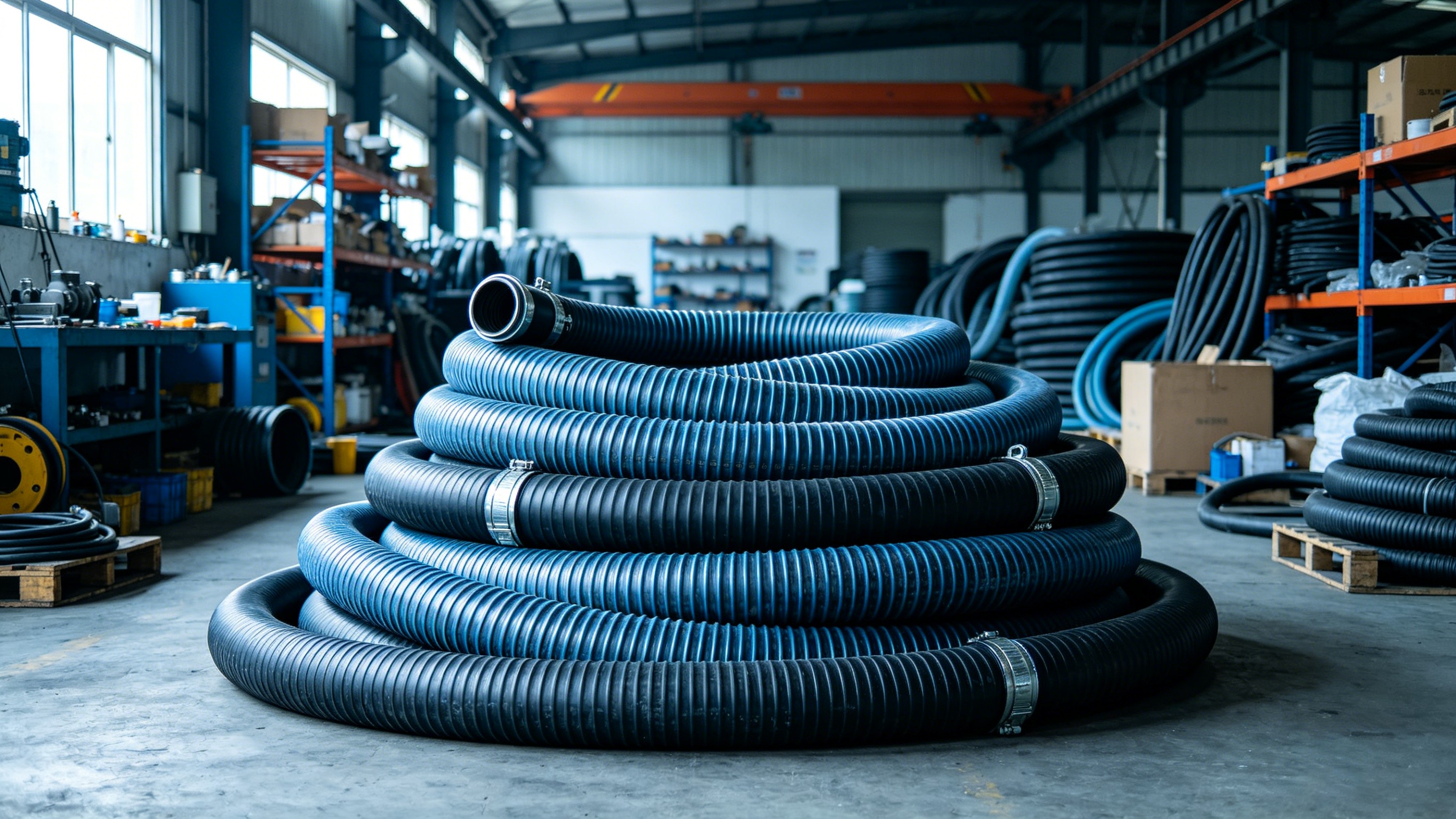
In the hose selection process for industrial applications, temperature resistance is often one of the decisive factors in material choice. TPV (thermoplastic vulcanizate) hoses and PVC (polyvinyl chloride) hoses are two commonly used hose materials. While they may look and feel similar, there is a massive gap between them in terms of temperature resistance. Choosing the wrong material can lead to premature hose aging and failure at best, or leakage and even safety incidents at worst.
This article provides a systematic comparison of the temperature resistance performance of TPV and PVC hoses across three dimensions: high-temperature resistance, low-temperature resistance, and temperature stability.
I. High-Temperature Resistance: TPV Holds a Clear Advantage
Temperature Upper Limit of TPV Hoses
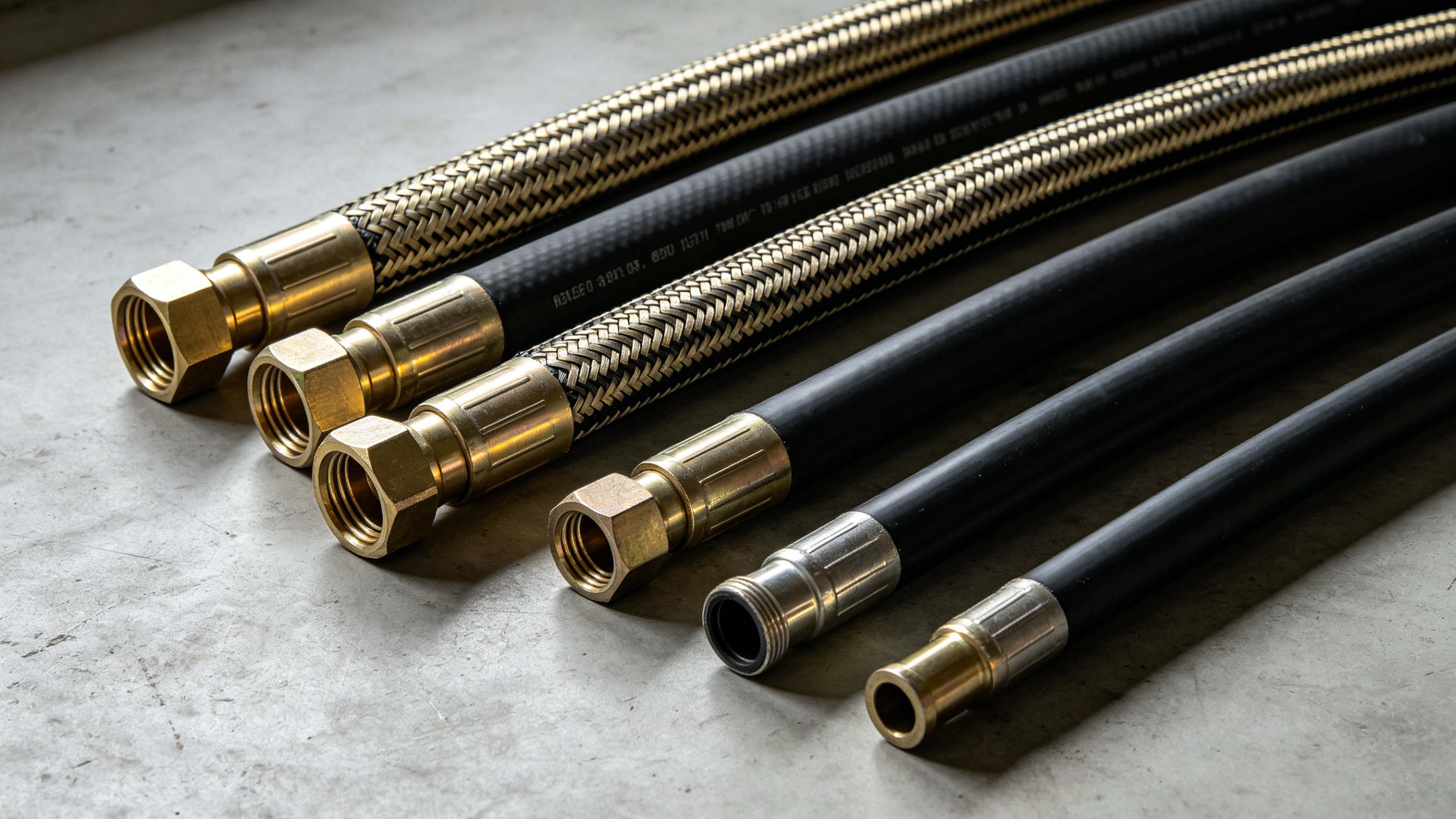
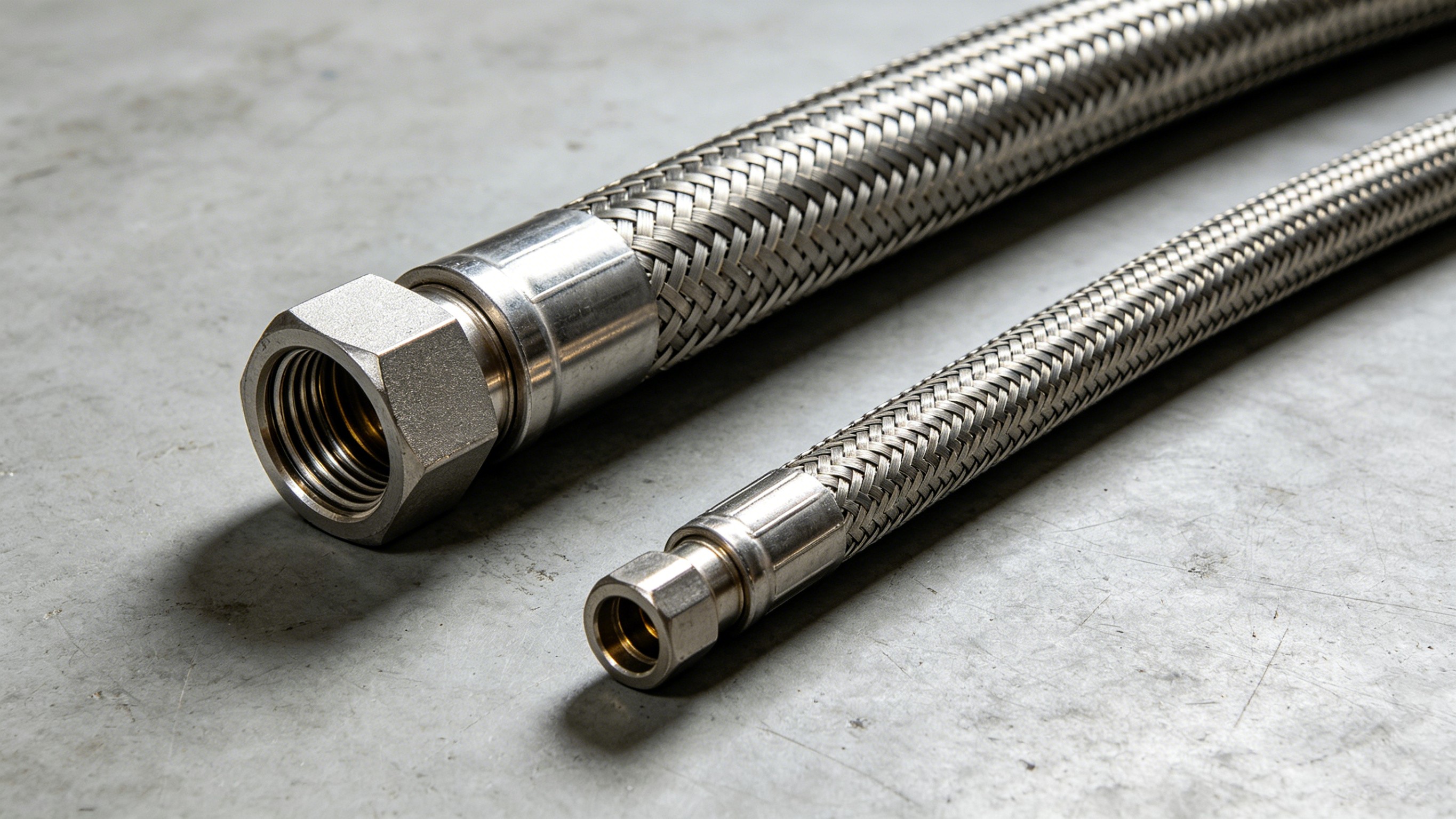
The working temperature range of TPV hoses is typically -40°C to 130°C, with some engineering-grade products capable of withstanding short-term exposure to 150°C or even higher. Under prolonged exposure to a 125°C environment, TPV hoses can still maintain their mechanical properties and elasticity, demonstrating excellent hot air aging resistance. This characteristic enables TPV hoses to handle medium-to-high temperature applications such as automotive engine compartment管路, industrial hot air conveyance, and high-temperature fluid media transport.
Temperature Upper Limit of PVC Hoses
Standard PVC hoses typically have a temperature range of -10°C to 60°C, with long-term use recommended at no more than 45°C; they can withstand 70°C to 80°C for short periods, begin to gradually soften above 80°C, and may exhibit significant deformation or even melt at 100°C and above. Reinforced PVC hoses (such as steel wire reinforced or fiber reinforced types) have a slightly wider operating temperature range of approximately -5°C to 65°C. Even modified PVC hoses generally only achieve a temperature upper limit of around 120°C, and these specialty formulated products come at a higher cost and are not mainstream in the market.
Comparison Conclusion
In terms of high-temperature resistance, the regular use upper limit of TPV hoses is approximately 70°C to 85°C higher than that of PVC hoses — a gap approaching 100°C. For applications where the working temperature exceeds 60°C, PVC hoses already face the risk of performance degradation, while TPV hoses can continue to operate stably.
II. Low-Temperature Resistance: TPV Also Leads
Low-Temperature Performance of TPV Hoses
TPV hoses maintain good flexibility and elasticity at -40°C without becoming hard or brittle. Certain grades of TPV materials can achieve low-temperature resistance down to -60°C. This means that in scenarios such as outdoor operations during northern winters, cold storage environments, or low-temperature fluid conveyance, TPV hoses can still be bent and used normally.
Low-Temperature Performance of PVC Hoses
Standard PVC hoses experience a sharp decline in impact resistance below -10°C, with the material beginning to harden and become brittle. In northern winter environments, untreated PVC hoses are highly susceptible to cracking or breakage when subjected to impact or compression. The sealing performance of PVC hoses also deteriorates significantly at low temperatures, compromising system reliability.
Comparison Conclusion
In terms of low-temperature resistance, the low-temperature limit of TPV hoses is 30°C to 50°C lower than that of PVC hoses, offering far superior reliability and safety in cold environments.
III. Temperature Stability and Long-Term Performance
Temperature resistance is not just about extreme limits — it also requires attention to how the material performs under fluctuating temperature conditions:
Temperature Stability of TPV Hoses
TPV hoses are manufactured using dynamic vulcanization technology. Their microstructure consists of highly crosslinked rubber phases dispersed within a thermoplastic continuous phase. This "sea-island structure" gives the material excellent temperature stability. Through repeated thermal cycling, TPV hoses are resistant to softening, hardening, and cracking, maintaining good elasticity and sealing performance even after extended use.
Temperature Stability of PVC Hoses
PVC hoses contain plasticizers. When temperatures rise, these plasticizers tend to migrate and leach out, causing the hose body to become hard and brittle; when temperatures drop, the embrittlement effect of the plasticizers is further accelerated. Prolonged use in environments with significant temperature fluctuations noticeably accelerates the aging of PVC hoses and substantially shortens their service life. Additionally, when temperatures exceed 90°C, PVC hoses may begin to decompose slightly and release harmful gases, posing safety risks.
IV. Selection Recommendations: Precise Matching by Operating Temperature
Scenarios Where TPV Hoses Are Recommended
Applications where the working temperature consistently exceeds 60°C, such as automotive cooling systems, engine compartment管路, and industrial hot air conveyance
Outdoor管路 that need to function in cold environments, such as winter construction in northern regions and cold storage equipment
Applications with frequent temperature fluctuations that require long-term stable operation
Settings with high environmental and safety requirements — TPV contains no plasticizers and carries no risk of harmful substance leaching
Scenarios Where PVC Hoses May Be Considered
Applications where the working temperature remains stable within the normal range (0°C to 45°C)
Cost-sensitive, short-lifecycle temporary applications
Low-demand indoor scenarios at normal temperatures, such as drainage and ventilation
V. Why Choose Our TPV Hoses?
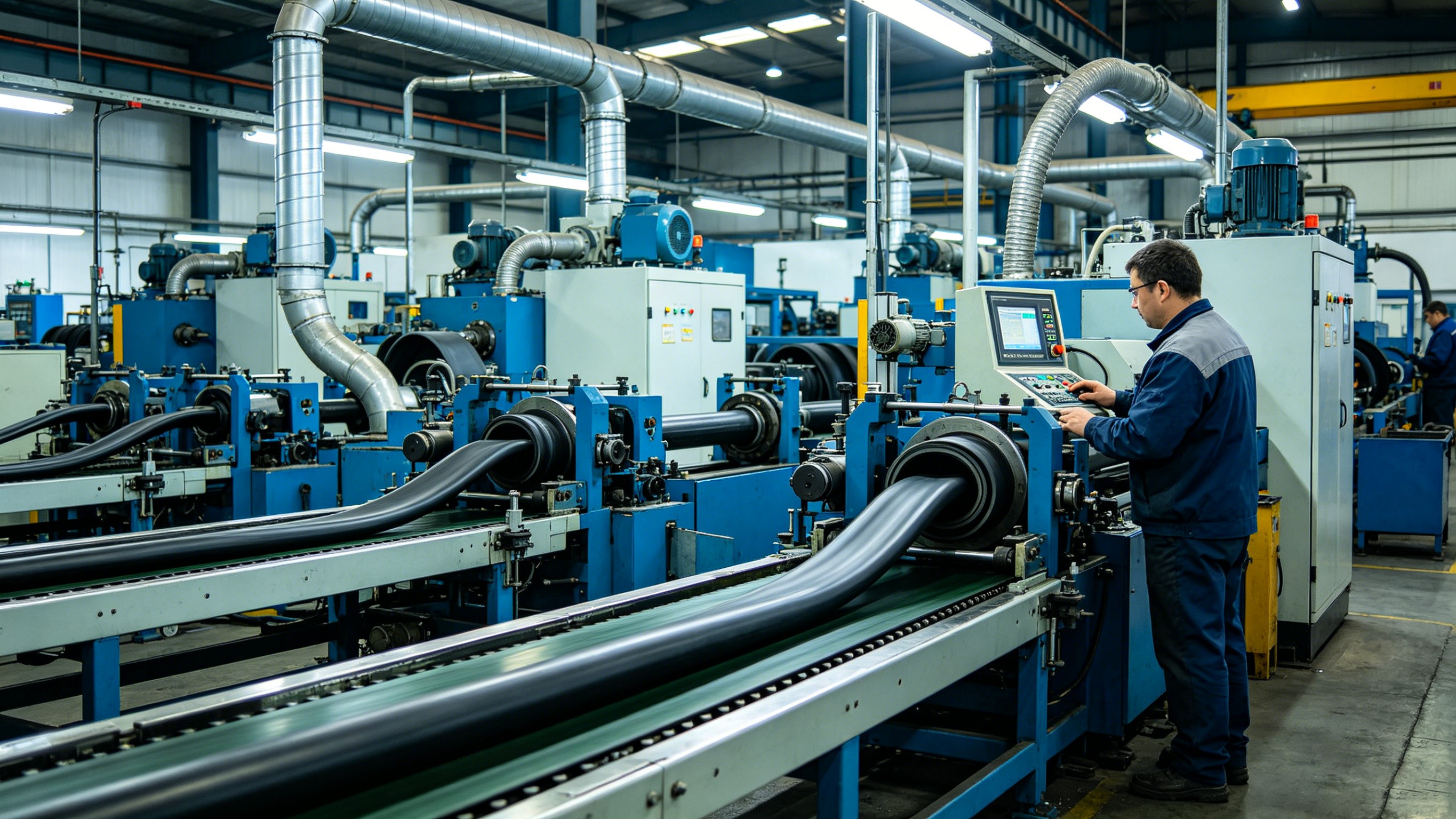
As a professional industrial hose manufacturer, our TPV hoses are made from premium thermoplastic vulcanizate materials with a working temperature range covering -40°C to 130°C, offering outstanding temperature resistance, weather resistance, and elastic recovery capability. Our products undergo rigorous temperature cycling tests and aging tests to ensure reliable performance across all temperature environments.
If you are looking for the right hose solution for high-temperature or low-temperature applications, or need specific product technical parameters and quotations, please feel free to contact us. Our technical team will provide you with professional selection advice.