PU Polyurethane Steel Wire Hose: An Ideal Choice for Wear-Resistant and Negative-Pressure-Resistant Industrial Ventilation and Dust Collection
In the fields of industrial ventilation, dust collection, and particle conveying, hoses need to simultaneously offer multiple properties such as wear resistance, negative pressure resistance, flexibility, and lightweight construction. With its excellent comprehensive performance, PU polyurethane steel wire hose has gradually become a popular choice in woodworking dust collection, industrial ventilation, material conveying, and other scenarios. As a professional hose manufacturer, this article analyzes the core features, application scenarios, and selection tips of PU polyurethane steel wire hoses.
I. Core Performance Advantages of PU Polyurethane Steel Wire Hose
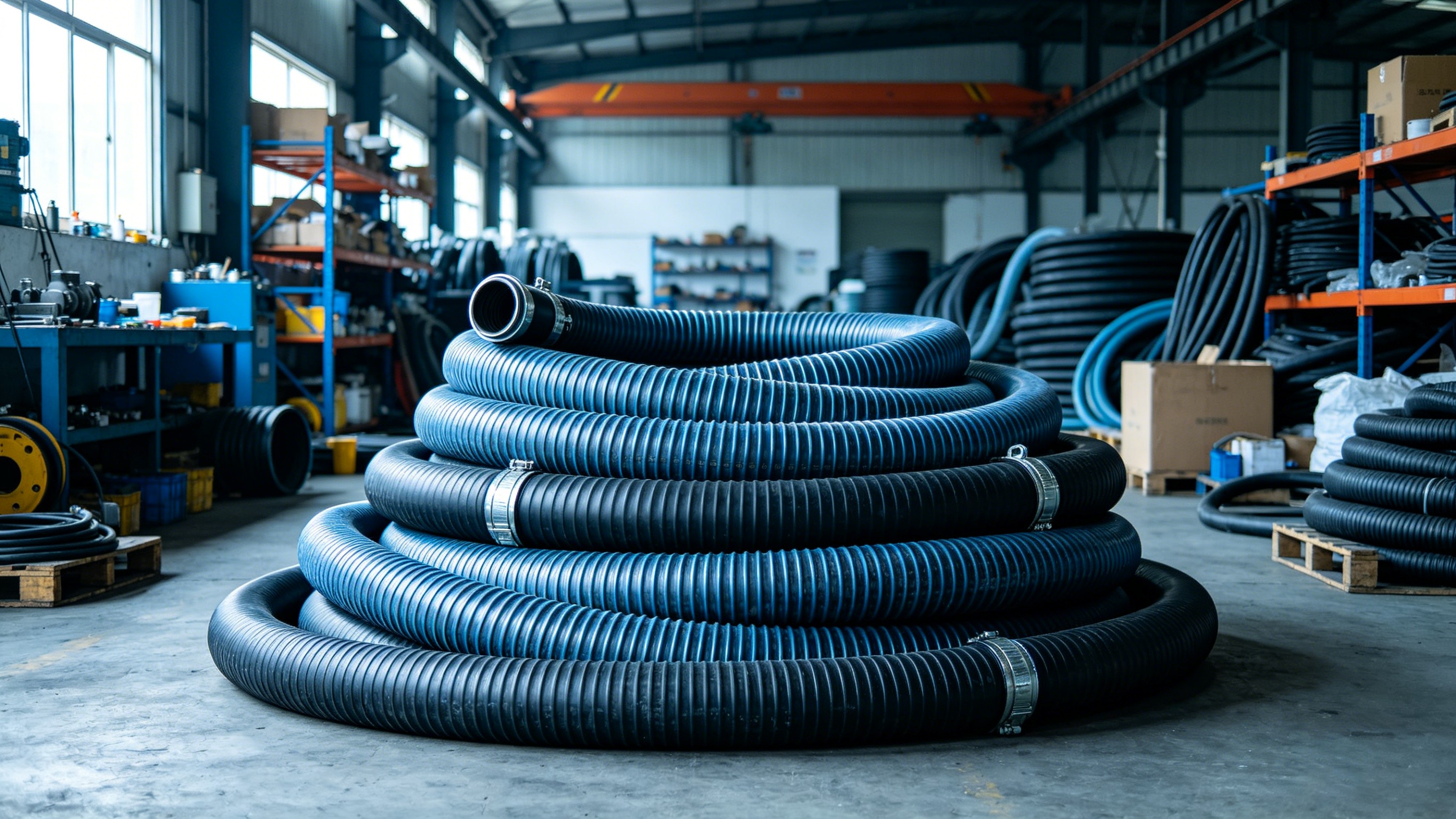
PU polyurethane steel wire hose is mainly made from polyurethane (PU) and features an embedded spiral steel wire reinforcement structure. It offers the following notable features:
Excellent Wear Resistance
Polyurethane material itself has extremely high wear resistance, far superior to ordinary PVC or rubber materials. It is especially suitable for conveying abrasive media such as particles, dust, and debris, resulting in a longer service life.
Strong Negative Pressure Resistance
The embedded spiral steel wire skeleton prevents the hose from collapsing under negative pressure, maintaining a stable ventilation cross-section. It is suitable for negative pressure working conditions such as dust collection systems and suction systems.
Flexible and Lightweight
PU material gives the hose good flexibility and a small bending radius, making installation and routing easier. At the same time, its light weight reduces the burden on equipment and facilitates on-site operation.
Oil and Chemical Resistance
Polyurethane has good resistance to grease, weak acids and alkalis, and various chemical media, making it suitable for complex industrial environments.
Wide Temperature Adaptability
It can maintain stable performance over a wide temperature range, adapting to industrial ventilation needs in different regions and seasons.
Smooth Inner Wall and Low Air Resistance
The smooth inner wall of the hose creates low airflow resistance, resulting in high conveying efficiency. It is not prone to dust accumulation and is easy to clean and maintain.
II. Main Application Scenarios
PU polyurethane steel wire hoses are used in a wide range of applications, mainly including:
Woodworking Dust Collection: Used for collecting and conveying sawdust, shavings, and dust in woodworking machinery and furniture factories.
Industrial Ventilation: Used in ventilation and exhaust systems for workshops, factories, welding fumes, and more.
Particle Conveying: Used for pneumatic conveying of plastic pellets, grain, powder, and other materials.
Dust Collection Systems: Used with central dust collection equipment for negative pressure vacuum lines.
Printing and Packaging: Used for paper suction and dust suction lines in printing and packaging machines.
General Industrial Vacuuming: Used for hose connections in industrial vacuum cleaners and cleaning equipment.
III. How to Choose the Right PU Polyurethane Steel Wire Hose
For different working conditions, the following parameters should be focused on during selection:
Inner Diameter and Wall Thickness
Select the appropriate inner diameter and wall thickness according to air volume, air speed, and conveying medium to ensure ventilation efficiency and pressure resistance.
Negative Pressure Resistance
Confirm the hose's anti-collapse capability under negative pressure conditions to avoid deformation caused by excessive negative pressure, which may affect ventilation.
Wear Resistance Grade
Select a hose with the appropriate wear resistance grade according to the abrasiveness of the conveying medium to extend service life.
Temperature Range
Confirm whether the hose's applicable temperature covers the actual working environment temperature to avoid softening at high temperatures or embrittlement at low temperatures.
Steel Wire Structure
Choose the appropriate steel wire spacing and diameter according to negative pressure strength and bending requirements, balancing flexibility and support.
Connection Method
Choose a matching connection method (such as clamps, flanges, quick connectors, etc.) according to the equipment interface to ensure reliable sealing.
IV. PU Polyurethane Steel Wire Hose vs Traditional Ventilation Hoses
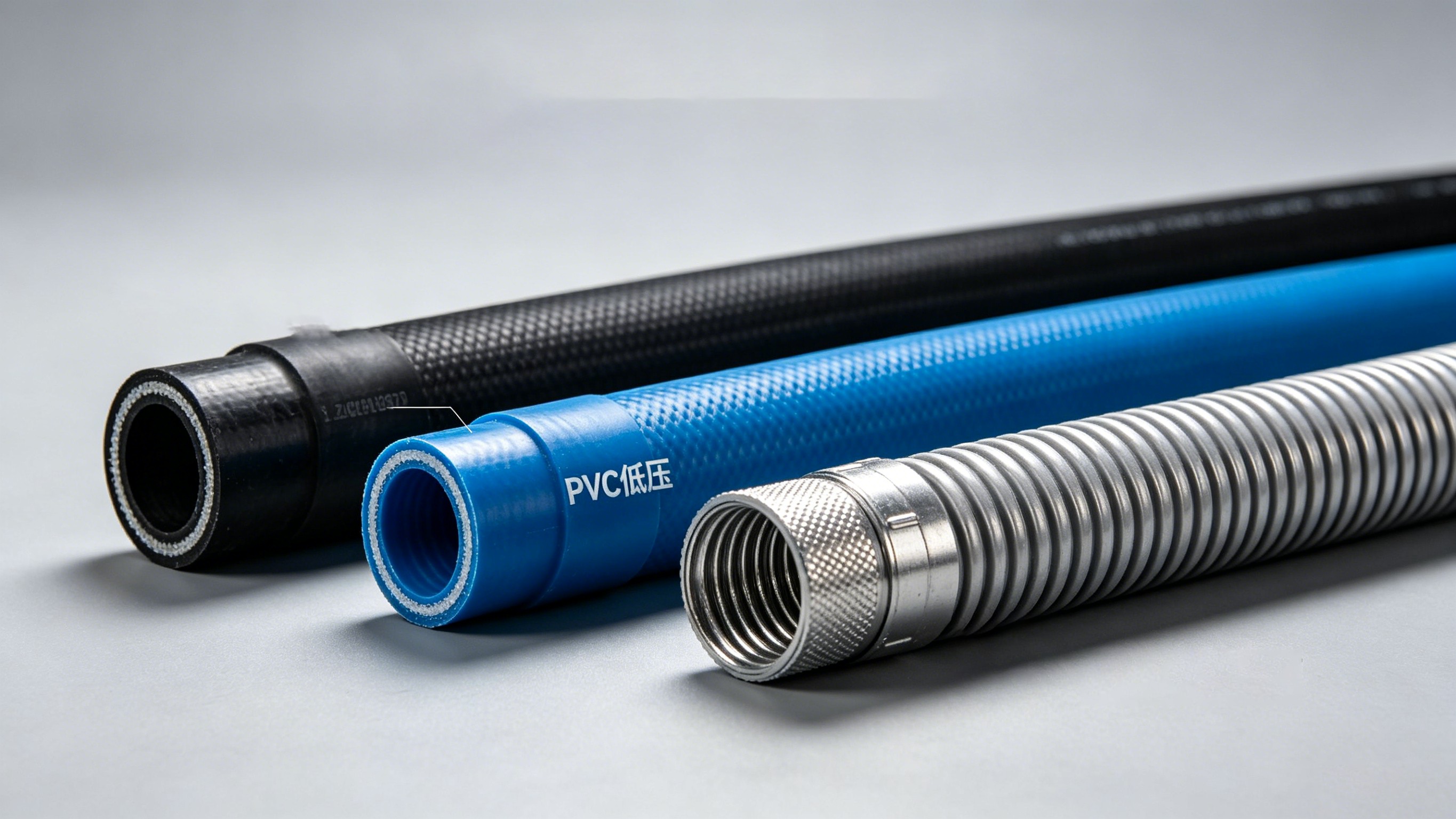
Comparison Item PU Polyurethane Steel Wire Hose PVC Steel Wire Hose Rubber Ventilation Hose
Wear Resistance Excellent Moderate Good
Negative Pressure Resistance Excellent Good Good
Flexibility Excellent Good Moderate
Weight Light Relatively light Heavy
Oil Resistance Excellent Moderate Good
Service Life Long Medium Medium
From the perspective of overall cost-effectiveness, PU polyurethane steel wire hoses have obvious advantages in wear resistance, negative pressure resistance, and flexibility, making them an ideal choice in the field of industrial ventilation and dust collection.
V. Conclusion
As industrial dust collection and ventilation systems continue to raise requirements for hose performance, PU polyurethane steel wire hoses are experiencing growing market demand due to their comprehensive advantages such as wear resistance, negative pressure resistance, and flexible lightweight construction. As a hose manufacturer, we are committed to providing customers with high-quality PU polyurethane steel wire hoses, PU ribbed hoses, and related accessories, and to offering customized solutions according to different working conditions. If you are looking for a reliable hose supplier, welcome to contact us for more product information and technical support.