Industrial Hose Selection Guide: From Pressure Ratings to Chemical Compatibility – Avoiding 5 Common Mistakes
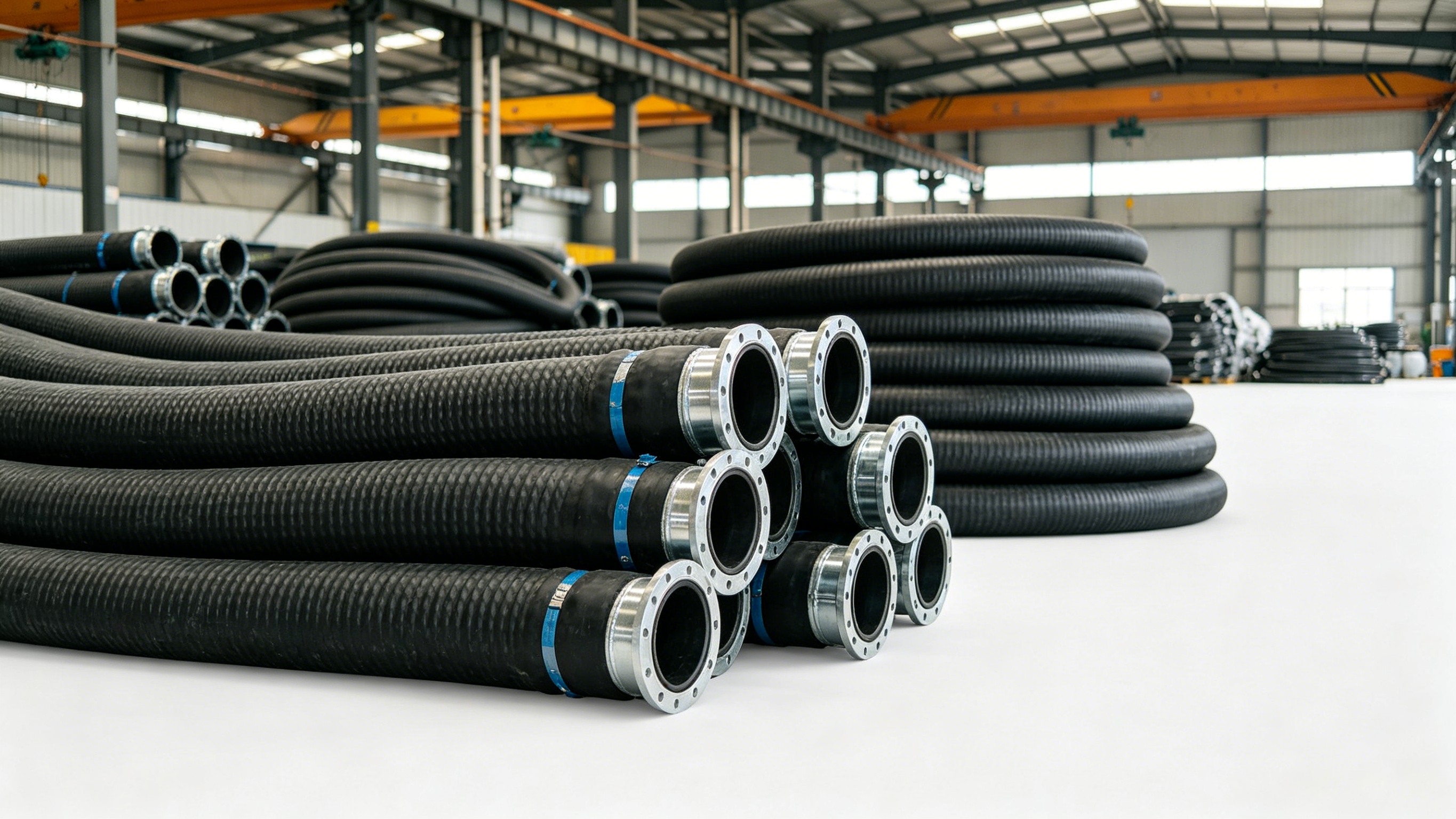
Industrial hoses may appear simple, but they are a critical link in fluid transmission systems—directly impacting both safety and efficiency. Incorrect selection can lead not only to unplanned downtime but also to leakage, burst failures, and even personnel injury. With a wide array of material options—nylon resin, PU polyurethane, TPV rubber, and more—engineering professionals often face difficult choices. This article provides a systematic approach to hose selection across five key dimensions, highlighting six common pitfalls and how to avoid them.
Mistake 1: Focusing Only on Rated Pressure While Ignoring Pressure Surges
Many specifiers look only at a hose's nominal working pressure, overlooking pressure spikes and frequent pulsation that occur during valve actuation and cylinder reversal. In real hydraulic systems, instantaneous peak pressures can reach 1.5 to 2 times the working pressure.
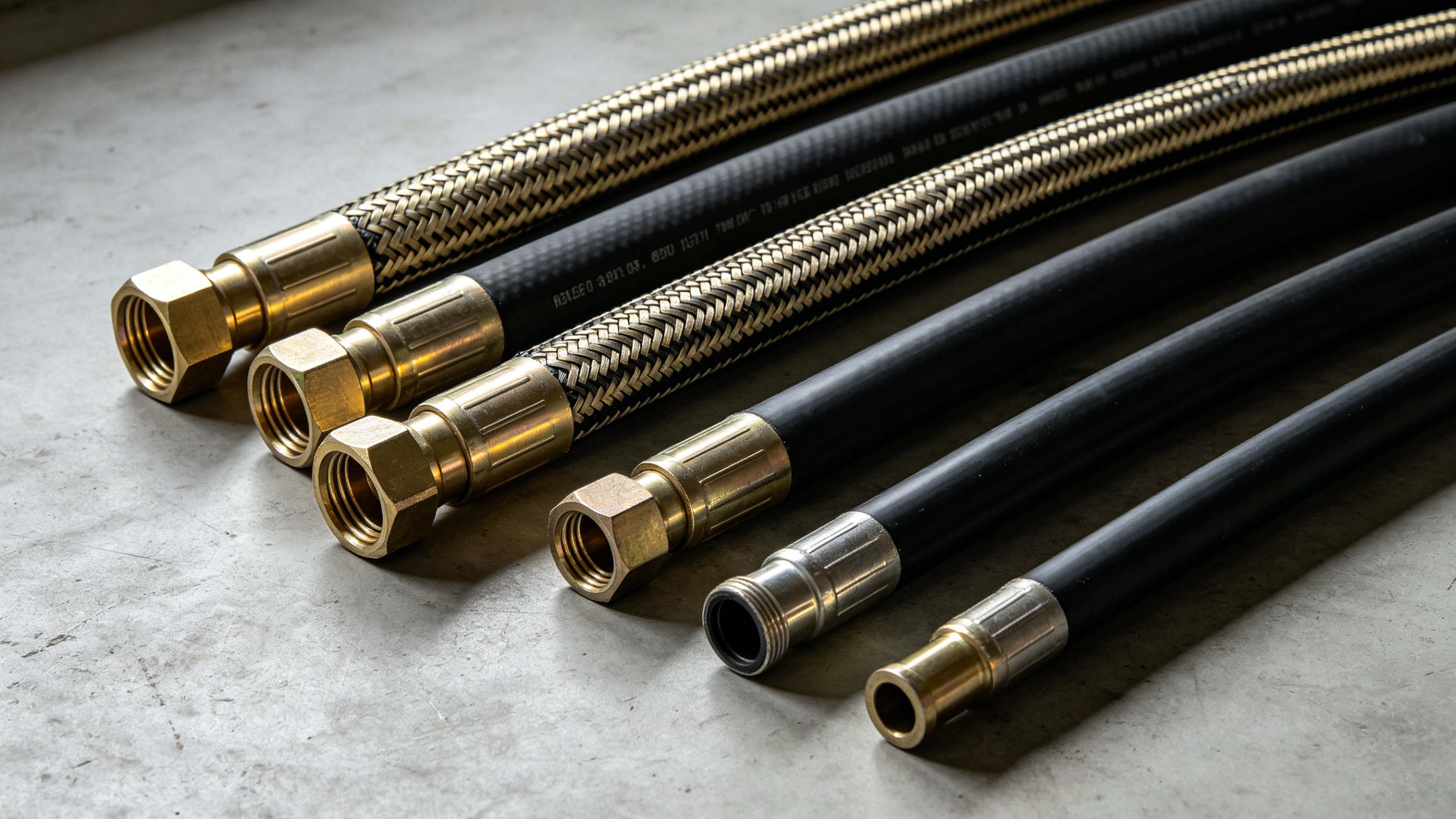
Core Selection Principle: The safety factor (ratio of burst pressure to working pressure) should be no less than 3:1. For applications with frequent pressure fluctuations, a wire-braided or wire-spiral reinforced construction with superior impulse performance is recommended. Nylon resin high-pressure hoses, with their optimized reinforcement layer design, perform better in impulse fatigue resistance than conventional rubber hoses. Although small in diameter, pressure measurement hoses can handle working pressures up to 63 MPa, with burst pressures exceeding 250 MPa—sufficient for the most demanding high-pressure testing scenarios.
Additionally, the effect of temperature on pressure capacity is frequently underestimated. When operating temperatures exceed the hose's rated upper limit, the allowable working pressure typically decreases by approximately 5% to 8% for every 10°C rise. At elevated temperatures, always consult the manufacturer's temperature-pressure derating curves and adjust your selection accordingly.
Mistake 2: Overlooking Chemical Compatibility Between Media and Tube Material
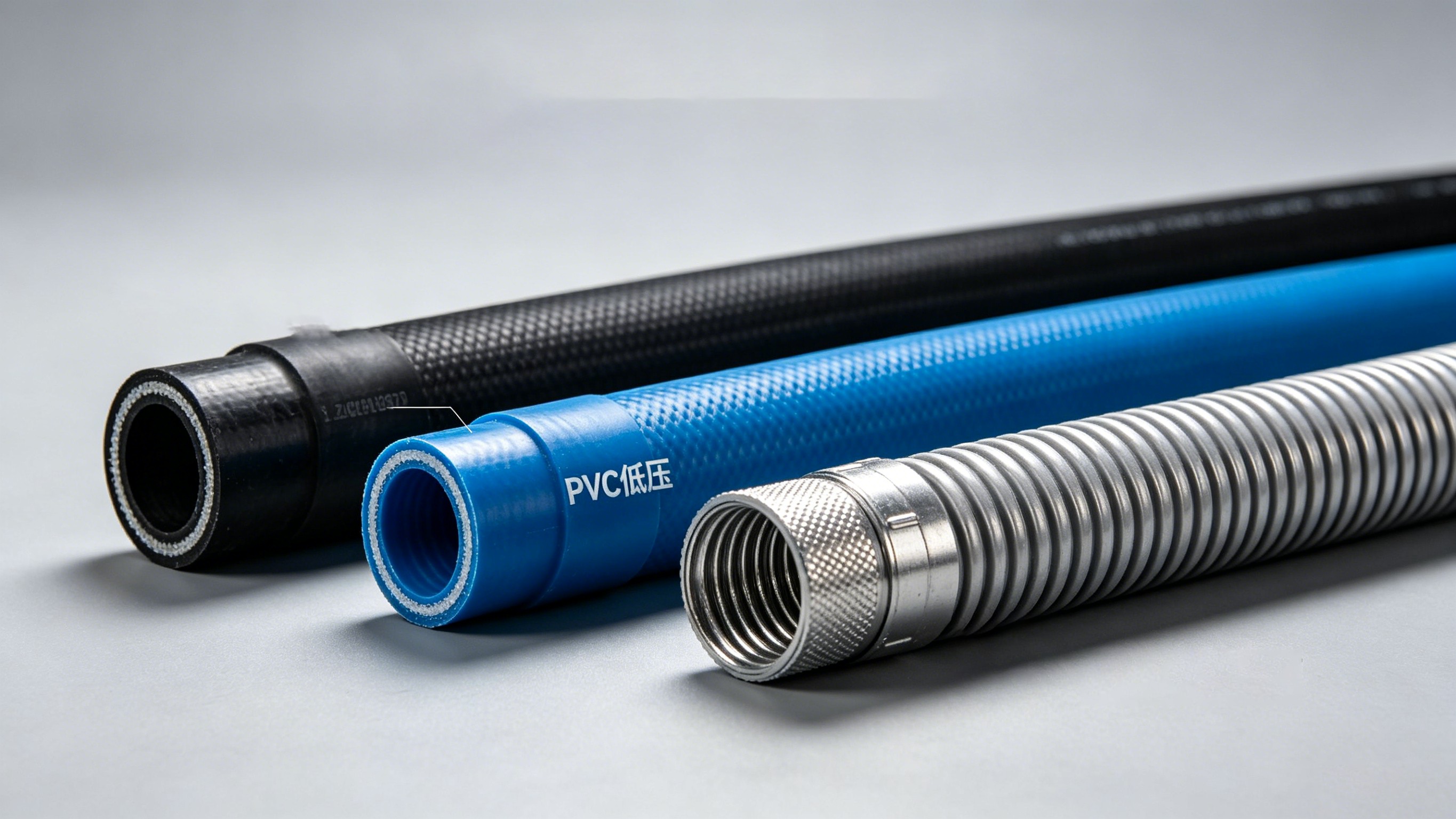
Chemical compatibility between the conveyed media and the hose tube material is one of the most important factors determining service life. Different materials exhibit significantly different resistance profiles:
Nylon Resin (PA): Excellent resistance to mineral oils, hydraulic fluids, fuels, and refrigerants. Not suitable for strong acids, strong alkalis, or polar solvents.
PU Polyurethane: Good resistance to oils and greases, but poor resistance to hot water and certain strong acids.
TPV Rubber: Broad chemical resistance, particularly well-suited for aggressive chemical transfer and hot water/steam environments.
Common selection errors include: using standard PU tubing for aromatic hydrocarbon solvents, leading to inner layer swelling; or using nylon tubing in high-temperature alkaline cleaning solutions, causing hydrolysis and embrittlement. Always consult the manufacturer's chemical resistance chart before selecting, and consider immersion testing for critical applications.
For ultra-high-pressure cleaning hoses, where the medium is typically high-pressure water (often containing chemical detergents), the inner layer must simultaneously meet high-pressure sealing requirements and chemical resistance—usually achieved with specialty thermoplastic elastomers or polyoxymethylene (POM) liners.
Mistake 3: Ignoring Temperature Limits – Both Fluid and Ambient
Temperature considerations involve two aspects: media temperature and ambient temperature. Take TPV rubber hose as an example—its standard temperature range is -30°C to +80°C, though certain modified grades can extend to -60°C on the low end or +150°C on the high end. Nylon resin hoses typically handle -40°C to +100°C, while PU polyurethane hoses maintain low-temperature flexibility better than most rubbers but generally have an upper limit of 80°C to 90°C.
For outdoor extreme cold environments, low-temperature bendability is a key parameter. TPV materials retain excellent flexibility at -60°C, offering a distinct advantage in cold-zone construction equipment. For high-heat environments or proximity to heat sources (e.g., welding stations), in addition to selecting heat-resistant materials, consider adding thermal protective sleeves.
Mistake 4: Underestimating Abrasion and Bending Fatigue Risks
In material conveying and dust extraction applications, internal wall abrasion can occur far faster than expected. PU polyurethane offers abrasion resistance approximately 3 to 5 times that of natural rubber, making PU wire-reinforced hoses the preferred choice for woodworking dust extraction, abrasive material transfer, ceramic powder suction, and similar applications.
Wall thickness selection is equally critical: ultra-light 0.4mm wall PU wire hoses are suitable for high-flex, low-load ventilation and dust collection; while heavy-duty 0.9mm or 1.5mm wall versions are required for highly abrasive, high-vacuum material handling.
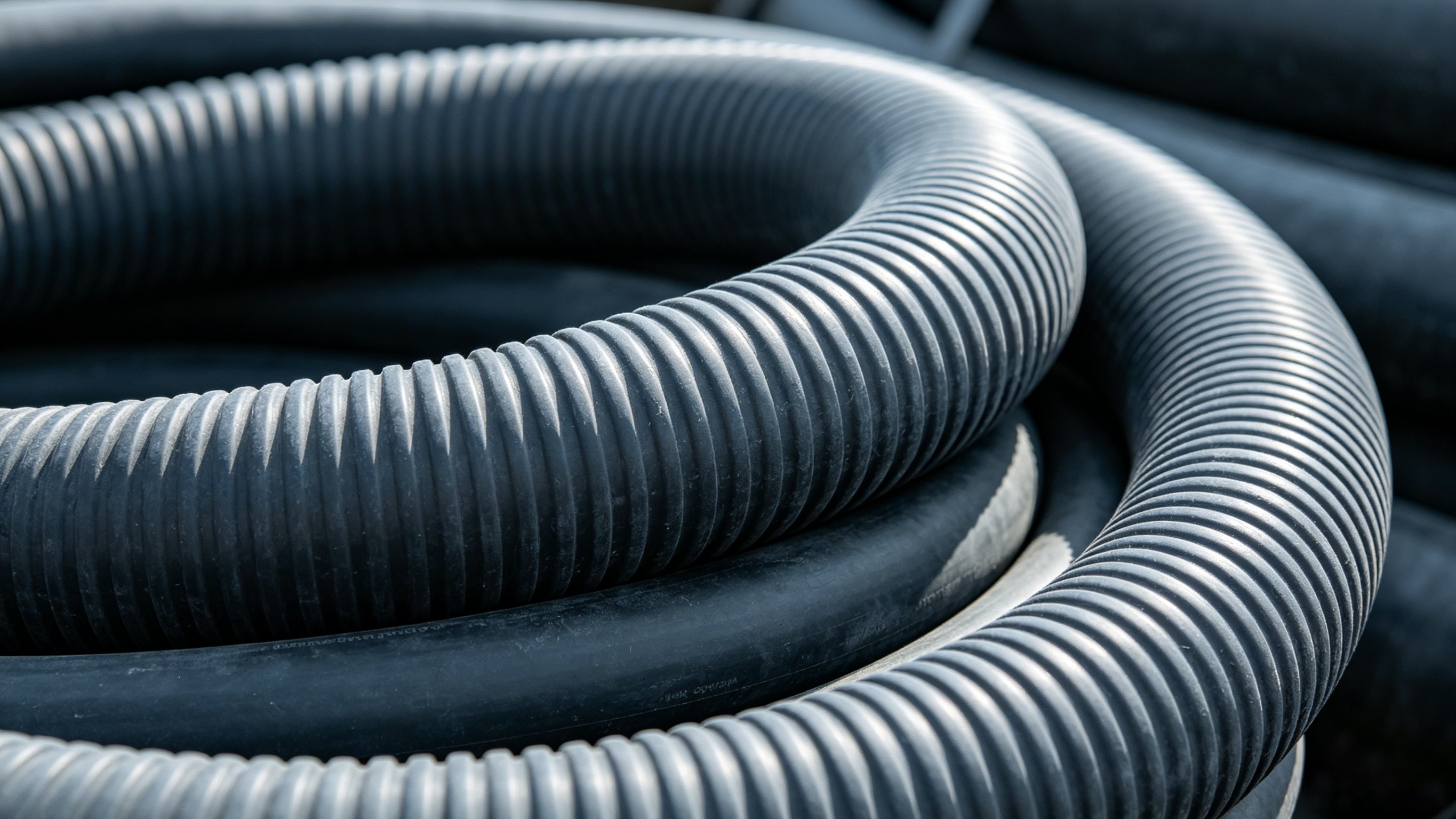
Bend radius is another frequently overlooked parameter. Repeated use at tight bend radii accelerates reinforcement layer fatigue, leading to premature hose failure. Always ensure the system's minimum bend radius is no less than the hose's specified minimum bend radius. For space-constrained installations, prioritize hoses with smaller bend radii, such as PU spiral hoses or nylon tubing.
Mistake 5: Neglecting Fitting Compatibility and Installation Quality
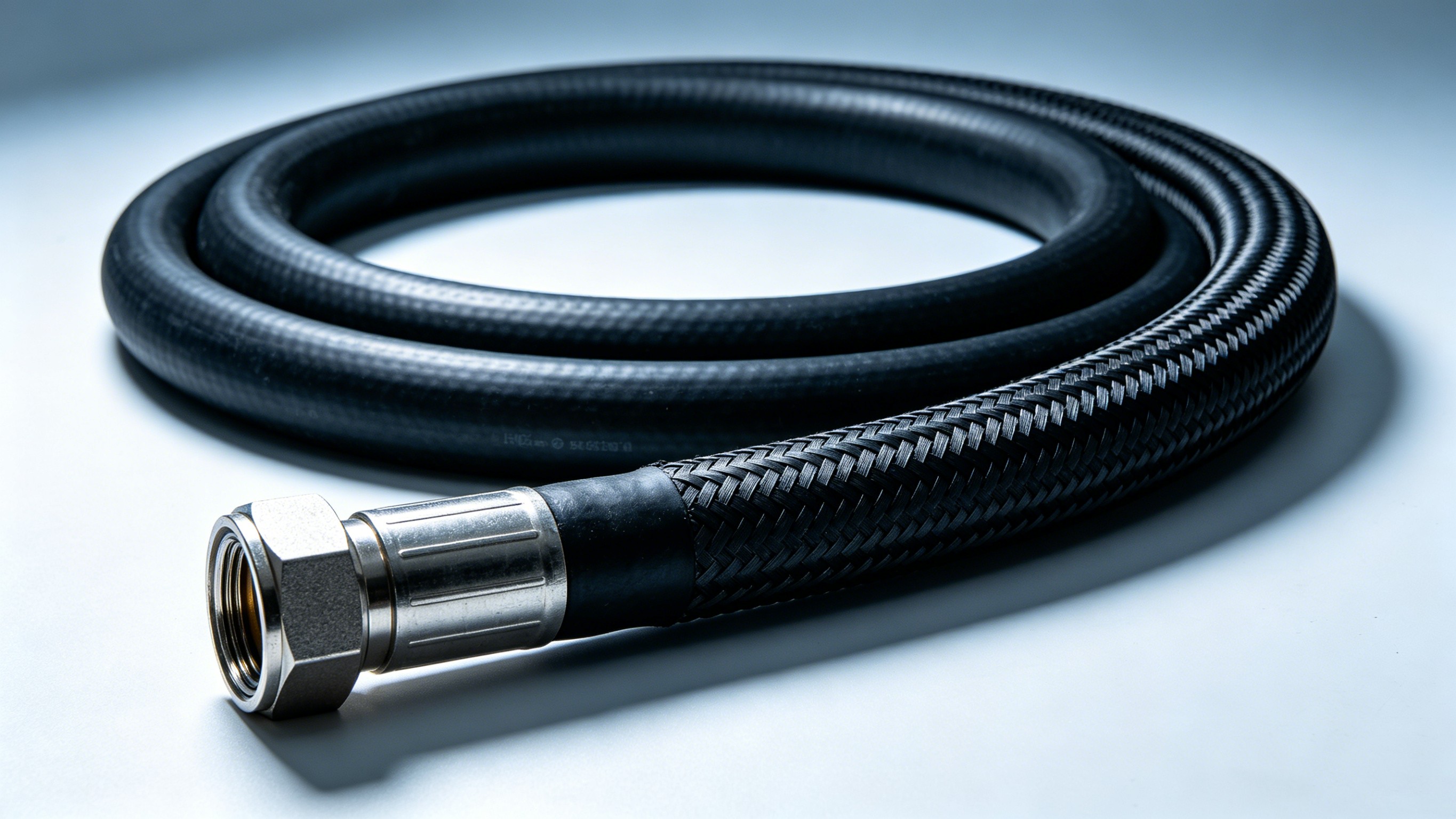
Industry data shows that fitting-related failures account for more than half of all hose failures. Fitting type (crimp-style, reusable, push-to-connect), fitting material (zinc-plated steel, stainless steel, brass), and crimping process parameters all directly impact sealing reliability and pull-off resistance.
For ultra-high-pressure cleaning hoses, fittings are typically manufactured from high-strength stainless steel, with precisely controlled crimping parameters to ensure zero leakage at pressures exceeding 2000 bar. Pressure measurement hoses are usually equipped with specialized quick-couplers for frequent connection and disconnection; fitting machining precision directly affects seal life.
Mistake 6: Failing to Plan for Hose Routing and Installation
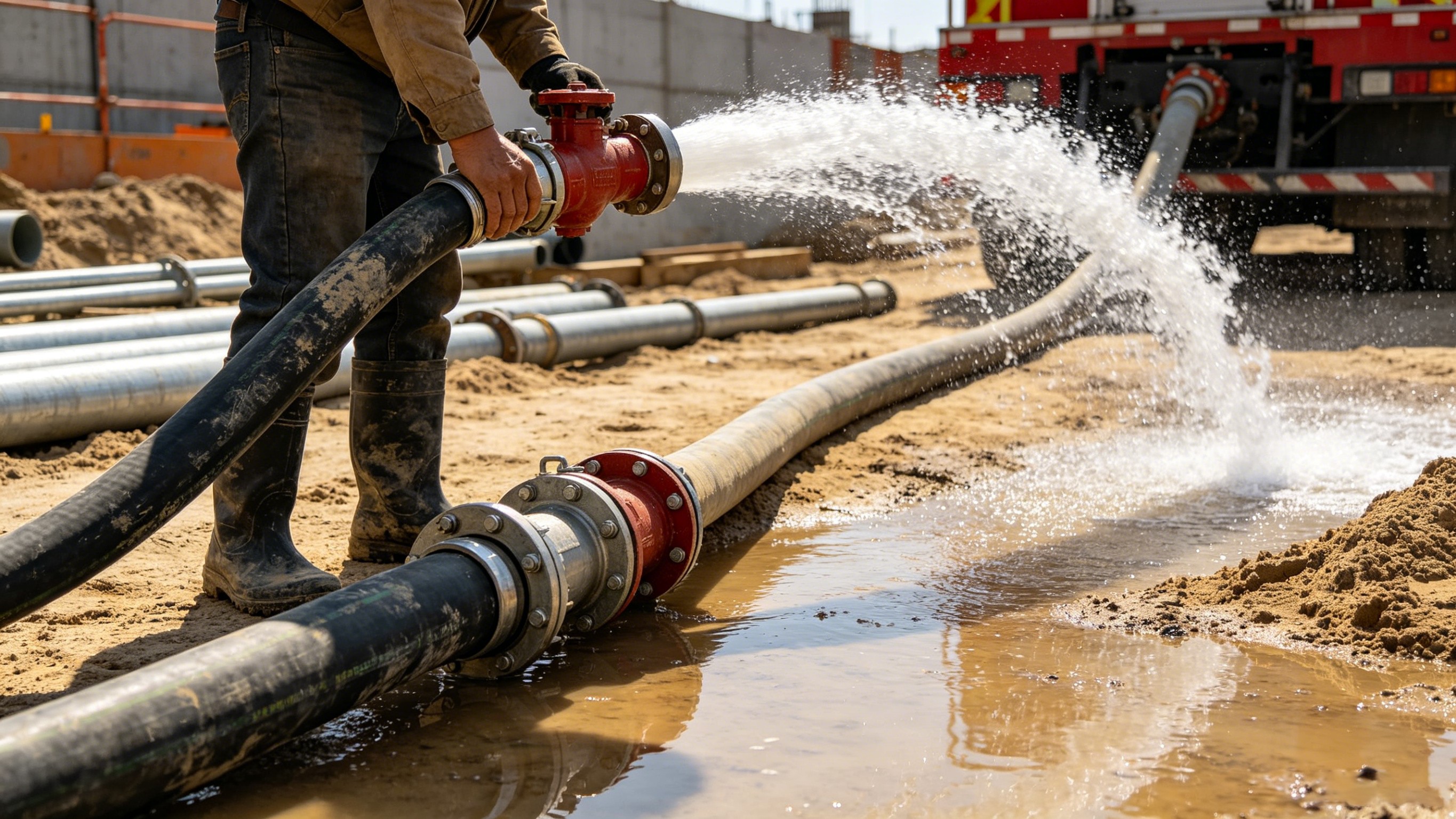
Even a properly selected hose can fail prematurely due to poor routing. Sharp bends, twisting during installation, chafing against neighboring components, and inadequate clamping can all cause localized stress that reduces service life. Routing should allow sufficient slack to accommodate pressure-induced length changes (typically +2% to -4% under pressure) and machinery movement.
Best Practice: Use proper support clamps at intervals, avoid routing near sharp edges, provide protective sleeving in high-chafe areas, and always follow the manufacturer's recommended minimum bend radius during installation.
Summary: A Systematic Selection Process Based on Operating Conditions
We recommend the following step-by-step approach to hose selection:
Define the media – identify chemical composition, concentration, and temperature.
Determine pressure parameters – include working pressure, peak pressure, and pulse frequency.
Assess the environment – ambient temperature range, chemical exposure, UV exposure, and mechanical wear potential.
Calculate length and routing – determine hose length, bend radius requirements, and fitting orientation.
Cross-reference selection charts – with all parameters defined, match against manufacturer technical data to select the correct tube material, reinforcement construction, and fitting configuration.
Proper selection not only extends hose service life but also significantly enhances overall system safety. For further selection support or custom engineering solutions, please contact our technical team—we're here to help you optimize your fluid handling systems.