PU Steel Wire Hose vs PVC Hose: Which One Is Better for Industrial Applications?
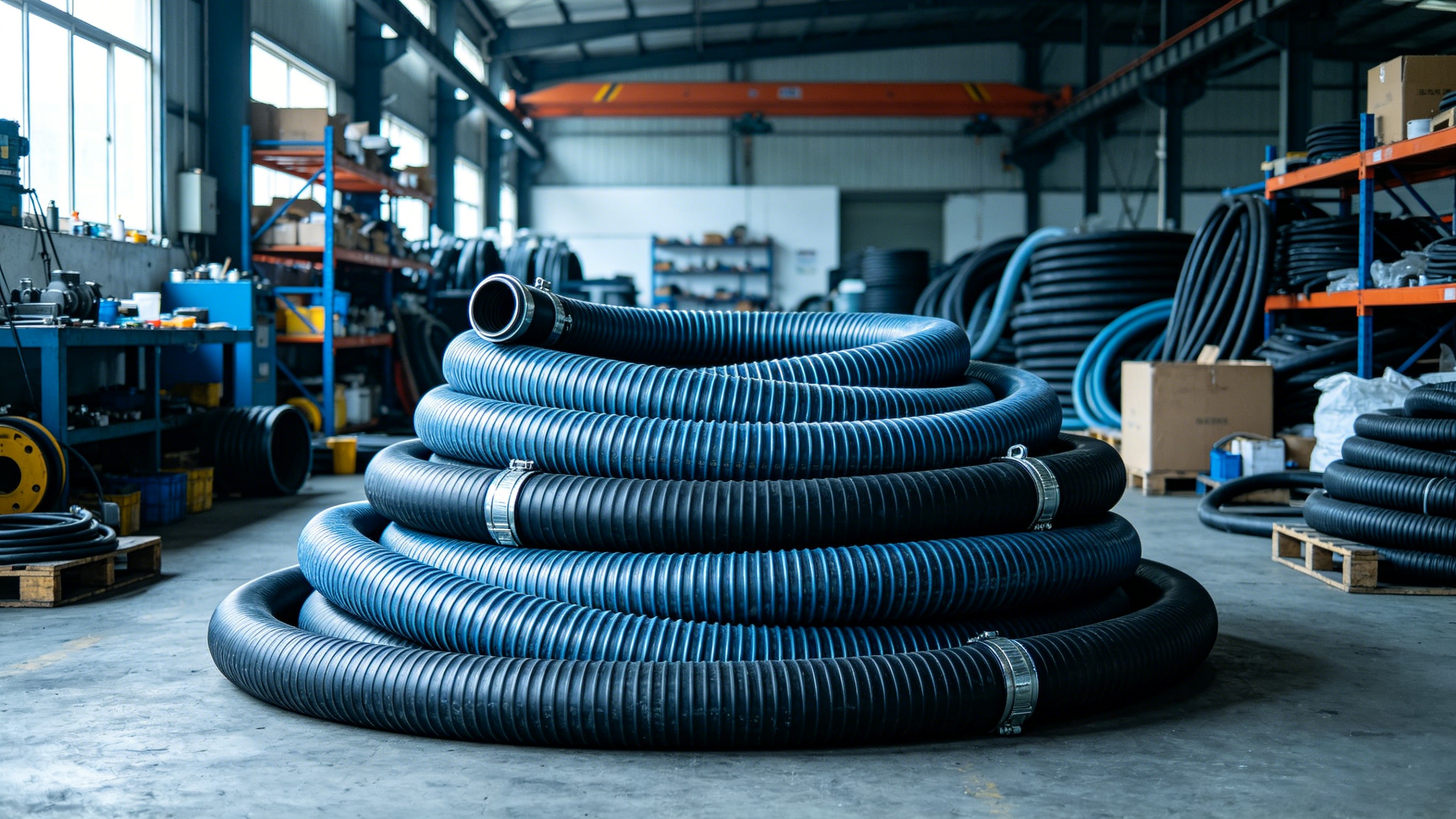
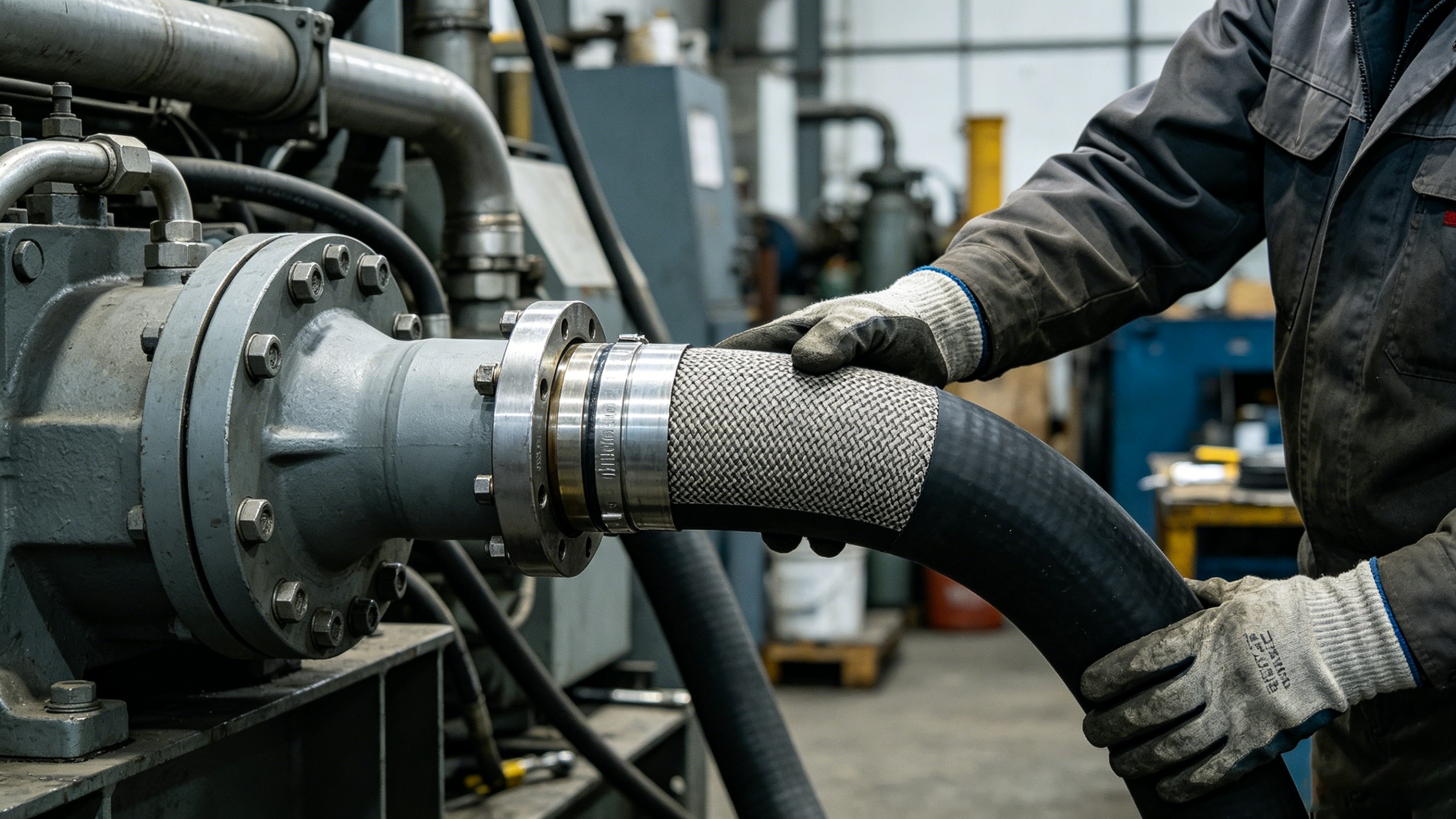
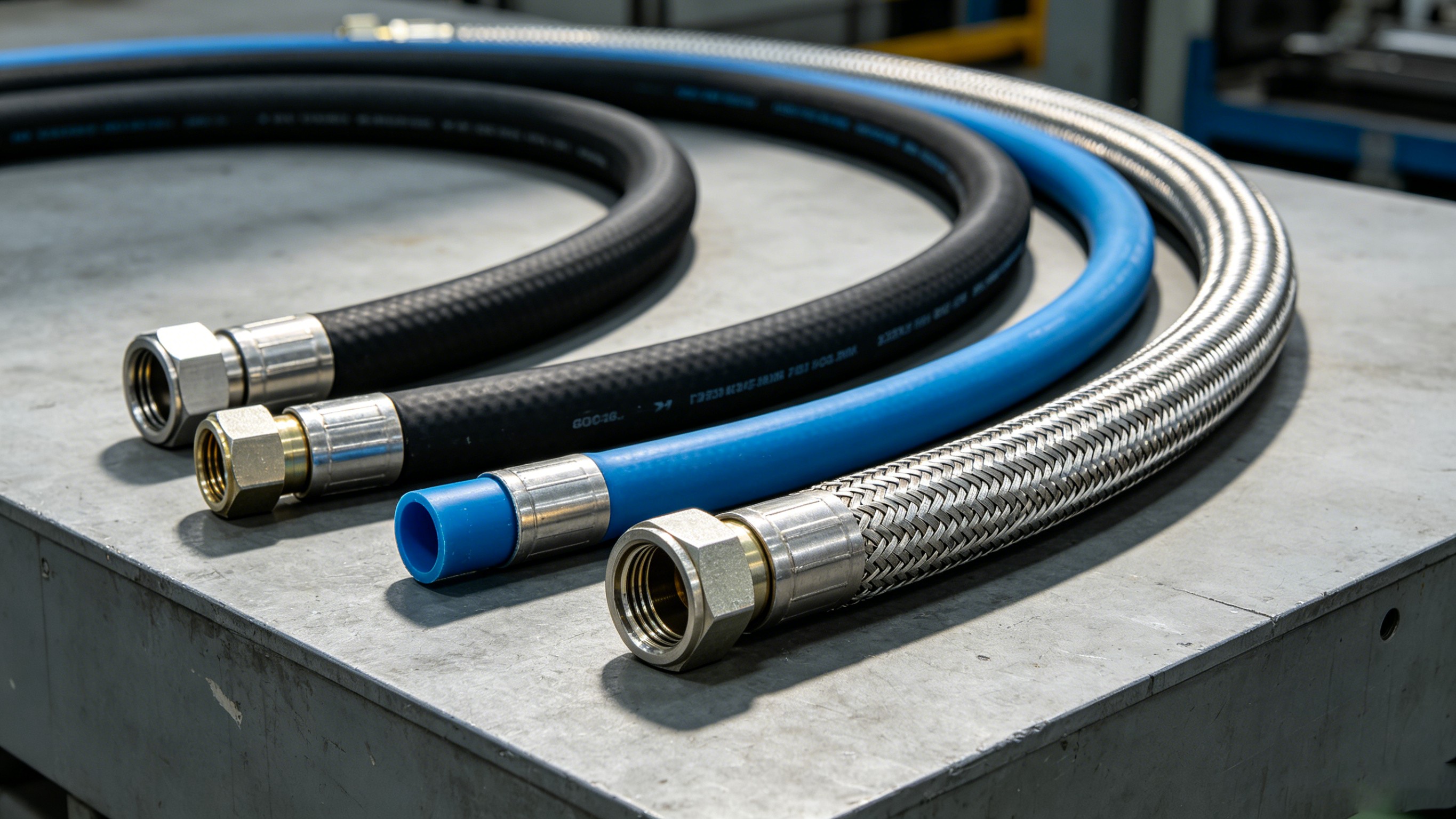
In industrial material conveying, ventilation, and suction systems, choosing the right flexible hose is essential for maintaining equipment efficiency and reducing maintenance costs. Among various industrial hoses, PU polyurethane steel wire hoses and PVC hoses are two commonly used options.
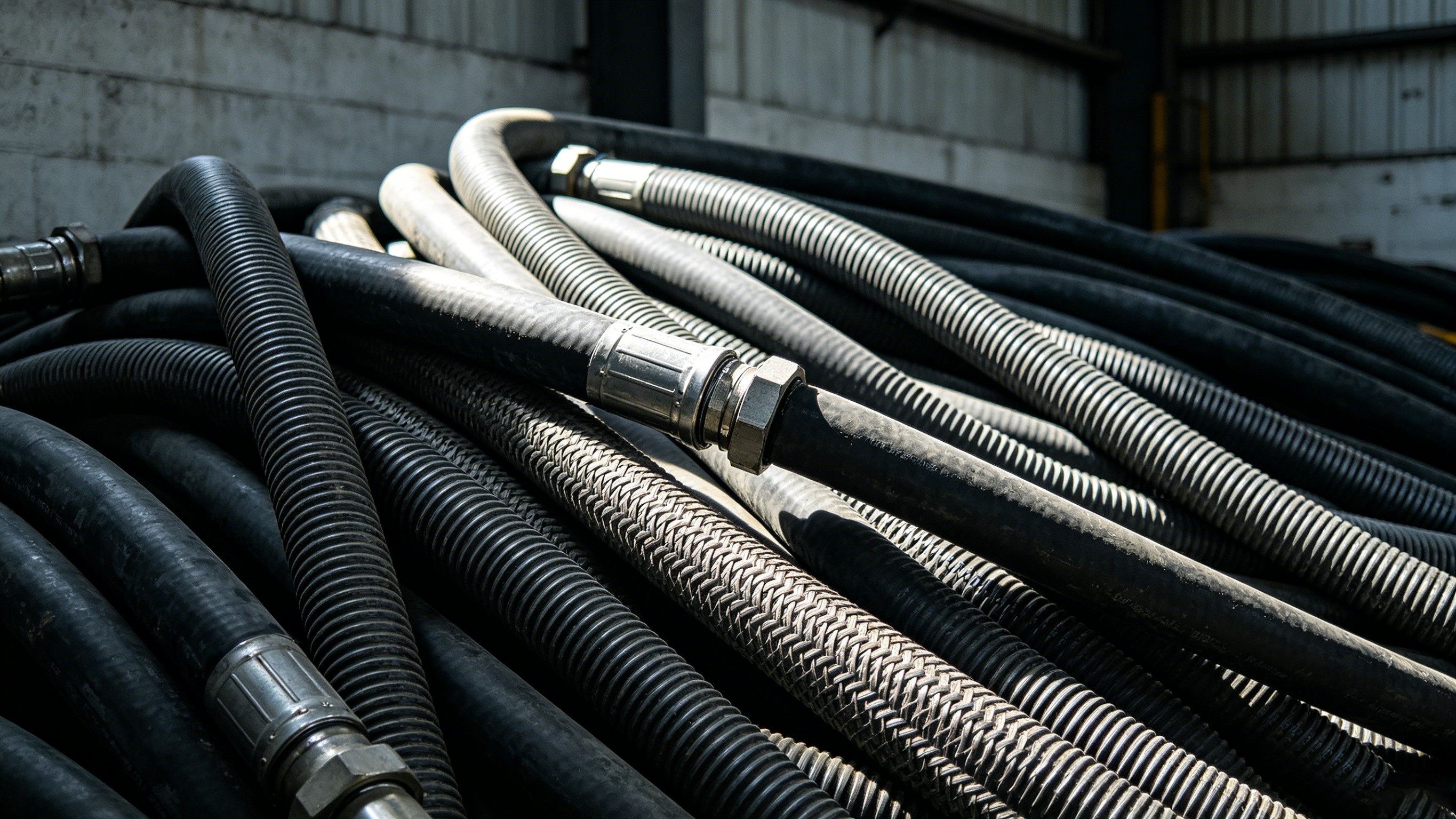
Both types of hoses are widely applied in dust collection, air ventilation, material transportation, and industrial equipment connections. However, they differ significantly in material properties, abrasion resistance, flexibility, service life, and application suitability.
Understanding the differences between PU steel wire hoses and PVC hoses can help users select the most suitable solution according to their working environment.
What Is a PU Steel Wire Hose?
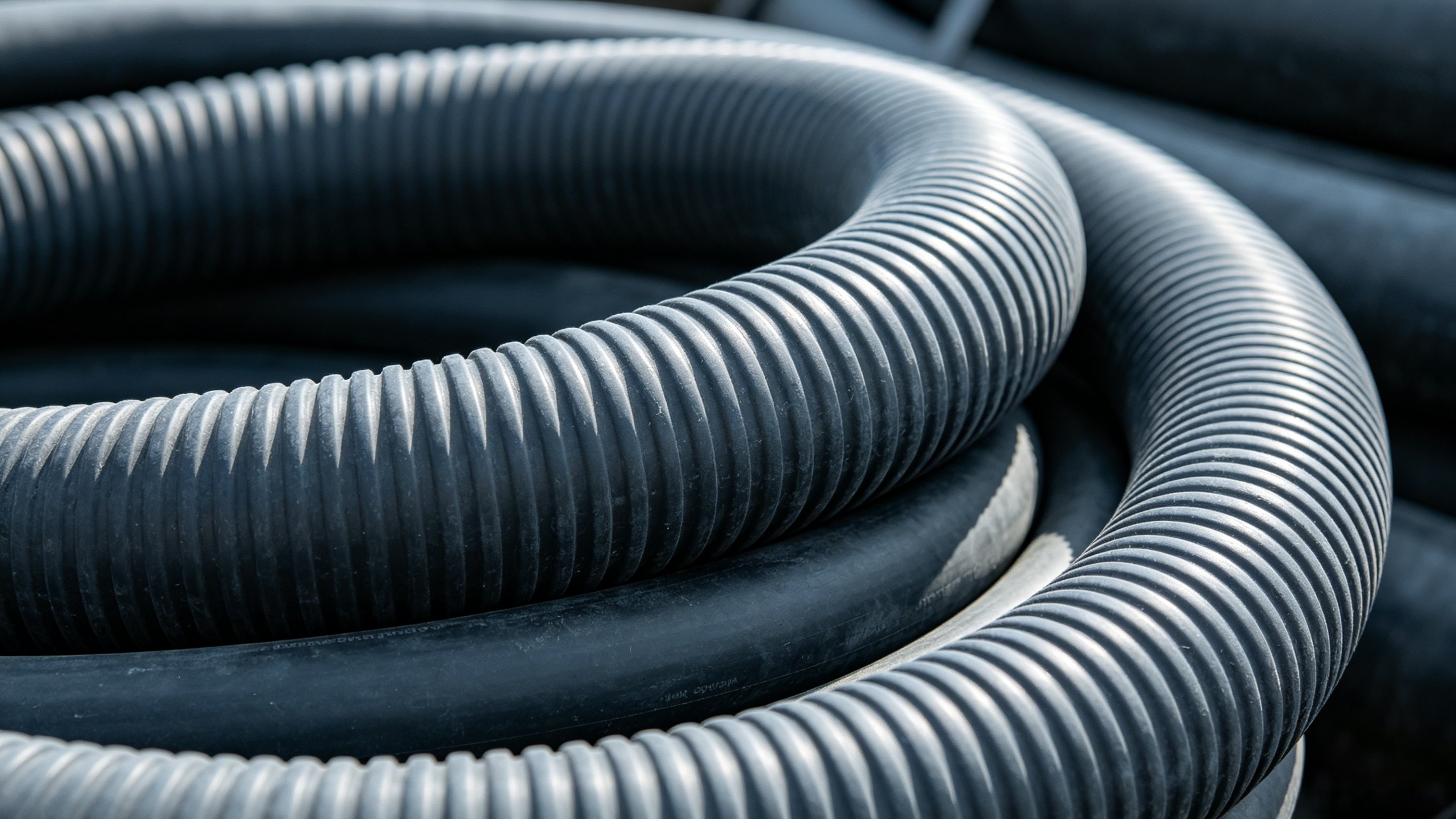
A PU polyurethane steel wire hose is a flexible hose made from high-quality polyurethane material with a spiral steel wire reinforcement embedded into the hose wall.
The combination of polyurethane and steel wire provides excellent mechanical performance, allowing the hose to maintain flexibility while resisting deformation during suction or material conveying.
Main features include:
Excellent abrasion resistance
High flexibility
Lightweight construction
Good vacuum resistance
Long service life
PU steel wire hoses are commonly used for conveying:
Dust
Powder
Wood chips
Granules
Industrial waste
Abrasive particles
What Is a PVC Hose?
PVC hoses are made from polyvinyl chloride material and are widely used in general industrial applications because of their low cost and easy availability.
PVC hoses are commonly used for:
Air ventilation
Light-duty suction
Water transportation
General-purpose material handling
Depending on the structure, PVC hoses may include reinforcement such as plastic ribs or steel wire to improve strength.
Their main advantages include:
Affordable price
Lightweight design
Good chemical resistance
Easy installation
However, PVC hoses may have limitations when used in applications involving heavy abrasion or continuous mechanical stress.
PU Steel Wire Hose vs PVC Hose: Material Performance Comparison
1. Abrasion Resistance
Abrasion resistance is one of the most important factors when selecting an industrial hose.
PU Steel Wire Hose
Polyurethane has excellent wear resistance, making PU steel wire hoses highly suitable for transporting abrasive materials.
They can handle:
Sand particles
Wood chips
Metal dust
Ceramic powder
Industrial debris
The durable PU inner wall helps reduce wear during continuous operation.
PVC Hose
PVC provides acceptable abrasion resistance for general applications but is usually less resistant than polyurethane when exposed to continuous friction.
For heavy-duty material conveying, PVC hoses may wear faster.
Winner: PU Steel Wire Hose
2. Flexibility and Bending Performance
Flexible hoses are often installed in limited spaces or equipment requiring frequent movement.
PU Steel Wire Hose
The embedded steel wire reinforcement provides structural support while maintaining good flexibility.
Advantages include:
Small bending radius
Easy movement
Resistance to deformation
Suitable for dynamic applications
PVC Hose
PVC hoses are also flexible, especially lightweight models. However, some PVC materials may become harder in cold environments and lose flexibility over time.
Winner: PU Steel Wire hose
3.Service Life and Durability
The service life of a hose depends on working conditions, material quality, and maintenance.
PU Steel Wire Hose
Polyurethane provides:
High wear resistance
Good tear resistance
Strong mechanical strength
Better resistance to repeated movement
This makes PU hoses suitable for demanding industrial environments.
PVC Hose
PVC hoses can provide good service life in normal conditions, but frequent abrasion, impact, and heavy-duty applications may shorten their lifespan.
Winner: PU Steel Wire Hose
4. Weight and Handling
Both PU and PVC hoses are lightweight compared with traditional rubber hoses.
PU Steel Wire Hose
Although reinforced with steel wire, PU hoses maintain a lightweight structure and are easy to install.
PVC Hose
PVC hoses are generally low-cost and lightweight, making them suitable for simple applications.
For applications requiring frequent movement and higher durability, PU hoses often provide better overall value.
Result: Similar, depending on application
5. Chemical Resistance
Chemical compatibility is important when hoses are exposed to industrial substances.
PU Steel Wire Hose
PU material provides good resistance to:
Oils
Grease
Industrial dust
Many chemicals
PVC Hose
PVC also has good resistance to many chemicals and is widely used in general industrial environments.
However, specific chemical compatibility should always be confirmed before use.
Result: Depends on the working environment
6. Temperature Performance
Temperature conditions can affect hose flexibility and durability.
PU Steel Wire Hose
Polyurethane hoses generally maintain good flexibility under changing temperatures and perform well in many industrial environments.
PVC Hose
PVC may become harder at lower temperatures and may experience reduced flexibility in cold conditions.
Winner: PU Steel Wire Hose
Application Comparison: Which Hose Should You Choose?
Choose PU Steel Wire Hose When:
PU steel wire hoses are recommended for applications requiring:
High abrasion resistance
Continuous material conveying
Industrial dust collection
Woodworking machinery
Ceramic processing
Vacuum systems
Heavy-duty suction
Typical applications:
Sawdust collection systems
Industrial vacuum cleaners
Powder conveying equipment
Particle transportation systems
Choose PVC Hose When:
PVC hoses are suitable for:
Light-duty applications
General ventilation
Low-abrasion material conveying
Cost-sensitive projects
Typical applications:
Air ventilation
Simple suction systems
Temporary installations
Cost Consideration: Is PU Steel Wire Hose Worth the Investment?
PVC hoses usually have a lower initial purchase cost. However, the total cost of ownership should consider:
Replacement frequency
Maintenance costs
Production downtime
Working efficiency
In demanding industrial applications, a PU steel wire hose may provide better long-term value because of its longer service life and improved durability.
A hose that lasts longer can reduce replacement frequency and improve production efficiency.
How to Choose the Right Industrial Hose?
Before selecting a hose, consider the following factors:
Material Being Conveyed
For abrasive materials such as dust, powder, wood chips, and particles, PU hoses are usually preferred.
Working Environment
Consider:
Temperature
Chemical exposure
Mechanical movement
Installation space
Required Service Life
Heavy-duty applications require hoses with stronger wear resistance and durability.
Equipment Requirements
Check:
Hose diameter
Vacuum pressure
Bending requirements
Connection method
Conclusion
Both PU steel wire hoses and PVC hoses have their own advantages. PVC hoses are economical solutions for general applications, while PU polyurethane steel wire hoses provide superior performance in demanding industrial environments.
With excellent abrasion resistance, flexibility, durability, and lightweight construction, PU steel wire hoses are an ideal choice for industries involving dust collection, abrasive material conveying, woodworking machinery, and industrial suction systems.
Choosing the right hose according to actual working conditions can improve equipment efficiency, reduce maintenance costs, and extend service life.
As a professional industrial hose manufacturer, we specialize in producing PU polyurethane steel wire hoses, PU plastic reinforced hoses, nylon resin high pressure hoses, pressure measuring hoses, ultra-high pressure cleaning hoses, and TPV rubber hoses. We provide customized and reliable hose solutions for customers worldwide.