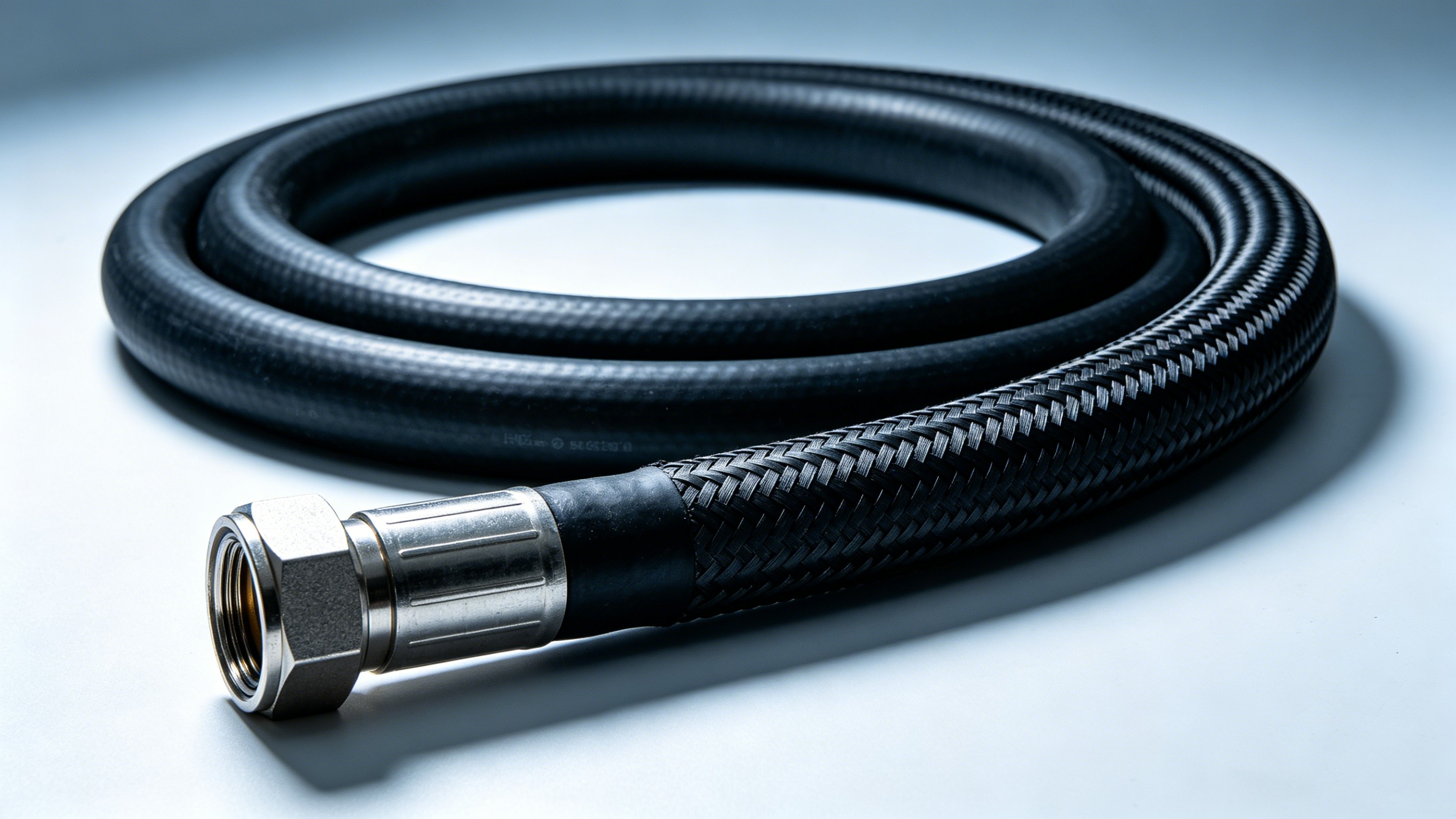
How to Maintain PU Steel Wire Hoses and Extend Their Service Life
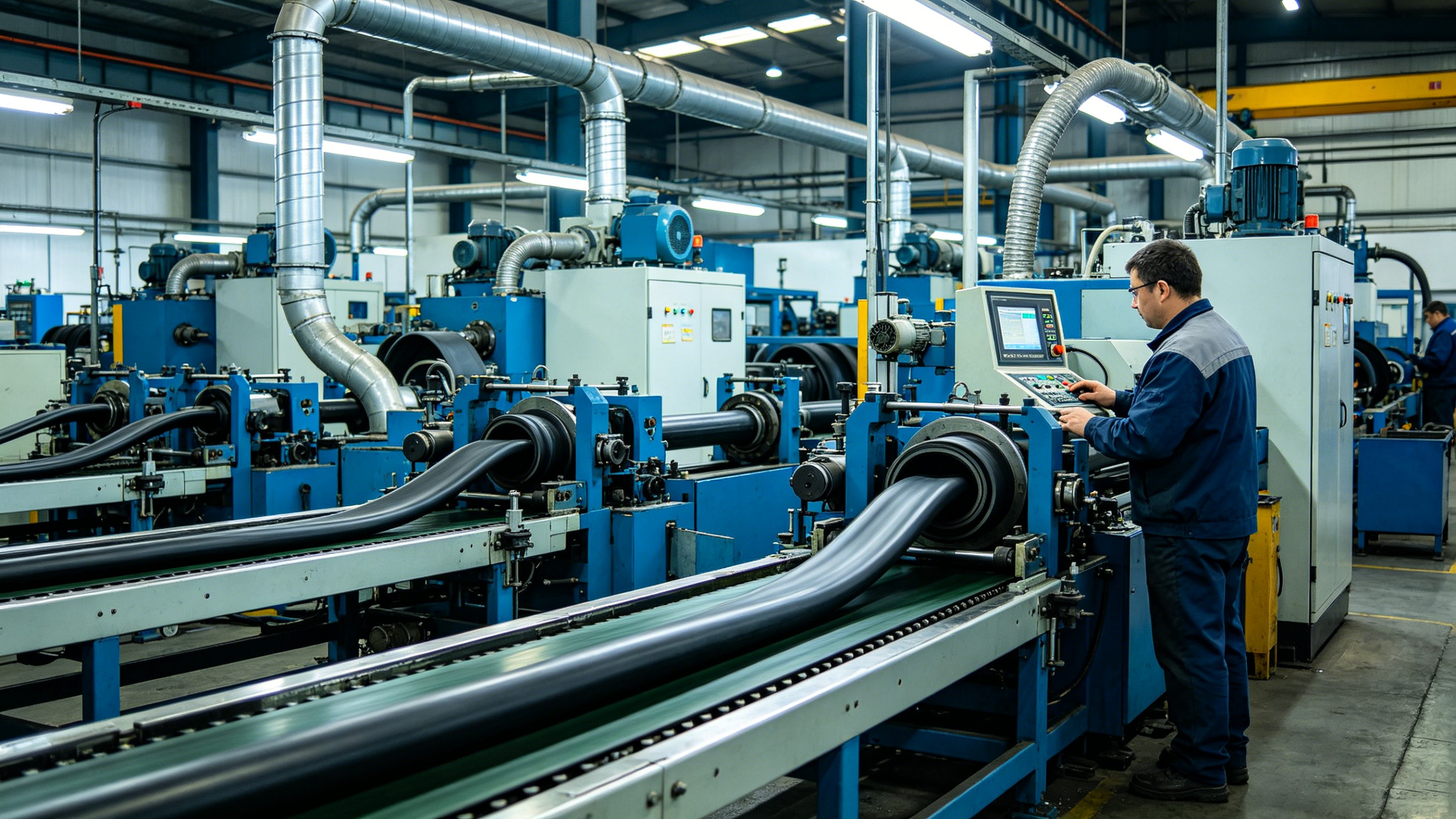
PU polyurethane steel wire hoses are widely used in industrial suction, ventilation, dust collection, and abrasive material conveying applications due to their excellent abrasion resistance, flexibility, and durability.
However, even high-quality hoses require proper maintenance to achieve their expected service life. Continuous exposure to abrasive materials, mechanical movement, temperature changes, and improper operation can gradually affect hose performance.
Regular inspection, correct usage, and proper storage can help prevent premature failure and reduce replacement costs.
This article explains the key maintenance methods for PU steel wire hoses and how users can maximize their performance in industrial applications.
1. Regularly Inspect the Hose Condition
Routine inspection is one of the most effective ways to identify potential problems before they become serious failures.
During daily operation, users should check the hose for:
Surface Wear
Because PU steel wire hoses are often used for conveying abrasive materials such as dust, particles, and wood chips, the inner wall may gradually wear over time.
Signs of excessive wear include:
Thinning hose wall
Visible damage marks
Reduced flexibility
Small cracks on the surface
If severe wear is found, the hose should be replaced to prevent unexpected failure.
Steel Wire Exposure
The embedded steel wire provides structural support and helps the hose maintain its shape during suction applications.
If the steel wire becomes exposed due to abrasion or damage, the hose strength may decrease.
Users should avoid continuing operation when:
Reinforcement wire is visible
Wire is broken or deformed
The hose structure becomes unstable
Connection and Fitting Inspection
Loose connections can reduce system efficiency and may cause air leakage in suction applications.
Regularly check:
Hose clamps
Connectors
Joint areas
Sealing conditions
Proper connections help maintain stable airflow and prevent unnecessary stress on the hose.
2. Avoid Excessive Bending and Twisting
Although PU steel wire hoses are highly flexible, improper bending can shorten their service life.
Excessive bending may cause:
Steel wire deformation
Reduced airflow
Internal wall damage
Increased material accumulation
During installation and operation:
Follow the recommended bending radius
Avoid sharp bends
Prevent twisting during connection
Keep the hose naturally curved
Correct installation helps maintain the original structure and performance of the hose.
3. Prevent Excessive Abrasion During Operation
PU polyurethane material provides excellent wear resistance, but continuous friction against rough surfaces can still accelerate wear.
Common situations that cause abrasion include:
Dragging the hose on concrete floors
Contact with sharp metal edges
Frequent movement over rough surfaces
Improper hose routing
To reduce abrasion:
Use protective sleeves in high-wear areas
Install hose supports when necessary
Avoid unnecessary dragging
Keep the hose away from sharp objects
Reducing external friction can significantly extend hose service life.
4. Clean the Hose Regularly
In many industrial applications, PU steel wire hoses transport dust, powder, particles, and other materials.
Material buildup inside the hose may lead to:
Reduced conveying efficiency
Increased airflow resistance
Blockages
Additional internal wear
Regular cleaning is recommended, especially when transporting fine powders or sticky materials.
Cleaning methods depend on the application:
Use compressed air for dust removal
Flush with suitable cleaning methods when applicable
Remove accumulated materials from connections
Always confirm that cleaning methods are compatible with the hose material.
5. Use the Hose Within the Recommended Working Conditions
Operating conditions have a direct impact on hose durability.
Users should pay attention to:
Temperature Range
Extreme temperatures may affect polyurethane flexibility and mechanical performance.
Avoid exposing the hose to environments beyond its recommended temperature range.
Chemical Compatibility
Although PU has good resistance to many chemicals, some aggressive substances may affect hose performance.
Before use, confirm compatibility with:
Oils
Solvents
Chemical vapors
Industrial liquids
Working Pressure and Vacuum Conditions
For suction applications, ensure the hose is suitable for the required vacuum level.
Using a hose beyond its design conditions may result in deformation or collapse.
6. Proper Storage of PU Steel Wire Hoses
Correct storage is important, especially when hoses are not used for long periods.
Recommended storage practices include:
Keep Hoses Clean and Dry
Before storage:
Remove dust and materials
Clean the surface
Ensure the hose is dry
Avoid Direct Sunlight
Long-term exposure to UV radiation may accelerate material aging.
Store hoses away from:
Direct sunlight
Heat sources
Extreme temperatures
Avoid Excessive Compression
Do not place heavy objects on stored hoses, as this may deform the steel wire reinforcement.
Proper storage helps maintain flexibility and structural stability.
7. Replace Damaged Hoses in Time
Continuing to use a damaged hose may create safety risks and reduce system efficiency.
Replacement is recommended when the hose shows:
Serious abrasion
Cracks
Permanent deformation
Broken steel wire
Loss of flexibility
Reduced suction performance
Timely replacement prevents unexpected production interruptions.
8. Choose a Reliable PU Steel Wire Hose Manufacturer
Maintenance can extend hose life, but product quality remains the foundation of long-term performance.
A professional manufacturer should provide:
High-quality polyurethane raw materials
Strong reinforcement wire
Consistent wall thickness
Advanced production technology
Strict quality inspection
High-quality PU steel wire hoses are designed to provide stable performance in demanding industrial environments.
Conclusion
PU polyurethane steel wire hoses are valuable solutions for industrial suction, ventilation, and abrasive material conveying applications. Their excellent abrasion resistance, flexibility, and lightweight design make them widely used in woodworking, ceramic processing, dust collection, and industrial material handling.
However, proper maintenance is essential to maximize hose performance and service life. Regular inspection, correct installation, suitable operating conditions, and proper storage can significantly reduce wear and prevent premature replacement.
As a professional industrial hose manufacturer, we specialize in producing PU polyurethane steel wire hoses, PU plastic reinforced hoses, nylon resin high pressure hoses, pressure measuring hoses, ultra-high pressure cleaning hoses, and TPV rubber hoses. We provide reliable hose solutions for customers worldwide across various industrial applications.