Pressure Measuring Hose vs Hydraulic Hose: What Is the Difference?
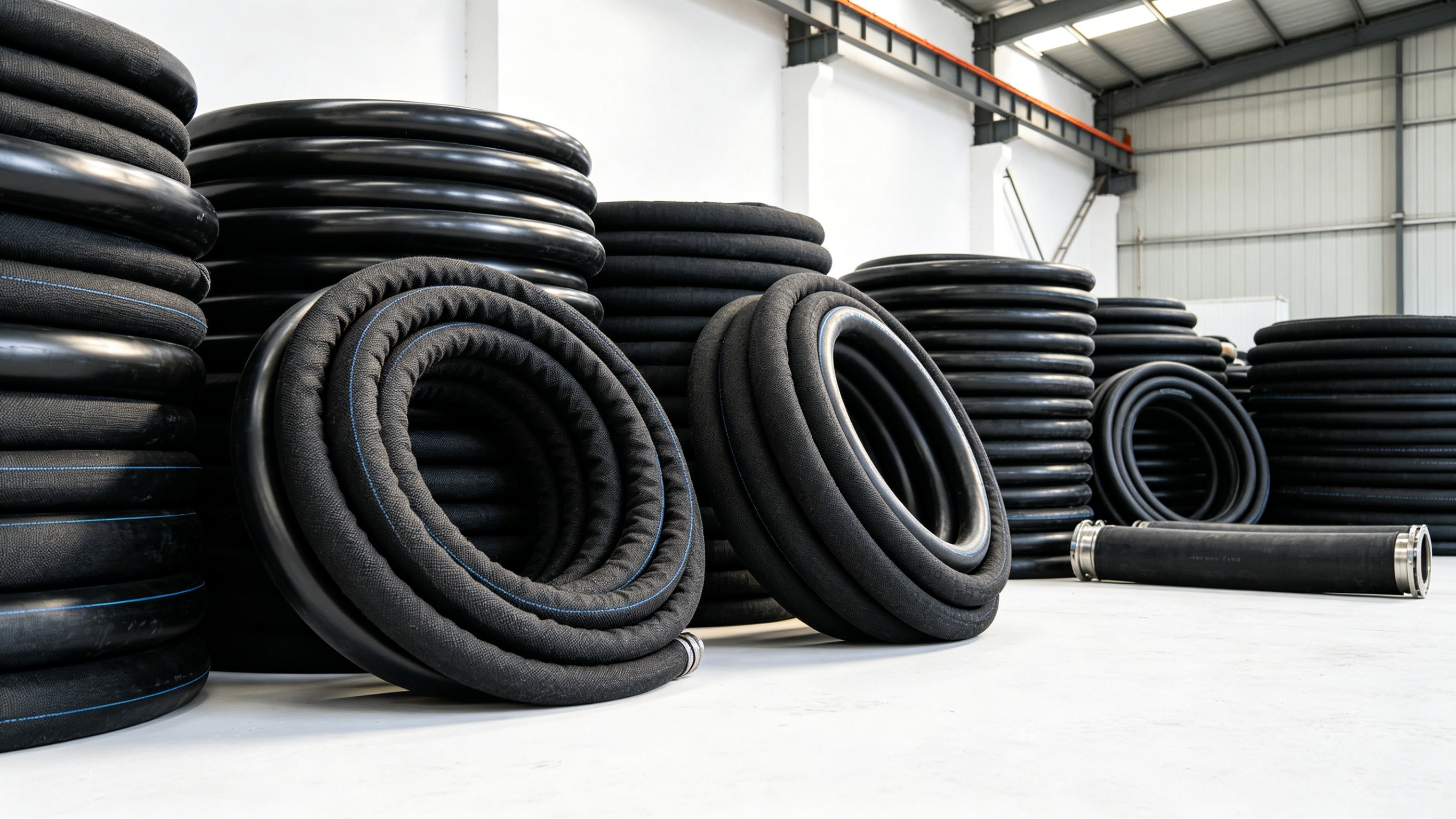
Hydraulic hoses play an essential role in modern industrial equipment by transmitting hydraulic fluids and transferring power between different components. Among various types of hydraulic hoses, pressure measuring hoses and standard hydraulic hoses are two commonly used products with different functions and performance requirements.
Although both hoses are designed for high-pressure hydraulic environments, they serve different purposes. A hydraulic hose is mainly used for fluid transmission and power transfer, while a pressure measuring hose is specifically designed for pressure monitoring and testing applications.
Understanding the differences between these two types of hoses helps engineers and buyers select the right product for their specific hydraulic systems.
Different Functions: Fluid Transfer vs Pressure Monitoring
The most important difference between a pressure measuring hose and a hydraulic hose is their primary function.
Hydraulic Hose
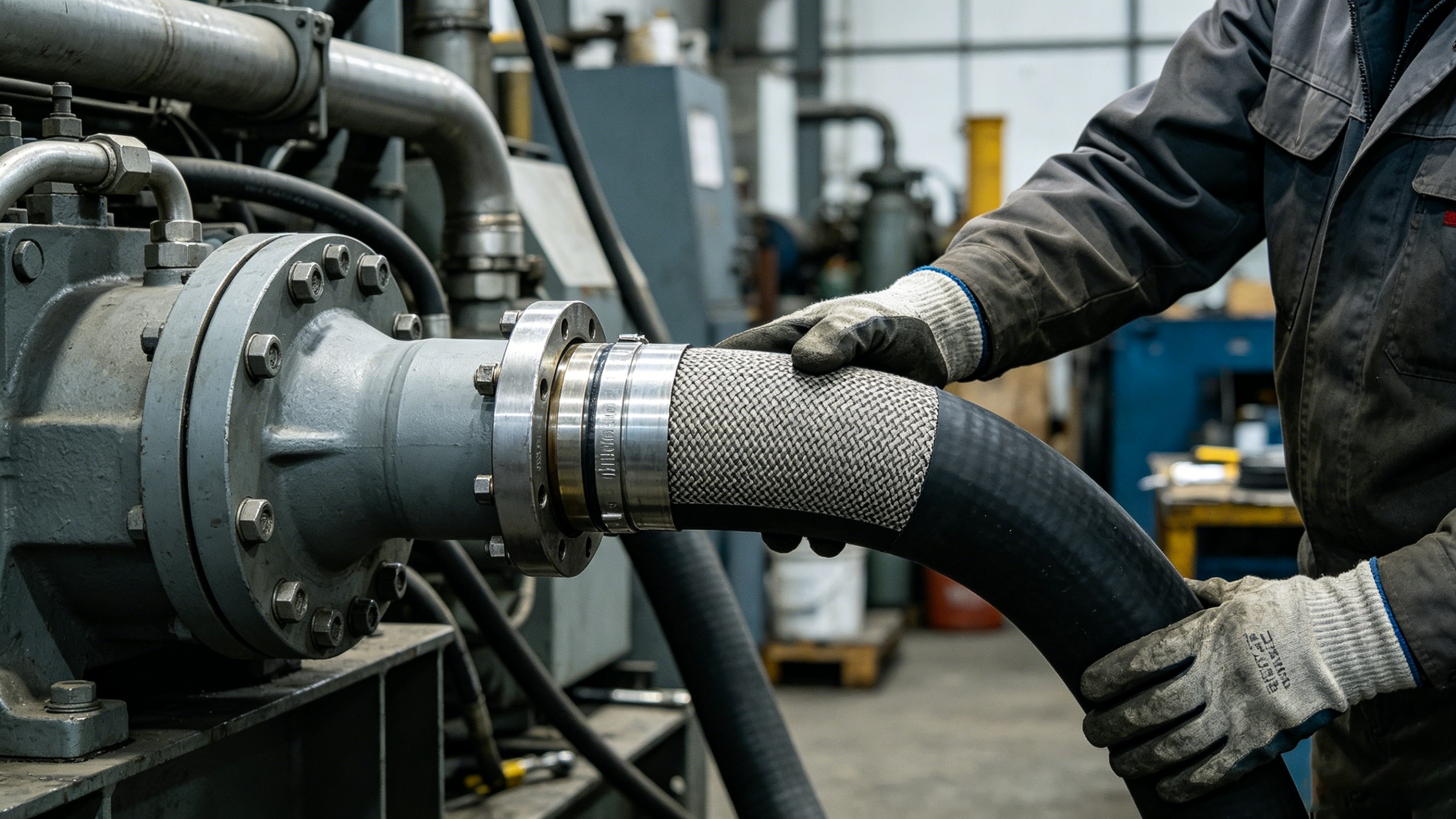
A hydraulic hose is mainly used to transport hydraulic oil or other hydraulic media between components such as pumps, valves, cylinders, and actuators.
Its main purpose is:
Transmitting hydraulic power
Maintaining fluid circulation
Supporting equipment operation
Hydraulic hoses are commonly found in:
Construction machinery
Agricultural equipment
Industrial machines
Mining equipment
Hydraulic power systems
Because they are responsible for continuous fluid delivery, hydraulic hoses usually require excellent pressure resistance, flexibility, and durability.
Pressure Measuring Hose
A pressure measuring hose is mainly used for connecting hydraulic systems with measuring devices, including pressure gauges, sensors, and test equipment.
Its main purpose is:
Transmitting pressure signals
Monitoring hydraulic system pressure
Supporting equipment inspection and troubleshooting
Pressure measuring hoses are widely used in:
Hydraulic testing systems
Equipment maintenance
Pressure monitoring devices
Hydraulic component inspection
Unlike ordinary hydraulic hoses, pressure measuring hoses focus more on pressure accuracy and stability.
Differences in Structural Design
Although both products may use similar materials and reinforcement technologies, their structures are optimized for different applications.
Hydraulic Hose Structure
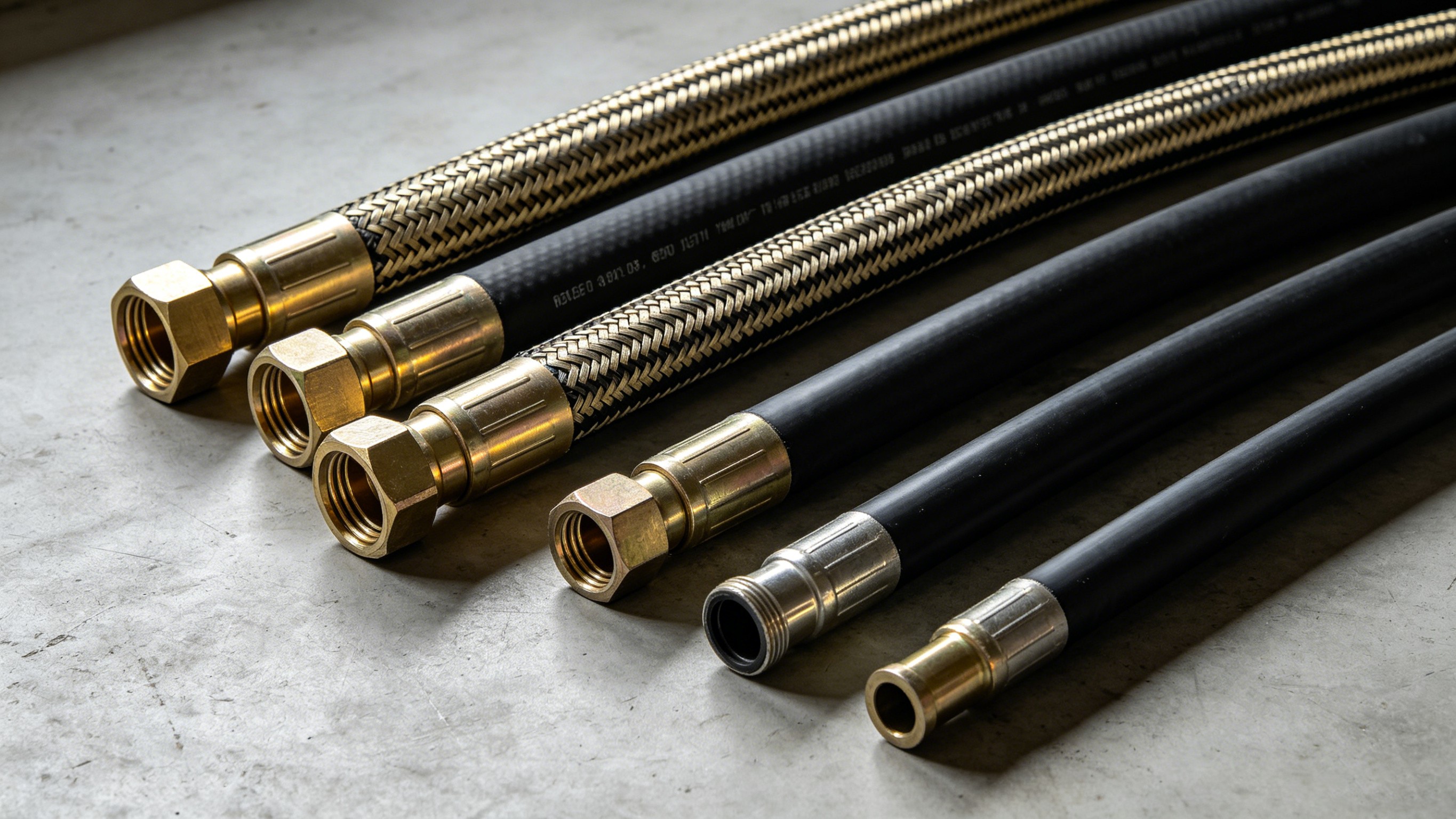
A typical hydraulic hose usually consists of:
Inner rubber or thermoplastic tube
Reinforcement layer
Outer protective cover
The reinforcement layer may include:
Textile braid
Steel wire braid
Spiral steel wire
The structure is designed to withstand high pressure while maintaining flexibility during equipment operation.
Pressure Measuring Hose Structure
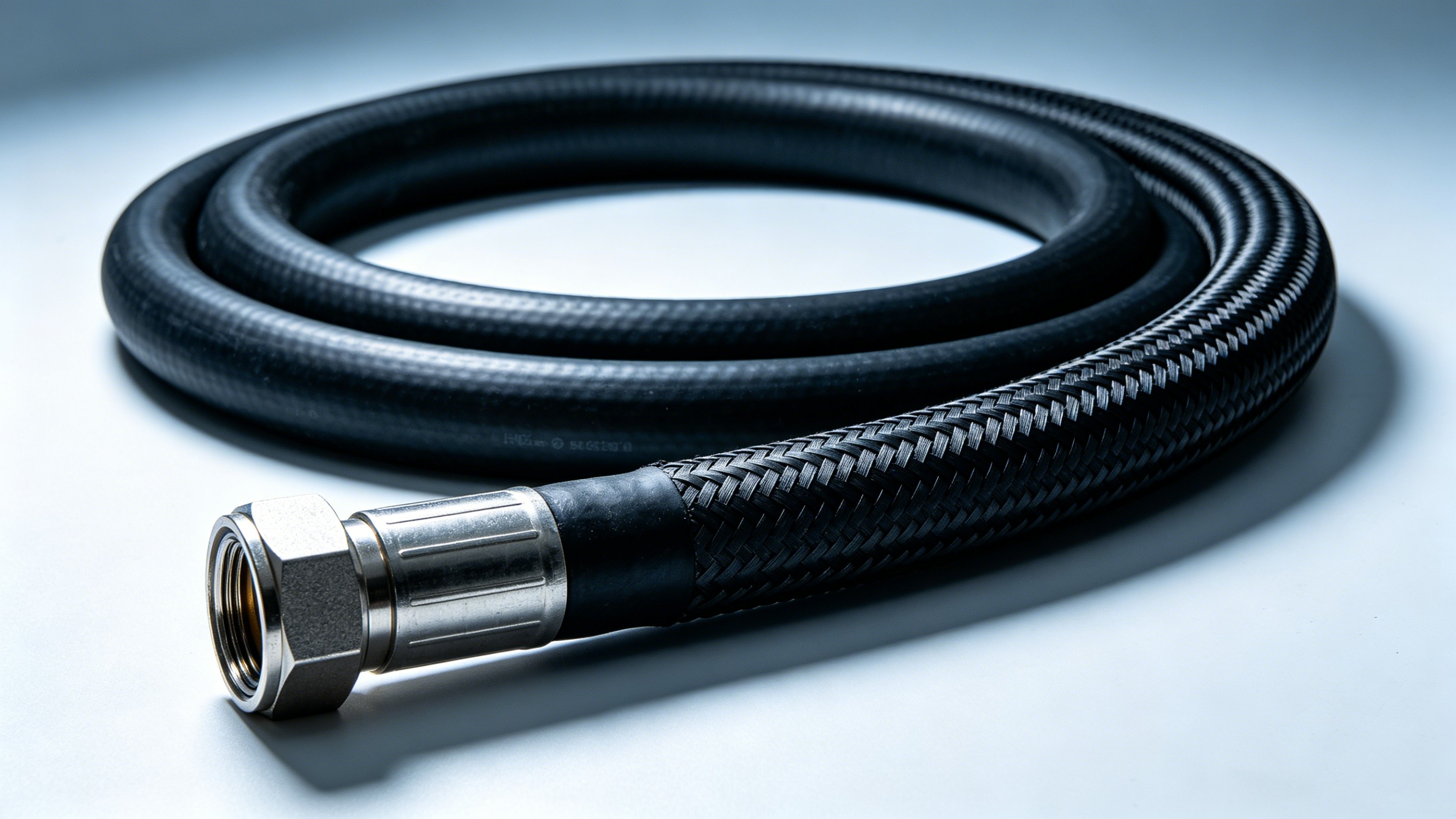
A pressure measuring hose generally features a precision-designed structure, including:
Nylon resin inner tube
Fiber braid or steel wire reinforcement
Protective outer layer
Hydraulic test fittings
The hose needs to maintain dimensional stability under pressure to ensure accurate pressure transmission.
Nylon resin materials are often preferred because they provide:
Low expansion under pressure
Excellent chemical resistance
Lightweight construction
Good flexibility
Differences in Pressure Requirements
Both types of hoses require pressure resistance, but their pressure performance focuses on different aspects.
Hydraulic Hose
Hydraulic hoses are designed for continuous operation under working pressure.
They must withstand:
Long-term hydraulic pressure
Mechanical movement
Vibration
Frequent bending
Pressure Measuring Hose
Pressure measuring hoses are designed for accurate pressure measurement under high-pressure conditions.
They need to withstand:
Pressure fluctuations
Hydraulic pulses
Repeated connection and testing cycles
Because measurement accuracy is important, pressure measuring hoses usually require better dimensional stability.
Differences in Material Selection
Material selection has a significant impact on hose performance.
Hydraulic Hose Materials
Common hydraulic hose materials include:
Rubber
Thermoplastic
Synthetic elastomers
Rubber hydraulic hoses are widely used because of their excellent flexibility and vibration absorption.
Pressure Measuring Hose Materials
Pressure measuring hoses often use:
Nylon resin
Thermoplastic materials
High-strength reinforcement layers
Nylon resin provides several advantages:
1.Excellent Oil Resistance
The material performs well when exposed to hydraulic oils and industrial fluids.
2.Lightweight Design
Compared with traditional rubber hoses, nylon resin hoses are easier to install and handle.
3.Stable Performance
Nylon resin maintains good dimensional stability, helping improve pressure measurement accuracy.
Differences in Application Areas
Hydraulic Hose Applications
Hydraulic hoses are commonly used in systems that require power transmission.
Examples include:
Excavators
Loaders
Hydraulic presses
Injection molding machines
Agricultural machinery
Pressure Measuring Hose Applications
Pressure measuring hoses are mainly used where pressure monitoring is required.
Examples include:
Hydraulic test benches
Pressure calibration equipment
Hydraulic system diagnostics
Engineering machinery maintenance
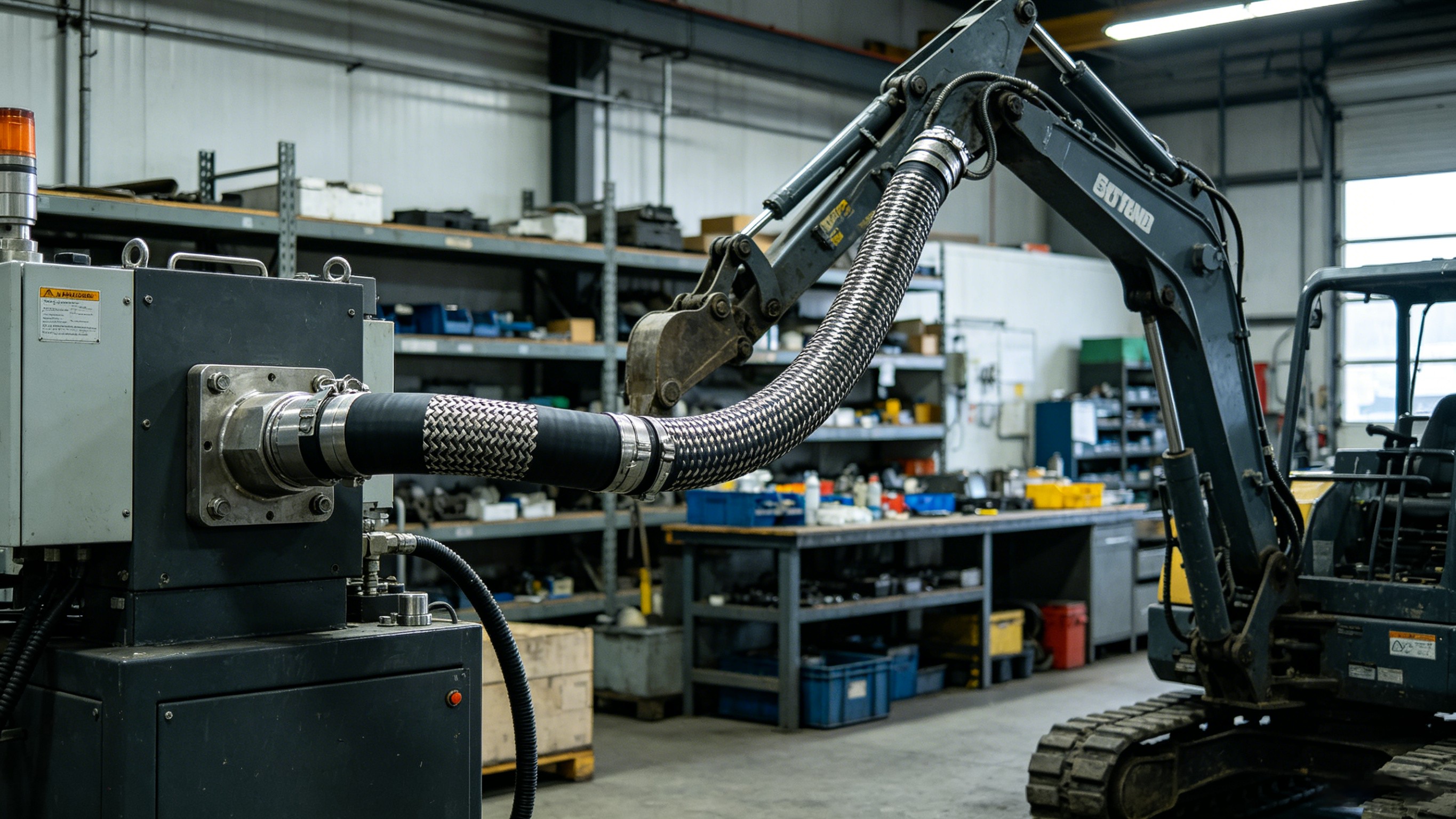
For example, when technicians need to check whether an excavator hydraulic system is operating normally, a pressure measuring hose can connect the test gauge to the hydraulic circuit and provide pressure data.
Can a Hydraulic Hose Be Used as a Pressure Measuring Hose?
In some cases, a small hydraulic hose may physically connect to pressure testing equipment. However, using a standard hydraulic hose instead of a dedicated pressure measuring hose may not always provide the best results.
The reasons include:
1.Lower Measurement Accuracy
General hydraulic hoses may experience greater expansion under pressure, which can affect pressure response.
2.Less Flexibility for Testing Applications
Pressure measuring hoses are often designed for easier installation around testing equipment.
3.Different Performance Priorities
Hydraulic hoses focus on continuous fluid transfer, while pressure measuring hoses focus on accurate pressure signal transmission.
Therefore, for professional hydraulic testing applications, a dedicated pressure measuring hose is recommended.
How to Choose Between Pressure Measuring Hose and Hydraulic Hose?
When selecting a hose, users should consider the actual application requirements.
Choose a hydraulic hose when:
Continuous hydraulic fluid transfer is required
The hose operates as part of a power transmission system
High flexibility and durability are needed
Choose a pressure measuring hose when:
Hydraulic pressure needs to be monitored
Connection with pressure gauges or sensors is required
Accurate pressure transmission is important
Selecting the correct hose type can improve system reliability and reduce maintenance costs.
Nylon Resin Pressure Measuring Hose: A Reliable Choice for Hydraulic Testing
With the increasing demand for accurate hydraulic monitoring, nylon resin pressure measuring hoses are becoming an important solution for modern industrial applications.
Their advantages include:
High pressure resistance
Excellent flexibility
Lightweight structure
Strong oil resistance
Good chemical compatibility
Long service life
These features make nylon resin pressure measuring hoses suitable for hydraulic testing equipment, industrial machinery, and engineering applications.
Professional Pressure Measuring Hose Manufacturer
Choosing a reliable hose manufacturer ensures consistent quality and stable performance.
A professional manufacturer should provide:
High-quality raw materials
Advanced production technology
Strict quality inspection
Customized specifications
Professional technical support
As an experienced industrial hose manufacturer, we specialize in producing nylon resin pressure measuring hoses, nylon resin high pressure hoses, ultra-high pressure cleaning hoses, PU polyurethane steel wire hoses, PU plastic reinforced hoses, and TPV rubber hoses.
With professional manufacturing capabilities and strict quality standards, we provide reliable hose solutions for hydraulic, industrial, and mechanical applications worldwide.