Common Problems and Solutions of Pressure Measuring Hoses in Hydraulic Systems
In hydraulic systems, pressure measuring hoses are important components used to connect pressure gauges, sensors, and testing equipment. They provide accurate pressure transmission and help engineers monitor system performance, diagnose faults, and maintain equipment operation.
However, during long-term use, pressure measuring hoses may experience problems caused by improper selection, harsh working environments, incorrect installation, or material aging. These issues can affect measurement accuracy, reduce hose service life, and even create potential safety risks.
Understanding common pressure measuring hose problems and their solutions can help users improve equipment reliability and reduce maintenance costs.
1. Pressure Measuring Hose Leakage
Leakage is one of the most common problems found in hydraulic pressure measuring systems.
A leaking pressure measuring hose may result in inaccurate pressure readings, hydraulic oil loss, and contamination of surrounding equipment.
Common Causes:
Improper Installation
Loose fittings, incorrect tightening torque, or poor connection between the hose and hydraulic components can cause leakage.
Damaged Hose Structure
External abrasion, bending stress, or mechanical impact may damage the outer layer or reinforcement structure, resulting in leakage.
Aging Material
Long-term exposure to high temperature, hydraulic oil, or harsh environments may cause hose materials to deteriorate.
Solutions:
1.Check and tighten all hose connections properly
2.Replace damaged fittings or sealing components
3.Avoid excessive bending and mechanical friction
4.Select hoses with better oil and aging resistance
High-quality nylon resin pressure measuring hoses with durable structures can effectively reduce leakage risks during long-term operation.
2. Pressure Measuring Hose Burst or Failure Under Pressure
A hose burst can be a serious safety issue, especially in high-pressure hydraulic applications.
Common Causes:
Incorrect Pressure Selection
Using a hose with a working pressure rating lower than the hydraulic system pressure may cause sudden failure.
Excessive Pressure Pulsation
Frequent pressure fluctuations and hydraulic shocks can accelerate fatigue damage.
Reinforcement Damage
If the reinforcement layer is damaged by external impact or improper installation, the hose pressure capacity may decrease.
Solutions:
1.Select a pressure measuring hose with sufficient safety margin
2.Choose suitable reinforcement structures according to application requirements
3.Inspect hoses regularly for external damage
4.Replace hoses that show signs of wear or deformation
Nylon resin pressure measuring hoses with fiber or steel wire reinforcement provide excellent resistance against pressure pulses and high-pressure environments.
3. Inaccurate Pressure Measurement
The main purpose of a pressure measuring hose is to transmit pressure signals accurately. However, incorrect pressure readings may occur during operation.
Common Causes:
Hose Expansion Under Pressure
Some hose materials may expand when exposed to high pressure, affecting measurement response.
Incorrect Hose Size
An unsuitable inner diameter or excessive hose length may influence pressure transmission speed.
Air or Contaminants Inside the System
Air bubbles or impurities in hydraulic fluid can cause unstable pressure readings.
Solutions:
1.Select hoses with low expansion characteristics
2.Choose appropriate hose dimensions according to the testing system
3.Ensure the hydraulic system is clean and properly maintained
Nylon resin materials offer good dimensional stability, helping maintain accurate pressure transmission.
4. Hose Hardening or Loss of Flexibility
After long-term operation, some pressure measuring hoses may become stiff and difficult to install.
Common Causes:
Extreme Temperature Conditions
Continuous exposure to high or low temperatures may affect hose flexibility.
Material Aging
Long-term environmental exposure can reduce the elasticity of hose materials.
Incorrect Storage
Improper storage conditions before installation may accelerate material degradation.
Solutions:
1.Select hoses suitable for the operating temperature range
2.Store hoses away from direct sunlight, heat sources, and chemicals
3.Choose high-quality materials with better aging resistance
Nylon resin pressure measuring hoses maintain excellent flexibility and lightweight characteristics, making them suitable for complex installation environments.
5. Outer Layer Wear and Damage
Hydraulic equipment often operates in environments with vibration, friction, and mechanical movement. These conditions may damage the hose surface.
Common Causes:
Contact with sharp metal edges
Continuous vibration
Incorrect installation position
Lack of protective measures
Solutions:
Install protective sleeves if necessary
Keep hoses away from sharp objects
Avoid twisting or excessive bending
Regularly inspect hose surfaces
A strong outer protective layer improves resistance against abrasion and extends hose service life.
6. Incorrect Hose Installation
Even a high-quality pressure measuring hose may fail prematurely if installed incorrectly.
Common Installation Mistakes:
Excessive Bending
Forcing the hose beyond its minimum bending radius can damage internal reinforcement.
Twisting During Installation
Twisting creates additional stress and reduces hose strength.
Incorrect Length
A hose that is too short may experience tension, while an excessively long hose may interfere with equipment operation.
Proper Installation Recommendations:
Follow the recommended bending radius
Avoid twisting the hose during assembly
Select the correct hose length
Ensure fittings are properly aligned
Proper installation is essential for achieving the designed service life of the hose.
How to Extend the Service Life of Pressure Measuring Hoses?
Regular inspection and proper maintenance can significantly improve hose reliability.
Recommended maintenance practices include:
Regular Visual Inspection
Check for:
Cracks
Surface wear
Leakage
Deformation
Damaged fittings
Replace Aging Hoses in Time
Even if a hose appears normal externally, internal aging may reduce pressure performance after long-term use.
Use Suitable Hydraulic Media
Always confirm compatibility between the hose material and hydraulic fluid.
Avoid Extreme Working Conditions
Operate within the recommended pressure, temperature, and bending limits.
Choosing Reliable Pressure Measuring Hoses for Better Hydraulic Performance
Pressure measuring hoses are small but critical components in hydraulic systems. Their performance directly affects pressure monitoring accuracy, equipment safety, and maintenance efficiency.
By understanding common problems such as leakage, pressure failure, inaccurate measurement, aging, and installation errors, users can make better decisions when selecting and maintaining hydraulic test hoses.
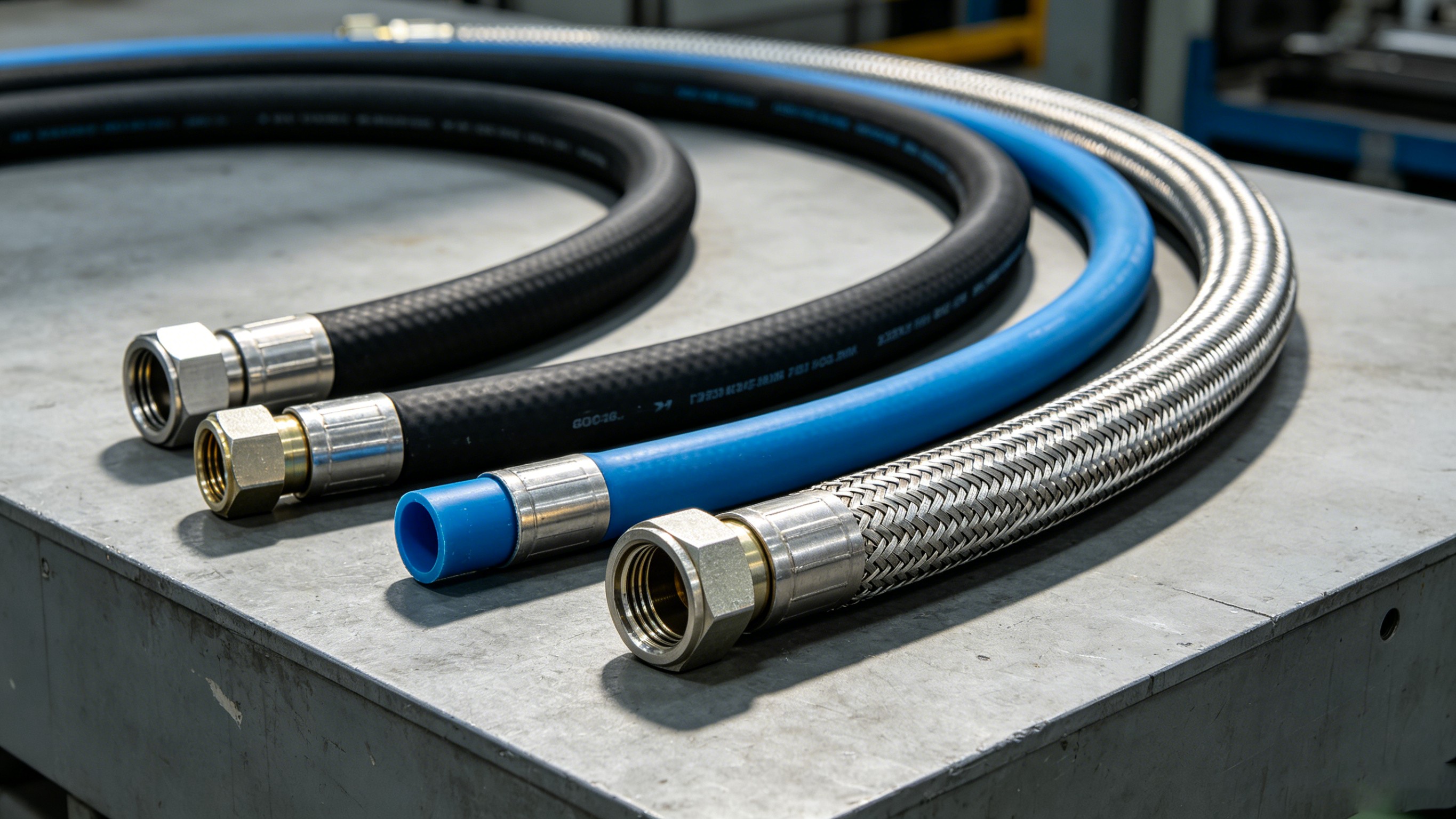
Nylon resin pressure measuring hoses provide excellent advantages including high pressure resistance, lightweight design, chemical resistance, flexibility, and long service life. They are widely used in hydraulic testing equipment, construction machinery, industrial automation systems, and various engineering applications.
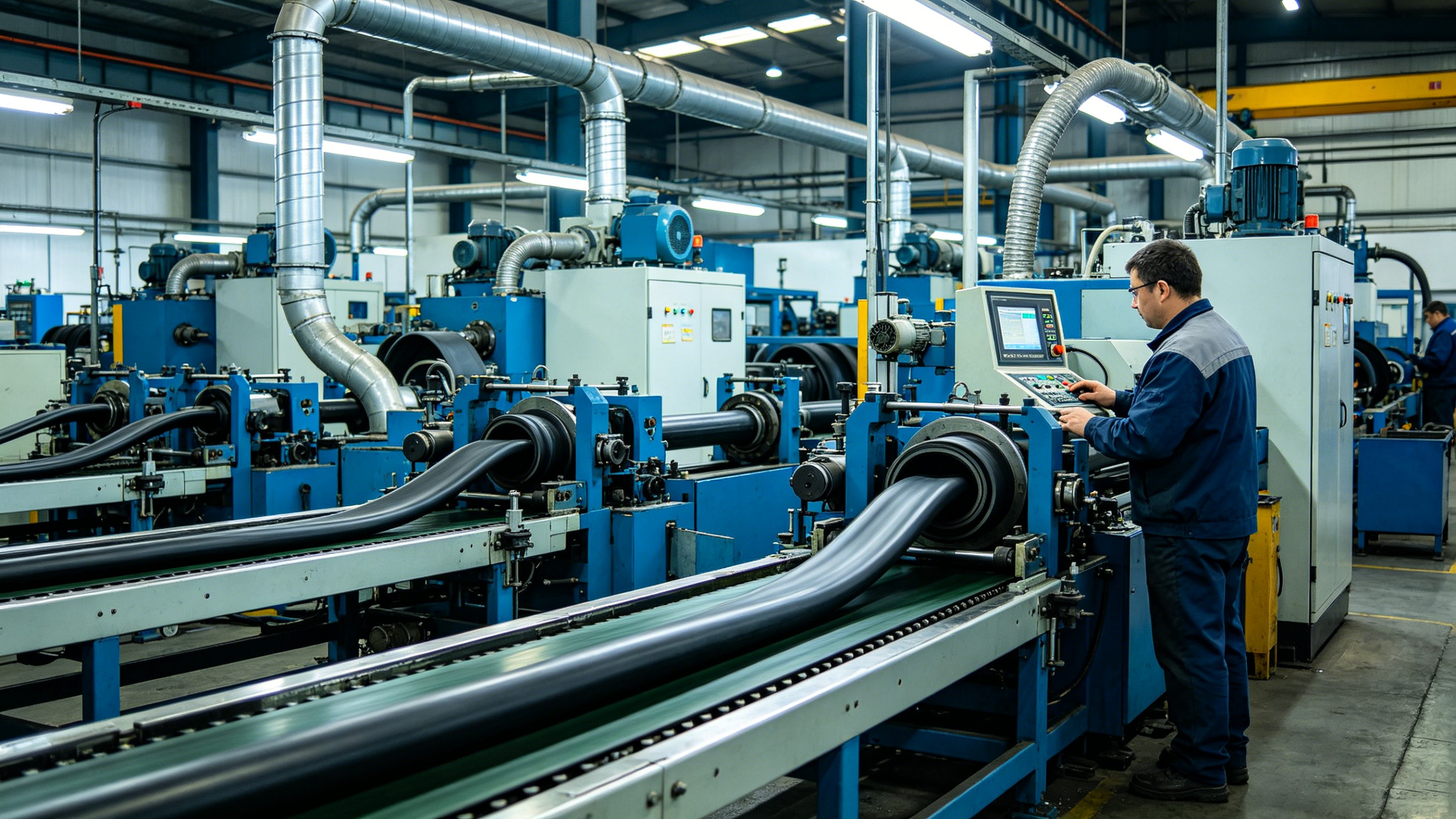
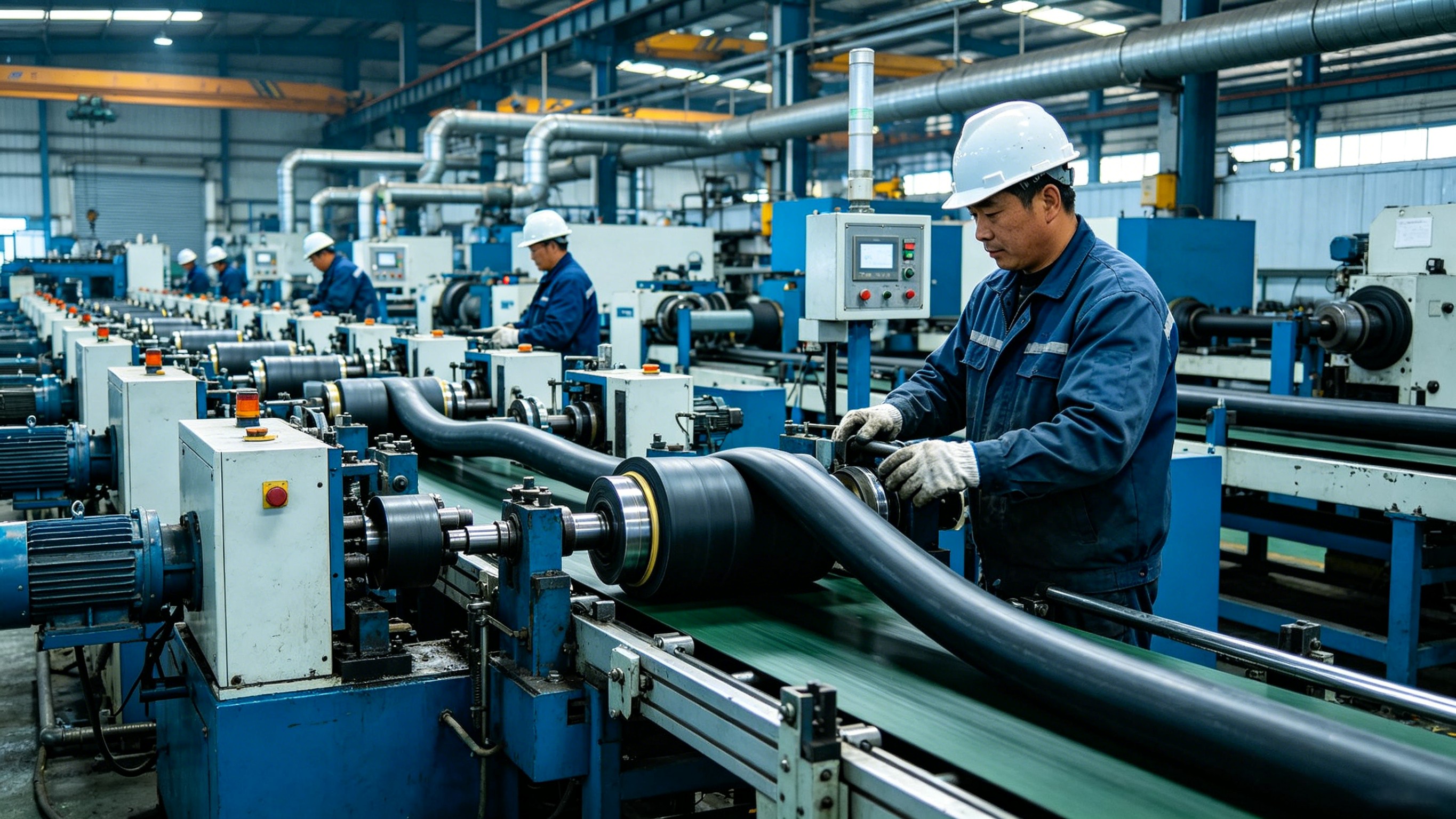
As a professional industrial hose manufacturer, we specialize in producing nylon resin pressure measuring hoses, nylon resin high pressure hoses, ultra-high pressure cleaning hoses, PU polyurethane hoses, PU steel wire hoses, and TPV rubber hoses. With advanced manufacturing technology and strict quality control, we provide reliable hose solutions for customers worldwide.