PU Hose vs PVC Hose: Which One Is Better for Industrial Use?
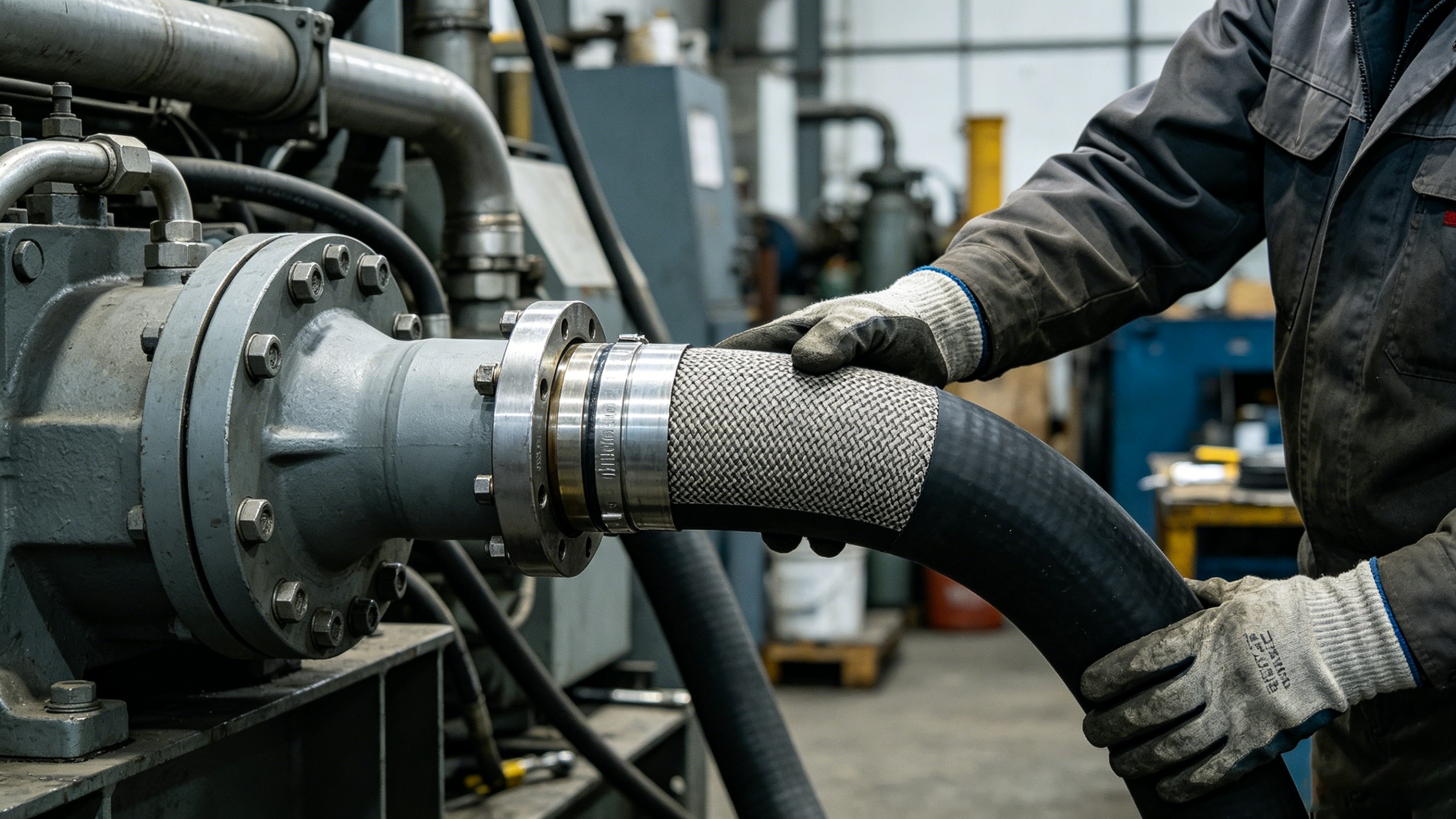
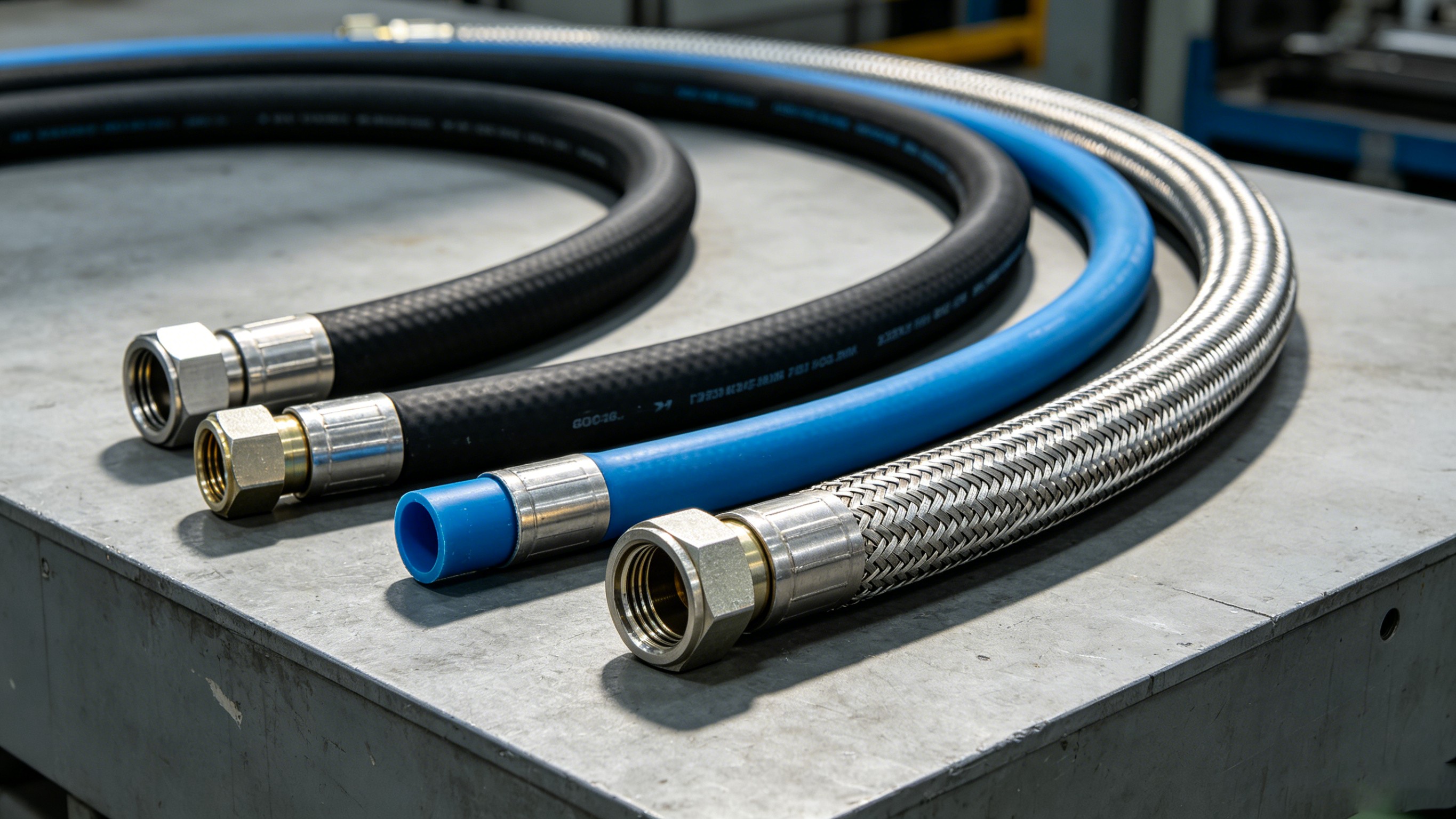
In industrial applications, choosing the right type of hose directly affects system performance, safety, and service life. Two of the most commonly used materials are PU hose (polyurethane hose) and PVC hose (polyvinyl chloride hose). Although they may look similar at first glance, their performance differences are significant in real working environments.
Understanding the strengths and limitations of each material helps engineers, procurement teams, and equipment manufacturers make better decisions.
1.Material Performance Difference
PU hose is made from polyurethane elastomer, which offers excellent abrasion resistance, flexibility, and elasticity. It performs well under repeated bending and movement, making it ideal for dynamic working environments.
PVC hose, on the other hand, is made from polyvinyl chloride. It is generally more rigid and less flexible compared to PU hose, especially in low-temperature conditions. While PVC is cost-effective, it does not perform as well in high-wear applications.
2.Durability and Service Life
One of the biggest advantages of PU hose is its long service life. It can withstand friction, dragging, and continuous movement without cracking or wearing out quickly.
PVC hose tends to become brittle over time, especially when exposed to UV light, oil, or cold environments. In industrial usage where hoses are frequently moved or under stress, PU hose usually lasts significantly longer, reducing replacement frequency and maintenance cost.
3.Pressure and Application Suitability
PU hoses generally offer better pressure resistance and are suitable for pneumatic systems, air tools, and light industrial fluid transfer.
PVC hoses are commonly used in low-pressure applications such as water transfer, irrigation, and simple fluid delivery systems. They are not recommended for high-pressure or high-abrasion environments.
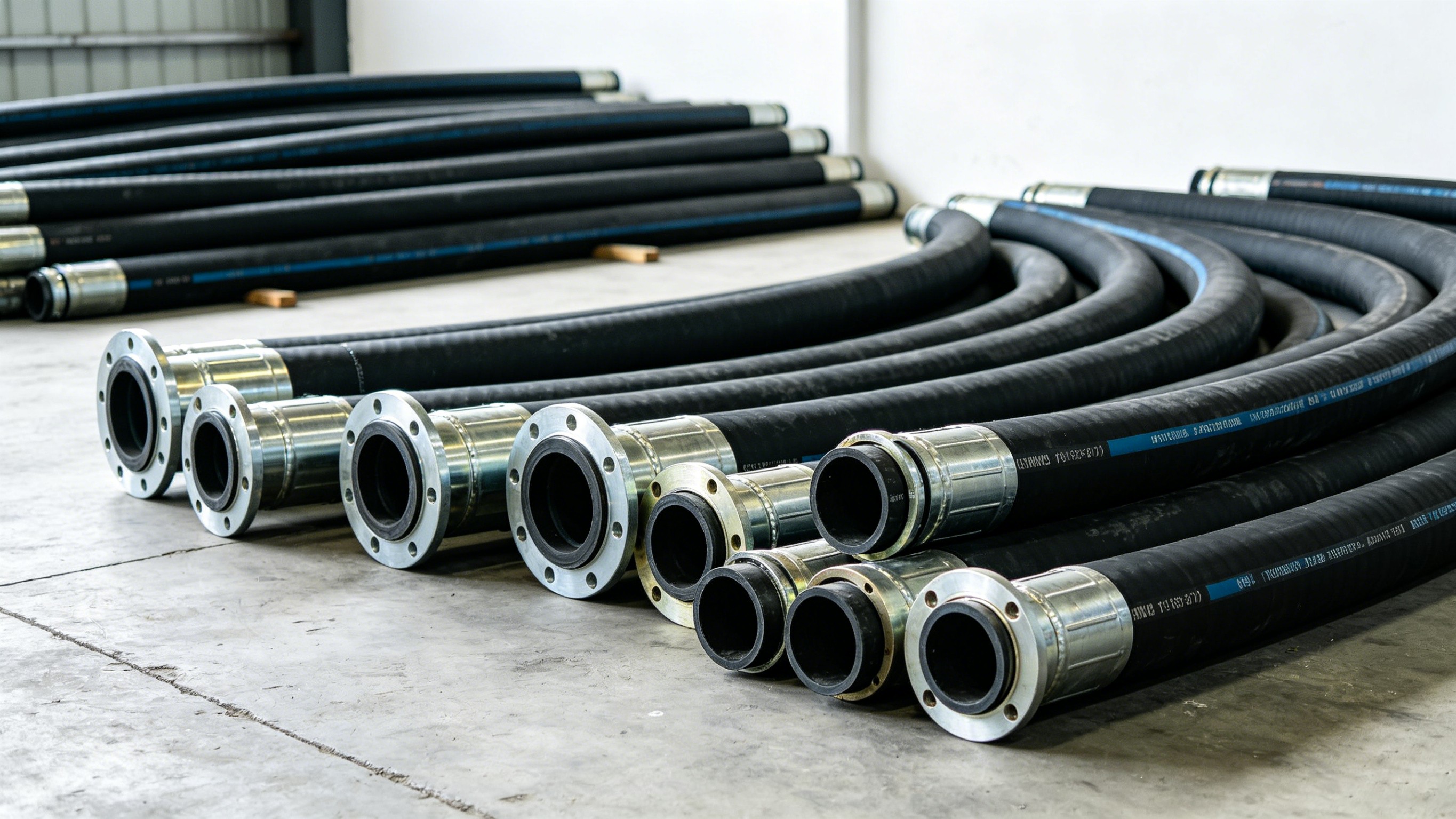
In industries like automation, machinery manufacturing, and dust collection, PU hose is often the preferred choice due to its stability and reliability.
4.Cost vs Performance Consideration
PVC hose has a lower initial cost, which makes it attractive for budget-sensitive projects. However, in long-term industrial applications, PU hose provides better cost efficiency due to its durability and reduced replacement needs.
For companies focusing on performance and long-term operation stability, PU hose is a more economical choice despite its higher upfront cost.
Conclusion
Both PU hose and PVC hose have their own applications, but for industrial environments that require durability, flexibility, and high performance, PU hose is clearly the superior option.
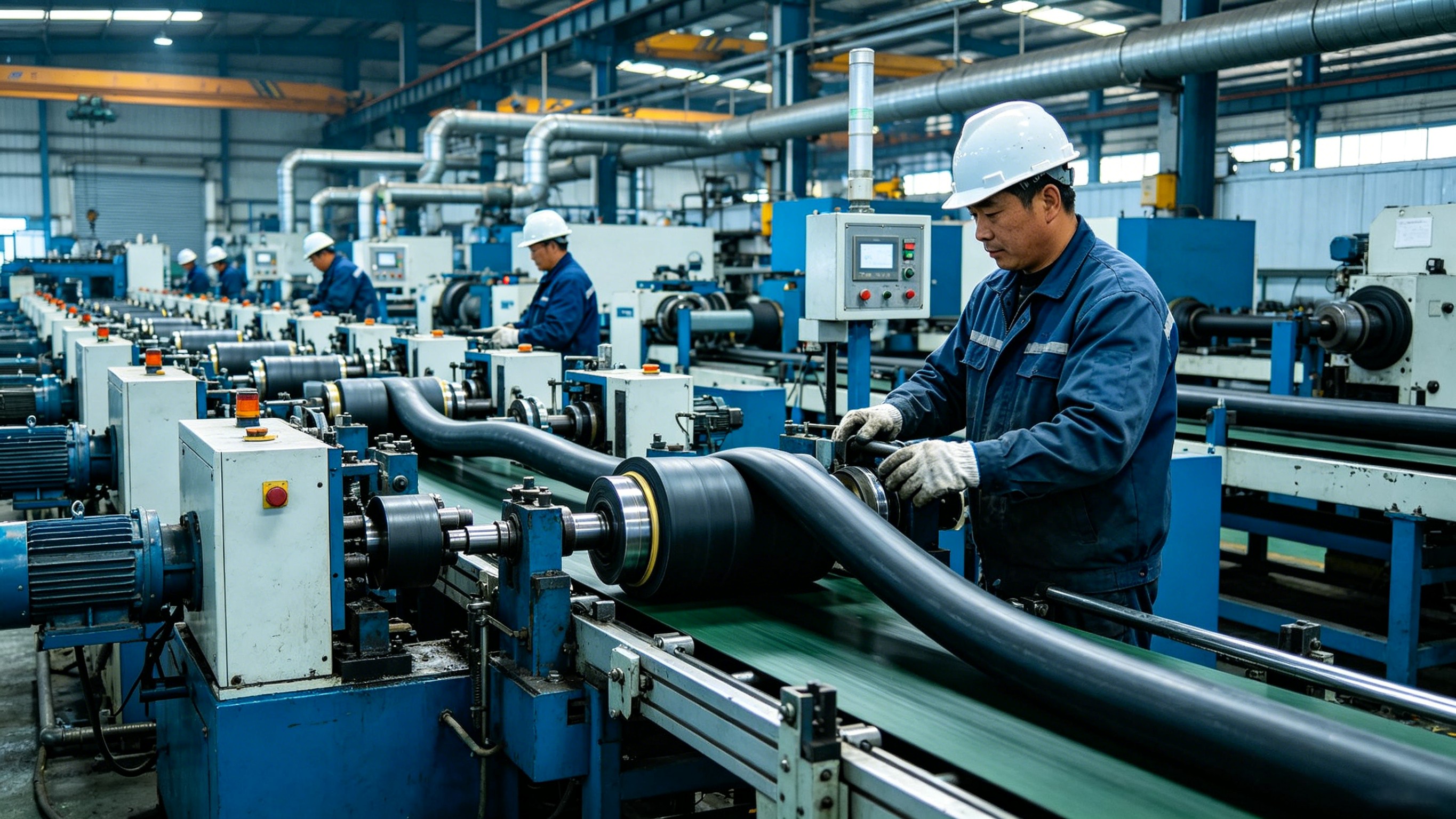
Shandong Danyu New Materials Technology Co., Ltd. provides a full range of polyurethane hoses, reinforced PU hoses, nylon tubing, and industrial hose solutions for global customers. Contact us for OEM and customized hose manufacturing services.