How to Choose the Right Nylon Resin High Pressure Hose for Industrial Applications
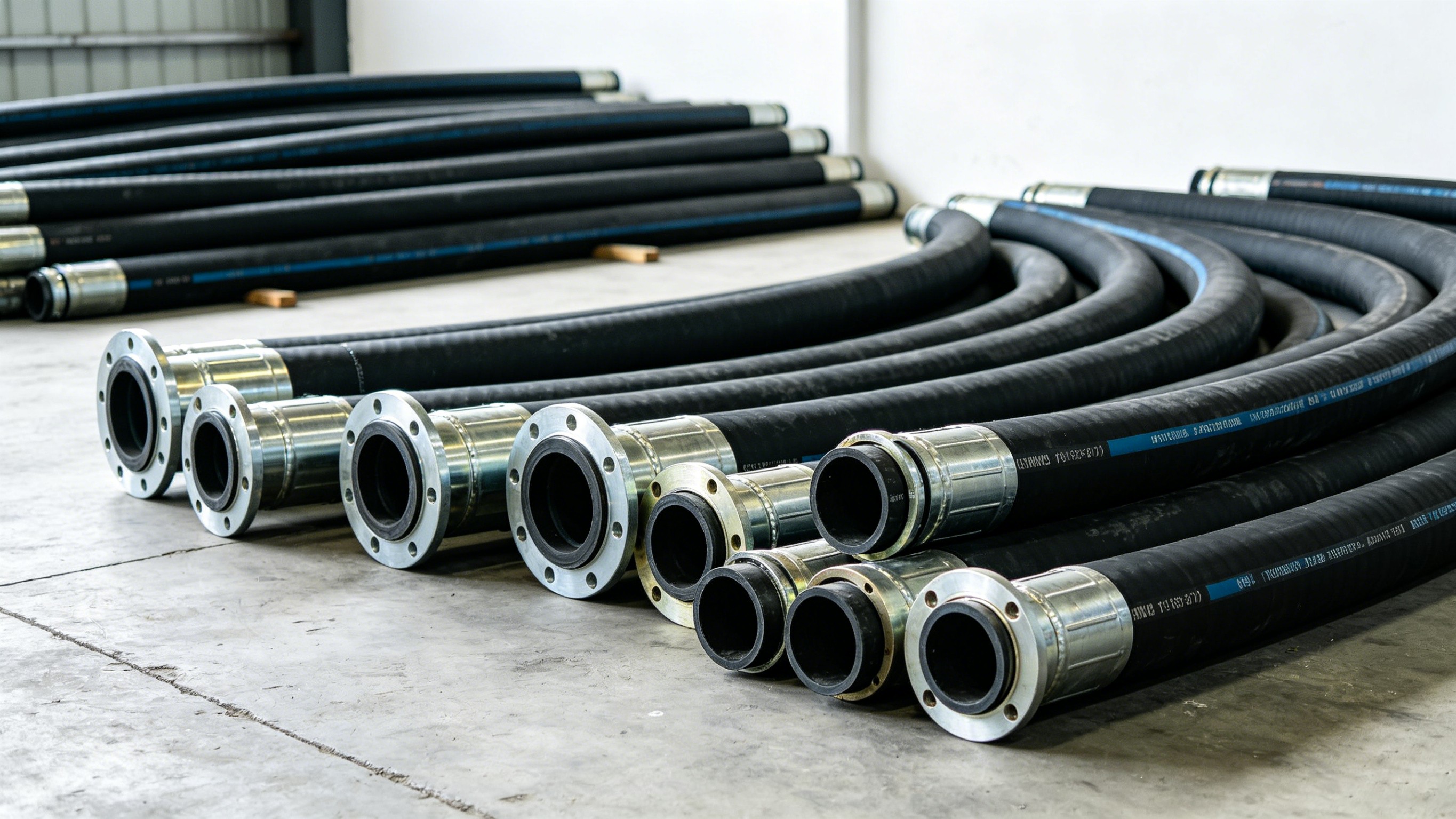
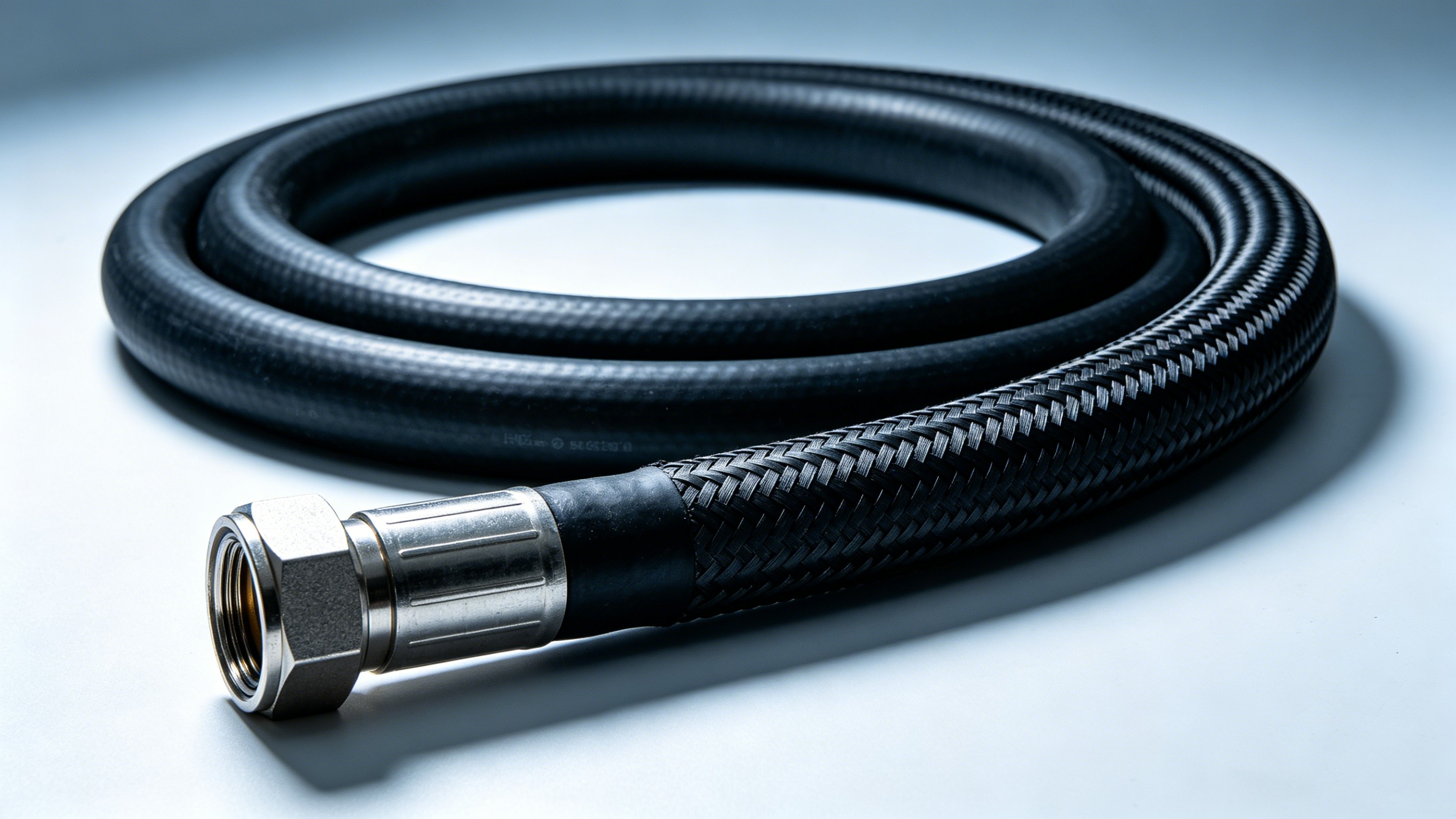
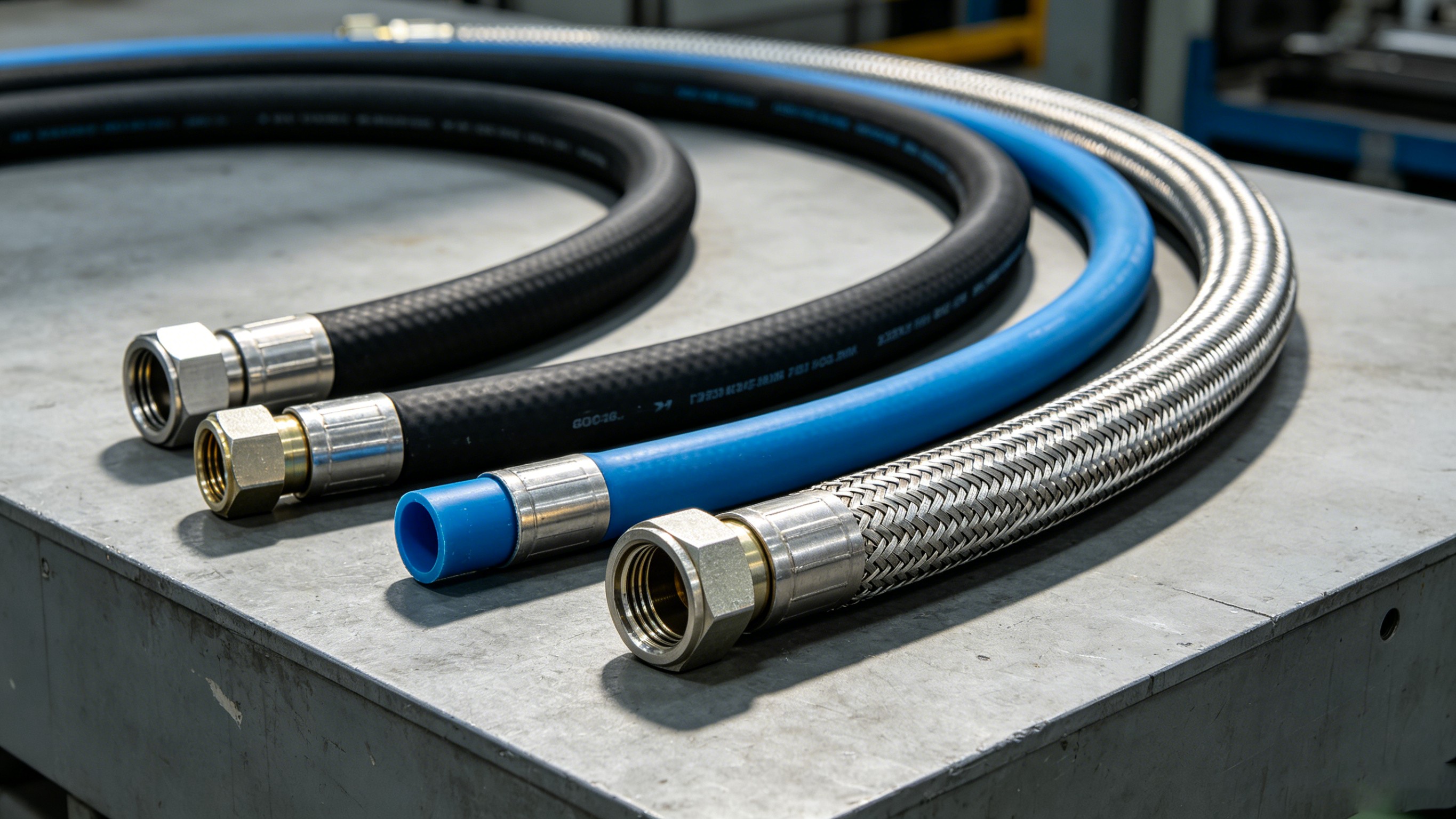
High pressure hoses play a vital role in hydraulic systems, industrial machinery, lubrication equipment, testing devices, and fluid transfer applications. Among various hose materials, nylon resin high pressure hoses have become increasingly popular due to their lightweight construction, excellent pressure resistance, and superior chemical stability.
However, selecting the right hose requires more than simply choosing the highest pressure rating. Several technical factors should be evaluated to ensure long-term performance and safety.
- Determine the Required Working Pressure
The first consideration is the maximum working pressure of your hydraulic or fluid system.
A quality nylon resin high pressure hose should provide:
Stable pressure performance
High burst pressure
Excellent safety margin
Reliable long-term operation
Always select a hose with a working pressure higher than your system's maximum operating pressure.
- Consider Temperature Resistance
Different industrial environments expose hoses to varying temperatures.
Premium nylon resin hoses generally offer:
Stable performance in low-temperature environments
Good resistance to elevated operating temperatures
Reduced risk of deformation
Temperature capability is especially important for hydraulic equipment operating continuously.
- Evaluate Chemical Compatibility
Industrial fluids include:
Hydraulic oil
Lubricating oil
Solvents
Cleaning chemicals
Water-based fluids
Nylon resin offers excellent resistance to many industrial chemicals, helping extend service life and reduce maintenance costs.
- Check Flexibility
Installation space is often limited.
A flexible hose provides:
Easier routing
Smaller bending radius
Faster installation
Reduced stress on fittings
High-quality nylon resin hoses combine strength with flexibility for demanding industrial environments.
- Examine Wear Resistance
Industrial hoses frequently experience:
Friction
Mechanical vibration
Abrasion
Repeated movement
Abrasion-resistant outer layers significantly improve hose durability and reduce replacement frequency.
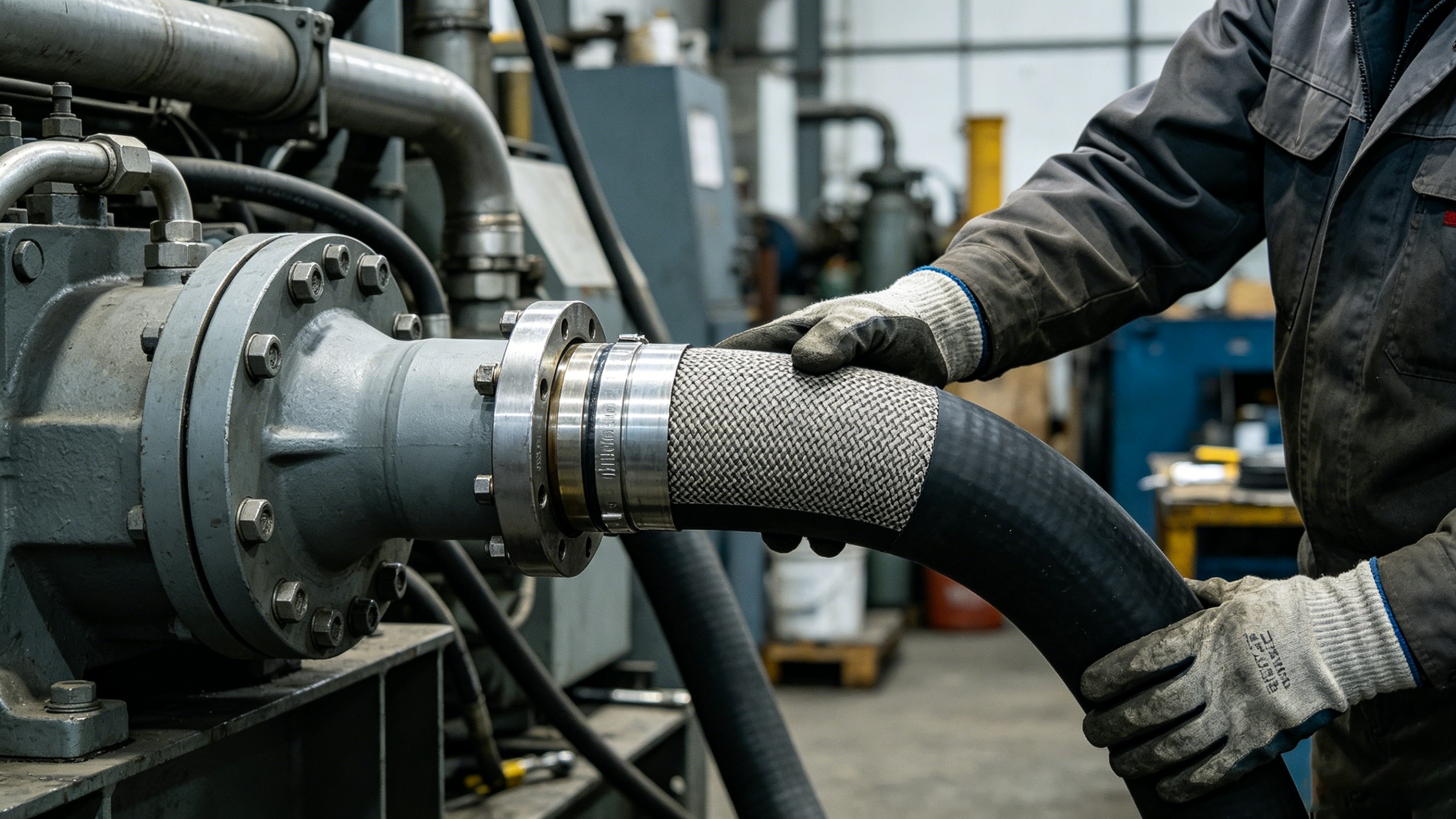
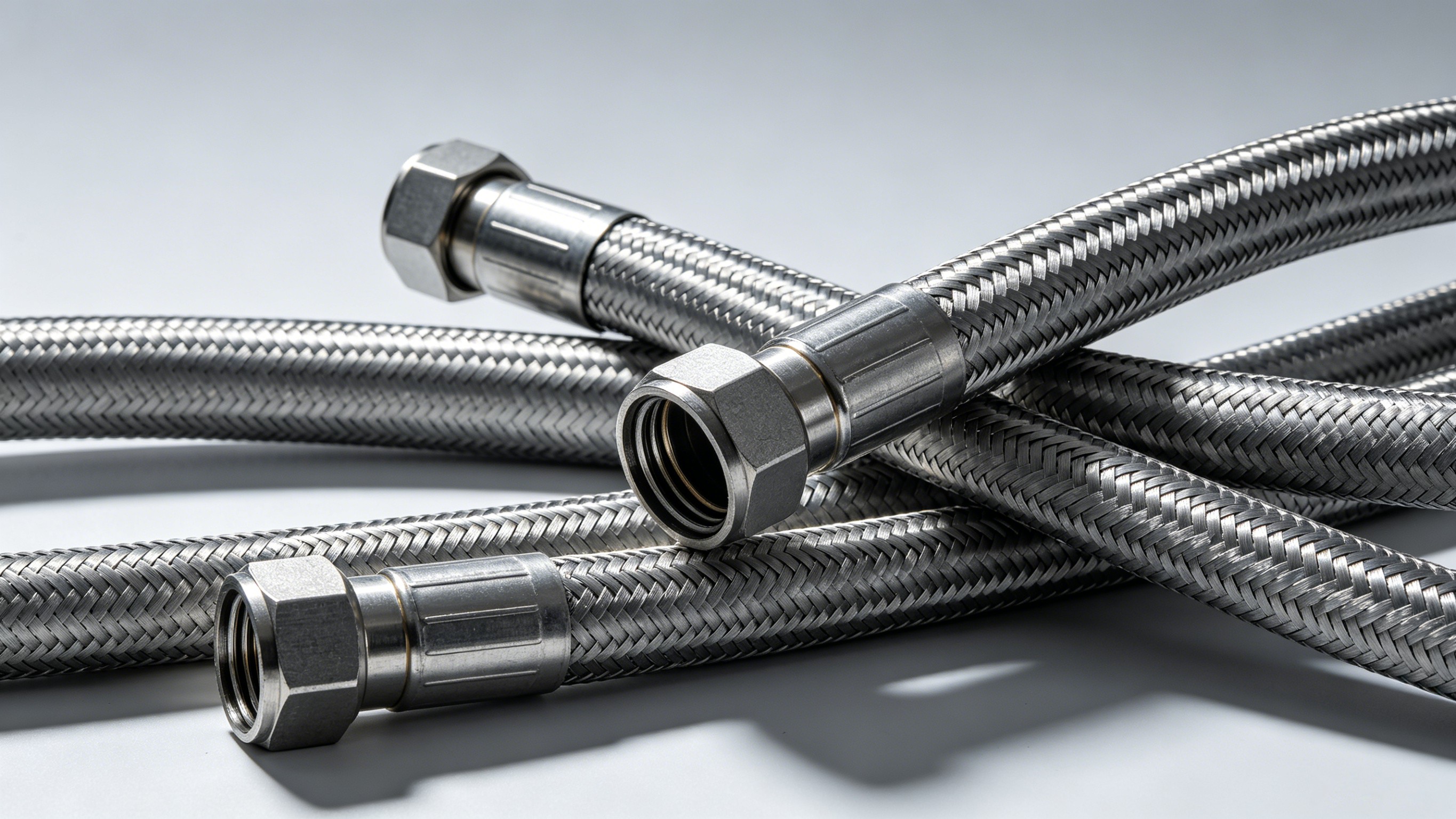
- Choose Reliable Fittings
Even the best hose can fail if paired with poor-quality fittings.
Proper hose assemblies should provide:
Leak-free connections
Secure crimping
Corrosion resistance
Long service life
Professional manufacturers usually supply complete hose assemblies customized for customer requirements.
Common Applications
Nylon resin high pressure hoses are widely used in:
Hydraulic systems
Pressure testing equipment
Lubrication systems
Industrial automation
Construction machinery
Agricultural machinery
Pneumatic equipment
Laboratory testing systems
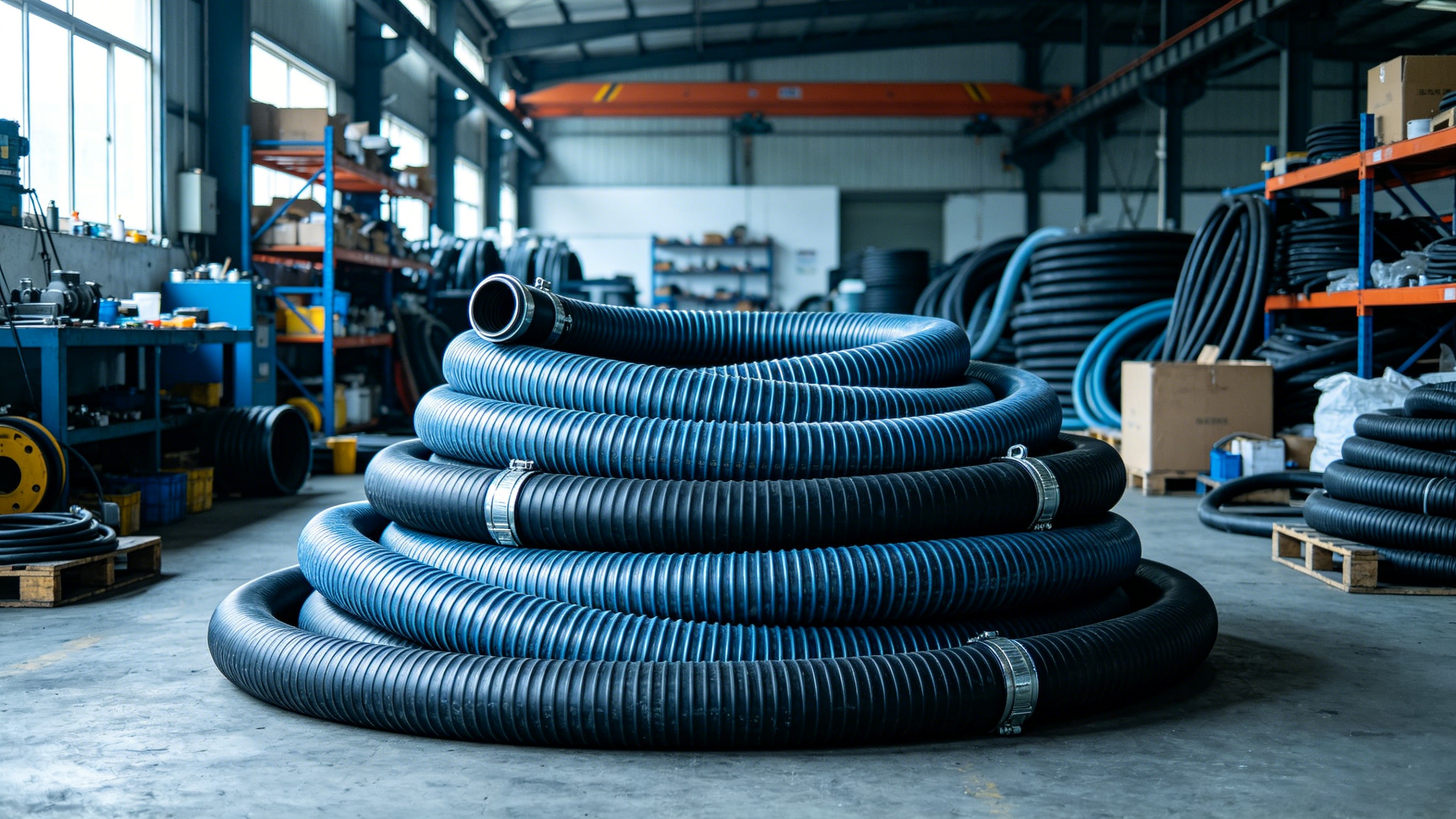
Why Choose a Professional Manufacturer?
An experienced hose manufacturer can provide:
Customized hose dimensions
OEM & ODM production
Stable product quality
Strict pressure testing
Fast delivery
Technical support
Global export experience
Choosing an experienced supplier helps ensure reliable performance while reducing maintenance costs and downtime.
Conclusion
Selecting the right nylon resin high pressure hose involves evaluating pressure rating, temperature resistance, flexibility, chemical compatibility, abrasion resistance, and fitting quality. Working with a professional manufacturer ensures that your hydraulic systems operate safely, efficiently, and reliably for years to come.
Whether your application involves industrial automation, hydraulic equipment, or specialized fluid transfer, high-quality nylon resin hoses provide an excellent balance of strength, flexibility, and durability.