From Raw Material to Finished Product: How Industrial Hoses Are Manufactured
When buyers receive a shipment of industrial hoses, they usually focus on specifications such as pressure rating, diameter, or color. However, what truly determines the quality of a hose happens long before it leaves the factory.
Every reliable industrial hose begins with a carefully controlled manufacturing process. From selecting raw materials to conducting pressure tests, each step contributes to the product's durability, flexibility, and safety.
Let's take a closer look at how a high-quality industrial hose is produced.
It All Starts with Raw Materials
The performance of a hose depends largely on the materials used to make it.
Different applications require different materials. For example:
Nylon resin is chosen for high-pressure hydraulic applications.
Polyurethane is preferred for abrasion-resistant suction and ventilation hoses.
TPV is widely used where flexibility and weather resistance are required.
High-quality raw materials provide a stronger foundation for long-lasting products. Even the most advanced production equipment cannot compensate for poor-quality materials.
Precision Extrusion Shapes the Hose
Once the raw materials are prepared, they are processed through precision extrusion equipment.
During this stage, several factors must be carefully controlled, including:
Temperature
Extrusion speed
Wall thickness
Diameter tolerance
Small variations can affect pressure resistance, flexibility, and overall product consistency.
Modern production lines use automated controls to ensure every meter of hose meets the required specifications.
Reinforcement Adds Strength
Some industrial hoses require additional reinforcement to withstand demanding working conditions.
Depending on the application, reinforcement may include:
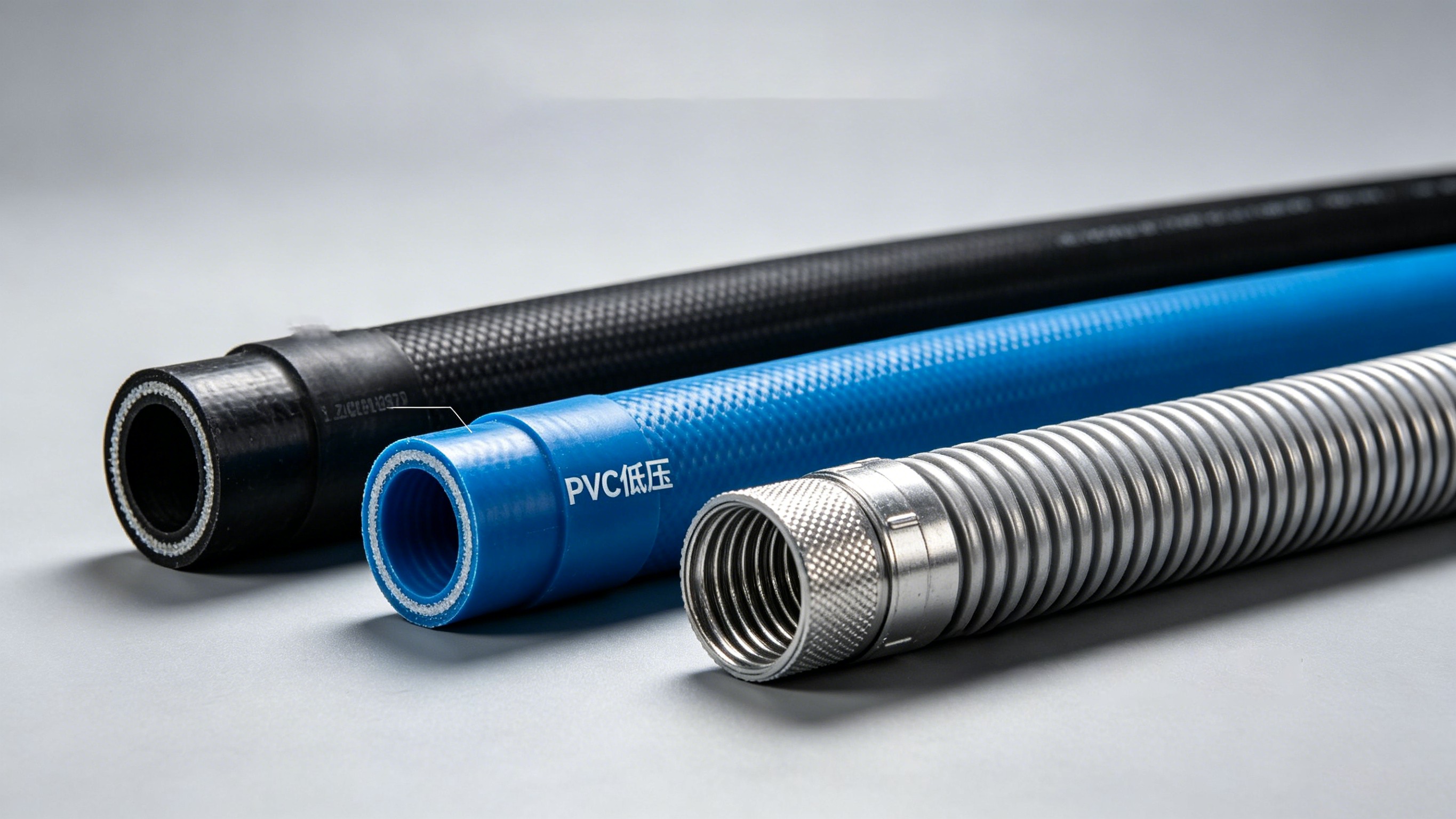
Steel wire helix
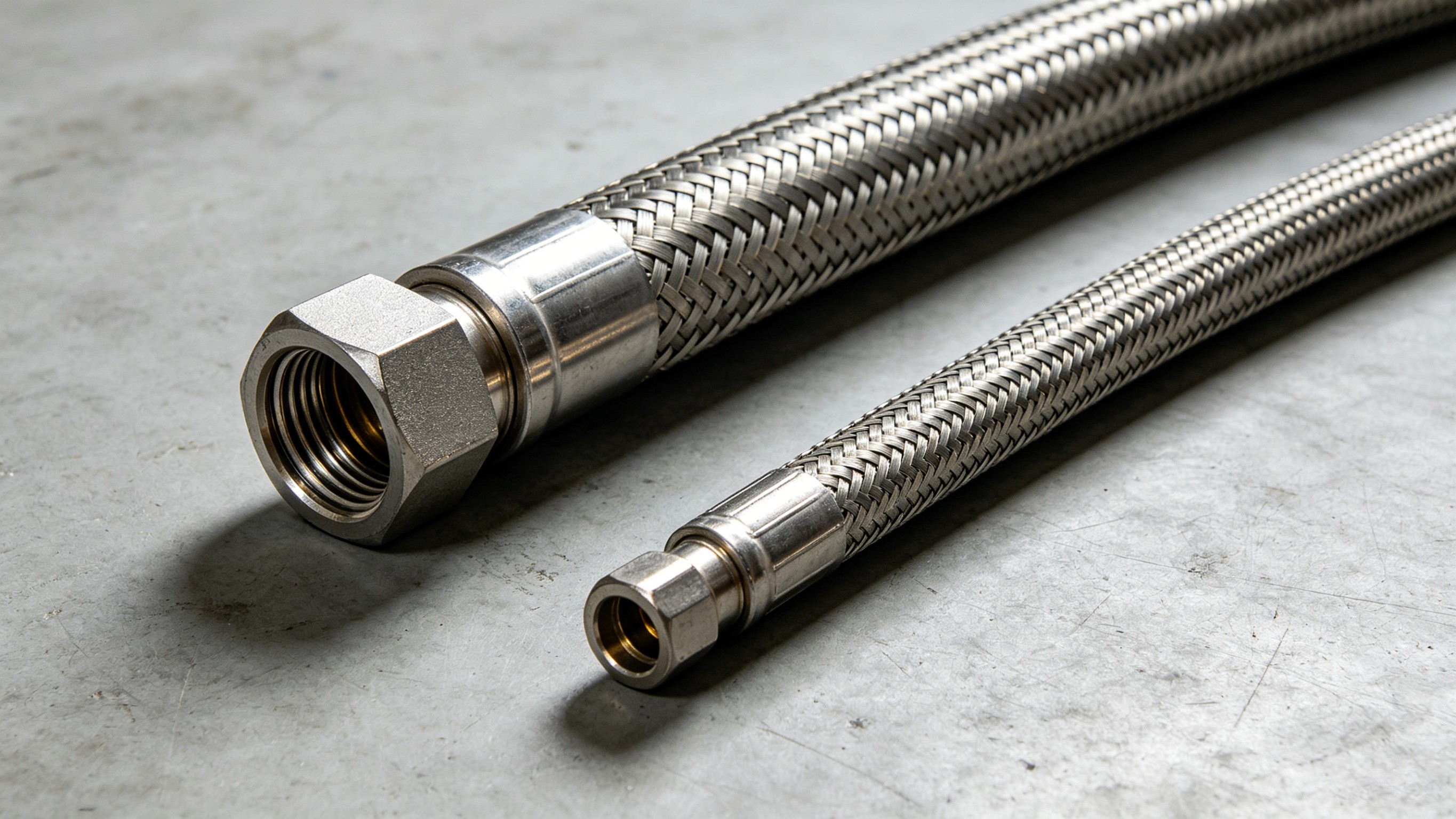
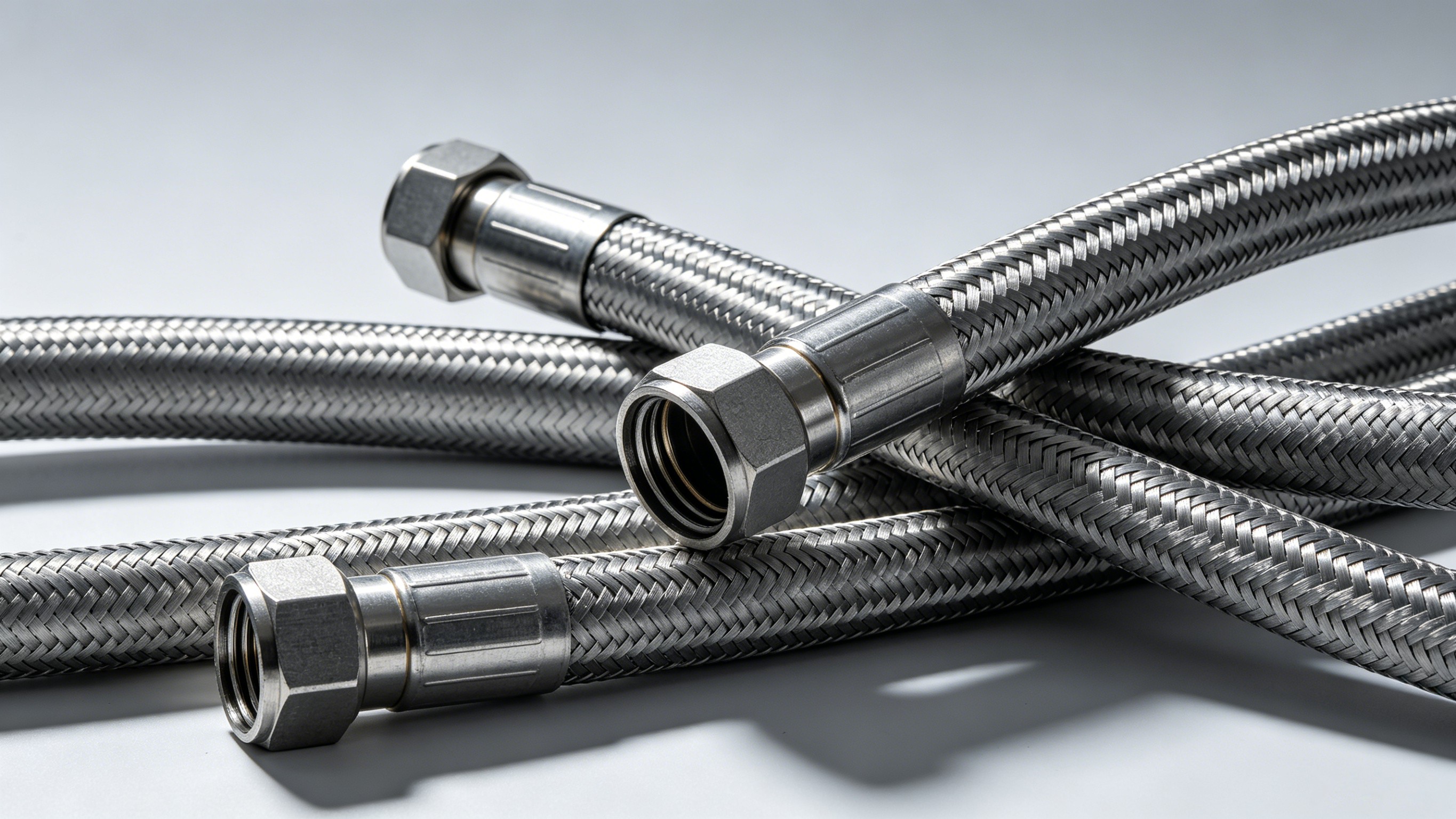
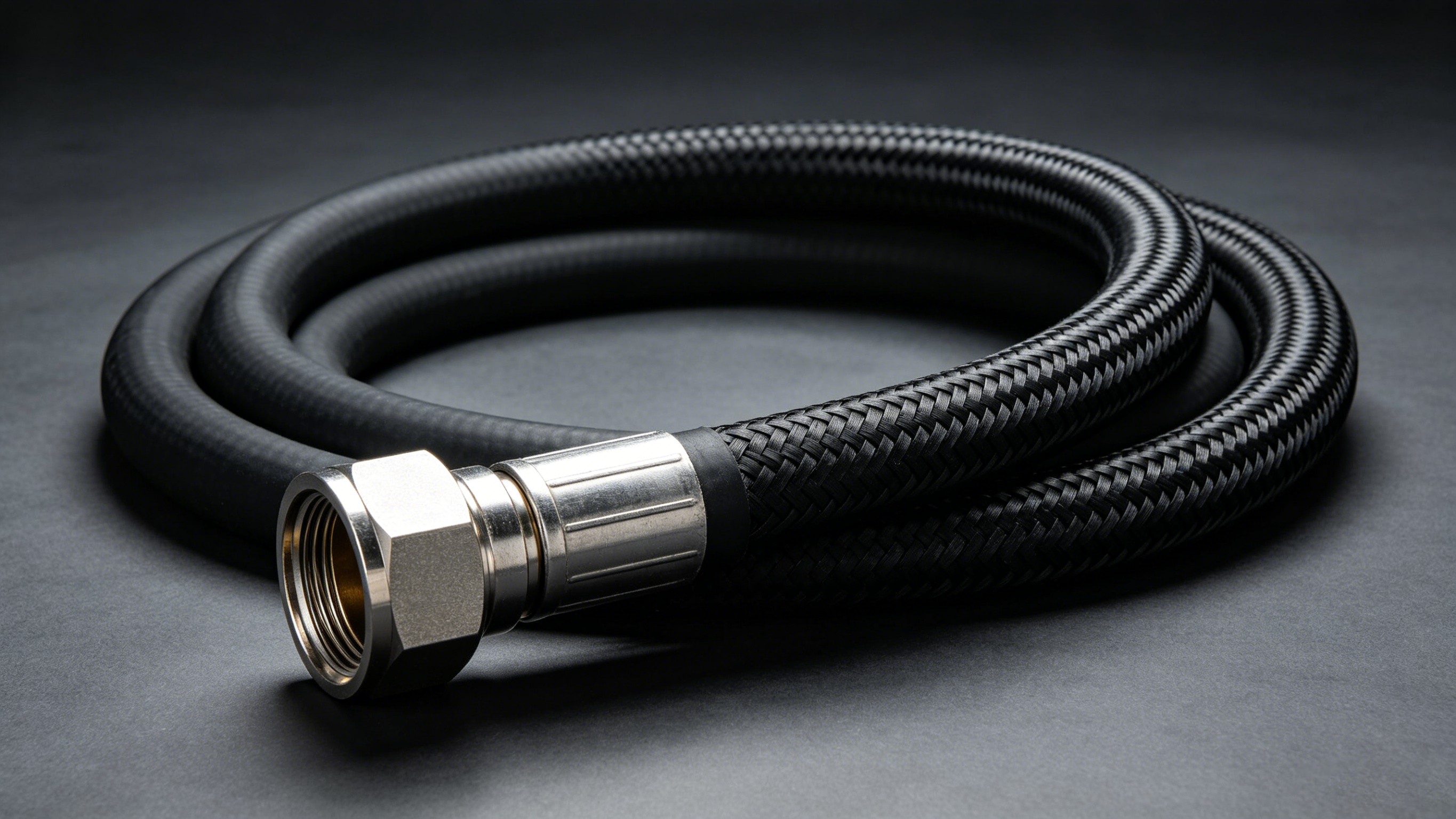
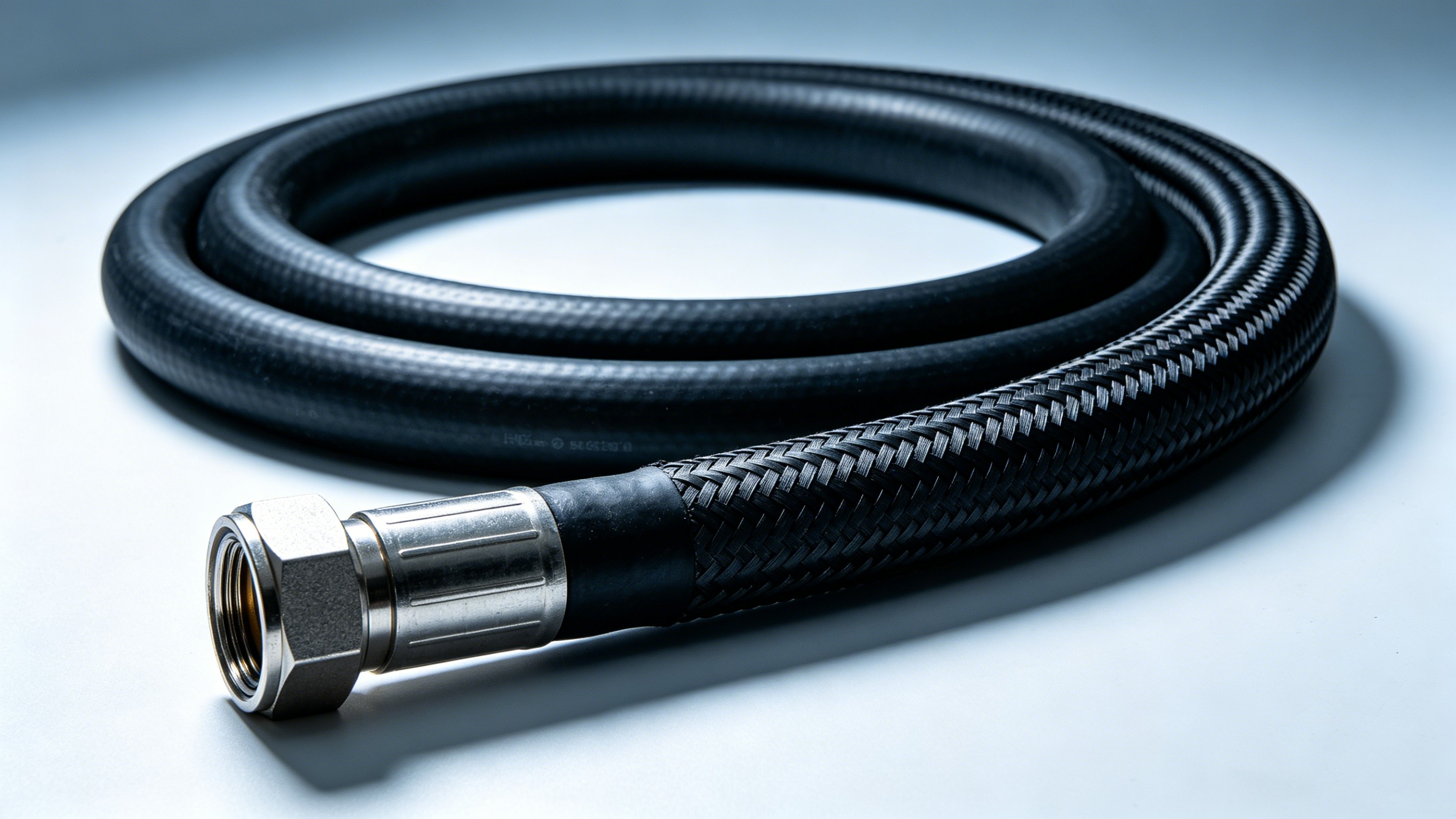
High-strength fiber braiding
Textile reinforcement
Multiple protective layers
These reinforcement structures improve pressure resistance, vacuum performance, and mechanical strength while maintaining flexibility.
Every Meter Is Carefully Inspected
Quality inspection is not limited to the finished product.
Professional manufacturers monitor quality throughout production by checking:
Surface appearance
Dimensional accuracy
Material consistency
Wall thickness
Reinforcement position
Continuous inspection helps identify issues early, reducing waste and ensuring stable product quality.
Pressure Testing Is Essential
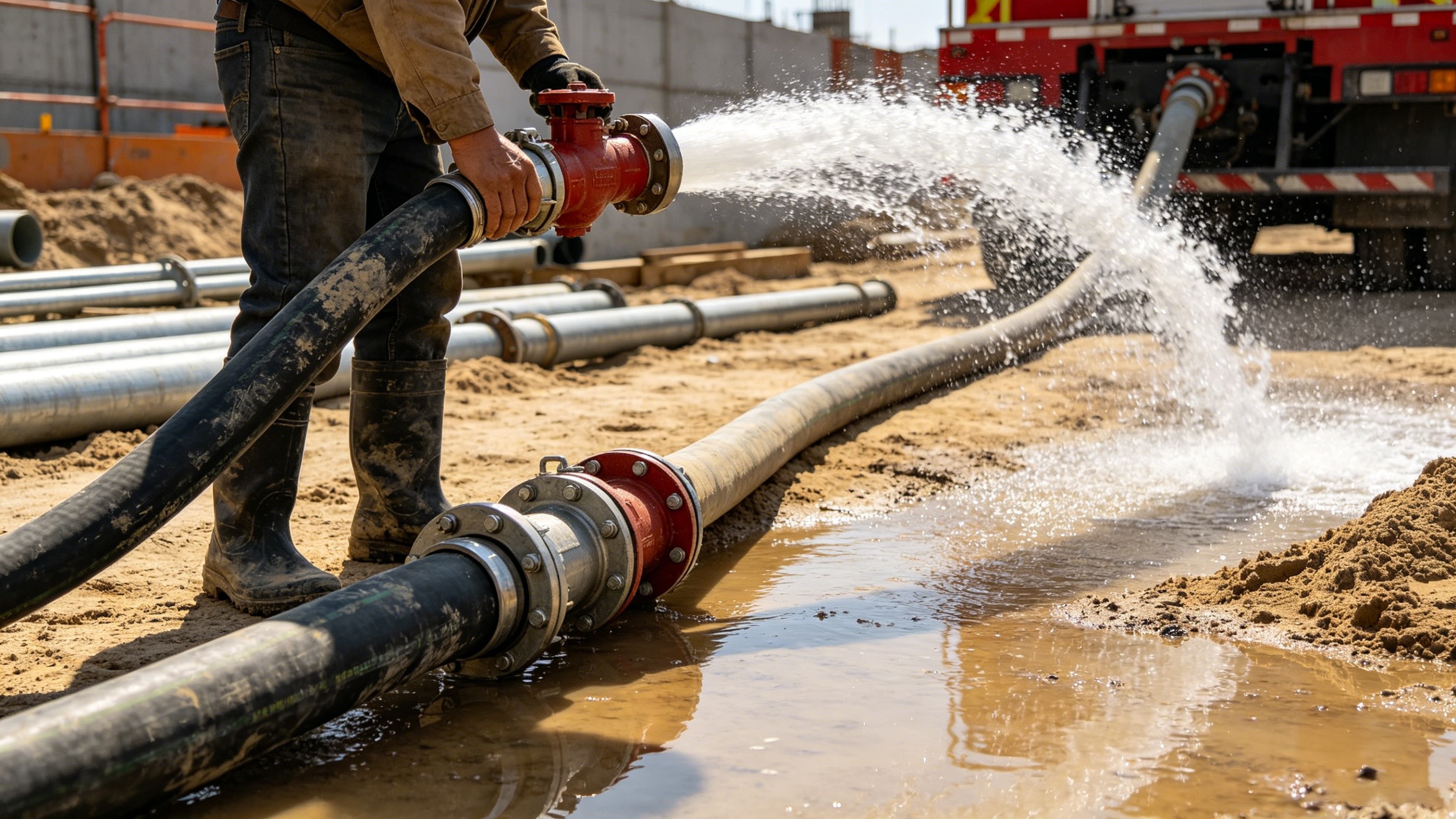
Before products are shipped, pressure testing verifies that the hose performs as expected under working conditions.
Depending on the product type, testing may include:
Working pressure tests
Burst pressure tests
Leakage inspections
Vacuum performance tests
Flexibility evaluations
These tests provide confidence that the hose can operate safely in real-world applications.
Packaging Protects Product Quality
Manufacturing does not end when production is complete.
Proper packaging helps protect hoses during transportation and storage.
Depending on customer requirements, products may be supplied as:
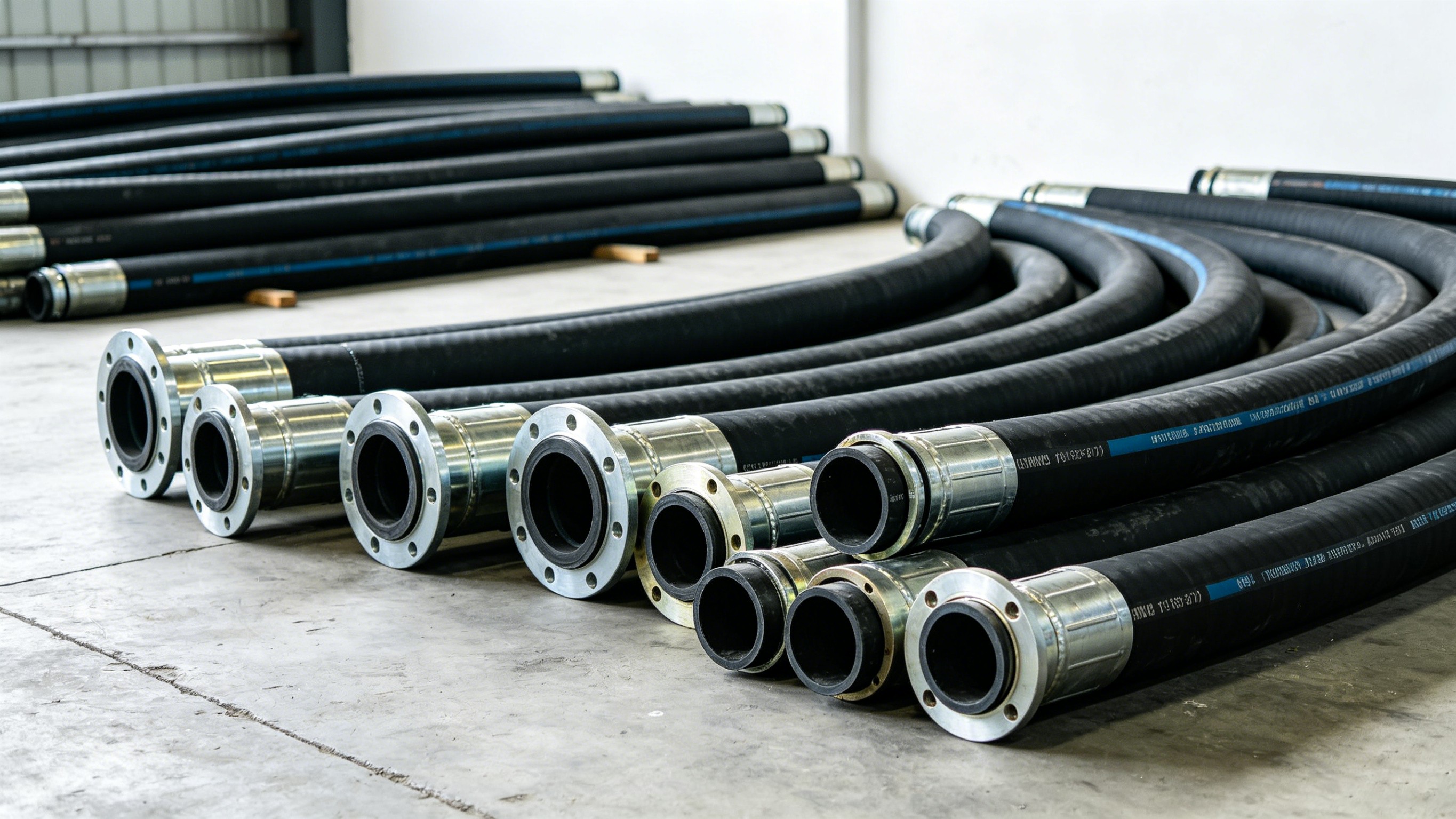
Coils
Reels
Cartons
Pallets
Customized export packaging
Clear labeling and product identification also improve warehouse management and simplify installation.
Continuous Improvement Never Stops
The best manufacturers do not rely solely on existing production methods.
They continually invest in:
Advanced production equipment
Employee training
Material research
Process optimization
Quality management systems
Continuous improvement enables manufacturers to meet changing industry requirements while delivering increasingly reliable products.
Why Manufacturing Quality Matters to Buyers
For distributors and equipment manufacturers, consistent quality means much more than receiving products that meet specifications.
Reliable manufacturing helps customers:
Reduce warranty claims
Improve equipment reliability
Maintain production schedules
Build customer trust
Lower long-term operating costs
Behind every dependable industrial hose is a manufacturing process designed to eliminate variation and ensure consistent performance.
Conclusion
An industrial hose may appear to be a simple product, but producing a reliable hose requires precision, experience, and strict quality control at every stage.
From raw material selection to final inspection, every manufacturing step influences product performance and customer satisfaction.
When choosing a hose supplier, understanding how products are manufactured can be just as important as comparing technical specifications. A manufacturer with strong production capabilities is more likely to deliver consistent quality and become a trusted long-term partner.