How to Extend the Service Life of High Pressure Hoses: 7 Practical Maintenance Tips
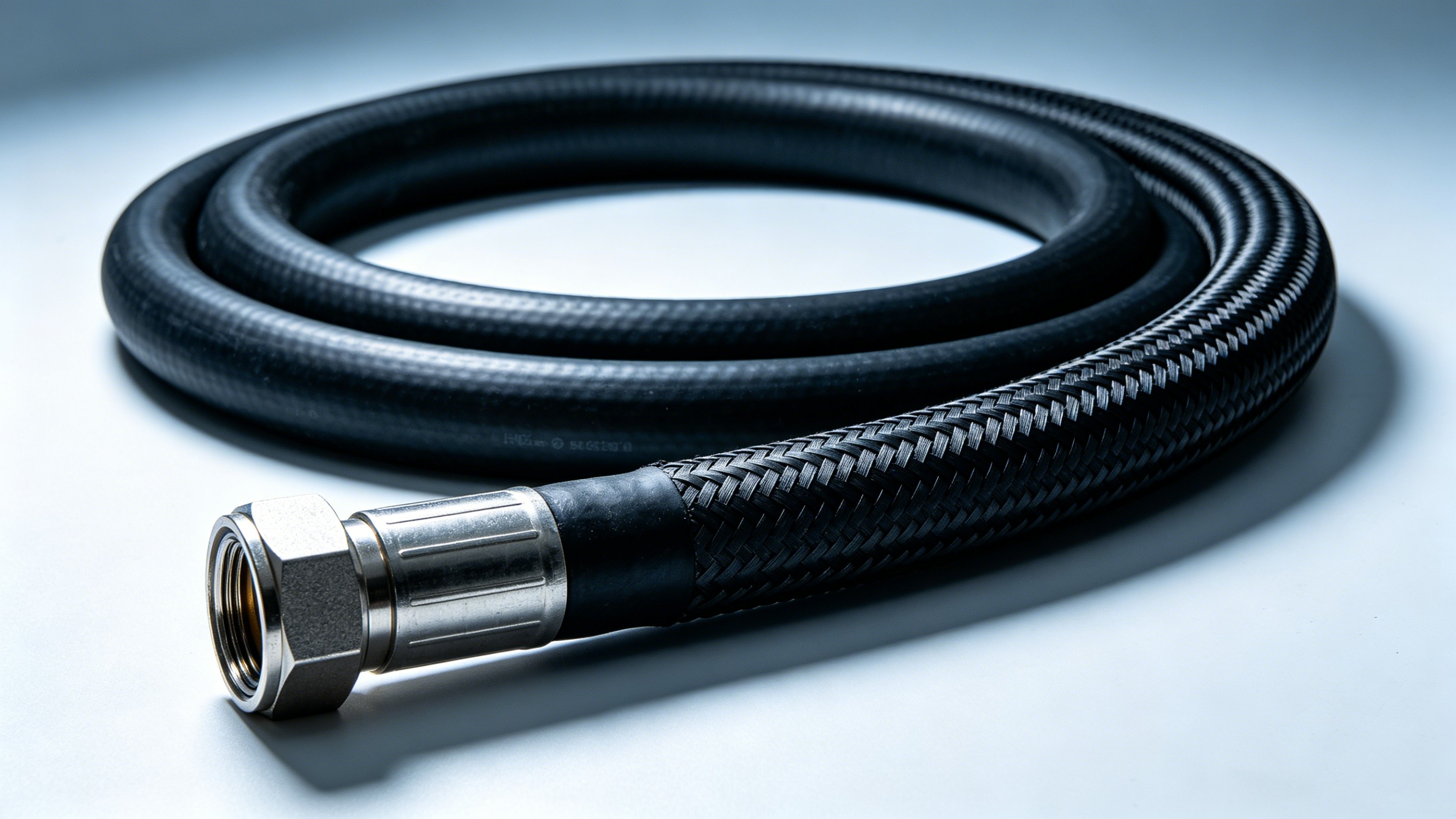
High pressure hoses are essential components in hydraulic equipment, pressure testing systems, cleaning machines, and industrial automation. While modern hoses are designed to withstand demanding operating conditions, their lifespan depends not only on product quality but also on how they are installed, used, and maintained.
Unexpected hose failure can interrupt production, increase maintenance costs, and even create safety risks. Fortunately, a few simple maintenance practices can help maximize hose performance and reliability.
- Select the Right Hose for the Application
Not every high pressure hose is suitable for every working environment.
Before choosing a hose, consider factors such as:
Maximum working pressure
Operating temperature
Type of fluid being transported
Chemical compatibility
Minimum bending radius
Installation location
Using a hose outside its designed specifications is one of the leading causes of premature failure.
- Avoid Excessive Bending
A hose should never be forced into a bend tighter than its recommended minimum bending radius.
Excessive bending can damage the internal reinforcement, restrict fluid flow, and create stress points that may eventually lead to leaks or bursting.
Whenever possible, allow the hose to follow a natural curve and use appropriate fittings to reduce strain.
- Protect the Hose from Abrasion
Continuous contact with rough surfaces or moving machine parts can wear away the outer cover over time.
Simple protective measures include:
Installing hose sleeves
Using protective clamps
Keeping hoses away from sharp edges
Securing loose hoses to prevent vibration
Reducing external wear is one of the easiest ways to extend hose life.
- Inspect Hoses Regularly
Routine inspections help identify small problems before they become major failures.
Check for signs such as:
Surface cracks
Bulging sections
Fluid leaks
Loose fittings
Abrasion marks
Kinks or deformation
Replacing a damaged hose during scheduled maintenance is far less costly than dealing with an unexpected shutdown.
- Keep Operating Pressure Within Limits
Pressure spikes can place significant stress on a hose, even if they occur only briefly.
Whenever possible, use pressure control devices and ensure the working pressure remains within the manufacturer's recommended range.
Stable operating pressure not only improves safety but also extends the hose's service life.
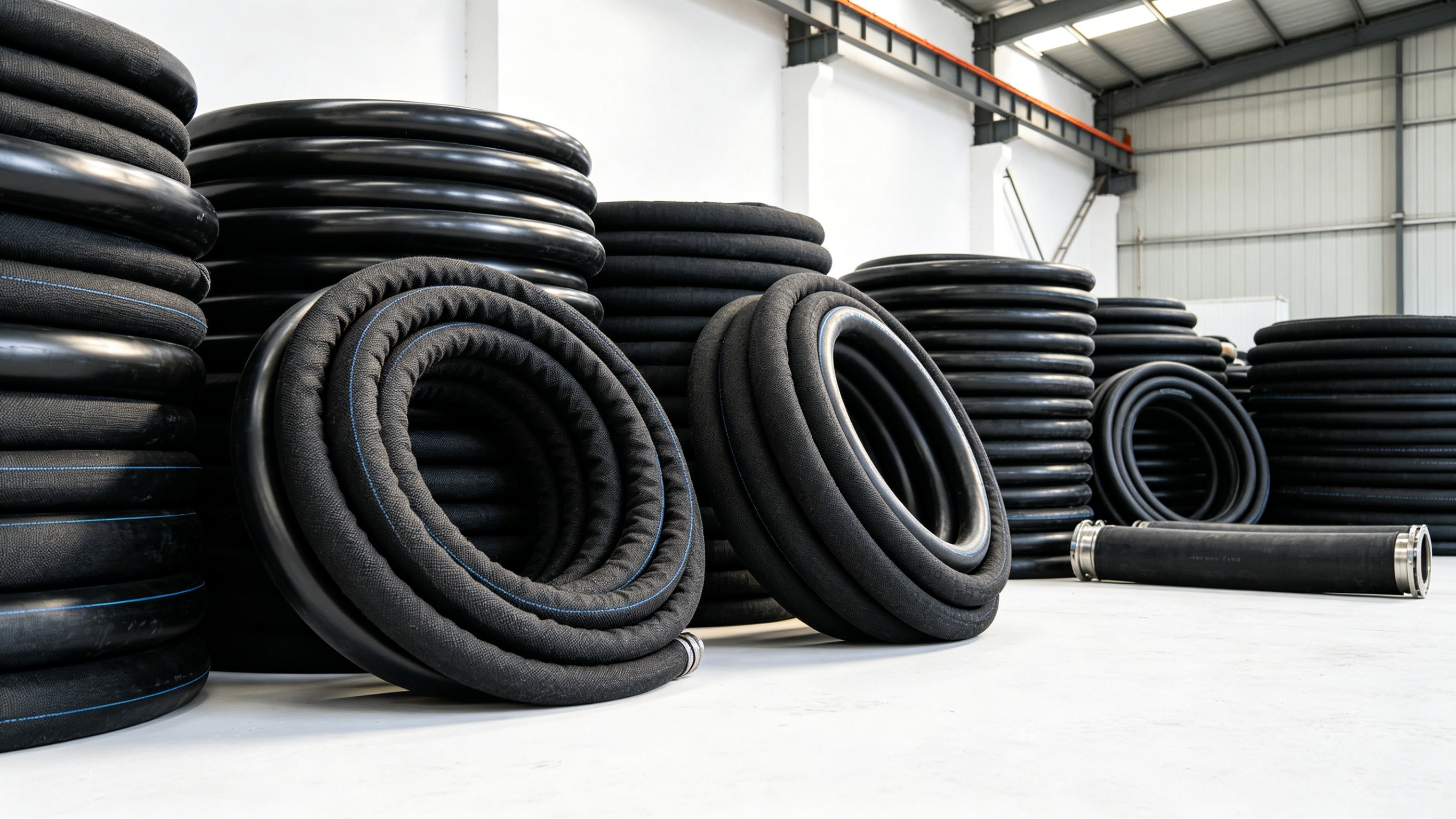
- Store Hoses Correctly
Even unused hoses can deteriorate if stored improperly.
For long-term storage:
Keep hoses in a cool, dry environment.
Avoid direct sunlight.
Protect them from ozone and chemicals.
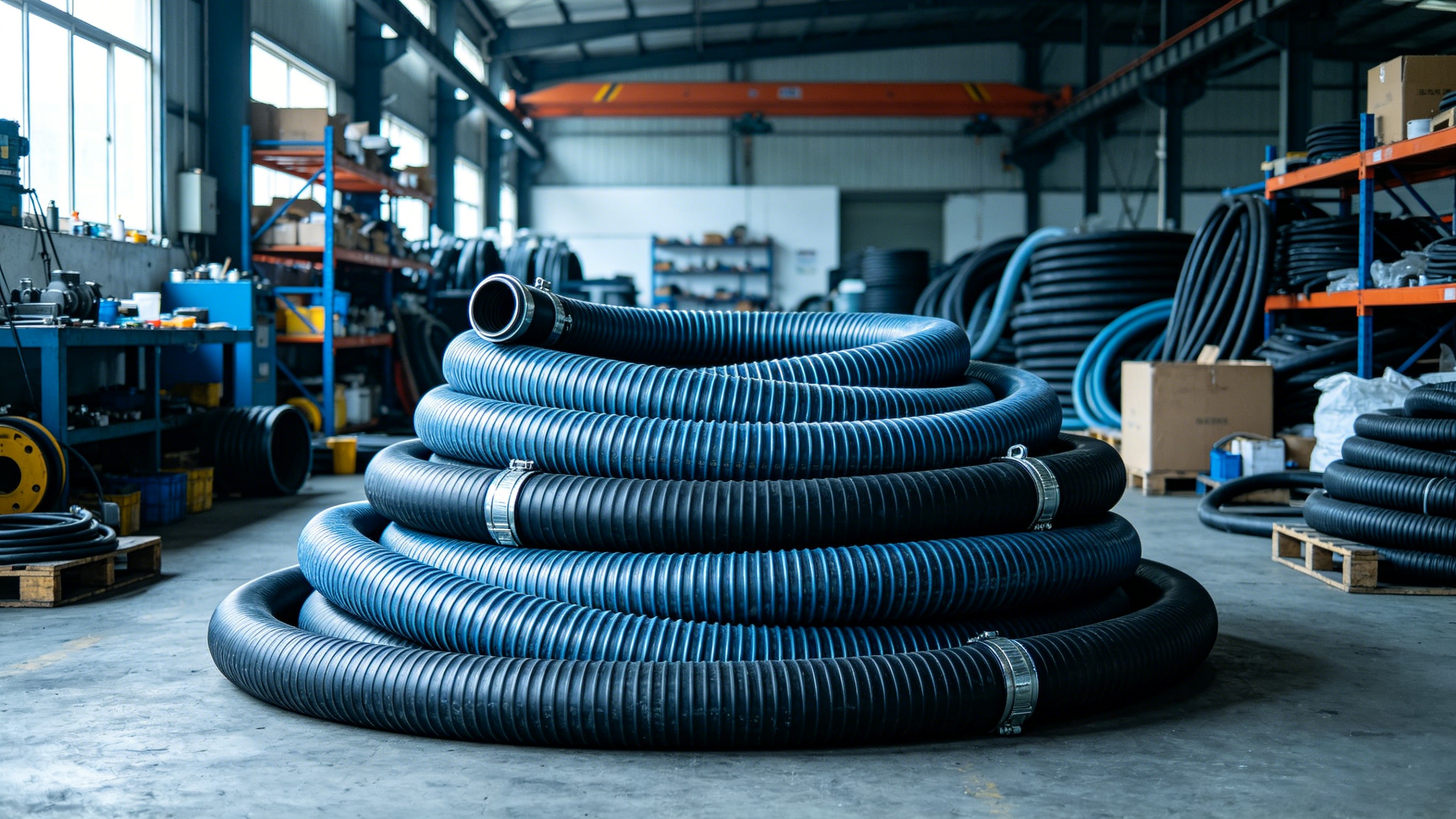
Store them loosely coiled instead of tightly folded.
Keep heavy objects off the hose.
Proper storage helps preserve the hose's flexibility and performance before installation.
- Work with a Reliable Manufacturer
The quality of raw materials and manufacturing processes directly affects hose durability.
A professional manufacturer typically offers:
Strict quality inspection
Stable production standards
High-performance materials
OEM and custom manufacturing
Technical support for product selection
Choosing a trusted supplier ensures consistent product quality and reduces long-term operating costs.
Small Maintenance Habits Make a Big Difference
Many hose failures are not caused by poor product quality but by improper handling or maintenance.
Simple habits—such as avoiding excessive bending, inspecting hoses regularly, and storing them correctly—can significantly increase service life and reduce equipment downtime.
For businesses that rely on hydraulic systems or high pressure equipment, preventive maintenance is an investment that delivers long-term value.
Conclusion
A high pressure hose is designed to perform under demanding conditions, but achieving its full service life requires proper selection, installation, and maintenance.
By following these seven practical tips and working with an experienced hose manufacturer, businesses can improve equipment reliability, lower maintenance costs, and enhance workplace safety.