5 Common Mistakes When Choosing a PU Flexible Hose—and How to Avoid Them
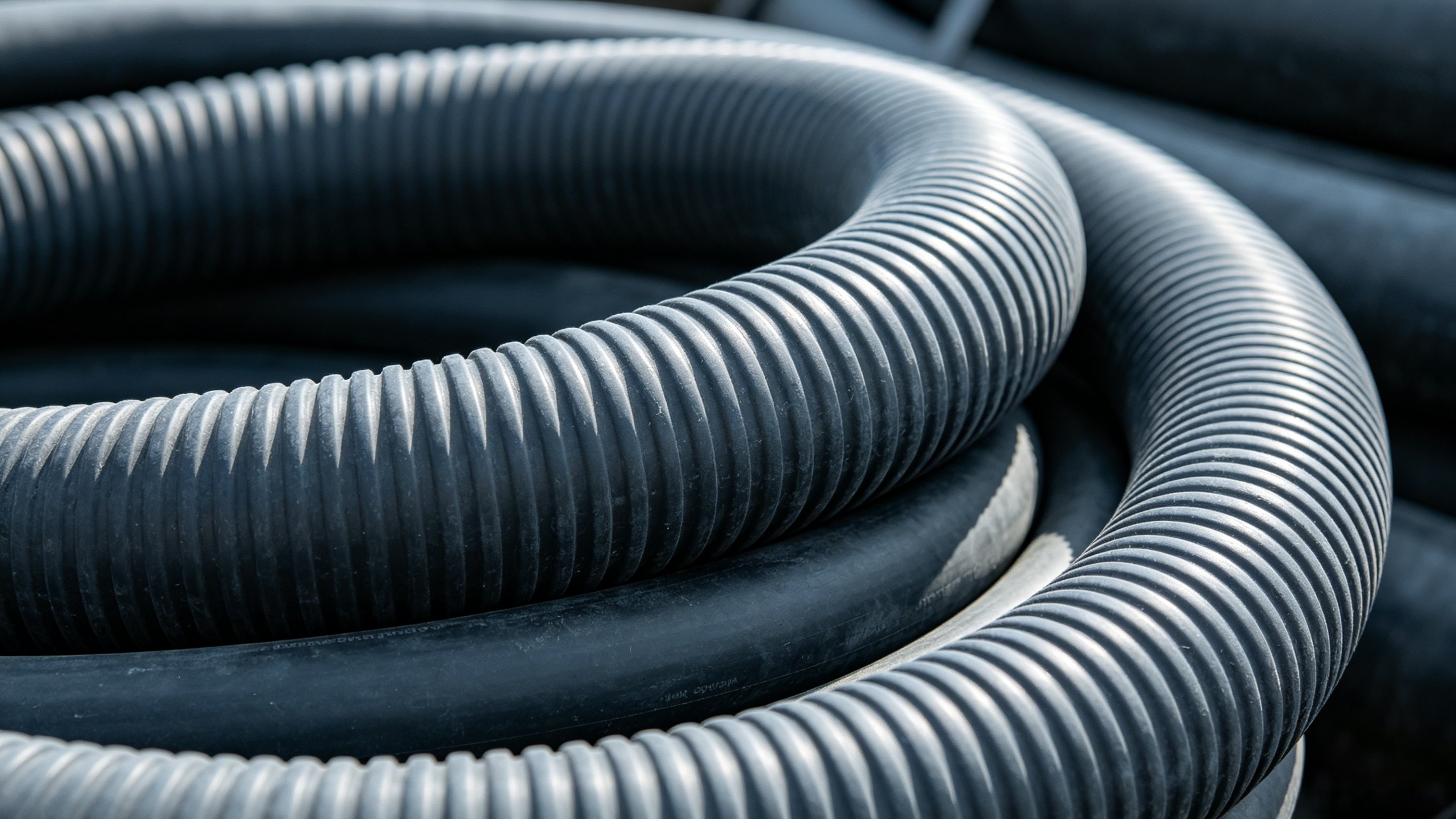
When purchasing a PU flexible hose, many buyers focus only on the price or the hose diameter. While these factors are important, they are far from the only considerations. A hose that seems suitable at first may fail prematurely if it doesn't match the actual working conditions.
Whether you are an equipment manufacturer, industrial distributor, or maintenance engineer, avoiding a few common mistakes can save both time and money.
Mistake 1: Ignoring the Material Being Conveyed
Not all materials have the same effect on a hose.
For example, transporting fine flour requires different hose characteristics than conveying sharp plastic granules or metal chips. Abrasive materials can gradually wear down the hose wall, while sticky materials may require a smoother inner surface to prevent buildup.
Before selecting a hose, ask yourself:
- Is the material dry or wet?
- Does it contain sharp particles?
- Is it corrosive?
- Will it generate static electricity?
Understanding the material is the first step toward choosing the right hose.
Mistake 2: Overlooking the Working Environment
A hose may perform perfectly in one factory but fail quickly in another.
Consider the environment where the hose will be installed:
- High temperatures near production equipment
- Outdoor exposure to sunlight
- Cold storage facilities
- High-humidity workshops
- Areas with continuous vibration
A polyurethane hose is known for its flexibility and wear resistance, but selecting the appropriate wall thickness and reinforcement is equally important for different environments.
Mistake 3: Choosing Based Only on Diameter
Many buyers simply replace an old hose with one that has the same inner diameter.
However, airflow, conveying speed, and vacuum performance are also influenced by factors such as hose length, bending radius, and wall thickness.
A professional supplier can help calculate the most suitable specifications based on your system requirements rather than diameter alone.
Mistake 4: Forgetting About Maintenance Costs
A lower-priced hose may appear attractive initially, but frequent replacements often result in higher overall operating expenses.
High-quality PU hoses typically offer:
- Longer service life
- Better abrasion resistance
- Reduced production downtime
- Lower replacement frequency
- More stable system performance
Looking at the total cost of ownership instead of the purchase price often leads to better long-term value.
Mistake 5: Choosing a Supplier Instead of a Manufacturing Partner
Many companies purchase hoses through multiple intermediaries without knowing where the products are actually made.
Working directly with a manufacturer offers several advantages:
- Consistent product quality
- Faster communication
- Technical support
- Custom production capabilities
- Stable delivery schedules
- Competitive factory pricing
For OEM equipment manufacturers, direct cooperation can also simplify product development and quality control.
What Makes a Quality PU Flexible Hose?
A high-performance polyurethane hose should provide a balance of durability, flexibility, and operational reliability.
Some important characteristics include:
- Excellent abrasion resistance
- Smooth inner wall for efficient airflow
- Lightweight construction
- Flexible bending performance
- Reinforced structure to resist collapse under vacuum
- Long service life under continuous operation
These features help improve productivity while reducing maintenance interruptions.
Industries That Benefit from PU Flexible Hoses
Today, PU flexible hoses are used in a wide variety of industries, including:
- Woodworking factories
- Plastic processing plants
- Packaging equipment
- Textile manufacturing
- Food processing
- Agricultural machinery
- Industrial vacuum systems
- CNC machining centers
- Recycling facilities
Their versatility makes them one of the most widely used industrial hose solutions available.
Final Thoughts
Choosing the right PU flexible hose is not simply about selecting the correct size. It requires evaluating the material being conveyed, the operating environment, system design, and long-term maintenance requirements.
By working with an experienced manufacturer and understanding your application needs, you can significantly improve equipment efficiency while reducing operating costs.
If you're looking for a reliable PU hose solution tailored to your industry, partnering with a professional manufacturer is one of the smartest investments for long-term performance.