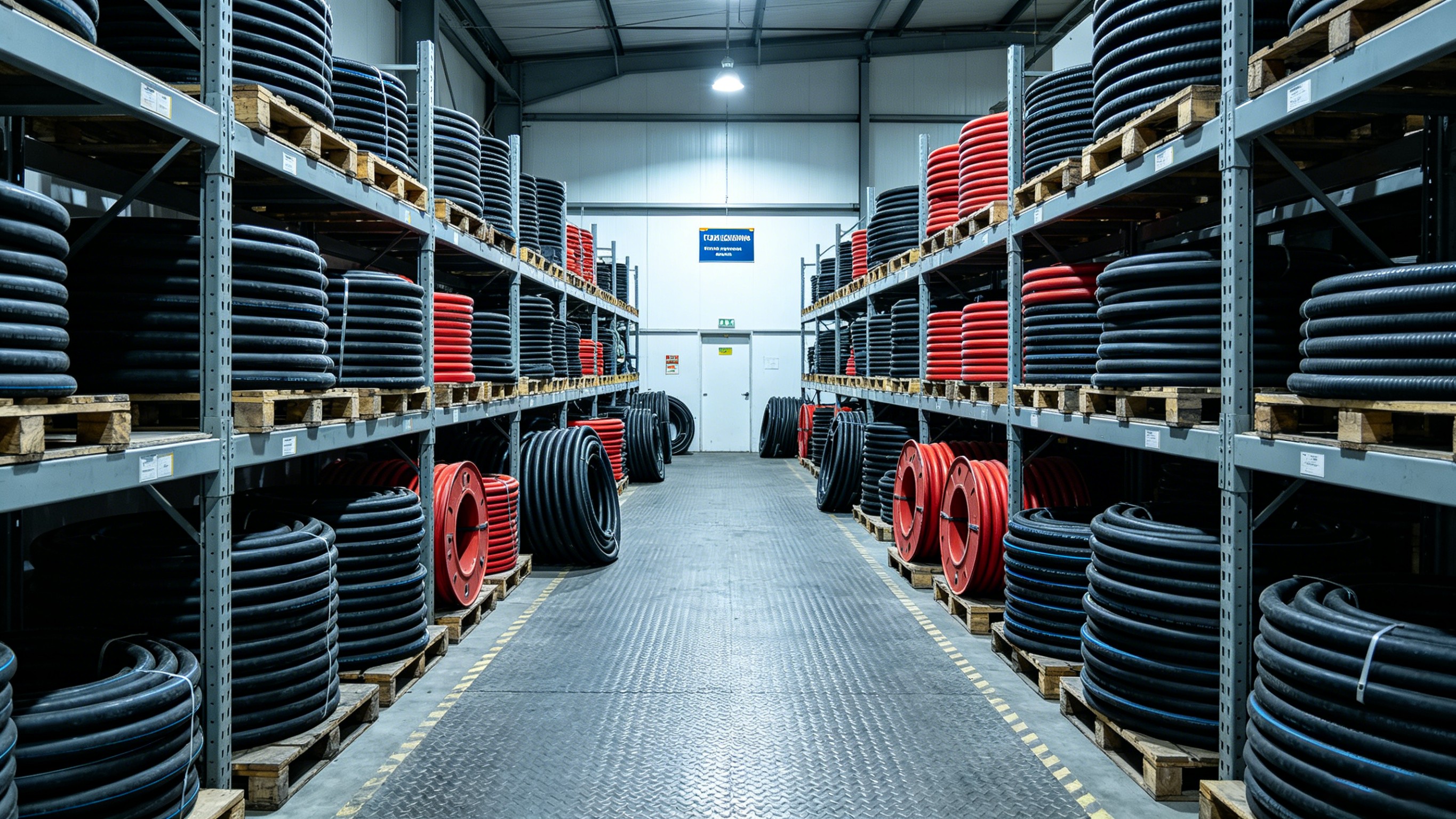
How to Choose the Right High Pressure Hose for Industrial Applications
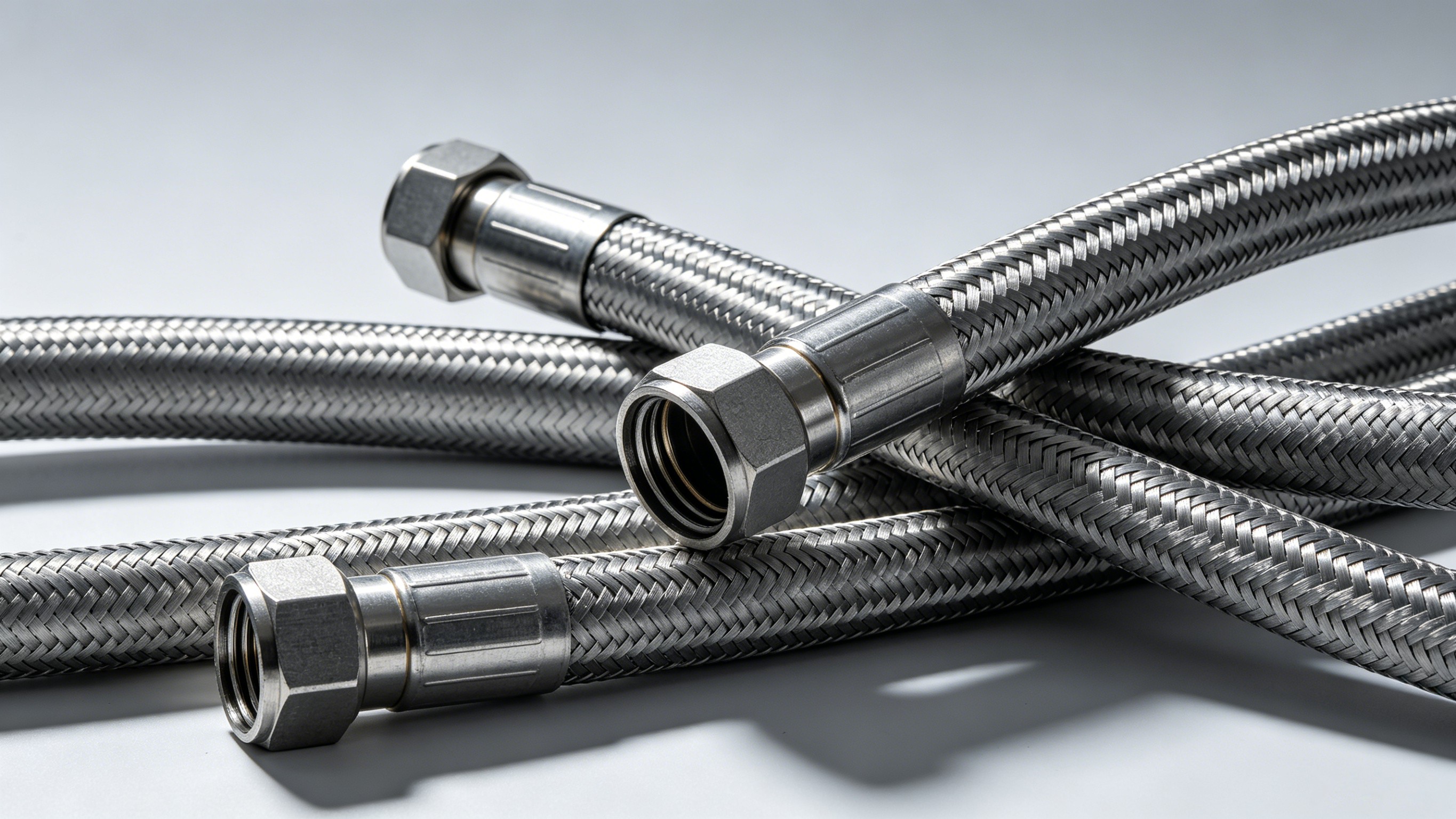
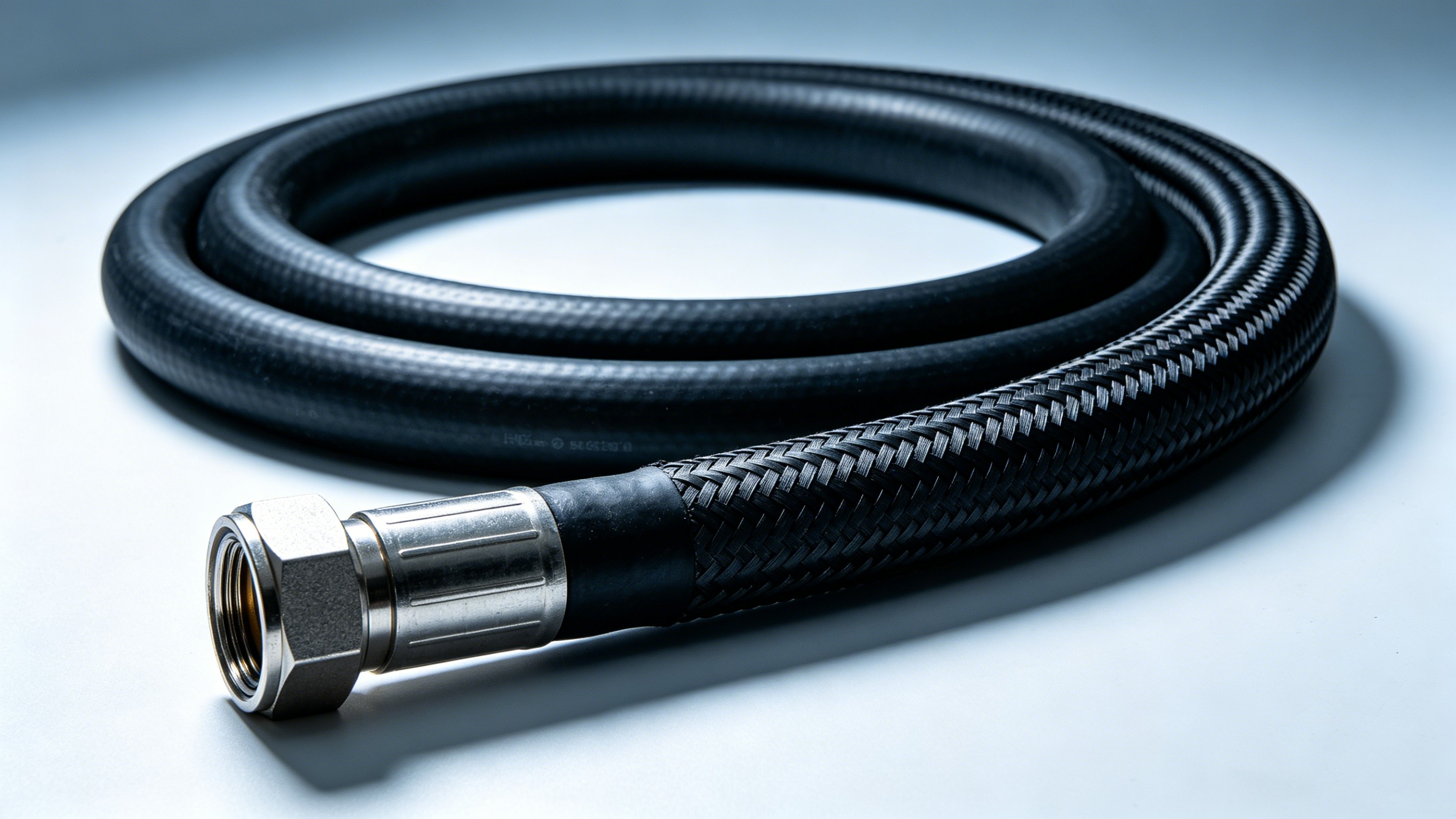
High pressure hoses are essential components in hydraulic systems, pressure cleaning equipment, construction machinery, agricultural equipment, mining operations, and manufacturing facilities. Choosing the right hose is not only important for system performance but also critical for operational safety.
A poorly selected hose may result in pressure loss, leakage, premature failure, costly downtime, or even serious accidents. This guide explains the most important factors that engineers, distributors, and equipment manufacturers should consider when selecting a high pressure hose.
Understand the Working Pressure
The first factor to evaluate is the working pressure of your system.
Every hose is designed with a specific working pressure and burst pressure. The working pressure refers to the maximum continuous pressure that the hose can safely withstand during normal operation. The burst pressure is usually four times higher than the working pressure, providing an additional safety margin.
Never select a hose whose maximum working pressure is lower than your equipment's operating pressure. Always choose a hose with an appropriate safety factor.
Select the Right Hose Material
Different materials are suitable for different working environments.
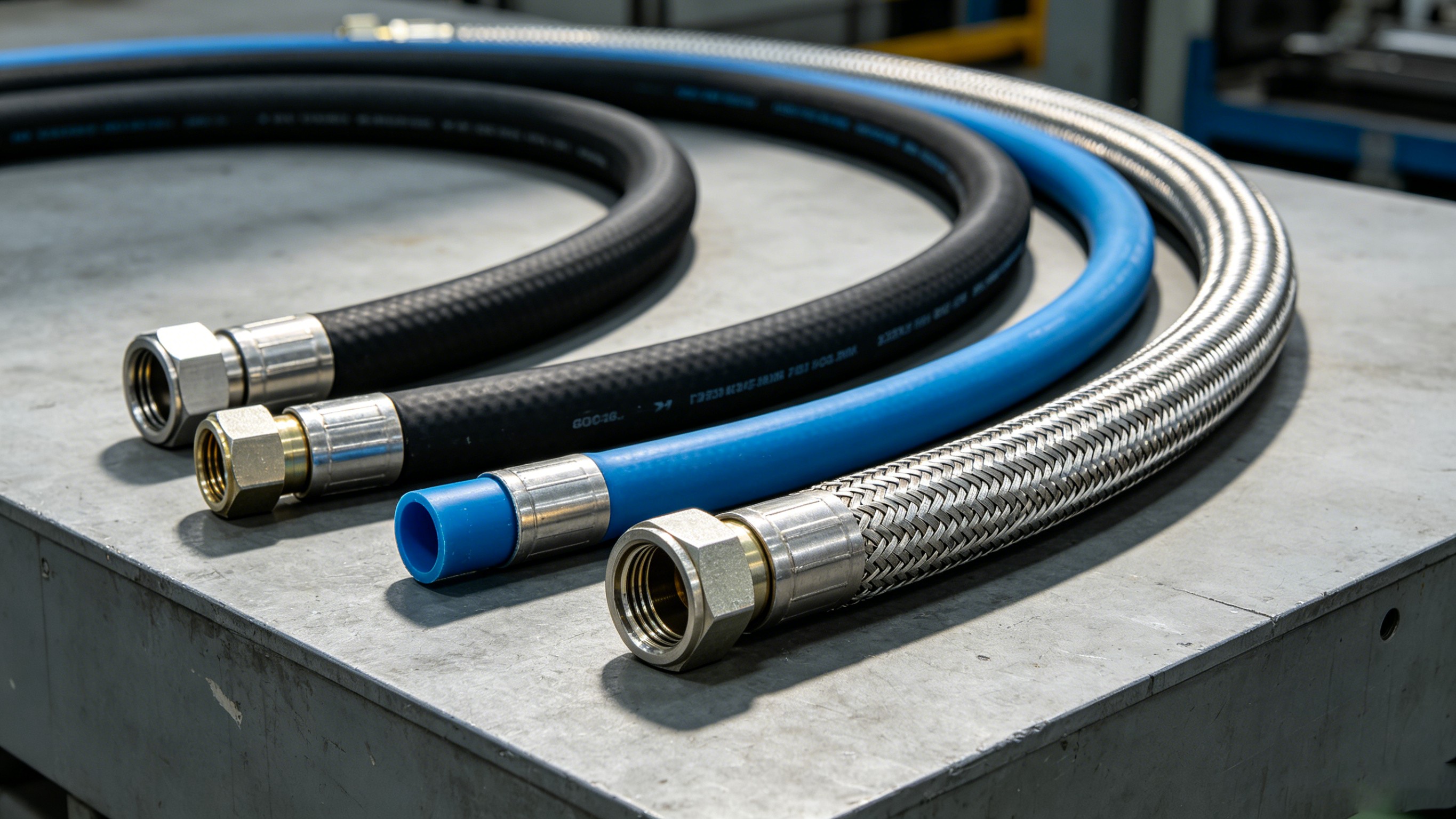
Synthetic Rubber
Synthetic rubber hoses offer excellent flexibility and are widely used in hydraulic systems. They provide good resistance to oil, abrasion, and weather conditions.
Polyurethane (PU)
PU hoses are known for exceptional abrasion resistance and flexibility. They are ideal for dust collection systems, pneumatic conveying, woodworking, and industrial ventilation.
TPV Rubber
TPV hoses combine the flexibility of rubber with the durability of thermoplastics. They provide excellent UV resistance, ozone resistance, and weatherability, making them suitable for automotive and outdoor applications.
Consider Reinforcement Structure
The reinforcement layer determines the pressure capability of the hose.
Common reinforcement types include:
Textile braided reinforcement
Single steel wire braid
Double steel wire braid
Multi-layer spiral steel wire reinforcement
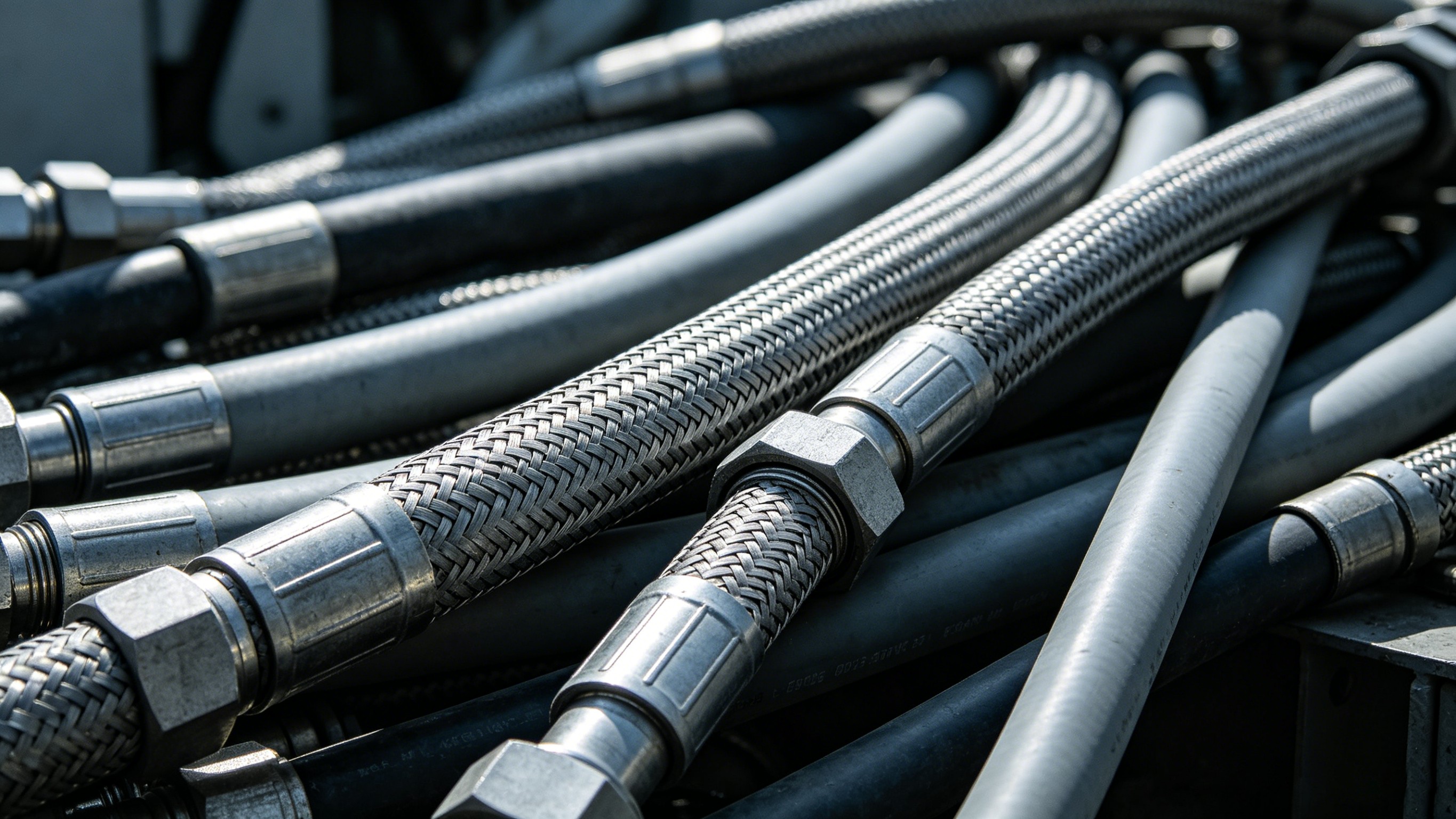
Steel wire reinforced hoses are generally recommended for hydraulic and ultra-high-pressure applications because they offer excellent pressure resistance and durability.
Evaluate Temperature Requirements
Temperature significantly affects hose performance.
Before selecting a hose, determine:
Minimum working temperature
Maximum working temperature
Ambient temperature
Fluid temperature
Extreme temperatures may reduce flexibility or accelerate hose aging. Selecting the proper material helps maintain long-term performance.
Check Fluid Compatibility
Not every hose is suitable for every medium.
Common transported media include:
Hydraulic oil
Water
Steam
Air
Chemicals
Cleaning detergents
Using incompatible materials may lead to swelling, cracking, or chemical degradation.
Consider Hose Flexibility
A hose should be flexible enough for installation while maintaining structural integrity.
Excessive bending can reduce service life. Always follow the manufacturer's recommended minimum bend radius.
Pay Attention to Hose Size
The inside diameter directly affects flow rate and pressure loss.
Selecting an undersized hose increases pressure drop, while an oversized hose may unnecessarily increase weight and cost.
Proper sizing improves system efficiency and reduces energy consumption.
Importance of Hose End Fittings
Even the highest quality hose may fail if incorrect fittings are installed.
Choose fittings that match:
Thread standards
Pressure rating
Fluid compatibility
Corrosion resistance
Professional crimping ensures leak-free connections.
Routine Inspection and Maintenance
Regular maintenance significantly extends hose life.
Recommended inspections include:
Surface cracks
Abrasion
Oil leakage
Corrosion
Loose fittings
Kinking
Replacing worn hoses before failure reduces maintenance costs and improves workplace safety.
Why Choose a Professional Hose Manufacturer?
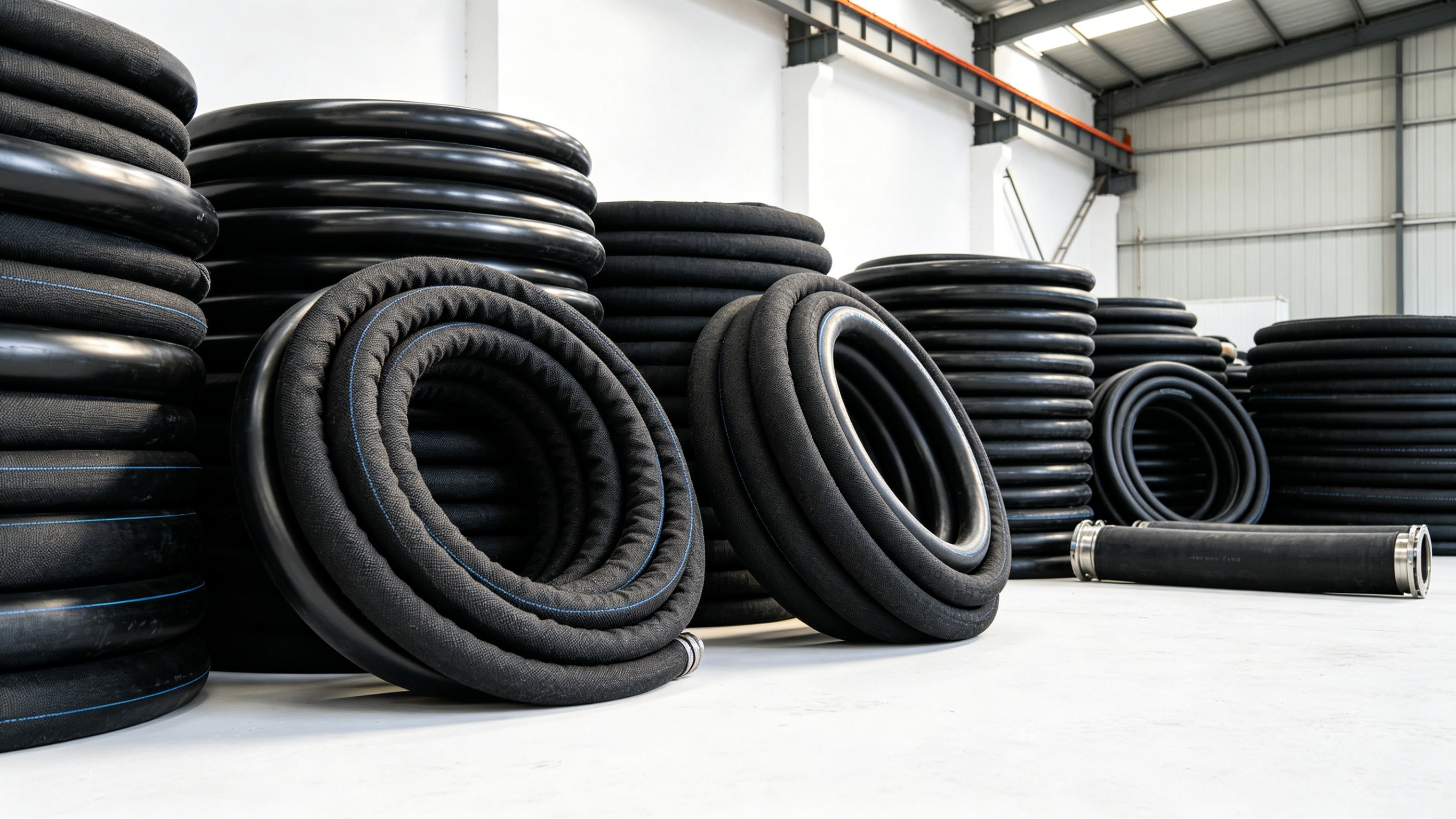
Working with an experienced manufacturer provides several advantages:
Stable product quality
Strict pressure testing
OEM and ODM customization
Fast production
Global export experience
International quality standards
Reliable manufacturers can also help customers select the most suitable hose based on actual operating conditions.
Frequently Asked Questions
How often should a high pressure hose be replaced?
Replacement depends on operating conditions. Regular inspections are recommended, and any hose showing visible damage should be replaced immediately.
Can one hose be used for different fluids?
Not always. Material compatibility should always be verified before use.
Why does a hose burst before reaching its rated pressure?
Incorrect installation, excessive bending, pressure spikes, or damaged reinforcement may cause premature failure.
Conclusion
Choosing the correct high pressure hose requires careful consideration of pressure rating, material, reinforcement, temperature, fluid compatibility, and installation conditions. Investing in high-quality hoses from a reliable manufacturer improves equipment efficiency, reduces downtime, and enhances workplace safety.
Contact Us
Looking for a trusted high pressure hose manufacturer? We provide OEM and customized solutions for hydraulic hoses, ultra-high-pressure cleaning hoses, PU duct hoses, pressure test hoses, and TPV rubber hoses. Contact our team today for technical support and a competitive quotation.